

What Colors Can Cats See: A Complete Guide to Feline Color Vision
Cats mainly see colors in the blue and green range and tend to have trouble distinguishing reds and pinks. Their color perception resembles that of a person with red-green color blindness, resulting in a more subdued set of hues. Picking toys or objects in blue or green shades can better catch your cat’s attention.
Key Takeaways
- Cats have fewer cone cells than humans, which limits their ability to see a broad range of colors clearly.
- Blue and green hues are the most visible colors for cats, so use these shades for toys and bedding.
- Red and pink appear as dull or grayish because cats lack receptors for these colors.
- Cats rely more on detecting movement and contrast than on color accuracy for hunting and play.
- Cat vision is optimized for low-light conditions, which also affects how color is perceived at dawn and dusk.
- Because cats see fewer colors, sensory enrichment through textures and sounds complements their visual experience.
Which Colors Can Cats See and Which Do They Miss?
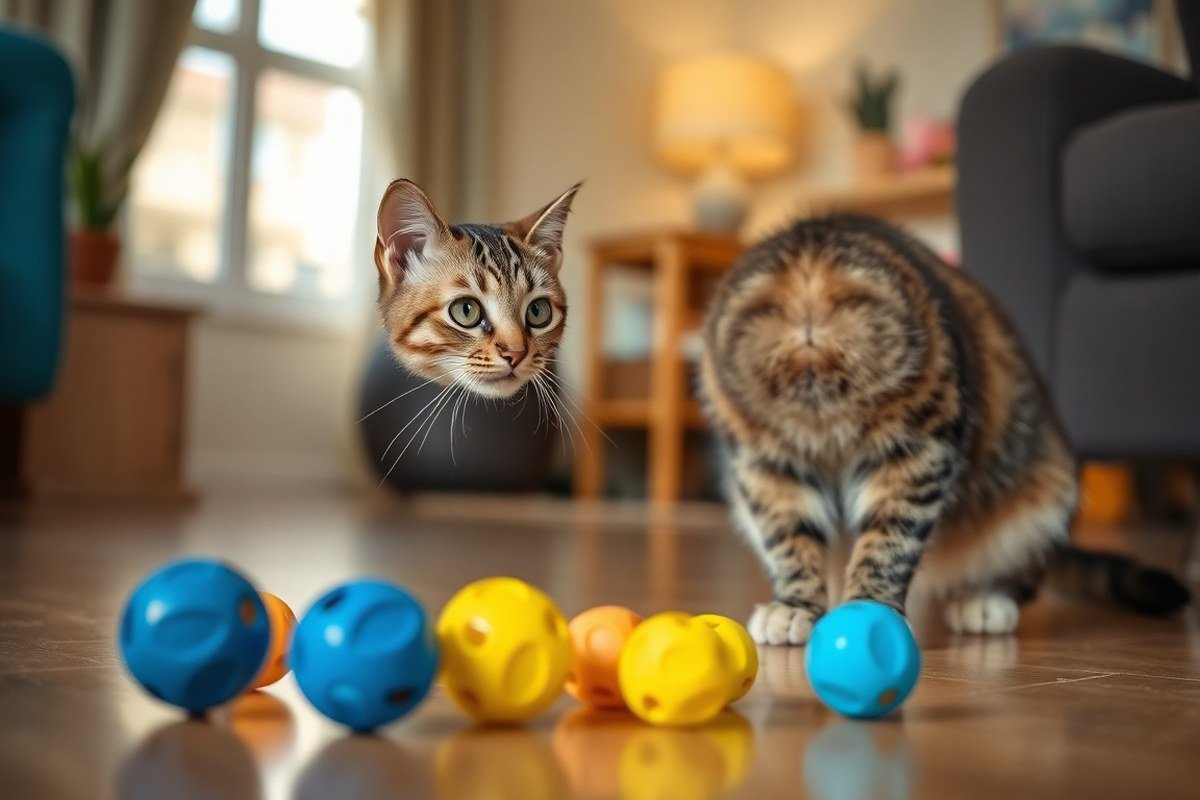
Cats see colors differently than humans, mostly perceiving blues and yellows. This happens because their eyes have only two types of cone cells responsible for color detection, compared to the three types humans have. These cones let cats distinguish some colors but make it harder for them to see reds and greens. Reds, pinks, and oranges usually appear dull or grayish to cats because they lack the cone cells needed to detect those warm color wavelengths vividly.
Cats are not completely color blind; they are what scientists call dichromatic, meaning they can see two primary color types. Their vision is best suited to blues and yellows, which means toys or items in these colors are often easier and more interesting for them to spot. Because their cone cells are fewer, about one-tenth the number humans have, the colors cats see are less vivid and more muted overall.
Warm colors like red don’t show up sharply for cats. This limited color range occurs because their eyes evolved for better night vision, with more rod cells to detect low light rather than a broad spectrum of colors. That’s why reds and greens can look quite similar or faded, reducing a cat’s ability to quickly differentiate those colors. You can use this knowledge to select colors that stand out to your cat, helping to engage their attention more effectively.
How Cat Color Vision Works Compared to Humans

Cats see color through two types of cone cells in their retinas, unlike humans who have three types. Cones detect light in different wavelengths, allowing color perception. Humans have red, green, and blue cones, which lets them pick up a broad range of colors and subtle differences. Cats only have cones tuned mainly to blue and yellow-green light, limiting their color range. This means cats see far fewer colors and less detail in those colors than humans do.
At the same time, a cat’s eyes contain a much higher proportion of rod cells than human eyes. Rods are responsible for detecting light intensity and motion rather than color. These cells help cats see well in dim or low-light situations, which benefits their nocturnal hunting habits. The tradeoff is that rod-heavy eyes do not support detailed color vision.
| Cats | Humans | |
|---|---|---|
| Types of Cone Cells | 2 (mostly blue and yellow-green) | 3 (red, green, blue) |
| Cone Cell Density | About 7 to 10 times fewer than humans | High cone density for detailed color perception |
| Rod Cell Proportion | Higher, supports low-light and motion detection | Lower, color vision prioritized |
| Peripheral Vision | ~200 degrees | ~180 degrees |
The part of the cat’s eye responsible for color vision is the retina, where cones and rods reside. Cats’ retinas are specialized for their needs: rod-rich for detecting movement and light in near-darkness, and low cone count limiting color detection to mostly blues and yellows. This biological setup explains why cats rely more on motion, shape, and brightness than on color when exploring their world.
Why Cats See Colors Differently: Vision Strengths and Limits

Cats see better than humans in low light because their eyes have a unique structure that allows more light to reach the retina. Their pupils can dilate wide to capture up to 10 times more light, which helps them hunt effectively at dawn, dusk, or in dim interiors. However, this advantage doesn’t improve their ability to see colors well in these conditions. Color perception fades as light dims, so cats rely more on detecting movement and shapes than distinguishing hues when it’s dark.
In daylight, cats can clearly see objects up to about 20 feet away, which is less sharp than human vision. Humans have more cone cells responsible for fine detail and color, so cats see less detail and fewer shades. Their color vision resembles red-green color blindness, focusing mostly on blues and yellows rather than reds or greens. This limitation means many colors look duller or muted to them, but colors like blue toys stand out more clearly under typical lighting.
Movement detection relies heavily on peripheral vision in cats. Cats can see about 200 degrees around them, wider than the 180 degrees humans see. This broad view lets them notice moving prey near their sides, which is important for hunting. Their eyes and brain focus more on sensing motion instead of color details because spotting movement aids survival more. This explains why cats find toys that move or flicker more interesting than ones with just bright colors.
Choosing Toys and Home Items Based on Cat Color Vision
Choosing toys and accessories in colors cats can easily see improves their interest and engagement. Cats perceive Blue and yellow shades more clearly than reds or pinks, which often look dull or grayish to them. Selecting items in blue or yellow helps capture their attention faster during play, making it more rewarding for both of you.
For better visual engagement, focus on toys and home items that contrast well against your surroundings while featuring these preferred colors. Cats are especially drawn to objects that stand out visually, like a bright yellow ball or a blue feather wand. Avoid relying on red or warm-colored toys, since cats have difficulty distinguishing these hues and may show less excitement toward them.
Several practical tips help you choose effectively: watch your cat’s reactions to different colored toys by offering a mix in blue, yellow, red, and green to see which they prefer. Prioritize moving toys or those that make noise combined with blue or yellow colors, as movement and sound further boost their interest. Although laser pointers use red beams most cats cannot see the red color clearly, the movement of the laser still stimulates them visually.
Investing in blue and yellow toys often costs the same as typical cat toys, usually ranging from $5 to $20, depending on the type. Good results look like your cat actively chasing or batting at the toy, showing excitement. Lack of response might indicate the toy’s color or design isn’t optimal for their vision. For home décor or scratching posts, picking these colors can create a more stimulating environment that keeps your cat engaged even when you’re not playing.
Supporting and Maintaining Healthy Cat Vision
Nutrition plays a key role in supporting healthy cat vision. Taurine, an essential amino acid found in high-quality cat food, is critical for maintaining retinal health. Without enough taurine, cats can develop vision problems, including impaired color perception. Providing a balanced diet with taurine, vitamins A and E, and omega fatty acids helps protect your cat’s eyes and supports overall visual function. Consult your veterinarian about appropriate supplements if your cat has dietary restrictions or special needs.
Common eye conditions such as cataracts and retinal degeneration can affect how cats see colors. These issues may reduce their ability to distinguish certain hues or cause dimming of vision. If you notice your cat bumping into objects, hesitating to jump, or showing changes in how they interact with colorful toys, it might indicate vision trouble. Regular veterinary checkups enable early detection and treatment of these problems, which can slow progression and preserve sight.
Helping maintain your cat’s vision involves more than diet and vet visits. Keep the environment safe and stimulating with toys suited to their color range, mainly blues and greens. Engage your cat in daily play to exercise their eyes and alertness. Avoid exposing them to bright lights that can strain their eyes. Py a check for signs such as redness, cloudiness, discharge, or sensitivity to light. These symptoms warrant prompt veterinary attention to prevent further damage.
Several myths surround cat vision health. One common misconception is that cats do not need regular eye exams because they rely mainly on other senses. In reality, proactive eye care helps catch conditions early and improves your cat’s quality of life. Another myth is that indoor cats do not experience changes in vision. Indoor cats may indeed have fewer environmental hazards but still face risks from genetics, aging, or diet. Maintaining a schedule of veterinary screenings every year or sooner for older cats is the best way to protect their eyes.
Step-by-Step Action Plan for Supporting Your Cat’s Vision
Use your understanding of your cat’s color vision to improve their environment and care routine effectively.
- Day 1: Observe your cat’s play preferences with different colored toys; opt for blue and green toys to catch their attention, confirming they respond more to these colors.
- Week 1: Replace or add home items like beds or scratching posts in shades of blue or green to make them more visually appealing to your cat, noting if they use them more often.
- Week 2: Schedule regular short play sessions using toys that match your cat’s color sensitivity; watch for increased engagement compared to previous toys.
- Month 1: Evaluate your cat’s lighting environment; incorporate natural daylight or full-spectrum bulbs to support healthy vision, and check if your cat appears more alert or active.
- Ongoing: Keep an eye out for any changes in your cat’s eyes or behavior that could signal vision issues; consult a vet promptly if you notice cloudiness, excessive tearing, or reluctance to navigate spaces.
Frequently Asked Questions
Can Cats See Ultraviolet Light?
Cats can see some ultraviolet light, which helps them detect urine trails and other markings invisible to humans. This ability improve their hunting skills and navigation in low-light environments.
Do Kittens See Colors Differently Than Adult Cats?
Kittens’ color vision develops as they grow and usually matches that of adult cats by 8 to 12 weeks. Early vision is less sharp and limited in color detection during their first weeks.
Can Cataracts in Cats Affect Their Color Vision?
Cataracts mainly blur vision but can reduce color perception due to clouded lenses. Regular vet checkups help catch eye problems before they seriously impact your cat’s sight.
Why Do Cats Seem More Active at Dawn and Dusk?
Their eyes are adapted for low light, allowing better vision in dim conditions, not full color perception. Activity peaks at these times align with natural hunting instincts.
How Does Aging Impact a Cat’s Color Vision?
Aging can decrease color sensitivity due to changes in the retina, but cats rely more on motion and contrast, so color loss might go unnoticed.
Key Points to Remember
Knowing that cats see blues and greens better than reds helps you choose toys and items that truly engage them. Adjusting their environment with this in mind can improve their comfort and enjoyment. Start by introducing a blue or green toy today and observe how your cat reacts to a color tailored for their vision.