Why Do Cats Wag Their Tails? Complete Guide to Tail Language & Meaning
Why do cats wag their tails? Unlike dogs, cats wag tails to express a wide mix of emotions, from irritation to affection. Tail wagging helps cats communicate mood and intentions, so watching these movements closely can tell you if your cat feels playful, upset, or curious. Start by observing the speed and direction of your cat’s tail movements to better read their feelings and respond appropriately.
Key Takeaways
- Slow tail wagging usually signals mild annoyance or focused attention in cats.
- Quick tail flicks often mean irritation or a warning to back off.
- A raised tail with a gentle wag encourages friendly interaction and shows happiness.
- Cats twitch or quiver their tails when excited or anticipating something, like playtime.
- Tail wagging combined with purring typically signals affection and contentment.
- Tail movements while sleeping may reflect dreams or physical reactions to stimuli.
Why Do Cats Wag Their Tails? Understanding the Behavior
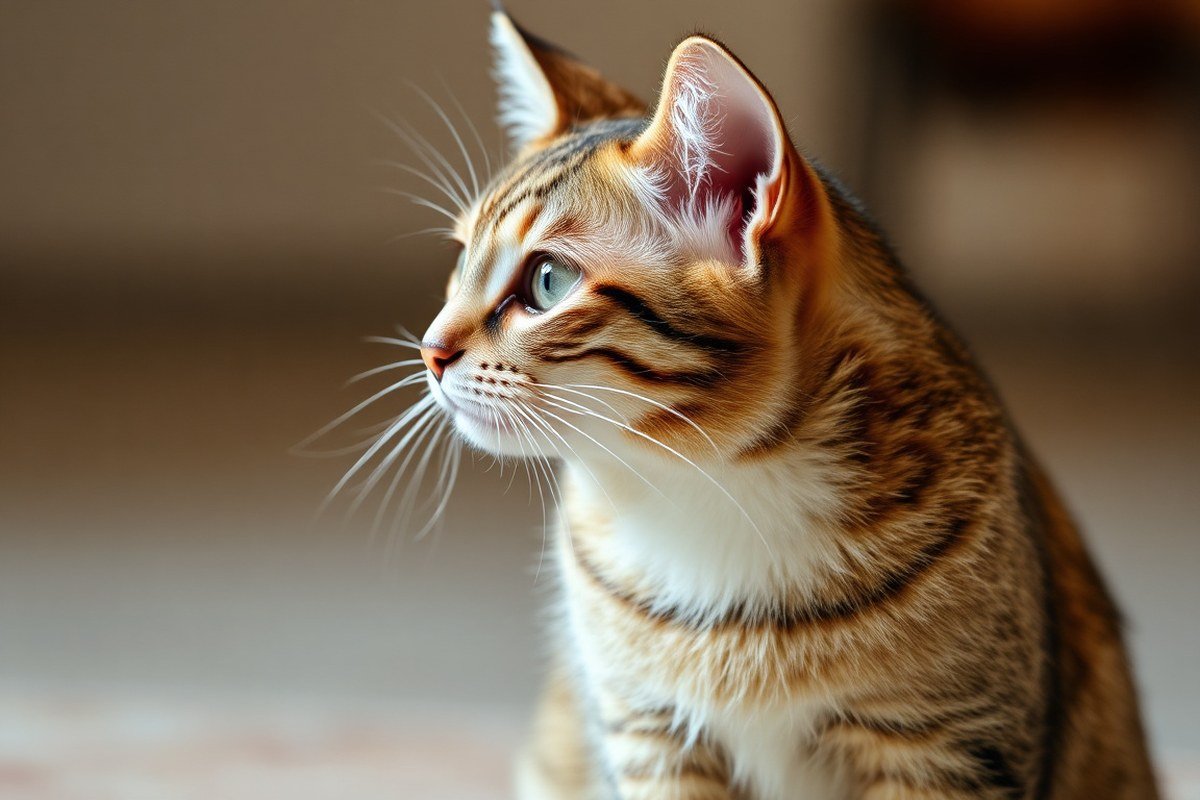
Cats wag their tails to express a wide range of emotions, which can vary greatly from the simple happy signals seen in dogs. Unlike dogs, whose wagging tails mostly show excitement or friendliness, cats use tail movements to communicate feelings like curiosity, agitation, focus, or even affection. The intensity and type of wagging can reflect the cat’s mood, personality, or the situation it is in. Some cats wag their tails more noticeably when they are hunting or watching birds, while others may flick or quiver their tails when relaxed or content.
The key difference lies in the meaning behind the tail wagging. For dogs, a fast wag usually equals happiness and a slow wag can mean caution or uncertainty. Cats, however, often wag their tails when feeling upset, irritated, or highly focused, making their tail wagging less straightforward to interpret. The position of the tail combined with the wagging speed is more important for understanding a cat’s emotional state than just the wagging alone.
| Aspect | Cat Tail Wagging | Dog Tail Wagging |
|---|---|---|
| Main Emotion Displayed | Varies: curiosity, irritation, focus, affection | Primarily happiness, excitement, friendliness |
| Speed of Wag | Slow or fast wags can mean different feelings; fast wag may signal irritation | Fast wag usually means happiness, slow wag may signal caution |
| Context | Often during hunting, watching birds, or when upset | Greeting people, excitement, friendliness |
| Tail Position Importance | Very important to read mood accurately | Less important than wag speed |
Understanding what a cat’s tail wag means requires watching other body language cues because a wagging tail alone can signal multiple feelings. Slow, gentle tail wagging during petting usually shows enjoyment, while rapid wagging can mean the cat no longer wants to be touched. Paying attention to context and tail position will help you better connect with your cat’s communication style and respond appropriately to their needs.
What Different Tail Positions and Movements Mean
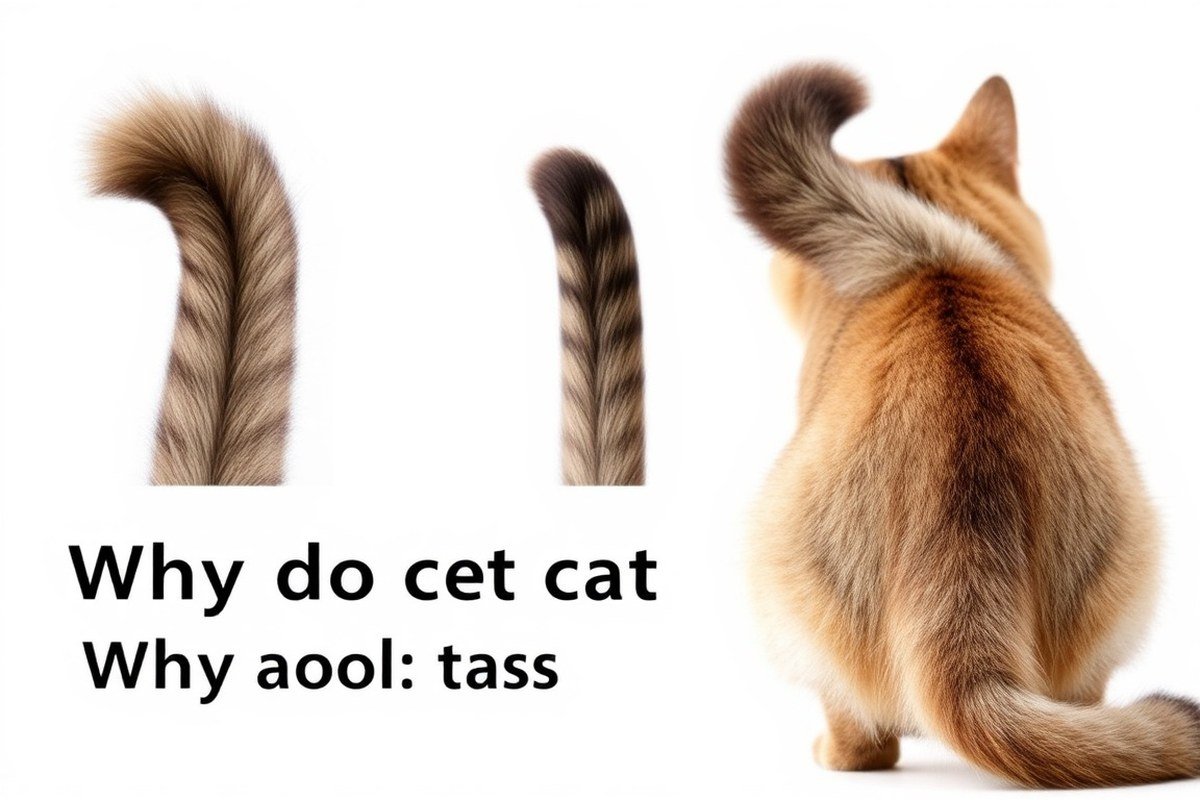
A raised tail often signals a happy or confident cat. When your cat holds its tail high with a slight quiver at the tip, it means they are excited or showing a friendly greeting. This is a good time to engage and pet gently, improving your bond. A cat with a tail held straight up often feels secure and content in their environment.
A low or tucked tail usually indicates fear, defensiveness, or uncertainty. Your cat is likely feeling anxious or threatened when they carry their tail close to the ground or tightly tucked between their legs. Giving your cat space and a calm atmosphere will help them feel safer. Avoid forcing interaction when you notice this posture.
A puffed-up tail signals a high level of alarm or aggression. When your cat’s tail suddenly puffs out to a giant, bushy shape, it’s trying to make itself look bigger to scare off threats. This is a clear warning to back off and avoid sudden movements, as your cat is stressed or frightened.
Rapid, side-to-side wagging can mean irritation or overstimulation. A cat thrashing its tail quickly from side to side while keeping it low and stiff generally communicates anger or discomfort. Stop petting immediately and let your cat calm down to prevent aggression or biting.
A twitching tail tip often reflects concentration or playful hunting instincts. Your cat engages their natural stalking behavior when their tail tip flicks subtly while focusing on a toy or prey. This movement shows alert interest rather than friendliness or anger, so offer interactive play opportunities instead of approaching too suddenly.
Why Cats Twitch, Quiver, or Flick Their Tails
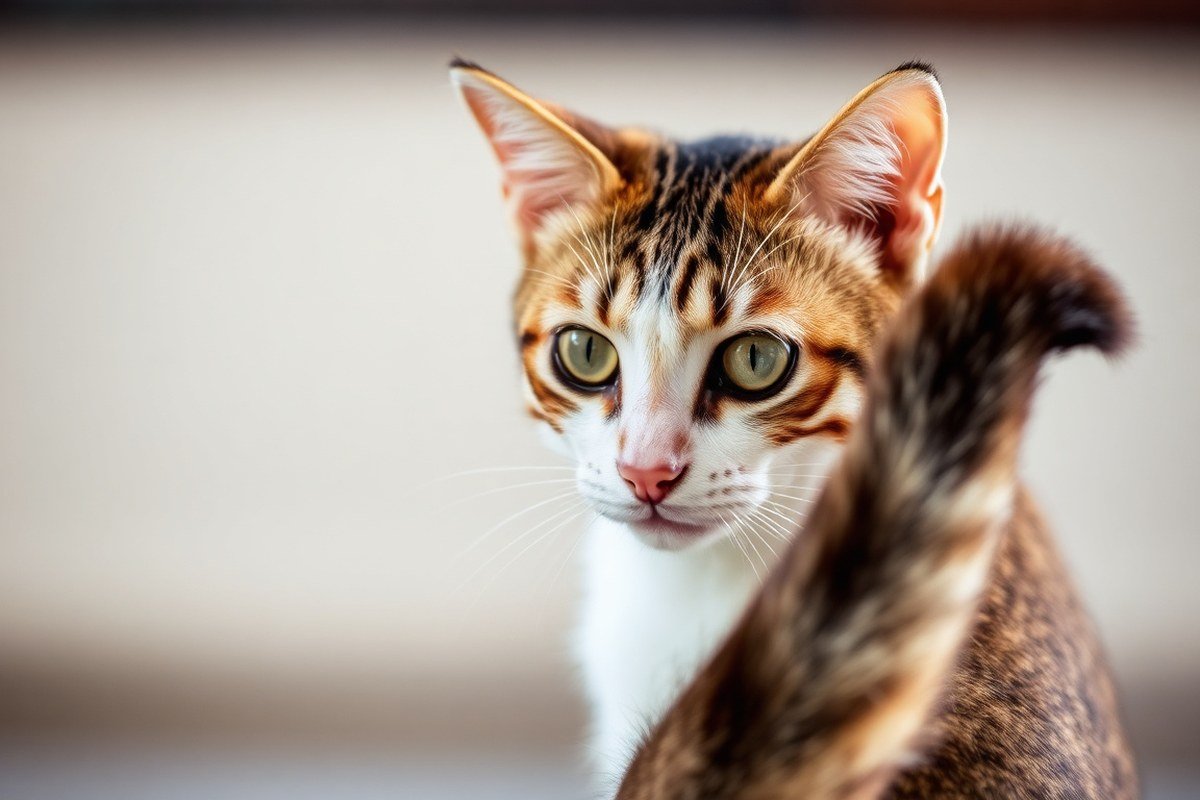
Cats twitch, quiver, or flick their tails to communicate subtle emotional states that a casual glance might miss. For example, a gentle quiver or twitch at the Tip of the tail often signals concentration or mild irritation. You might notice your cat’s tail tip twitching while they are hunting a toy or watching birds, indicating focused attention. This subtle movement contrasts with a stiff, rapid wag that signals clear agitation.
The Flicking of just the tail tip is typically a quick back-and-forth motion called a low flick. It is common during light sleep phases or when your cat remains alert but relaxed while lying down. A flicking tail tip during petting sometimes reflects sensory stimulation, not discomfort. Watching for these movements helps you understand your cat’s mood without other obvious signs.
To interpret your cat’s tail tip movements accurately, follow this checklist: observe the speed and stiffness of the flick or twitch, note your cat’s overall body language (ears, eyes, posture), and consider the context, are they playing, resting, or being petted? For example, a slow, fluid tail tip twitch paired with relaxed ears and purring usually means playful engagement or contentment. On the other hand, quick twitching with flattened ears could indicate frustration.
Recognizing these subtle cues takes attention but costs nothing more than a little time observing your cat’s behavior in different settings. Good results mean better communication between you and your cat, helping you respond appropriately to their needs. Ignoring these signs can lead to misunderstandings, like missing when a cat wants to stop being petted or is feeling overstimulated.
During REM sleep, cats may also twitch tails involuntarily, reflecting brain activity in dreams rather than conscious feelings. This natural twitching is normal and shouldn’t cause concern. Healthy cats maintain voluntary control from the tail base to tip, with movement patterns linked directly to their emotional and physical state, as noted by veterinarian Laura Moon of Green Hills Veterinary Clinic.
When Tail Wagging Signals Affection or Warning
Cats wrap their tails around you or themselves as a clear sign of affection and trust. When your cat curls their tail gently around your arm, leg, or neck, it means they feel safe and comfortable in your presence. This behaviour, often paired with a headbutt, is one of the strongest ways cats show love and confidence. A cat wrapping its tail around itself usually signals calmness and contentment, showing the cat feels relaxed and secure.
Distinguishing affectionate tail wagging from warning or discomfort involves observing several cues together. An affectionate tail usually moves slowly or holds a gentle curl, sometimes quivering slightly at the tip, especially when greeting you. The cat’s body will be relaxed, eyes may meet yours softly, and ears will face forward. In contrast, a warning wag often happens when the tail lashes sharply or flicks rapidly from side to side, paired with tense posture, flattened ears, or dilated pupils. A constantly wagging tail in an otherwise quiet or ill-looking cat might signify pain or distress.
To respond appropriately, watch for these signs closely. When your cat wraps its tail around you, respond with calm, gentle petting to reinforce trust. Avoid petting if the tail flicks rapidly or the body stiffens; this behaviour means your cat wants space or is uncomfortable. Discomfort signals call for giving your cat quiet time in their safe space and consulting a veterinarian if signs persist, since it could indicate underlying pain or illness. Recognizing this tail language protects your bond and helps keep your cat comfortable and happy.
Tail Wagging While Sleeping: What Does It Mean?
Cats wag their tails while sleeping mainly during light sleep phases, often as a response to dreams or faint external noises. This movement doesn’t indicate happiness like it might when they’re awake. Instead, it signals that your cat is partly alert and processing sensory input. Tail wagging during sleep reflects their instinct to stay aware of their environment even in rest. It’s an automatic reaction rather than a sign of emotion.
During these light sleep stages, which last a few minutes to about half an hour in cycles, a cat’s brain remains active and can generate movements like tail flicks or wags. These movements might correspond to dreaming episodes or subtle sounds you may not notice. If you observe your cat’s tail slowly wagging or twitching in sleep, it suggests they remain somewhat vigilant and ready to respond to stimuli.
This behavior matters because it helps you understand your cat is not completely unconscious but in a semi-alert state that promotes safety. Tail movement while asleep costs your cat very little energy but keeps them connected to their surroundings. Good results look like gentle, low-intensity wags or flicks during naps without signs of distress. Intense, fast tail wagging during sleep could mean discomfort or irritation, which might require a veterinary check if persistent.
Variations happen depending on the sleeping environment and individual cat personality. A cat in a noisy or unfamiliar place may twitch its tail more during dozing to monitor sounds. Conversely, a calm household usually sees softer, less frequent tail wags in sleep. Watching these subtle movements over time can give you clues about your cat’s wellbeing and comfort level during rest.
How Cats Use Their Tails for Balance and Movement
Cats rely on their tails to maintain physical balance and execute precise movements, especially during activities like running or navigating narrow spaces. The tail’s Anatomy supports these complex functions by combining a flexible bone structure with strong muscle control. Each cat tail has between 19 and 28 vertebrae, which provide the backbone framework. These vertebrae interlock but allow significant flexibility.
Surrounding these bones are six distinct muscle groups on each side of the tail. These muscles enable cats to flex, extend, move laterally, and even rotate their tails. This muscular control gives cats fine adjustments that help correct their body alignment mid-motion. For example, while chasing prey or walking on a narrow fence, a cat’s tail subtly adjusts to counterbalance shifts in the body’s center of gravity. This prevents falls and allows swift, graceful maneuvers.
The tail movements during hunting tend to be controlled and slow rather than broad or fast. These subtle twitches help a cat keep its balance with minimal disturbance to its stance or stride. This combination of multiple vertebrae and precise muscle control is what sets feline tails apart from canine tails, which often express excitement more than balance. Maintaining tail health is critical for balance; injury or paralysis in the tail can greatly impair a cat’s agility and stability.
The coordination between the skeletal and muscular components allows cats to use their tails as a dynamic tool, continuously adjusting to changing movement and terrain. Proper tail function requires intact vertebrae and strong, responsive muscles, which your cat naturally develops through active play and exploration. Any limitation in this structure affects the cat’s ability to perform precise and balanced movements.
What Influences Tail Wagging Frequency and Intensity?
Tail wagging frequency and intensity vary widely depending on a cat’s personality, environment, breed, and health status. Some cats are naturally more expressive or anxious, leading to more noticeable or frequent tail movements. For example, a playful or curious cat may wag its tail gently while engaging with toys or people. In contrast, more reserved or easily stressed cats might flick or lash their tails sharply in response to unfamiliar surroundings or noises, such as loud household sounds or visits to a clinic.
Breed differences also affect tail wagging patterns. Certain breeds with long, bushy tails like Maine Coons may display broader, slower tail swishes, while breeds with shorter tails or slender builds may have quicker, more subtle movements. Breed traits linked to temperament influence tail signals and their intensity.
Health issues can cause changes in tail wagging behavior, sometimes indicating pain or discomfort. Sudden, aggressive tail pounding or constant tail wagging paired with other signs like limping, swelling near the tail base, or reluctance to be touched around the tail area may suggest medical problems. In these cases, it’s important to evaluate your cat’s full body language and environment for clues.
Use this checklist to decide when to consult a veterinarian or behaviorist: Does your cat’s tail wagging increase sharply without apparent triggers? Are they showing other distress signs like hiding, vocalizing more, or avoiding touch? Is there swelling, wounds, or visible injury near the tail? Has the wagging pattern changed suddenly from your cat’s normal behavior? Addressing these signs promptly helps catch health or behavioral issues early, possibly avoiding costly treatments later. A vet visit typically costs between $50 and $150 for an exam, with more for diagnostics or treatments.
Step-by-Step Action Plan to Understand and Respond to Your Cat’s Tail Wagging
Use your cat’s tail wagging as a guide to their feelings and needs by following these steps to improve your communication and care.
- Day 1: Observe your cat’s tail movements closely during different activities. Note when the tail twitches, flicks, or stands tall and how your cat behaves.
- Day 2-3: Learn to associate specific tail positions with moods, like a slow wag meaning concentration or a flick signaling irritation. Check if your cat’s behavior matches these cues.
- Week 1: Respond gently to tail signals that show discomfort or warning, such as sudden flicking or lashing, by giving your cat space. Watch for a relaxed tail before re-engaging.
- Week 2: Encourage positive interactions by noting when your cat wags its tail to show affection or playfulness, and reward those moments with petting or a favorite toy.
- After 3 weeks: Identify how individual factors, like their environment or your interactions, influence tail wagging intensity. Adapt your approach to reduce stress and promote comfort.
- Continually: Use tail wagging signals to gauge your cat’s mood during sleeping and activity times to better predict when they want attention or rest.
Frequently Asked Questions
Why Do Cats Wag Their Tails When Hunting?
Cats wag their tails when hunting to maintain focus and express excitement or irritation. This movement helps them prepare for action and signals their alert state.
Why Do Cats Wag Their Tails During Play?
Tail wagging during play shows a cat’s excitement and engagement. It helps communicate their mood to other pets or humans nearby.
Can a Cat’s Tail Wag Indicate Stress?
Yes, a rapidly wagging tail can signal stress or agitation in cats. Watching other body language helps you understand their exact feeling.
Do Kittens Wag Their Tails Differently Than Adult Cats?
Kittens often wag their tails less deliberately and more erratically. As they grow, their tail movements become clearer and more purposeful.
Does Tail Wagging Mean a Cat Wants Attention?
Sometimes, a slow tail wag can indicate a cat wants attention or interaction. Observing their overall behavior confirms their intent.
Wrapping Up
Understanding why your cat wags their tail lets you connect more deeply with their moods and needs. Tune in to those tail signals during everyday moments to improve your cat’s comfort and your relationship. Try watching and responding to your cat’s tail wagging in different situations today to start building better communication.