Can Cats Have Pineapple? Safe Feeding Tips and Risks Explained
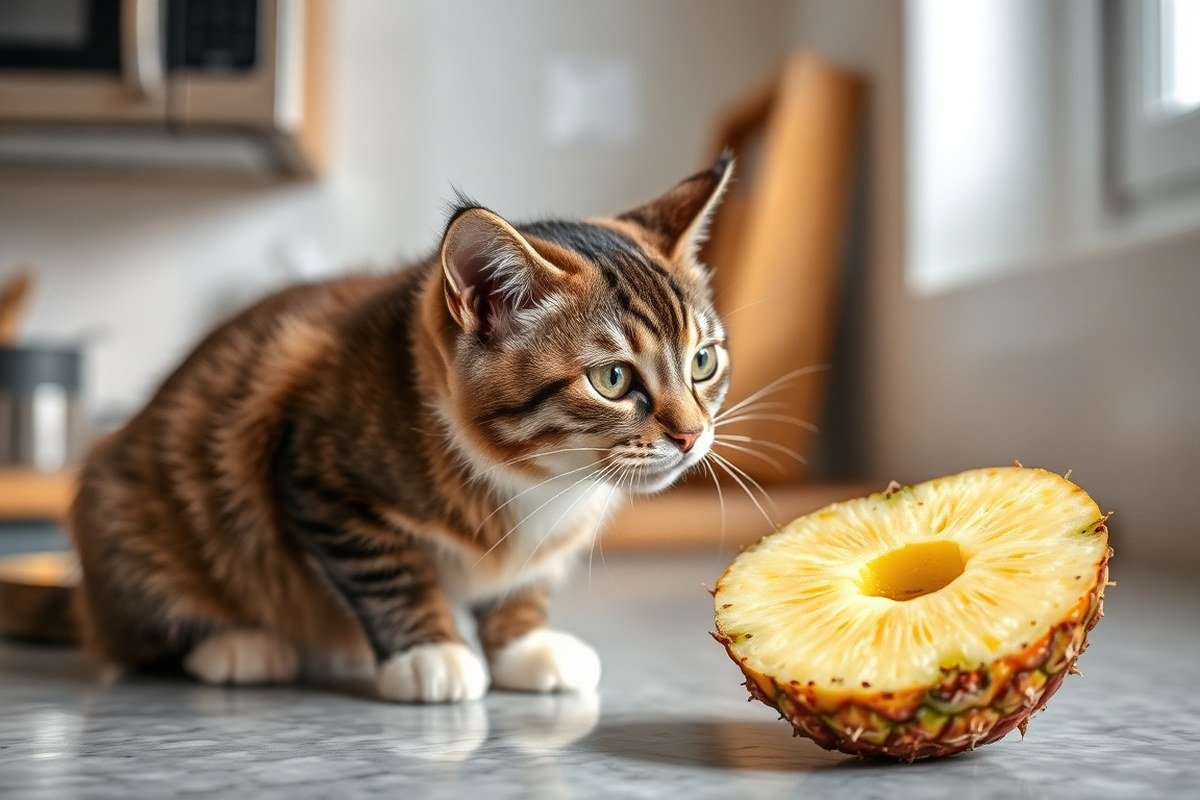
Can cats have pineapple? Yes, in small amounts, pineapple is generally safe for cats and may provide vitamins like C and B6 along with fiber. Keep servings tiny, about 1 to 2 teaspoons, and treat pineapple only as an occasional snack, not a diet staple. Always observe your cat after the first taste to check for any adverse reactions.
Key Takeaways
- Feed pineapple to your cat no more than once every 1 to 2 weeks in very small portions.
- Limit all treats, including pineapple, to under 10% of your cat’s total daily food intake.
- Choose fresh pineapple over canned varieties to avoid added sugars and preservatives.
- If serving canned pineapple, pick options packed in 100% juice without added sugar.
- Watch your cat after feeding pineapple for signs like vomiting or diarrhea lasting over 24 hours.
- Do not replace your cat’s meat-based diet with pineapple or other fruits.
Is Pineapple Safe and Healthy for Cats to Eat?
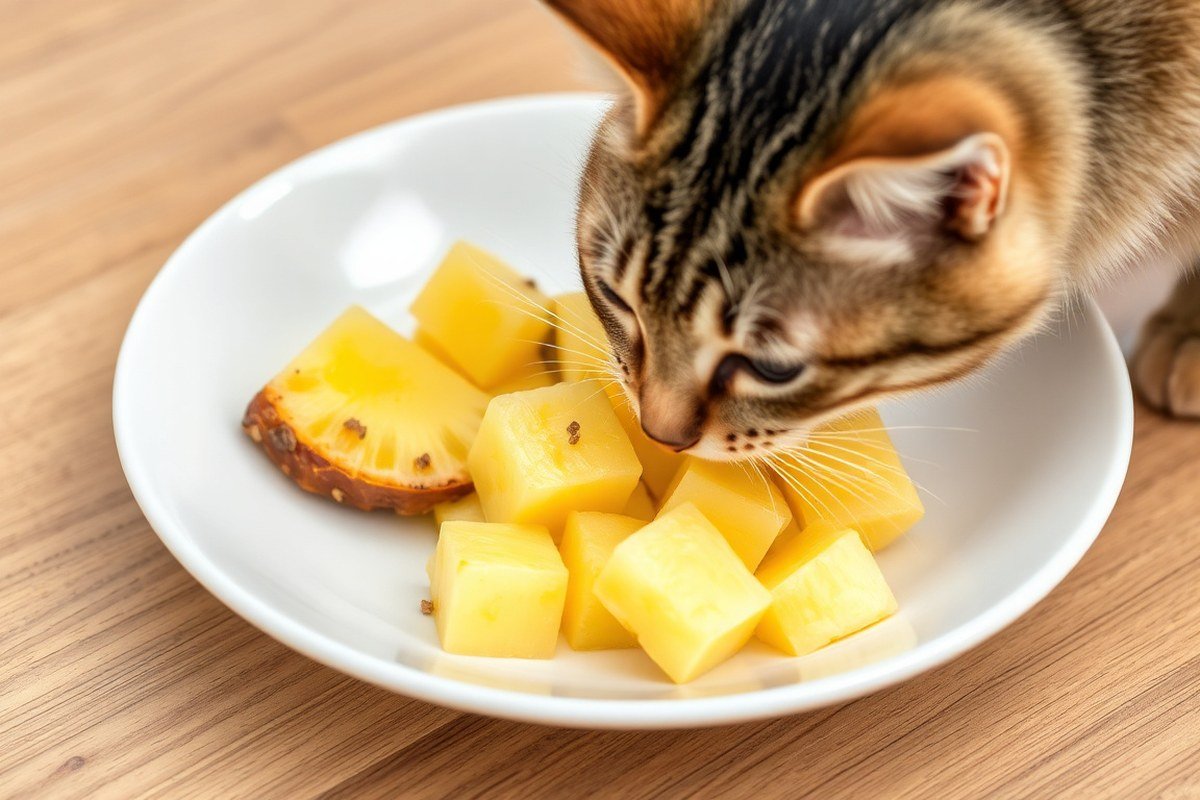
Cats can safely eat pineapple in small amounts, but it is not a necessary or regular part of their diet. Pineapple flesh is not toxic to cats, which means occasional treats of fresh pineapple are generally safe. These small servings can offer some health benefits, as pineapple contains vitamin C, vitamin B6, and dietary fiber, all of which support overall well-being. However, pineapple is high in natural sugars and carbohydrates that cats do not require, so feeding too much could contribute to weight gain or upset digestive balance.
Since cats are obligate carnivores, they get most of their nutritional needs from meat, so pineapple should only be given as a rare treat. Avoid giving canned pineapple, as it often contains added sugars or preservatives that could be harmful. The pineapple leaves and skin are not toxic but are not safe for cats to eat because they can cause choking or digestive blockages. Pineapple juice also holds a high sugar content and may cause stomach upset unless diluted carefully with water.
Offering pineapple occasionally means removing all skin and leaves, cutting the fruit into small, manageable pieces, and limiting the portion to just a small bite or two. Overfeeding sugar-rich fruits like pineapple might lead to sensitivities or longer-term health issues such as obesity and diabetes, especially in cats with preexisting conditions. Cats that enjoy the flavor can benefit from pineapple’s vitamin content, but only under moderation to avoid any negative effects from its sugar load.
How to Prepare and Serve Pineapple to Your Cat Safely
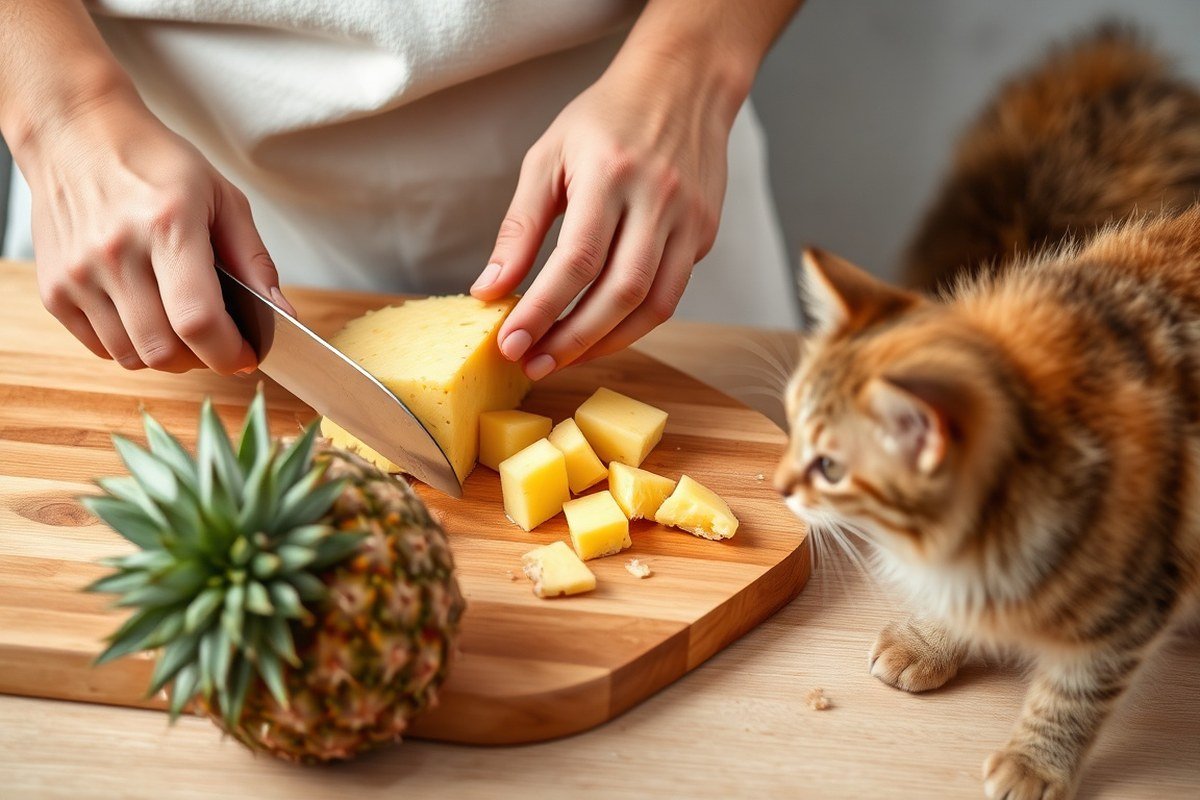
Start by peeling the pineapple completely and removing the core, as these parts are tough for cats to digest. Cut the fruit into very small pieces, about the size of a pea or smaller, to prevent choking. Avoid canned pineapple altogether because it often contains added sugars and preservatives harmful to cats. Dried pineapple and pineapple desserts should also be avoided due to concentrated sugars.
Serve only a teaspoon or two of fresh pineapple at a time, no more than once every two weeks, to limit sugar intake and avoid upsetting your cat’s stomach. Pineapple juice and smoothies are not recommended since they contain concentrated sugar and lack fiber, which is important for your cat’s digestion.
- Use only fresh pineapple without skin and core
- Cut into pea-sized pieces for safety
- Limit serving size to a teaspoon or two
- Offer pineapple no more than once every two weeks
- Do not feed canned, dried, or sweetened pineapple products
- Avoid pineapple juice and smoothies
- Monitor your cat after feeding for any signs of distress
Feeding pineapple as an occasional treat eliminates most risks and keeps your cat from consuming too much sugar, which can lead to weight gain and digestive upset. The small portion size and infrequent feeding are essential to keeping your cat safe and comfortable. Always watch your cat for reactions the first time you offer pineapple and stop immediately if they show any signs of sensitivity or refusal.
What Are the Signs of Pineapple Sensitivity or Overconsumption in Cats?
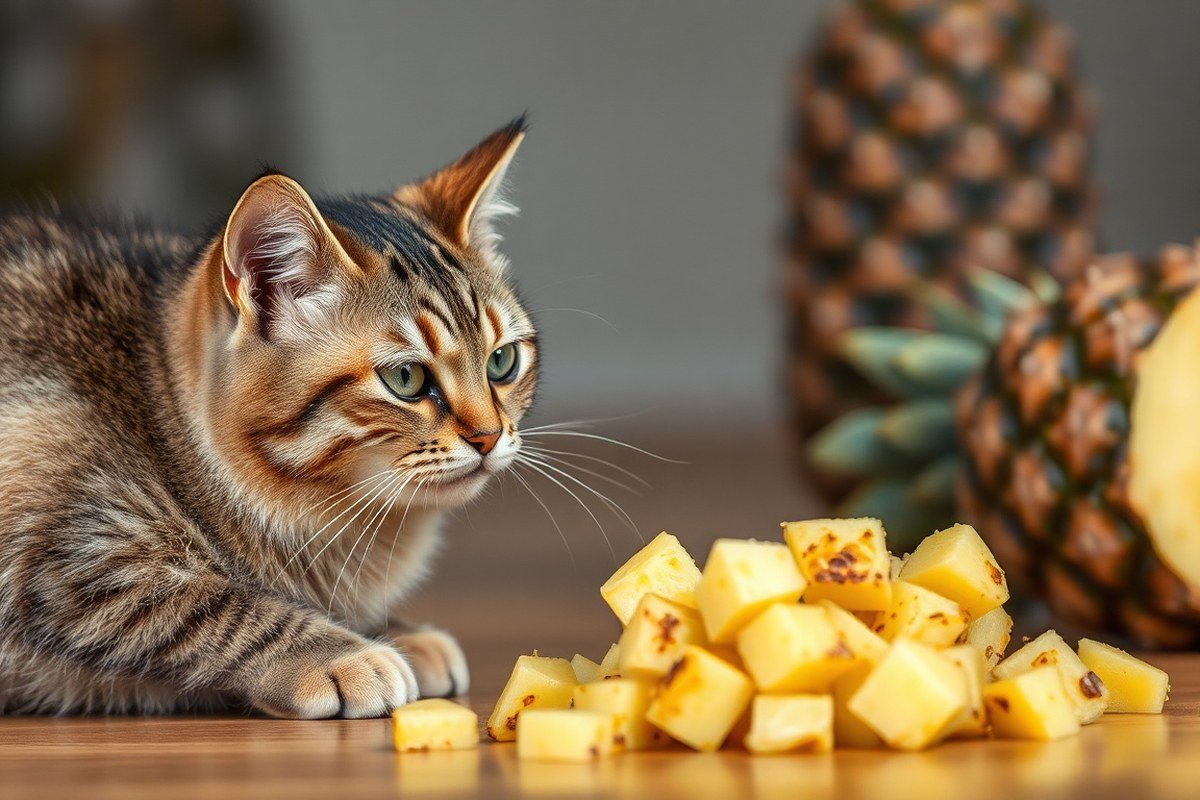
Not all cats like pineapple, and some may be allergic or sensitive to it. After offering pineapple, watch your cat closely for signs of Allergic reactions, which include drooling, swelling in the mouth, itching, or difficulty breathing. These symptoms usually appear within a few minutes to a couple of hours after eating. Notice these signs, and stop feeding pineapple right away, avoiding it going forward.
Mild sensitivity often shows as digestive upset like vomiting, diarrhea, or abdominal discomfort within 12 to 24 hours of consumption. Pineapple’s fiber and bromelain enzyme can irritate some cats’ stomachs, especially those with sensitive digestive systems. Your cat vomits or has diarrhea once or twice soon after pineapple, monitor closely but stay calm. Avoid giving pineapple again if these symptoms appear.
Serious reactions, such as persistent vomiting, severe diarrhea, lethargy, or difficulty breathing, require prompt veterinary attention. Contact a vet if symptoms last more than 24 hours or worsen. Overconsumption poses risks too; feeding too much pineapple regularly can lead to weight gain, dental problems, or repeated gastrointestinal distress. A small bite or occasional piece should not cause problems for most cats.
Your cat eats too much pineapple, keep an eye out for discomfort or health changes during the next day. Offer plenty of fresh water to help flush their system and withhold pineapple until they recover. In cases where you can’t reach a veterinarian immediately but are concerned, contacting the Pet Poison Helpline (855-764-7661) can provide guidance on next steps. Moderation and careful observation are key to safely including pineapple as an occasional treat.
Comparing Pineapple Types: Fresh, Canned, Dried, and Frozen Options
Cats can safely eat small amounts of Fresh pineapple since it contains natural moisture and nutrients beneficial in tiny doses. Fresh pineapple is mostly water and fiber, which can assist with hydration if your cat tends to drink less. Make sure to remove the skin and core, as these parts are tough and can cause digestive upset.
Canned pineapple is not recommended for cats because it is usually packed in syrup or juice high in added sugars. These sugars may lead to digestive issues and contribute to obesity or other health problems in cats. Also, canned pineapple lacks the natural texture and moisture of fresh pineapple, which lowers its benefit.
Dried pineapple is also a poor choice for cats. Since the drying process concentrates the sugars, even a small piece of dried pineapple can have high sugar content that is not suitable for cats. The stickiness can make it hard for cats to chew or swallow safely and the sugars increase the risk of dental problems.
Frozen pineapple retains most of the nutrients of fresh pineapple and can be served in small, thawed pieces. It offers the same hydration benefits as fresh pineapple but may be more convenient as a stored treat. Avoid offering pineapple juice or smoothies, since concentrated sugars and acids in liquid form can irritate your cat’s digestive tract and provide no advantage over fresh chunks. To keep it simple, use this rough guide on pineapple types for cats:
| Type | Suitability for Cats | Key Notes |
|---|---|---|
| Fresh | Safe in small amounts | Remove peel and core; hydrating |
| Canned | Not recommended | Contains sugary syrup; no added benefit |
| Dried | Not recommended | High sugar concentration; sticky texture |
| Frozen | Safe if thawed and served in small pieces | Convenient; similar benefits to fresh |
| Juices/Smoothies | Not recommended | High sugar, acids can irritate digestive system |
Safe Fruit Alternatives to Pineapple for Cats
Safe fruit alternatives to pineapple for cats include small pieces of melon, blueberries, and peeled apple slices. These fruits also provide hydration with their high water content, which is gentle on your cat’s digestive system. Melon, such as cantaloupe or honeydew, is a good option since cats often enjoy its scent and it is low in calories. Blueberries offer antioxidants, though in small amounts, while apples provide some fiber. Unlike pineapple, these fruits don’t contain bromelain, an enzyme that can be mildly irritating to some cats.
Some fruits can be fed to cats more regularly than pineapple, because they tend to be easier to digest or less likely to cause sensitivity. For example, melon pieces can be given a few times a week in tiny bites under a teaspoon. Apples and blueberries should still be treats, limited to no more than 10% of treats overall. When introducing any fruit, start with a pea-sized amount and watch for vomiting or diarrhea for 24 hours.
Cats should avoid grapes, raisins, cherries, and citrus fruits entirely, as these can cause serious health issues or toxic reactions. Also steer clear of fruits with pits or seeds that are a choking hazard or toxic, like peaches and plums. Using fresh, washed fruit without added sugar or syrup is critical since canned or candied options may contain harmful sweeteners.
To introduce new fruits safely, cut a small piece, ideally less than 1/4 inch cube, and offer it by hand or mixed lightly into a familiar wet food meal. Observe your cat’s interest and any digestive effects over the next day. If everything goes well, you can offer occasional treats 1, 2 times a week. Avoid feeding large quantities or switching fruits rapidly to prevent stomach upset.
Step-by-Step Action Plan for Introducing Pineapple to Your Cat
Follow these steps to offer pineapple safely and watch how your cat reacts to this new treat.
- Before You Start: Choose fresh or frozen pineapple without added sugar or syrup, and prepare small, bite-sized pieces. Avoid canned or dried pineapple due to preservatives and high sugar content.
- Day 1: Offer a tiny piece, about the size of a pea, and observe your cat for any unusual reactions over the next 24 hours.
- Day 3: If no signs of sensitivity appear, give a slightly larger piece, about the size of a blueberry, and monitor for digestive changes like vomiting or diarrhea.
- Week 1: Continue offering small pineapple treats a couple of times a week, checking for consistent tolerance and enjoyment.
- Week 2: Limit pineapple treats to a maximum of 5% of your cat’s daily calorie intake to prevent overconsumption of sugar and acid.
- After 2 Weeks: If your cat enjoys pineapple without any adverse effects, you can occasionally include it as a healthy treat, keeping portion sizes small.
- Ongoing: Watch for any late signs of digestive upset or allergies and stop feeding pineapple immediately if they develop. Consult your vet if concerns arise.
Frequently Asked Questions
Can Pineapple Cause Digestive Upset in Cats?
Pineapple can cause mild digestive upset like diarrhea if fed in large amounts due to its high fiber and sugar content. Offer only small, infrequent servings to avoid gastrointestinal issues.
Can Pineapple Trigger Allergies in Cats?
Pineapple is uncommon as an allergen for cats, but some may show sensitivity or allergic reactions. Watch for itching or swelling after feeding and stop if symptoms appear.
How Much Pineapple Is Safe for a Cat to Eat at Once?
A few small chunks, about one or two teaspoons, is a safe serving size. This limits sugar intake and reduces the risk of stomach upset.
Can Kittens Have Pineapple Safely?
Kittens should avoid pineapple because their digestive systems are more sensitive. Wait until they are older before offering small amounts as a treat.
Is Pineapple Juice Safe for Cats?
Pineapple juice is not recommended due to concentrated sugars and lack of fiber. It can lead to rapid blood sugar spikes and digestive issues in cats.
The Bottom Line
You can safely give your cat small amounts of fresh pineapple occasionally, as long as you prepare it properly and watch for any signs of sensitivity. Start slow to make sure your cat tolerates the fruit, and remember to keep the portions small to avoid digestive problems. Try a tiny piece today, and observe how your cat reacts to this sweet, tropical treat.