Can Cats Eat Popcorn Safely? A Complete Guide with Risks and Tips
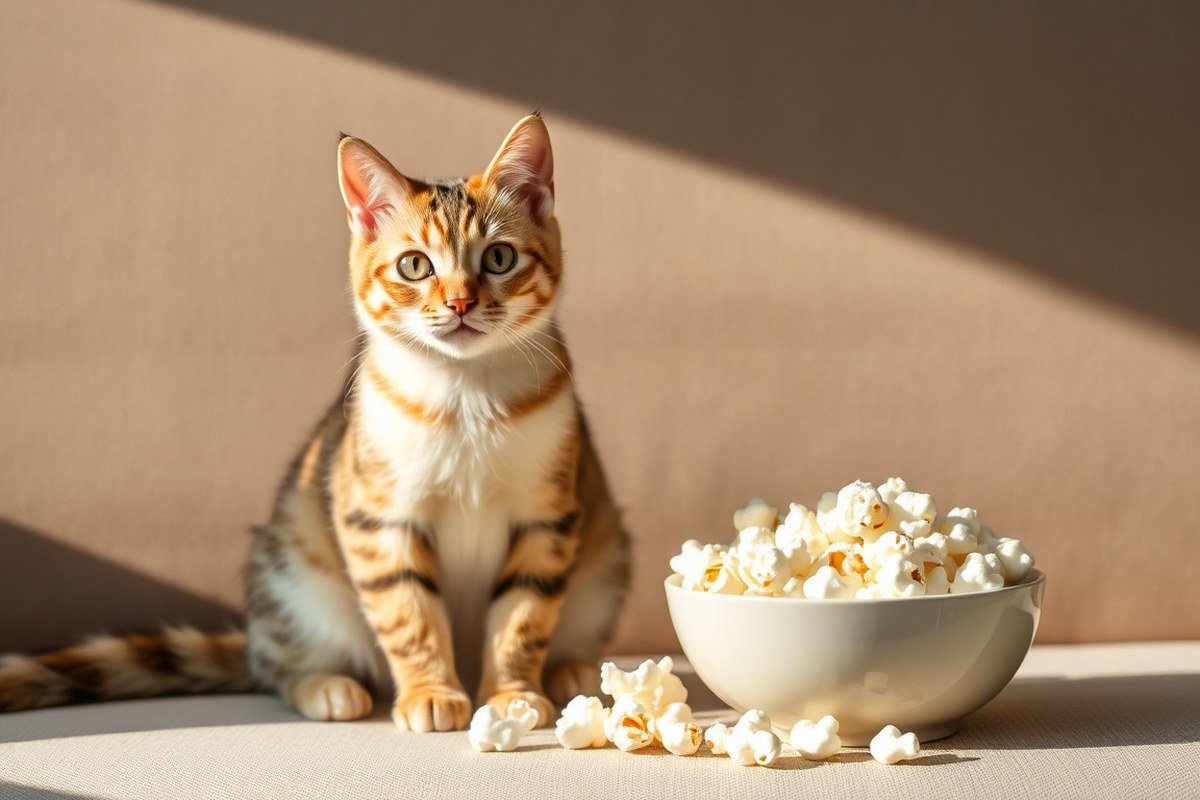
Can cats eat popcorn? Plain, air-popped popcorn without salt, butter, or seasoning is not toxic but has no nutritional benefit for cats. Avoid giving your cat flavored or buttered popcorn due to risks like choking and toxic ingredients. Offer popcorn only in very small amounts and always monitor your cat carefully.
Key Takeaways
- Only offer plain, air-popped popcorn with no salt, butter, or oil to minimize health risks.
- Avoid microwave, movie theater, or flavored popcorn because they contain harmful additives for cats.
- Unpopped kernels pose a serious choking hazard and should never be given to cats.
- High fat in buttered popcorn can cause pancreatitis, a dangerous condition in cats.
- Salted popcorn increases the risk of salt poisoning, which causes vomiting and excessive thirst.
- Seasonings like onion and garlic powder are toxic and can cause anemia in cats.
Is Popcorn Safe for Cats to Eat?
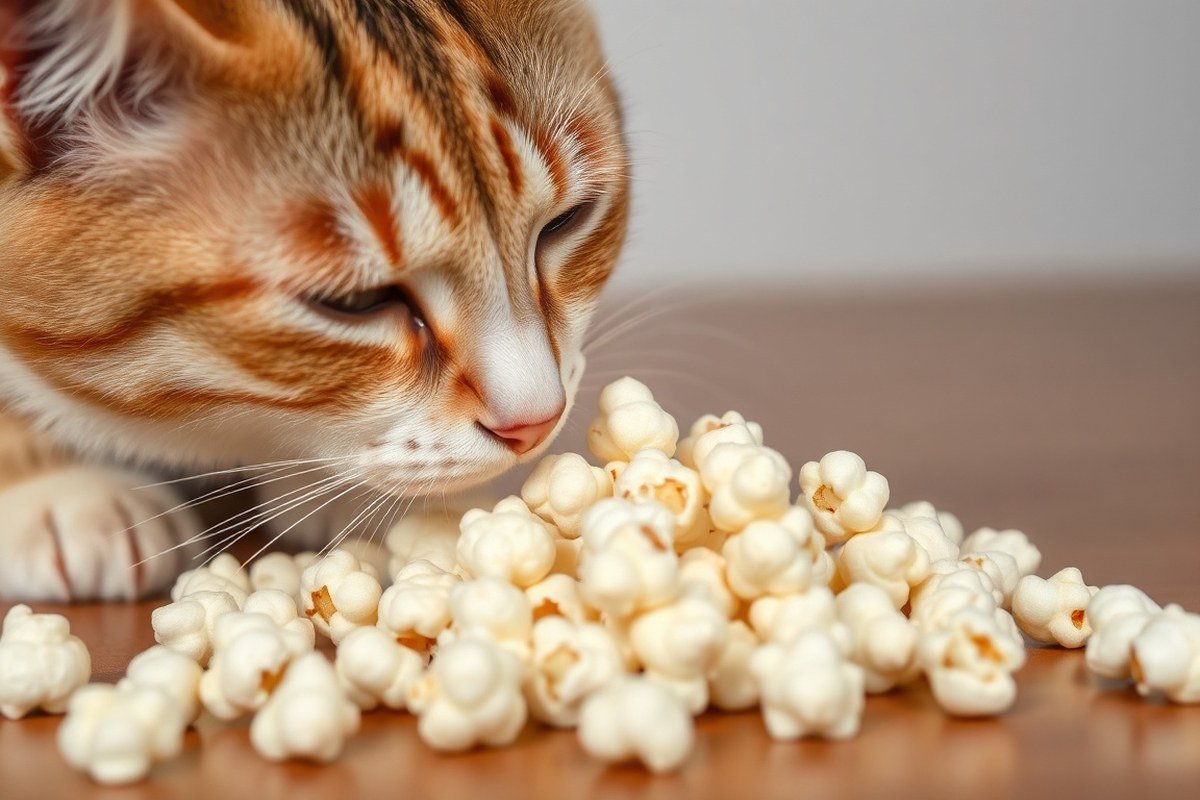
Popcorn itself is not toxic to cats, which means it won’t poison your feline friend if they nibble on a plain piece. However, safety depends heavily on the form of popcorn offered. Only Plain, air-popped popcorn without any additives like butter, salt, or oil poses the least risk. Even then, it’s not recommended as a regular treat due to choking hazards and zero nutritional value. Many cats have been known to enjoy the occasional unflavored popcorn kernel, but these pieces can be hard and oddly shaped, increasing the chance they might get stuck in their throat.
Popcorn prepared with butter, oil, or salt is unsafe. Butter and oil add fat that can lead to pancreatitis, a serious inflammation of the pancreas common in cats exposed to fatty foods. Salted popcorn risks salt poisoning, which can cause symptoms like vomiting, excessive thirst, tremors, or seizures. Microwave popcorn and movie-theater popcorn usually contain artificial flavors, chemicals, and high salt or fat, making them harmful to cats. Sweetened varieties like caramel or kettle corn introduce sugar, which cats don’t need and can contribute to obesity and diabetes.
| Form | Safe for Cats? | Notes |
|---|---|---|
| Plain, air-popped popcorn without any added salt, butter, or oil is the best choice for your cat. | ⚠️ Caution, not recommended | Least dangerous form but still presents a choking hazard |
| Plain, oil-popped popcorn | ❌ No | Extra fat increases pancreatitis risk |
| Salted popcorn | ❌ No | Risk of salt poisoning |
| Buttered popcorn | ❌ No | High fat content can cause pancreatitis |
| Microwave popcorn | ❌ No | Contains salt, butter, artificial flavors, chemicals, and oils |
| Movie theater popcorn | ❌ No | Extremely high salt and fat content |
Remember that cats are obligate carnivores, meaning their diet should mainly consist of protein from animal sources. Carbohydrates like those found in popcorn offer no nutritional benefits. Therefore, even plain popcorn does not contribute to a healthy feline diet. While a tiny amount of plain popcorn is unlikely to cause harm, offering it regularly or in larger amounts increases risks with no rewards. It’s best to avoid sharing human snacks that provide no nutritional value and carry safety concerns.
What Are the Risks of Feeding Popcorn to Cats?
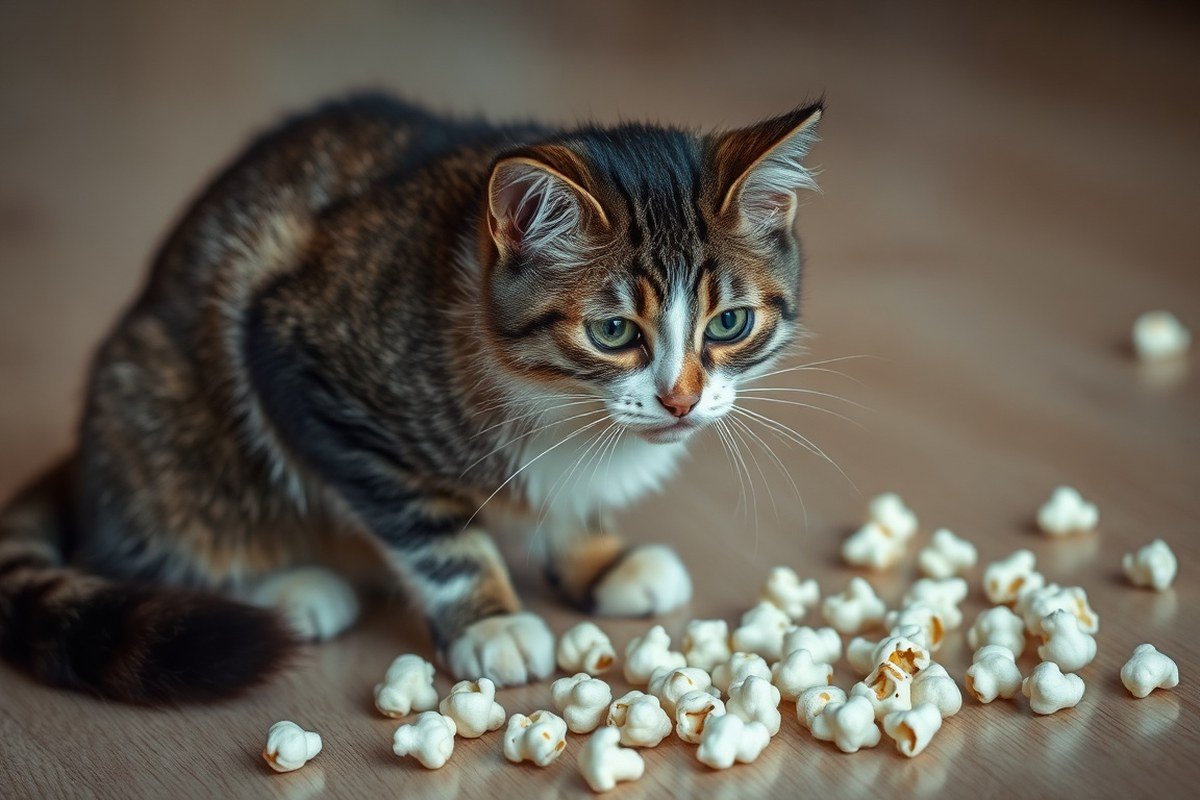
Popcorn can pose several risks for cats, especially when it contains additives. Unpopped kernels and hard pieces risk choking since cats have small throats and less chewing ability. This can lead to coughing, gagging, or even airway blockage. Salted popcorn introduces Sodium poisoning dangers, causing symptoms like increased thirst, vomiting, tremors, or seizures if consumed in any amount. Buttered or oiled popcorn raises the risk of pancreatitis, a serious inflammation of the pancreas marked by vomiting, abdominal pain, and lethargy due to high fat content. Flavored popcorn with cheese, caramel, or BBQ usually contains onion or garlic powders, sugar, and other toxic ingredients that cats cannot safely digest.
Even plain, air-popped popcorn is not a natural or necessary part of a cat’s diet, providing mostly empty calories and fiber cats don’t need, which in larger amounts can cause digestive upset. Feeding more than 10 pieces risks gastrointestinal issues such as diarrhea or constipation. Buttered varieties greatly increase fat intake, driving pancreatitis risks higher. Salted versions boost sodium intake by hundreds of milligrams per 100 grams, dangerous for cats sensitive to salt. Flavored popcorn often contains toxic ingredients, with onion and garlic powder causing damage to red blood cells and sugar harming kidney health.
| Symptom | Possible Cause | What to Do |
|---|---|---|
| Coughing, gagging | Choking on kernels or hard pieces | Remove objects if visible, contact vet if persistent |
| Vomiting, increased thirst, tremors | Salt poisoning from salted popcorn | Call vet immediately, monitor hydration |
| Vomiting, lethargy, abdominal pain | Pancreatitis from buttered/oiled popcorn | Seek veterinary care promptly |
| Diarrhea, constipation | Digestive upset from excessive fiber or additives | Limit intake, monitor stool, consult vet if prolonged |
Butter, salt, and artificial flavors make popcorn a risky treat that often outweighs any enjoyment for your cat. Unpopped kernels cause choking risk, while additives can lead to poisoning or pancreatitis. Limiting popcorn to small amounts of plain, air-popped pieces and removing unpopped kernels reduces dangers but does not eliminate all concerns. Cats with existing health issues or those very young or senior should avoid popcorn completely. Offering safer alternatives, like small pieces of cooked chicken or specially formulated cat treats, provides nutrition without these risks.
How to Feed Popcorn to Cats Safely If You Choose To
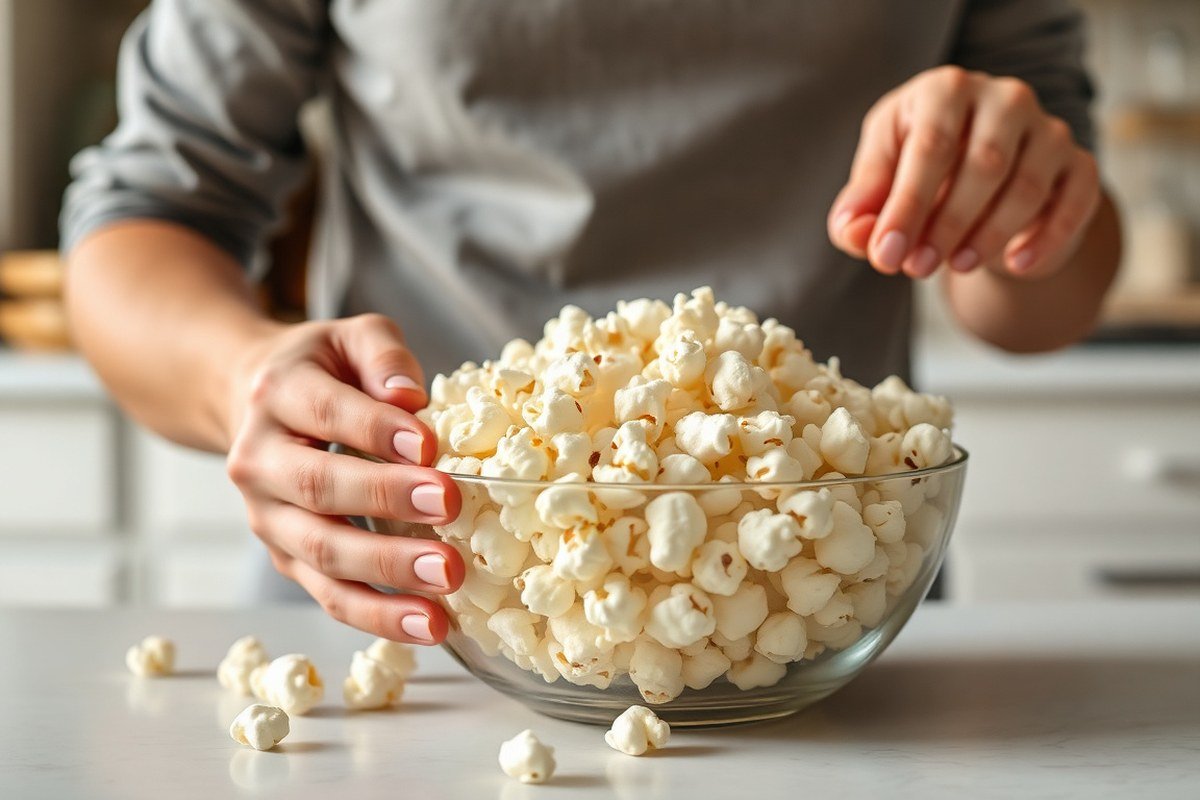
To feed popcorn to your cat safely, stick to plain, air-popped popcorn without any additives like salt, butter, or flavorings. These additives can upset your cat’s digestive system or cause more serious health issues. Remove all unpopped or partially popped kernels since they pose a choking hazard and are difficult for cats to digest.
Limit popcorn to just a small piece or two at a time, roughly the size of a pea or smaller. This portion is enough to satisfy a curious cat without contributing empty calories or risking digestive trouble. Always observe your cat after offering popcorn to catch any signs of discomfort or allergic reaction.
- Use plain, air-popped popcorn only
- Remove all unpopped and partially popped kernels
- Offer no more than a pea-sized piece or two at once
- Check ingredient labels to avoid additives
- Keep popcorn bowls and bags out of your cat’s reach
- Watch your cat for any adverse reactions
- Choose safer treat alternatives periodically
Given popcorn’s low nutritional value and possible risks, you might consider healthier snack options like plain cooked chicken or turkey, freeze-dried meat treats, or small amounts of pumpkin or green beans. These provide protein or fiber that benefits your cat and avoid the concerns tied to popcorn. If you want a quick treat, commercial cat treats formulated for feline nutrition are another good route.
Recognizing Popcorn-Related Health Problems in Cats
Recognizing popcorn-related health problems in cats means knowing the signs from mild stomach upset to emergencies like choking or poisoning. Popcorn kernels, especially unpopped ones, are about the size of a small rock and can easily get stuck in your cat’s throat since their trachea is only about half an inch wide. Signs your cat might be choking include gagging, retching, pawing at the mouth, trouble breathing, and blue gums. These call for immediate action: perform a feline Heimlich maneuver if you know how, and get your cat to an emergency vet without delay. Never wait to see if the problem resolves on its own, as choking can rapidly become life-threatening.
After eating popcorn, Watch for symptoms of salt poisoning, especially if your cat consumed salted or buttered popcorn. Excessive thirst, vomiting, and diarrhea occurring within 1 to 6 hours should prompt you to call your vet. More severe signs like tremors or seizures within 2 to 12 hours require urgent veterinary care. These symptoms signal the salt levels in your cat’s body may be dangerously high.
High fat content from butter or oil can also cause pancreatitis in cats. Vomiting more than twice, lethargy, or abdominal pain characterized by a hunched posture within 2 to 12 hours after eating popcorn means you should contact your vet immediately or seek emergency care. Mild stomach upset or decreased appetite alone still warrants a vet call to rule out complications.
With popcorn made from unseasoned, plain kernels, monitor your cat quietly for any vomiting, diarrhea, lethargy, or coughing. If no symptoms appear within 24 hours, they’re likely fine. However, any sign of illness after eating popcorn means contacting your vet promptly. Emergency steps include keeping your cat calm, not attempting to induce vomiting or give human medications, and getting professional care when needed to avoid complications and ensure your pet’s safety.
Special Considerations for Kittens, Seniors, and Cats with Health Issues
Kittens, senior cats, and cats with health issues require special care regarding popcorn consumption. Kittens are still developing their digestive systems and are especially sensitive to any non-nutritive foods like popcorn. Even plain popcorn can cause gastrointestinal upset, such as vomiting or diarrhea, because their bodies are not used to digesting high-carbohydrate, low-protein snacks. Seniors also face increased risks as their metabolism slows and organ function declines, making them more prone to obesity and diabetes if fed empty-calorie treats like popcorn regularly. Cats with diabetes or obesity need strict dietary management, and popcorn’s carbohydrate content can worsen these conditions.
Cats may sometimes show interest in popcorn due to its texture and smell, rather than nutritional value. However, this curiosity should not override your responsibility to keep their diet balanced and safe. Since popcorn lacks essential nutrients for cats, feeding it should only be an occasional, very small treat. A single plain popped kernel, once or twice a month, won’t cause harm in healthy adult cats but avoid any added oils, butter, or salt to reduce risks.
When handling cats with vulnerabilities, Avoid popcorn altogether or consult a veterinarian. For example, if your senior cat enjoys popcorn, try substituting with cat-safe treats designed for their age group instead. For kittens, focus on high-quality kitten food that meets their specific nutritional needs. Cats with existing health problems should never receive popcorn as a snack, since even mild digestive upset can complicate treatment or worsen their condition.
Step-by-Step Action Plan for Safely Introducing Popcorn to Your Cat
Follow these steps to determine if popcorn can be a safe occasional treat for your cat while monitoring their health closely.
- Before you start: Confirm your cat has no existing health issues like diabetes or dental problems.
- Day 1: Offer a tiny piece of plain, air-popped popcorn without salt or butter. Watch for any immediate adverse reactions.
- Day 3: If no issues appeared, offer one or two small pieces again. Observe their appetite and digestion over the next 24 hours.
- Week 1: Continue offering small popcorn treats no more than once a week. Note any changes in behavior or stool consistency.
- Week 2: If your cat handles popcorn well, you may continue this limited treat schedule. Always avoid additives like salt, butter, or oil.
- Ongoing: Monitor for signs like vomiting, diarrhea, choking, or changes in chewing habits. If any occur, stop feeding popcorn immediately.
- After 1 month: Review your cat’s overall health and consult your veterinarian before maintaining popcorn as a treat.
Frequently Asked Questions
Can Cats Eat Popcorn Kernels?
No, unpopped kernels are a choking hazard and can damage their teeth.
Can Cats Eat Popcorn with Cheese Seasoning?
No, cheese seasoning often contains salt and additives harmful to cats.
Can Popcorn Cause Allergies in Cats?
Yes, some cats may react to popcorn or its additives with digestive upset.
Is It Okay to Give Cats Popcorn as a Treat Every Day?
No, frequent popcorn can lead to obesity and nutritional imbalance.
Can Popcorn Hulls Cause Problems for Cats?
Yes, hulls can irritate a cat’s digestive tract and cause discomfort.
Wrapping Up
Popcorn isn’t toxic to cats but should only be given in small amounts and never with seasonings or oils. Watching how your cat responds to tiny, plain pieces helps keep them safe. Try offering a single plain kernel to see if your cat enjoys it before considering it an occasional treat. Always prioritize your cat’s health by consulting your vet if any concerns arise.