Can Cats Fart? What Causes It and How to Manage Cat Gas Safely
Can cats fart? Yes, cats do produce gas as part of their normal digestion, though it tends to happen less frequently compared to dogs or humans. Gas forms when their gut breaks down food, especially if digestion isn’t smooth. Paying attention to your cat’s diet and gradual food changes helps minimize unpleasant gas.
Key Takeaways
- Gradually switch your cat’s food over 7 to 14 days to prevent digestive upset and excess gas.
- Choose high-quality cat food with up to 77% easy-to-digest meat and avoid pea proteins to reduce toots.
- Monitor the frequency and smell of your cat’s gas to spot possible food intolerances or allergies.
- Notice if gas is accompanied by vomiting, diarrhea, or changes in appetite, as these may signal health issues.
- Consult your veterinarian for persistent or foul-smelling gas, especially if symptoms worsen or recur.
- Consider a diet trial with lower carbohydrates or different protein sources under vet guidance to manage gas.
Can Cats Really Fart? How Their Digestion Produces Gas
Yes, cats do fart. Like many animals, cats have the biological system necessary to produce and release gas through the anus. This gas comes from two main sources. First, cats swallow small amounts of air as they eat or drink, especially if they gulp their food quickly. Second, gas is created during digestion when bacteria in the gut ferment undigested food.
Cats usually fart silently because the gas escapes slowly or in small quantities. This small amount of gas explains why many owners don’t often notice their cats farting. Some cats might occasionally pass gas loudly, but that is less common. The frequency of farting varies by cat, influenced mostly by diet and how quickly they eat.
Swallowing air contributes to more gas in the digestive tract. Cats that eat or drink hurriedly tend to swallow more air. This air, combined with bacterial fermentation during digestion, increases gas buildup. In some cases, certain foods like dairy can irritate a cat’s digestive system, leading to more frequent or smellier gas.
Because gas production depends on diet, digestive health, and gut bacteria, cats don’t fart as often as some other animals. When gas is excessive or smells particularly bad, it could indicate an underlying issue like digestive disturbances or parasites. Normal cat gas happens occasionally and quietly, stemming from swallowed air and natural bacterial activity inside the intestine.
Why Do Some Cats Have Smelly or Frequent Gas?
Cat gas odor and frequency depend largely on diet, digestion, and gut bacteria. Foods high in protein or rich ingredients can produce more smelly gas, as they often generate sulfur-containing compounds leading to a rotten-egg smell. Wet cat foods sometimes contain ingredients harder for some cats to break down, causing increased gas production. Sudden diet changes can disrupt the gut flora, the community of bacteria responsible for digesting food, which affects both how often and how foul your cat’s gas smells.
Some cats are naturally more gassy than others due to their individual digestive health and eating habits. Cats that eat quickly or swallow a lot of air while eating tend to have more frequent gas. Gut health imbalances, such as an overgrowth of harmful bacteria, reduce digestion efficiency and increase gas volume and odor. Cats with food allergies or intolerances often produce excess, foul-smelling gas.
Intestinal parasites like worms can cause both gas and other symptoms such as vomiting, diarrhea, and weight loss. Parasites interfere with nutrient absorption and digestion, leading to increased gas. Inflammatory bowel disease is another condition that causes digestive disturbances, including frequent and smelly gas.
Noticing a change in your cat’s gas pattern can be important. Tracking when and how often your cat passes gas, alongside any changes in appetite or stool, helps determine if the cause is diet-related or a health issue. Consult a vet if your cat shows signs of discomfort, bloating, or if the gas suddenly smells worse after meals. Addressing stress is also key, as anxiety can disrupt digestion and increase flatulence.
How to Tell If Your Cat’s Gas Is Normal or a Health Concern
Gas in cats is usually normal if it happens occasionally and your cat otherwise acts healthy. Signs that the gas is normal include steady eating and drinking habits, maintaining weight, producing normal stool, and showing no discomfort in the abdomen. If your cat passes gas now and then but seems happy and active, you likely don’t need to worry. Occasional flatulence is simply part of how some cats digest their food.
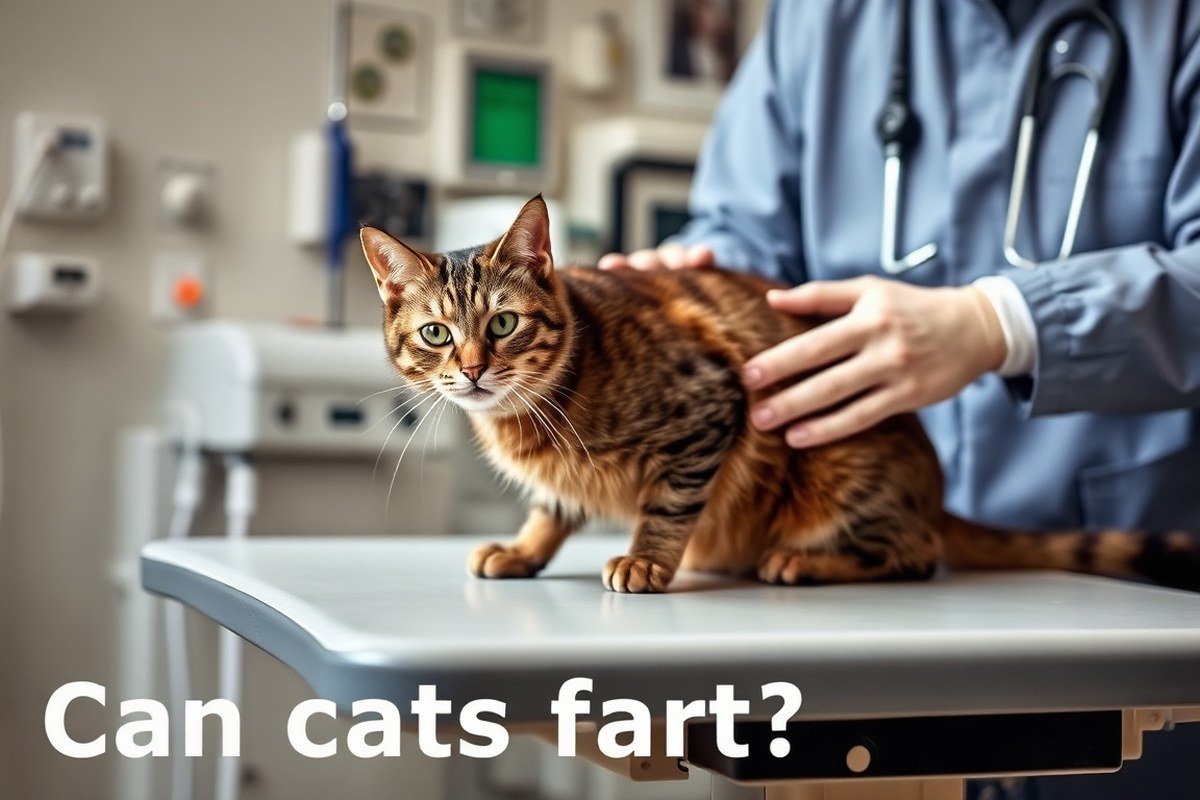
The situation changes if the gas becomes frequent, noticeably foul-smelling, or is accompanied by other symptoms. Watch for vomiting, bloating, bloody stool, diarrhea, refusal to eat or drink, or signs your cat is in abdominal pain when touched. According to veterinary sources, these symptoms suggest gastrointestinal issues like dietary intolerance, infections, or allergies, all of which require veterinary attention. Flea allergies, for example, may cause vomiting and diarrhea along with gas, so vet consultation is important.
Use this decision approach: If your cat’s gas is occasional and there are no other symptoms, continue monitoring while maintaining their usual routine. Contact your vet if the gas increases in frequency, smell, or is paired with any of the worrying signs mentioned. A vet can then diagnose causes and recommend treatments such as dietary changes or probiotic supplements like FortiFlora. Catching problems early can prevent discomfort and more serious illness.
Contacting the vet involves a quick phone call or visit, typically costing $50 to $150 depending on your clinic and location. Many pet insurance plans include 24/7 vet access, which helps address concerns promptly. In short, watch your cat’s overall health alongside their gas patterns; persistent or severe symptoms should never be ignored.
Safe Ways to Reduce and Manage Your Cat’s Gas
Relieving your cat’s gas starts with managing diet and feeding habits carefully. A sudden change of food often causes gas, so always introduce new diets gradually over 7 to 10 days to avoid digestive upset. You can switch by mixing a small amount of the new food with the old, increasing the new portion daily until the transition is complete.
Feeding habits also affect gas. Cats that eat too quickly tend to swallow excess air, which leads to gas and bloating. Offering smaller, more frequent meals or using puzzle feeders can slow down their eating pace. Limiting or stopping table scraps and treats helps prevent exposure to ingredients that could irritate the digestive system.
- Transition food slowly over one to two weeks to reduce stomach upset
- Feed smaller portions more often to prevent gulping air
- Avoid sudden introduction of high-fiber or carbohydrate-rich foods
- Keep a consistent feeding routine in a low-stress, calm environment
- Stop giving unplanned treats if gas increases after new snacks
- Monitor your cat’s stool, appetite, and behavior for other signs of digestive trouble
Stress influences digestion and can make gas worse, so providing a stable environment with predictable routines helps your cat’s gut health. Results from diet changes usually take about a week, sometimes a bit longer, to show improvement in gas frequency and smell. If gas persists despite these steps or comes with diarrhea, vomiting, or lethargy, consult your veterinarian. They might recommend diagnostic tests or a specialized food trial tailored to your cat’s needs.
What to Expect During Veterinary Diagnosis and Treatment of Cat Gas
Veterinarians diagnose excessive or problematic gas in cats through a combination of physical exams and diagnostic tests. Initially, the vet will check for abdominal swelling, pain, or tenderness and ask about symptoms like vomiting, diarrhea, appetite changes, or weight loss. These signs, especially if new or worsening, can indicate underlying gastrointestinal disorders that cause excess gas.
Diagnostic steps often include fecal analysis to identify parasites or infections and blood work to check organ function and inflammation. Imaging tests such as abdominal X-rays or ultrasounds help pinpoint blockages, abnormal gas accumulation, or organ abnormalities. These exams usually cost between $100 and $300, depending on location and the tests ordered. Accurate diagnosis guides effective treatment and rules out serious conditions that could cause discomfort and health risks.
Treatment for cat gas depends on the underlying cause. Simple cases related to diet or mild digestive upset may improve with dietary changes. Vets often recommend high-quality, easily digestible food or specialized diets to reduce fermentation and gas production. Infections or parasites require targeted medications like antibiotics or dewormers, prescribed based on test results.
In cases involving inflammation or more serious disorders, vets may prescribe anti-inflammatory drugs or probiotics to restore a healthy gut balance. Treatments usually take several days to weeks, with follow-up visits to monitor progress. Good results mean reduced gas frequency, better stool quality, and improved appetite and energy. Persistent or worsening symptoms need further investigation to avoid complications such as discomfort or malnutrition.
Step-by-Step Action Plan to Manage Your Cat’s Gas
Follow these steps to identify and address your cat’s gas issues effectively.
- Day 1: Start tracking your cat’s diet and note any foods that might trigger gas. Look for changes in stool or behavior.
- Week 1: Switch to a high-quality, easily digestible cat food, avoiding sudden diet changes. Watch for reductions in gas frequency and smell.
- Week 2: Monitor your cat’s hydration and encourage water intake. Proper hydration supports digestion and may ease gas symptoms.
- Week 3: Evaluate your cat’s eating habits to prevent gulping or overeating, which can increase swallowed air and gas.
- Week 4: Introduce probiotics formulated for cats after consulting your veterinarian and gauge any improvement in digestion.
- After 1 Month: If gas persists or is causing discomfort, schedule a vet visit for a professional diagnosis and treatment plan.
Frequently Asked Questions
Can Cats Fart Out Loud Enough for a Person to Hear?
Some cats may occasionally release loud farts, but typically their gas escapes quietly without much sound.
Do Cats Swallow Air Differently Than Dogs?
Yes, cats swallow less air while eating or drinking, which may lead to less frequent flatulence compared to dogs.
What Types of Food Cause Cats to Fart More?
Foods that are difficult to digest, especially those high in certain proteins like pea proteins, can cause more gas in cats.
Are There Any Breeds More Prone to Gas in Cats?
No specific cat breeds are notably more prone to gas; diet and health status matter more than breed.
Can Stress Cause a Cat to Have More Gas?
Stress can affect digestion in cats, sometimes leading to increased gas, but it is usually not the primary cause.
Before You Go
Cats can indeed pass gas, and usually, it’s a normal part of their digestion. Persistent or particularly foul-smelling gas may signal an underlying health issue requiring veterinary care. Start by observing your cat’s diet and behavior, then make gradual changes to identify what helps most. Taking prompt steps will support your cat’s comfort and overall health.