
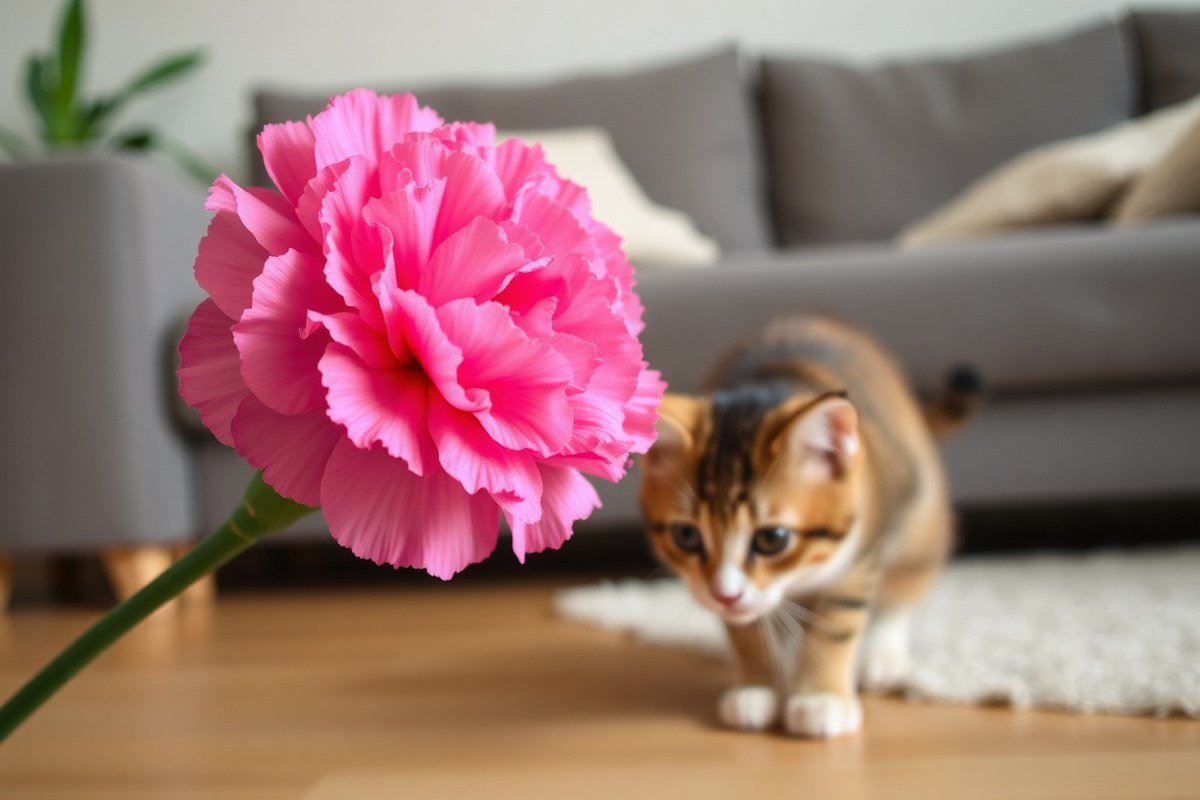
Are Carnations Toxic to Cats? Complete Guide to Risks, Symptoms & Safety
Are carnations toxic to cats? Yes, carnations are mildly toxic to cats and can cause stomach upset if ingested. The best way to protect your cat’s health is to avoid having carnations in your home and choose pet-safe flowers instead.
If your cat does chew on carnations, observe them closely and contact your vet if symptoms worsen. Early action helps prevent complications.
Key Takeaways
- Carnations usually cause mild gastrointestinal irritation within 1-2 hours of ingestion in cats.
- Most cats recover fully within 24 to 48 hours with proper care and monitoring.
- Vomiting or diarrhea lasting more than 24 hours signals the need for veterinary attention.
- Avoid all carnation plants, products, and fragrances to reduce the risk of toxicity.
- Veterinarian visits for suspected carnation poisoning can cost between $75 and $3,000 depending on care needed.
- Use only vet-approved, 100% non-toxic flowers as safe alternatives in homes with cats.
Are Carnations Toxic to Cats and How Serious Is It?
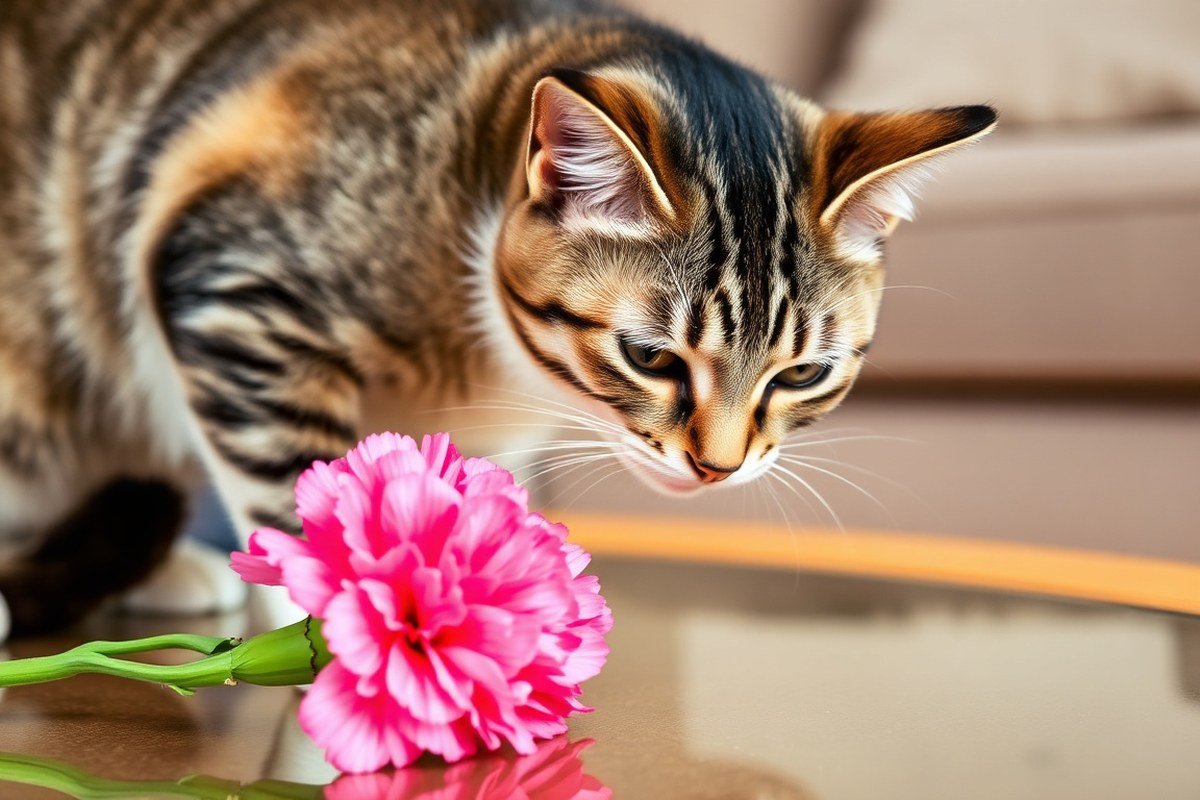
According to the American Society for the Prevention of Cruelty to Animals (ASPCA), carnations, known scientifically as Dianthus caryophyllus, are only mildly toxic to cats. These flowers contain an unknown irritant that can cause minor digestive upset, including symptoms such as drooling, vomiting, and diarrhea. Contact with the petals or leaves may also result in mild skin irritation for cats. Typically, these symptoms are short-lived, lasting under 24 hours, and are not usually severe.
Even though carnations are toxic, the level of risk is significantly lower compared to highly toxic plants like lilies, which can cause fatal kidney failure in cats. Carnation poisoning usually does not require emergency treatment. However, you should still monitor your cat closely if you suspect it has chewed on or ingested any part of a carnation, as reactions can vary depending on the cat’s sensitivity, age, or overall health.
In addition to the flower itself, potted carnations pose extra hazards because the potting soil, fertilizers, and pesticides used around the plant are also toxic to cats. This increases the risk even if the cat doesn’t consume the carnation directly. Mild symptoms from carnation toxins generally show up quickly but tend to improve within 24 hours with basic care. More severe or prolonged symptoms are rare but may require veterinary attention to rule out any other causes or complications.
Common Symptoms When Cats Eat Carnations
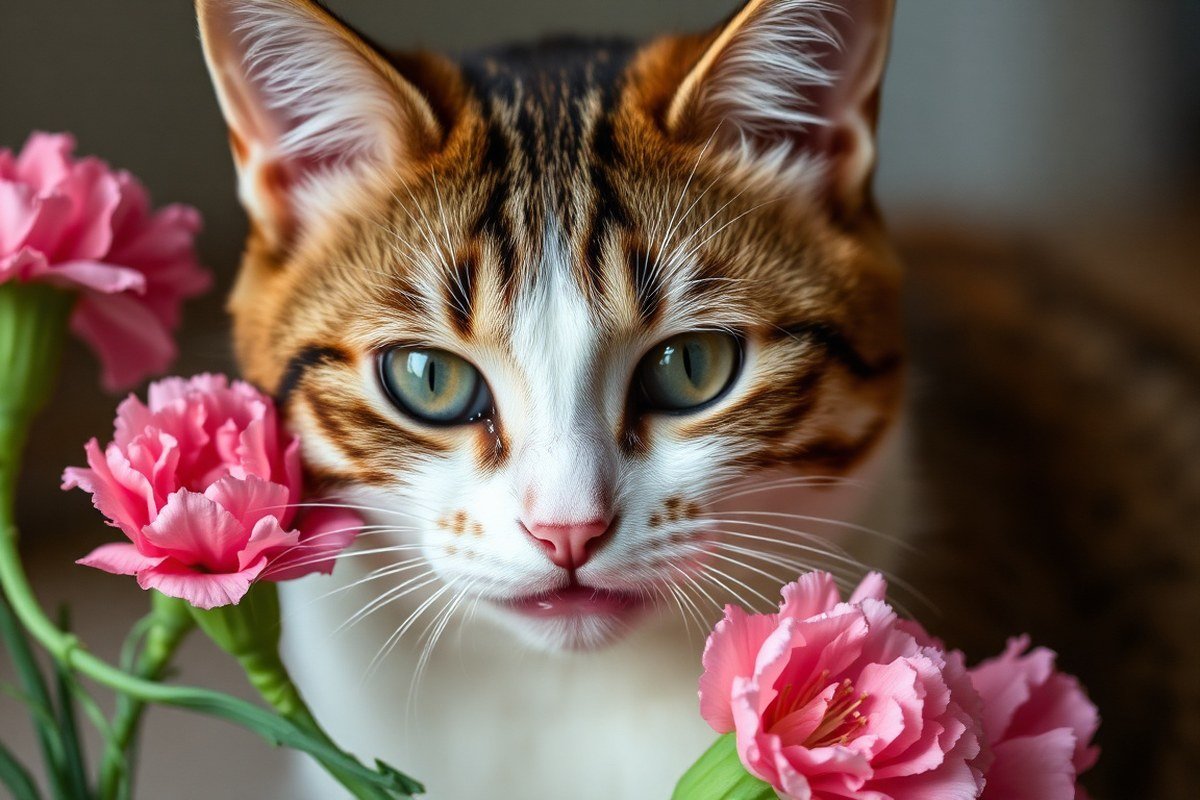
Signs of carnation ingestion in cats usually appear within one to two hours after they consume any part of the plant. Common symptoms include drooling, vomiting, diarrhea, and pawing at the mouth. These develop because compounds in the carnation cause mild irritation in the mouth and upset the digestive system. Although symptoms tend to be mild, affected cats may seem restless or lose interest in food due to discomfort.
To monitor your cat after suspected carnation ingestion, watch closely during the first couple of hours. Initially, you may see drooling or lip licking as your cat tries to soothe mouth irritation. Vomiting or diarrhea often follows within that 1-2 hour window, signaling the digestive system’s reaction. Symptoms that worsen, become intense, or last more than 12 hours require a vet visit, particularly for kittens, senior cats, or those with weakened immune systems.
The timeline to observe is straightforward: symptom onset generally occurs Within 1-2 hours, peaks around 3-4 hours, and should improve within 12 to 24 hours with no intervention in mild cases. Lack of improvement or worsening signs after 24 hours means professional evaluation is needed. Variations may occur depending on the amount of carnation your cat ingests and their individual sensitivity. Even mini carnations or different color varieties like red, white, or pink cause similar mild symptoms, so treat all carnations as equally concerning.
Why Carnations Cause Mild Toxic Reactions in Cats
Carnations contain triterpenoid saponins, chemical compounds responsible for their mild toxic effects on cats. When a cat chews or ingests parts of the carnation plant, including petals, leaves, stems, or pollen, these saponins can irritate the digestive system, causing symptoms like mild gastrointestinal upset. The effects are generally limited to this irritation and sometimes mild skin inflammation if the plant contacts the cat’s skin. This contrasts with more dangerous plants, such as lilies or tulips, which contain highly toxic compounds that can cause severe kidney damage or systemic poisoning in cats.
The mild toxicity of carnations is largely why adverse reactions are usually manageable and less severe. Unlike the potent alkaloids or glycosides found in some other common garden plants, carnations’ saponins cause only superficial and temporary symptoms. Their effects rarely progress to serious illness or organ damage, but discomfort can prompt a vet visit. It’s also worth noting that while the plant itself carries these mild toxins, any pesticides or chemicals applied to carnations could add additional risk and should be avoided to minimize potential poisoning.
The scent or pollen from carnations does not pose a significant toxic risk to cats. Unlike some plants whose airborne pollen or strong fragrances can trigger respiratory distress or allergic reactions, carnations’ mild toxicity requires direct contact or ingestion. Still, physical contact with the plant may cause slight skin irritation in sensitive cats.
Compared to other plants like jade plants, which also cause mild toxicity but sometimes more widespread symptoms, carnations rank on the lower end of the toxic scale. Managing access to carnations in your home is generally a sufficient precaution. Removing carnations or replacing them with confirmed cat-safe flowers prevents exposure to their saponins and reduces any risk of mild skin or digestive issues related to contact or nibbling.
How to Recognize When Carnation Toxicity Requires Veterinary Care
Call a vet immediately if your cat has eaten carnations and starts showing signs that get worse or do not improve. Mild symptoms like slight vomiting or mild skin irritation often respond to home monitoring, but your cat should see a professional if these signs persist beyond 24 hours or intensify. Difficulty breathing, continuous vomiting, refusal to eat or drink, lethargy, or severe skin reactions mean you need veterinary care without delay.
Although carnation poisoning is usually mild, it can still cause discomfort and lead to other complications if left untreated. Your vet may run tests to rule out other serious conditions because carnation symptoms can mimic illnesses like infections or allergies. Getting an early professional assessment helps confirm the cause and ensures the right treatment.
Use this Decision rule checklist after suspected carnation ingestion: Watch your cat for any symptoms within the first hours, and note their severity. When no signs appear, contact your vet or poison control for advice. Mild gastrointestinal or skin symptoms require reporting to your vet; follow their monitoring plan closely. Should symptoms worsen or fail to improve, take your cat to the clinic promptly.
Veterinary costs can vary widely but expect an initial consultation to range from $50 to $150. Additional diagnostics and treatment depend on your cat’s condition but seeking care early can prevent more costly complications later. Good results look like your cat returning to normal behaviour and appetite within a day or two, while prolonged or escalating signs mean quicker action is necessary.
Step-by-Step First Aid for Cats After Eating Carnations
Begin by removing any remaining carnation pieces from your cat’s mouth to stop further ingestion. Don’t try to induce vomiting unless a vet specifically instructs you to do so, as this can cause more harm. Offer fresh water to help dilute any plant toxins in their system and encourage hydration.
Next, monitor your cat closely for symptoms like vomiting, drooling, or lethargy. Mild reactions are common because carnations are only mildly toxic, but symptoms can vary. Contact your veterinarian right away when signs get worse or don’t get better within a few hours. Having the plant sample or a clear description can help your vet assess the situation faster.
Keep your cat in a calm, quiet area to reduce stress during recovery. Avoid giving any over-the-counter medications unless your vet advises it. Most cats will recover within 24 to 48 hours if symptoms are mild, but persistent vomiting or diarrhea requires professional care to prevent dehydration. Your vet may recommend supportive treatments like fluids or medications if needed.
Avoid using floral sprays, preservatives, or fertilizers on flowers near cats, as these contain chemicals more harmful than the carnations themselves. For immediate home care, ensure your cat does not have access to carnations or similar plants again by placing any houseplants on high shelves or inside glass cabinets. This step will help prevent repeat exposure during recovery.
How Long Does Recovery Take from Carnation Poisoning?
Recovery from carnation poisoning in cats typically takes around 24 to 72 hours once treatment starts. Most cats with mild symptoms improve quickly if you remove the source of exposure and support them with hydration and rest. The Critical window for monitoring is the first two to three days, when symptoms like vomiting or drooling should subside. Symptoms lasting longer than this period, or signs of lethargy or worsening condition, mean you should contact your veterinarian right away.
During the first day after exposure, keep your cat in a calm, comfortable area away from other pets and reduce stress. Offer small amounts of fresh water frequently to prevent dehydration, but avoid forcing fluids unless instructed by a vet. Cats usually begin to eat normally within 24 to 48 hours if nausea decreases. Observing consistent improvement in appetite and energy levels indicates recovery is underway.
Costs depend on whether veterinary intervention is needed. Mild cases at home require time and attention but no direct cost. Veterinary care for your cat could include examination, fluids, and medications, with costs typically ranging from $100 to $300 based on your clinic and location. Prompt action reduces the risk of complications, keeping recovery time shorter and less expensive.
Recovery may take longer if your cat was exposed to carnation floral preservatives, like formaldehyde, which are more toxic. Cats exposed to these chemicals might need extended hospitalization and supportive care for several days. Always provide your vet with details about any floral products your cat ingested so they can tailor treatment accordingly.
After recovery, watch for any delayed symptoms such as continued vomiting or changes in behaviour. Follow-up veterinary checks ensure your cat’s health returns to normal. Most cats experience full recovery within a few days with proper care, emphasizing the importance of early response and close observation during the initial 72 hours after carnation ingestion.
Effective Strategies to Prevent Cats from Chewing on Carnations
The best way to protect your cat from chewing on carnations is to limit their access to the flowers. Cats are naturally curious and may be attracted to the texture or scent, so keeping carnations out of reach helps avoid accidental ingestion of something mildly toxic. Placing carnations on high shelves or in rooms your cat does not enter reduces risk significantly. You can also use deterrent methods that discourage chewing without harm.
Using cat-safe deterrent sprays with scents cats dislike can gently keep your furry friend away from your plants and flowers. These sprays are easy to apply and often cost under $15 for a bottle that lasts weeks. Another helpful behavior strategy is offering cat grass or other safe plants for nibbling, which may satisfy your cat’s urge to chew on greenery without exposing them to toxins. Consistency is key; repeating these practices prevents your cat from developing a habit of chewing on carnations.
- Place carnations on high shelves or in rooms inaccessible to your cat
- Use a cat deterrent spray around the base of the flowers
- Provide cat grass or safe plants to redirect chewing behavior
- Train your cat by gently discouraging approaches to carnations every time
- Keep bouquets in sturdy vases that won’t tip if your cat jumps nearby
- Avoid leaving fallen petals or leaves where your cat can find them
Continuing to offer environmental enrichment alongside safe plants reduces your cat’s interest in carnations. Training and environmental management together create a safe space for your pet without eliminating your enjoyment of flowers. Remember to check that any new plant or flower introduced is safe or kept out of your cat’s reach to maintain a healthy home.
Are Carnations Toxic to Other Pets Like Dogs?
Carnations pose mild risks to dogs similar to those they pose to cats. While carnations are not classified as highly toxic plants, dogs that chew on or ingest parts of a carnation may suffer from mild irritation. This can include symptoms like drooling, stomach upset, or vomiting. The causes are usually related to the plant’s natural compounds and the dyes or pesticides sometimes used on store-bought carnations. These effects are generally not severe but can vary if your dog eats a large amount.
Keeping carnations away from all pets is the safest approach. To protect your dog, cat, or any small household pet, place carnations out of reach, for example, on high shelves or in rooms pets do not access. This requires setting boundaries through physical barriers or training. Costs include purchasing plant stands or pet gates, which can range from $20 to $100 depending on options. Successfully preventing a pet from eating carnations means fewer vet visits and stress for both pets and pet parents.
If a dog does chew on carnations, watch for signs of mild poisoning for up to 24 hours. Provide fresh water and contact your veterinarian if vomiting or lethargy occurs. Different dog breeds and sizes can react differently; smaller dogs may have a stronger reaction to the same quantity ingested compared to larger breeds. You should act more quickly if your pet is a puppy or older dog, as they can be more vulnerable.
Safe Flower Alternatives for Cat-Friendly Homes
Choosing the right flowers for a home with cats is key to keeping your pets safe. While carnations are generally not highly toxic, selecting non-toxic flowers ensures you avoid any risk of mild to moderate reactions if your cat decides to nibble on them. Below is a comparison table of popular flowers considered 100% safe for cats to help you find suitable alternatives.
| Flower | Safety for Cats | Care Level | Typical Cost (US$) |
|---|---|---|---|
| Roses | Non-toxic and safe | Moderate (regular watering, sunlight) | 5 to 20 per stem |
| Sunflowers | Non-toxic and safe | Low (full sun, drought tolerant) | 3 to 10 per stem |
| Orchids | Non-toxic and safe | Moderate (humidity, indirect light) | 15 to 50 per plant |
| Spider Plant | Non-toxic and safe | Low (bright indirect light, occasional watering) | 10 to 20 per plant |
| Bamboo Palm | Non-toxic and safe | Moderate (low to medium light, regular watering) | 20 to 45 per plant |
Switching to these pet-friendly flowers involves moderate upkeep depending on the species. For example, orchids require some humidity and indirect light, while sunflowers need full sunlight but low water. Expect to spend $3 to $50 depending on your choice and size of the plant. You can find these options at local nurseries or florists. Introducing safe flowers reduces the chance your cat will get sick from accidental chewing, keeping your home vibrant and pet-friendly.
Step-by-Step Action Plan for Handling Carnation Exposure in Cats
Use this plan to respond quickly and keep your cat safe after any contact with carnations. Tracking progress helps you decide when to seek further help.
- Immediately after exposure: Remove any remaining carnation parts from your cat’s reach. Check for visible plant material around your cat’s mouth or fur.
- Within the first hour: Monitor your cat for symptoms like drooling, vomiting, or pawing at the mouth. Contact your vet right away when severe symptoms show up.
- Day 1: Keep your cat hydrated and offer bland food if vomiting stops. Watch closely for ongoing signs of discomfort or lethargy to know if recovery is underway.
- Day 2, 3: Continue symptom monitoring. Keep your cat away from carnations and watch their eating and bathroom habits for signs of getting better when they seem normal.
- After Day 3: If no symptoms persist, gradual return to normal activities is safe. Schedule a veterinary visit promptly when new or worsening symptoms develop.
- Prevention phase: Remove carnations and any other toxic plants from areas accessible to your cat. Replace them with approved pet-safe flowers to prevent future risk.
- Regular care: Educate family members and visitors about pet-safe plants. Review your home periodically to avoid accidental exposure to harmful plants like carnations.
Frequently Asked Questions
Are Carnations Toxic to Cats During All Growth Stages?
Carnations are mildly toxic to cats at all stages of growth, including buds and blooms. Toxic compounds remain consistent, so avoid exposing cats to any part of the plant to reduce risk.
Do Carnations Cause Allergic Reactions in Cats Aside from Toxicity?
Carnation pollen isn’t toxic but can trigger allergies in some cats. Watch for coughing or sneezing if your cat is around fresh carnations.
Can Dried Carnations Still Be Harmful to Cats?
Yes, dried carnations retain their mild toxicity, so keep dried flowers away from pets. Even dead plant material can cause mild symptoms if ingested.
Are There Safe Ways to Treat Carnations in Homes with Cats?
Using carnations in sealed vases or placing them out of reach can reduce risk. Consider pet-safe flowers if your cat is curious or prone to chewing.
Does Ingestion of Carnations Require Emergency Vet Care?
Usually, mild carnation toxicity doesn’t need emergency care unless symptoms worsen. Monitor your cat and consult a vet if vomiting or lethargy persist.
Final Thoughts
Carnations pose a mild risk but still demand care if your cat chews on them. Taking quick action to remove the plant and watching for symptoms protects your cat’s health. Start by ensuring your home only has plants safe for cats to keep them happy and toxin-free.