
Can Cats Have Blueberries? A Complete Guide to Safe Feeding and Benefits
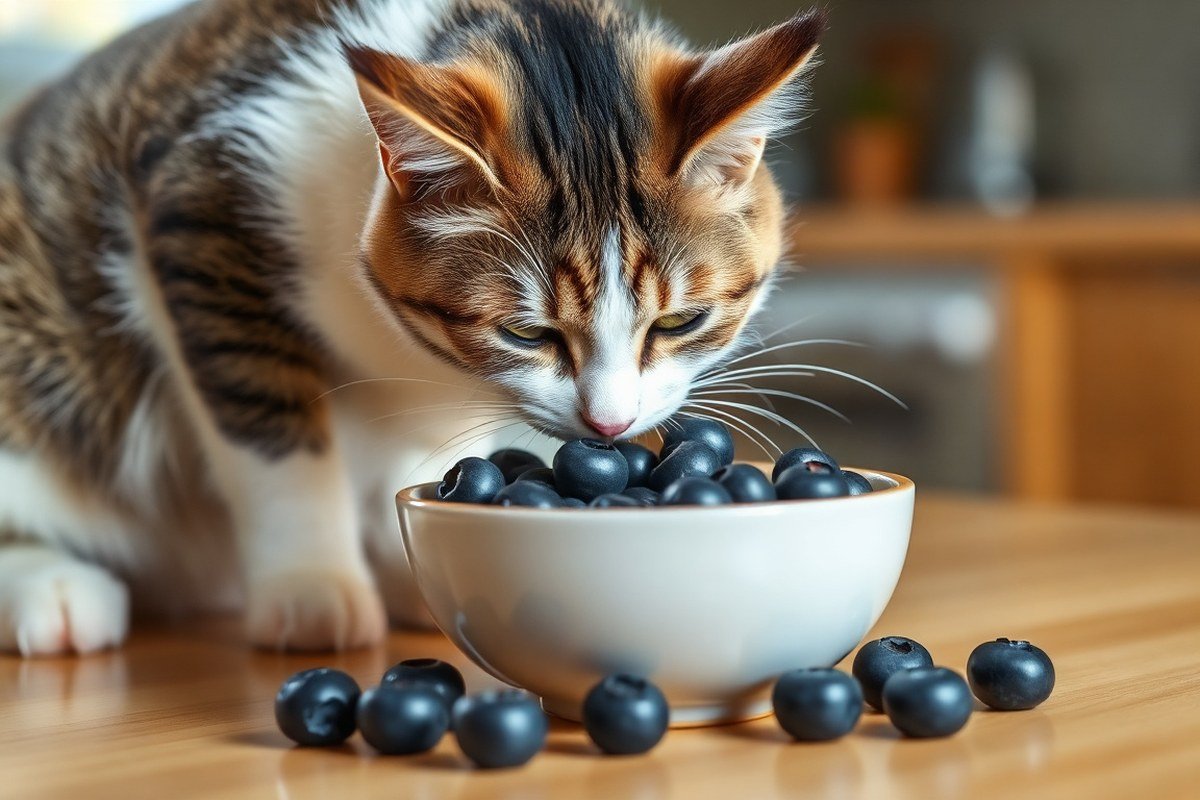
Can cats have blueberries? Yes, cats can safely eat blueberries in moderation because they provide vitamins and antioxidants that support immune health. Since cats are obligate carnivores, blueberries should make up less than 10% of their daily food intake. Start by offering just one blueberry to see how your cat reacts before increasing portions.
Key Takeaways
- Limit blueberries to under 10% of your cat’s daily calories to avoid unbalanced nutrition.
- Feed one to two blueberries per serving, depending on your cat’s size and weight.
- Offer blueberries once or twice a week as an occasional treat.
- Watch for adverse reactions for 48 hours after introducing blueberries for the first time.
- Choose fresh, washed blueberries rather than dried or processed versions.
- Always maintain a primarily meat-based diet, as cats require animal protein to stay healthy.
Are Blueberries Safe and Healthy for Cats?
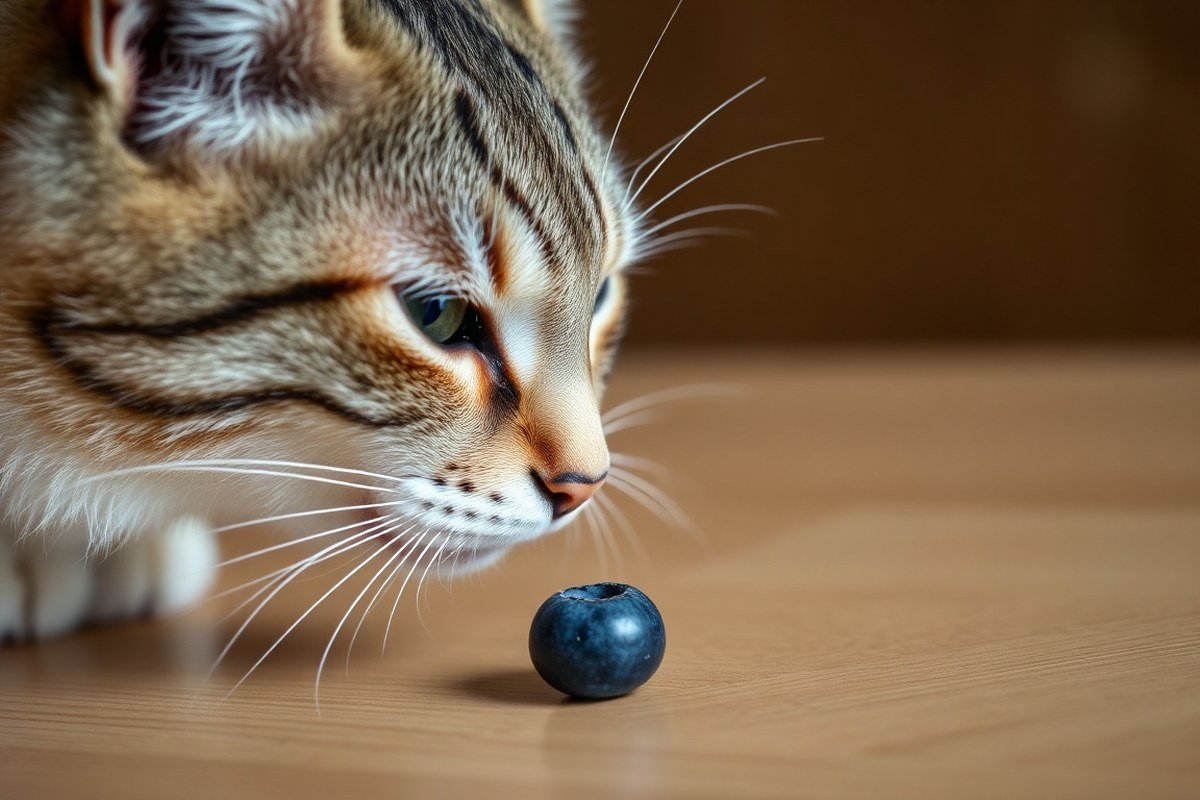
Cats can safely eat blueberries, and these small fruits offer some Nutritional benefits when given in moderation. Blueberries contain antioxidants, which help neutralize harmful free radicals in the body, and fiber, which can aid digestion. Including a few blueberries as an occasional treat can add minor health advantages without posing significant risks. However, because cats are obligate carnivores, their diet must primarily consist of meat and protein. Blueberries should never replace this core diet component and generally should make up less than 10% of their daily caloric intake.
Blueberries are not necessary for a cat’s diet since commercial cat foods typically provide all essential nutrients. Instead, they can serve as a safe and tasty snack if your cat shows interest. Removing stems and any pits is important before offering blueberries, as these parts might be harder for cats to digest or could cause choking. Offering a few small pieces mixed into your cat’s regular food is a practical way to introduce this fruit without disrupting their usual eating habits.
Potential risks with blueberries are minimal for most cats, but it is wise to watch for any signs of digestive upset or allergic reactions, especially when feeding them for the first time. Low quantities mean the chance of overfeeding sugar or fiber, which could cause stomach issues, is quite low. Following those precautions, blueberries can contribute Antioxidants and fiber to your cat’s nutrition, supporting overall health without replacing necessary animal protein.
How Many Blueberries Can I Safely Feed My Cat?
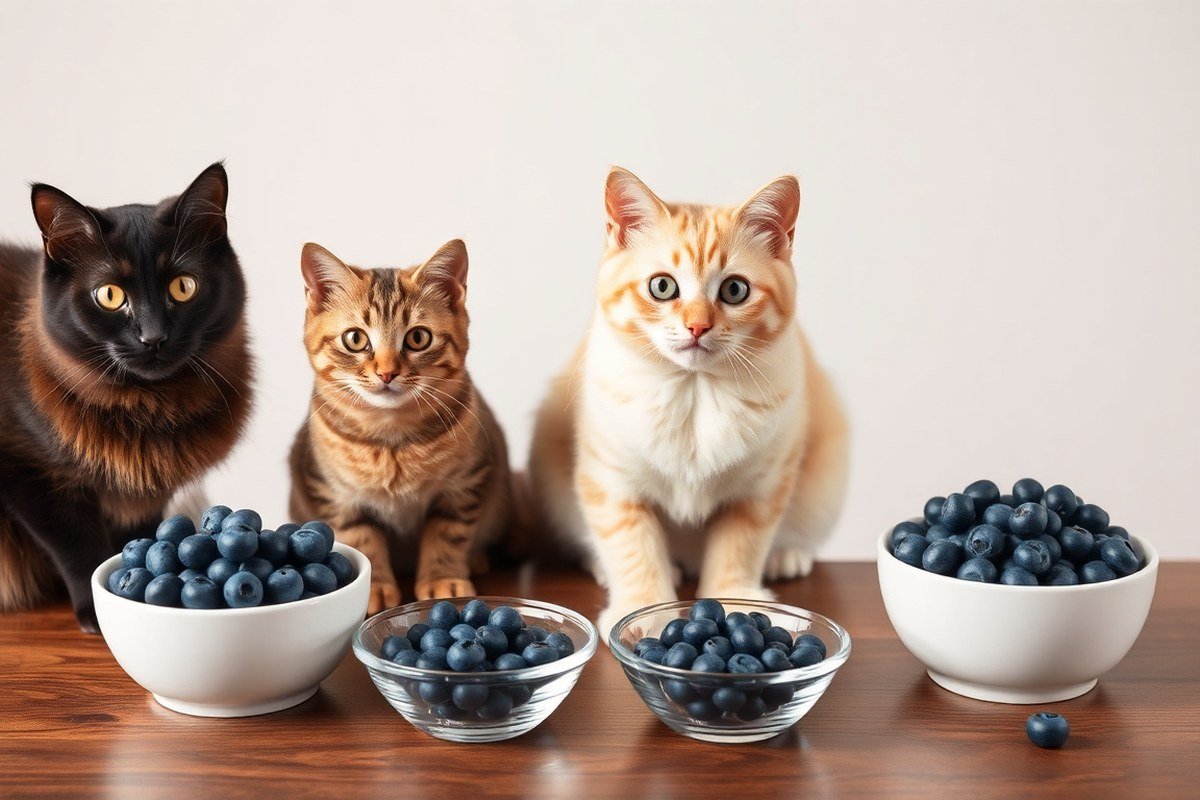
To feed blueberries safely to your cat, keep the serving size small and treat frequency limited. Blueberries and other treats should make up less than 10% of your cat’s daily calories. For example, a typical 9-pound adult cat can have about a quarter cup of blueberries without exceeding this limit, but that amount is too high to feed regularly since it could cause digestive upset. Start with just one or two berries to see if your cat likes them and monitor for any reactions over the next 48 hours.
Smaller cats under 5 pounds should only get 1-2 small blueberries once or twice a week. Cats weighing between 5 and 10 pounds can safely have 2-3 small blueberries, while those over 10 pounds may have up to 3-4 small blueberries at the same frequency. Always feed fresh, washed blueberries, and you may want to mash or cut them to reduce choking risk. Avoid giving blueberries daily; once or twice a week is enough to keep treats a minor part of the diet. Kittens are generally not recommended to have blueberries, since their digestive systems are still developing.
Here is a simple decision rule: calculate 10% of your cat’s daily calories, then convert that to the equivalent blueberry quantity. For example, if your cat usually needs 200 calories a day, treats including blueberries should total no more than 20 calories. Since blueberries contain roughly 1 calorie each, you can give about 1-4 berries depending on your cat’s size and calorie needs. Always adjust serving sizes downward if your cat has any history of digestive issues or lower activity levels.
Which Types of Blueberries Are Safe for Cats?

Fresh blueberries are the safest choice for cats. They contain no added sugars or preservatives, making them ideal for a small, occasional treat. Simply rinse fresh berries thoroughly to reduce pesticide residues, especially if they are conventionally grown. Organic blueberries can further reduce exposure to harmful chemicals. Offering one or two fresh blueberries at room temperature is a good starting point.
Frozen blueberries can also be safe and enjoyable, particularly during warm weather. The freezing process preserves nutrients, and serving a few thawed blueberries or slightly frozen ones can provide a refreshing snack. Just make sure the berries are plain, without added sugars or coatings, and avoid giving hard, frozen berries directly to prevent choking.
Dried blueberries are not recommended. They often contain added sugars and preservatives that can be harmful to cats. The higher concentration of sugars and the sticky texture increase the risk of digestive upset and dental issues. Likewise, processed products like blueberry muffins or baked goods should be avoided entirely. These often include ingredients such as sugar, flour, oils, and potentially toxic additives like chocolate or xylitol.
Blueberry extracts or supplements are generally not advised unless prescribed by a veterinarian, as their concentrations and additives can vary greatly. If pesticide exposure is a concern, washing fresh or frozen blueberries under cold running water for 30 seconds helps remove residues. Organic options cost more, typically $4 to $6 per pint versus $3 to $4 for conventional, but may offer better safety.
Serving tips include offering blueberries alone without mixing them into a meal, as cats are obligate carnivores and may reject unfamiliar foods combined with their regular diet. Monitor your cat for any adverse reactions like vomiting or diarrhea, especially when introducing new forms. Avoid giving dried or processed blueberries regularly to prevent health issues related to excess sugar and additives.
How to Introduce Blueberries Safely to Your Cat’s Diet
Start by consulting your veterinarian before offering blueberries to your cat, especially if your cat has health concerns like diabetes or kidney issues. Use fresh or fully thawed blueberries without any added sugars, chocolate, or coatings, as these can be harmful. Rinse the blueberries under cool water to remove any pesticides or dirt before feeding.
Introduce blueberries slowly and in small amounts. Begin with a single, small blueberry cut into halves or quarters depending on your cat’s size. Monitor your cat closely for 24 to 48 hours for any signs of digestive upset like vomiting, diarrhea, or unusual behaviour. If no adverse reactions appear, you may offer blueberries occasionally as a treat, but keep the quantity minimal, no more than one or two small pieces per serving.
Keep the texture plain and simple; do not cook, bake, or freeze blueberries before feeding, as these methods can affect their nutritional value or introduce dangerous substances if sweeteners or toppings are involved. For cats with sensitive stomachs, mashed or pureed blueberries might be easier to digest, but observe the reaction carefully.
A safe way to offer blueberries is by mixing small pieces into their regular wet food or simply placing them on a plate for sniffing and tasting. Avoid offering blueberries too frequently, as they are not a dietary necessity and excessive fruit can cause filling without proper nutrients. Also, watch for signs like excessive scratching, swelling around the mouth, or lethargy, which require a prompt vet visit. By following this step-by-step introduction and using a checklist, consult vet, use plain fresh berries, start with a small piece, watch for adverse signs, limit quantity, you can add blueberries as a novel snack that enriches your cat’s eating experience without risking their health.
What Are the Risks and Signs of Blueberry-Related Problems in Cats?
Blueberries can cause digestive upset in cats if given in excess. The sugar and fiber content may lead to vomiting, diarrhea, or gas. Watch closely for symptoms like persistent vomiting or diarrhea, as these can indicate intolerance or an allergic reaction requiring prompt veterinary attention. Allergies to blueberries are uncommon but possible, and any signs such as swelling, itching, or difficulty breathing should be treated as emergencies.
Choking presents another risk, especially with whole blueberries. Smaller cats or those that eat quickly are more vulnerable. To reduce this risk, cut blueberries into smaller pieces before offering them. This is particularly important for kittens and senior cats who may have weaker swallowing reflexes.
The best approach is to observe your cat carefully after introducing blueberries. If you see any digestive issues, stop feeding the fruit immediately. Monitor symptoms for up to 24 hours. Severe or persistent signs mean it’s time to contact your vet. Cats with preexisting health conditions, like pancreatitis, may be more sensitive to the sugars in blueberries and should avoid them altogether.
Your troubleshooting checklist after feeding blueberries should include watching for vomiting, diarrhea, gas, choking signs like gagging or coughing, and any rapid changes in behavior like lethargy or agitation. Early detection of adverse effects can prevent more serious complications. Always introduce blueberries slowly and in small amounts to limit these risks while identifying any intolerance.
Are Blueberries Suitable for Kittens, Senior Cats, and Diabetic Cats?
Kittens can have blueberries in very small amounts, but you should be extra cautious. Their digestive systems are still developing, and introducing any new food should be done slowly. Offer just a tiny piece, about half a blueberry, once and observe how they react over 24 hours. When they show no signs of stomach upset, you might consider this an occasional treat. Avoid giving blueberries regularly until your kitten is older than six months. This helps prevent any risk of digestive issues or allergic reactions while ensuring they get balanced nutrition primarily from kitten food.
For Senior cats, blueberries may be given with caution. Older cats often have more sensitive stomachs or conditions like kidney disease and dental problems, so fruits with natural sugars like blueberries might not always be a good fit. When your senior cat is healthy, a small blueberry (or a quarter of one) as a rare snack can provide antioxidants that support immune health. Always check with your vet before adding any new treats, especially if your cat has chronic illness. Monitor for any changes in appetite, vomiting, or diarrhea after trying blueberries.
Diabetic cats should generally avoid blueberries because of their natural sugar content. Even small amounts can affect blood glucose levels and complicate diabetes management. Blueberries might contain about 1 gram of sugar per berry, which adds up quickly if given in several pieces. The risk of blood sugar spikes outweighs the potential antioxidant benefit. Stick to vet-approved snacks low in carbohydrates. Strict control over diet is essential for diabetic cats to prevent dangerous fluctuations in blood sugar and maintain overall health.
Consider that blueberries offer mild hydration and antioxidants but have limited nutritional value specifically for cats. Cats, including kittens and seniors, need diets designed for their carnivorous nature, rich in protein and low in sugars. Blueberries can be a Rare treat for healthy cats but not a dietary staple. Testing small portions slowly while watching for any adverse effects remains the safest approach to sharing this fruit with your feline family member.
Step-by-Step Action Plan for Feeding Blueberries to Your Cat
Begin by offering a small amount of blueberries and observe how your cat responds to confirm this fruit is a suitable and pleasant snack.
- Before you start: Choose fresh or frozen plain blueberries. Avoid flavored or sweetened blueberry products.
- Day 1: Offer one small blueberry cut in half to see if your cat is interested and can tolerate it.
- Day 3: If no adverse reactions occur, offer one whole blueberry as a treat once a day.
- Week 1: Monitor your cat’s stool, appetite, and behavior for any signs of digestive upset or allergies.
- Week 2: You can give up to three small blueberries occasionally, but never exceed about 5% of your cat’s daily calories.
- Ongoing: Always wash blueberries thoroughly before feeding and never feed the stems or leaves.
- Whenever unsure: Stop feeding blueberries and consult your veterinarian if you notice vomiting, diarrhea, or signs of distress.
Frequently Asked Questions
Can Cats Eat Frozen Blueberries?
Yes, cats can eat frozen blueberries in small amounts. Thaw them first to avoid choking hazards and introduce slowly to observe tolerance.
Is It Safe to Feed Cats Blueberry-Flavored Treats?
Blueberry-flavored treats often contain additives and sugars; they’re not recommended. Choose fresh blueberries instead for a healthier option.
Can Blueberry Juice Harm My Cat?
Blueberry juice is not safe due to high sugar and possible additives. Stick to fresh blueberries in moderation.
Are Blueberries Good for Cats’ Urinary Health?
Blueberries may offer antioxidants but aren’t proven to improve urinary health in cats. Consult a vet about diet concerns.
Do Blueberries Affect a Cat’s Weight?
Blueberries have low calories, but feeding too many can add unnecessary calories. Limit treats to keep your cat’s weight stable.
Before You Go
Blueberries can be a safe, low-calorie treat when fed in moderation to most cats. Watching your cat closely and starting with small amounts helps you avoid any problems. Pick fresh blueberries and keep servings small. Try offering a single blueberry today and see how your cat responds before making it a regular treat.