
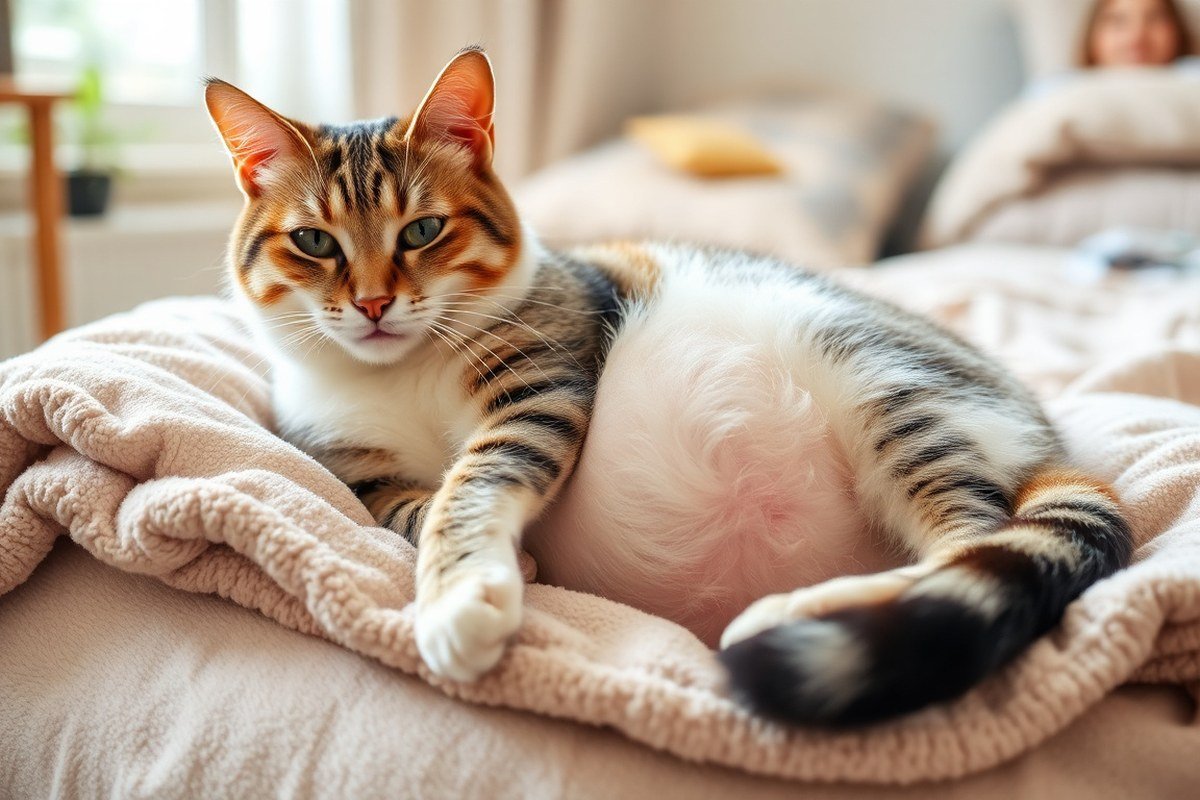
How Long Are Cats Pregnant for: A Complete Guide with Timelines and Care Tips
How long are cats pregnant for? Cats are usually pregnant for about 60 to 65 days, roughly two months. The pregnancy length can vary slightly, ranging from 58 to 72 days, but most cats deliver kittens around 63 to 65 days after conception. Early pregnancy signs may be subtle, so tracking the breeding date helps estimate delivery.
Key Takeaways
- Cat pregnancy typically lasts between 60 and 65 days, with 63 to 65 days being the average gestation period.
- Pregnancy length can vary from 58 to 72 days, influenced by factors like the cat’s health and litter size.
- A cat can become pregnant as early as four months old, making early reproductive care important.
- Recognize early pregnancy signs carefully, as changes may be minimal in the first two weeks.
- Use the breeding date or veterinary exams, such as X-rays after 45 days, to estimate how far along the cat is.
- Cats can get pregnant again soon after giving birth, sometimes within two weeks if exposed to a male.
How Long Are Cats Pregnant for Exactly?

A typical cat pregnancy lasts about 63 to 65 days, roughly nine weeks or two months. This timeline marks gestation from ovulation to birth, with kittens developing steadily during this period. The full range where pregnancy length is considered normal spans from 58 to 72 days, depending on factors like mating timing, litter size, and breed. Knowing this range helps you track progress and prepare for delivery accurately.
Pregnancy in cats is divided into three roughly equal trimesters, each about 20 days long. During the first trimester (days 1 to 20), embryos implant and early development occurs, often before noticeable signs appear. The second trimester (days 21 to 40) features rapid fetal growth and changes such as a growing belly. In the final trimester (days 41 to birth), you may observe nesting behaviors and other signs that labor is approaching.
Natural variations in pregnancy length come from several causes. The exact timing of ovulation relative to mating influences when development begins. Litter size also plays a role: larger litters often result in a shorter pregnancy, while smaller litters can carry longer. Plus, different cat breeds may have slight gestation variations due to genetics. Because of these factors, a cat delivering anywhere between 58 and 72 days after conception is usually within the normal range.
Here’s a comparison to clarify typical pregnancy lengths: about 58, 61 days is the shortest normal period, 63, 65 days is the average, and up to 72 days is extended but still healthy. For example, if you note mating but are unsure of ovulation, adding approximately two days gives a better estimate of pregnancy age and helps you anticipate the kitten’s arrival more accurately.
Recognizing Pregnancy Signs and Estimating How Far Along She Is
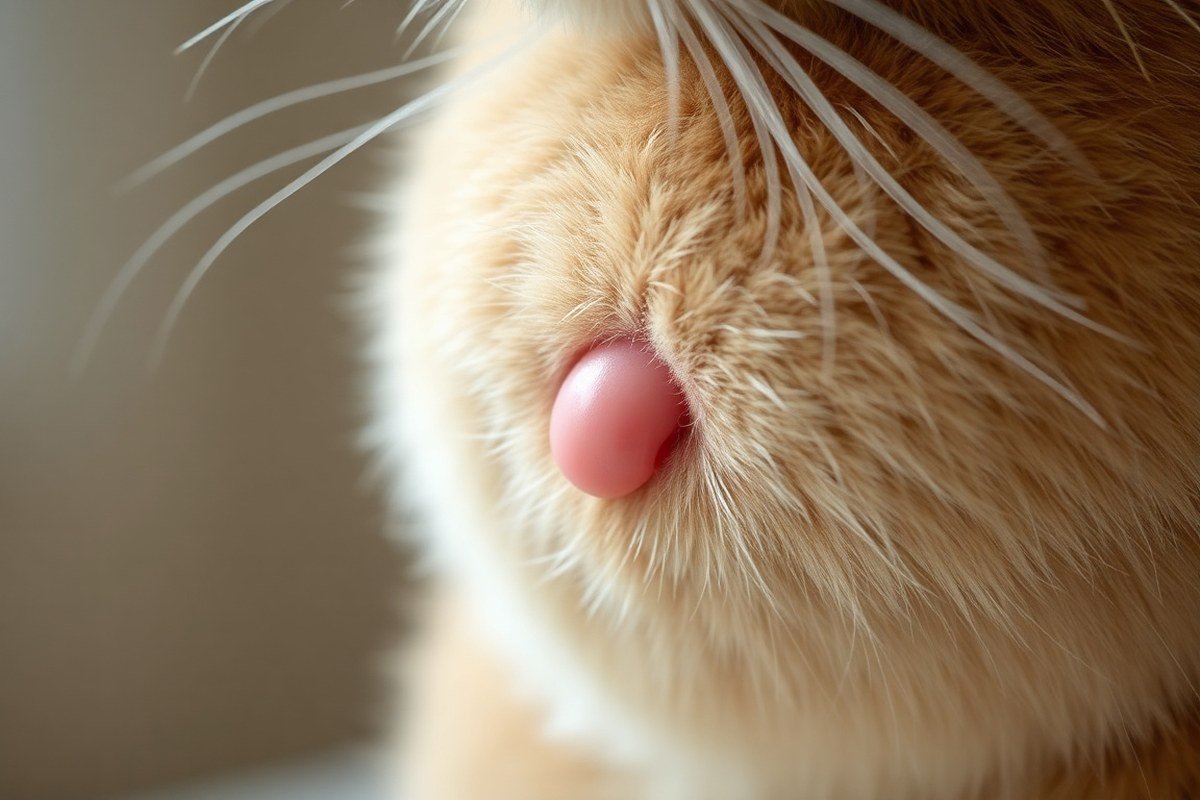
Early pregnancy in cats usually shows subtle signs like slight behavior changes or a smaller increase in appetite, making it hard to notice before the third week. By Week 3 to 4, you might see pink, enlarged nipples, known as “pinking up,” which become a key early sign. From Weeks 4 to 6, you can feel the abdomen getting rounder, and your cat’s appetite should increase by about 20 to 30 percent. By Weeks 7 to 9, the belly is at its largest, and sometimes you can even feel the kittens moving inside. Late pregnancy also brings nesting behaviors and occasional restlessness. To estimate how far along your cat is, watch for these week-by-week signs:
- Weeks 1, 3: Mild behavior change, minimal appetite increase
- Weeks 3, 4: Nipples enlarge and turn pink
- Weeks 4, 6: Abdomen begins to swell noticeably
- Weeks 7, 9: Large belly, fetal movements may be felt
- 1 day to early labor: Restlessness, panting, genital licking
Home observations can suggest pregnancy but won’t confirm it or precisely date it. A veterinary exam is the most reliable way. Vets can use ultrasound as early as day 25 to confirm pregnancy and estimate fetal development or an X-ray after day 45 to count the kittens. These tools help check both the pregnancy stage and the queen’s health. Expect basic exams to cost between $50 and $150, depending on location and procedures.
Seek veterinary confirmation if your cat displays pregnancy signs but you want certainty, or if signs like sudden appetite loss or distress appear. A vet can also rule out pseudopregnancy, a rare condition where symptoms occur without kittens. This confirmation supports proper prenatal care and helps you prepare for the coming weeks.
Stages of Cat Pregnancy: What Happens During Each Trimester
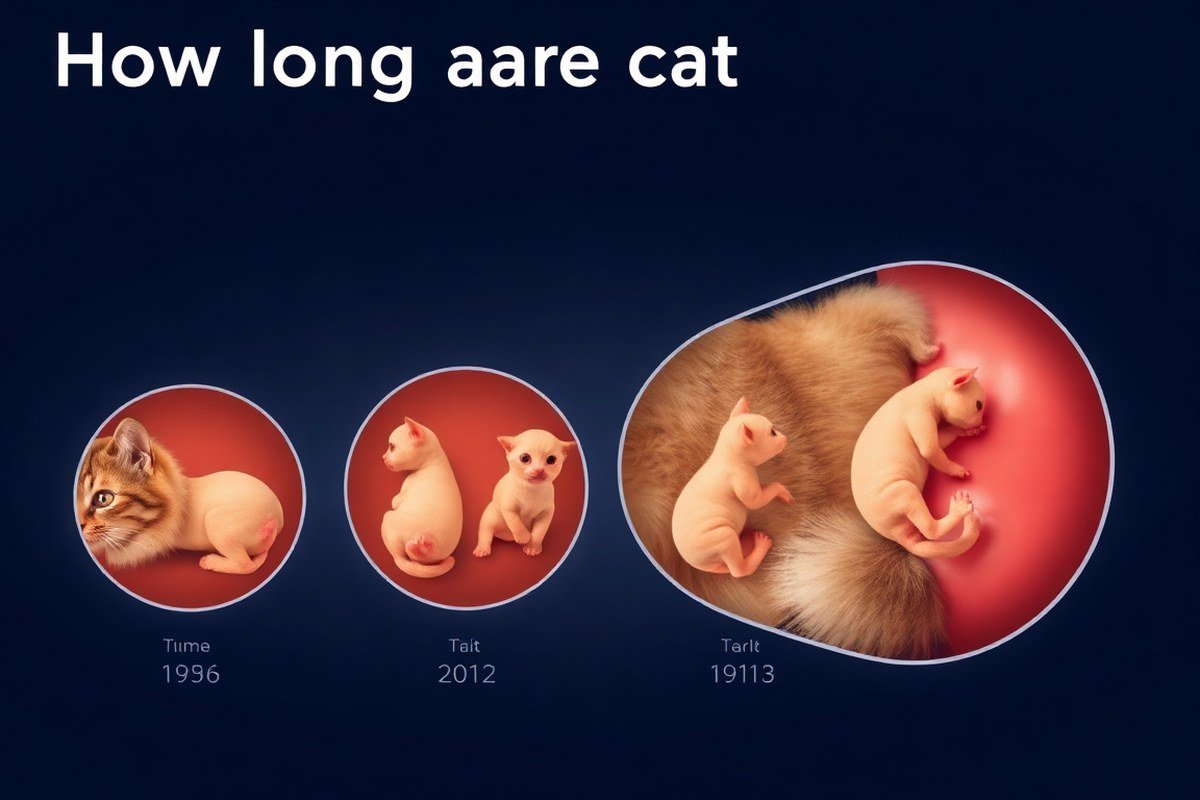
A cat’s pregnancy spans about 63 to 65 days, divided into three roughly 20-day trimesters. During the first trimester, fertilization occurs shortly after mating, triggered by ovulation within 24 to 48 hours. Around day 7 to 10, the embryos implant in the uterine lining. This stage is mostly invisible externally, but internally the embryos begin cellular development. By the end of the first trimester, the cat’s nipples start to enlarge and become pinker owing to hormonal changes, signaling early pregnancy.
The second trimester, from approximately day 21 to day 40, brings more noticeable changes. Embryos develop into fetuses with organs forming by the end of week 6. At this point, the fetuses measure about 5 to 8 centimeters (2 to 3 inches) long. Your cat may show an expanding abdomen, although visible signs vary among individuals. Nutritional needs increase during this period; some vets recommend increasing food intake by up to 50% starting around day 28 to support fetal growth and maternal health.
During the third trimester, from around day 41 to 63, the queen prepares for labor. The fetuses continue maturing and gaining weight. The cat’s abdomen enlarges significantly, and she may exhibit nesting behaviors, such as seeking quiet, enclosed spaces. Nipple swelling becomes more pronounced as milk production begins. Monitoring your cat closely becomes important now to spot signs of labor and ensure she has a comfortable, safe place to give birth.
Factors That Affect the Length of Cat Pregnancy
Pregnancy length in cats usually spans from 63 to 67 days, but several factors can cause variations within this range. A cat’s age plays a role; younger cats, particularly those around 4 to 6 months old, tend to have slightly shorter pregnancies of about 62 to 64 days. In contrast, older cats may experience pregnancies lasting up to 67 days. This difference happens because very young queens are still growing themselves, which can slightly speed up or complicate gestation.
Breed differences also influence how long a cat stays pregnant. Larger breeds like Maine Coons may lean toward the longer side of the range, closer to 65 to 67 days, while smaller breeds often fall near the average or slightly shorter gestation period. These breed-specific variations result from differences in size, metabolism, and genetic factors that affect fetal development rates.
The litter size directly impacts pregnancy duration too. Smaller litters of one or two kittens tend to extend the pregnancy length a bit, with queens carrying fewer kittens sometimes reaching up to 67 days before labor starts. Larger litters, containing six or more kittens, usually lead to somewhat shorter pregnancies averaging around 62 to 64 days. This happens because larger litters signal the body to deliver sooner, avoiding excessive strain on the mother’s resources. A clear comparison shows pregnancy lengths by age and litter size:
| Cat’s Age | Pregnancy Length (Days) |
|---|---|
| 4, 6 months | 62, 64 |
| Adult (1, 6 years) | 63, 65 (average) |
| Older (7+ years) | 65, 67 |
| Litter Size | Pregnancy Length (Days) |
|---|---|
| 1, 2 kittens | 65, 67 |
| 3, 5 kittens | 63, 65 |
| 6+ kittens | 62, 64 |
Overall health affects length, too. Illness or poor nutrition can cause complications that prolong or shorten gestation, so providing a balanced diet rich in protein and calcium is essential. Proper veterinary care ensures any risks are managed, offering the best chance for a healthy mother and her kittens.
Preparing for Labor: What to Expect and How to Help Your Cat
Pre-labor in cats usually begins 12 to 48 hours before delivery. Common signs include a drop in rectal temperature to around 100°F, enlarged nipples with milk production, restlessness, reluctance to eat, and increased nesting behavior. Your cat might pace, pant lightly, or repeatedly visit her designated birthing area as she prepares for labor.
Creating a safe nesting area is essential to help your cat feel secure and comfortable. Choose a quiet, warm spot away from household noise and other pets. A shallow box or crate lined with clean towels or soft blankets works well. Replace bedding regularly to keep the area dry and sanitary. Keep the ambient temperature around 75°F to prevent chilling, especially in the first few days after birth.
Supporting your cat during pre-labor means minimizing stress and ensuring she has easy access to food, water, and a litter box. Offer gentle petting if she welcomes it, but respect her need for solitude. Keep loud noises, strangers, and other pets away. Monitor her for any unusual signs, such as continuous vomiting or bleeding, and seek veterinary advice if these occur.
- Prepare a nesting box 1 to 2 weeks before the due date, at least 18 inches square and 8 to 12 inches deep
- Line with washable, absorbent bedding like towels or fleece
- Place the box in a warm, quiet corner of the house
- Maintain room temperature around 75°F
- Provide fresh water nearby and maintain a clean litter box in the same room
- Limit handling and noise near the nesting area
- Keep emergency vet contact info handy
By recognizing these signs and preparing a comfortable nesting space, you reduce your cat’s stress during her final days before birth. Your calm presence and careful observation help ensure a safer, smoother delivery process for both mother and kittens.
Understanding Cat Labor Duration and When to Seek Veterinary Help
Cat labor usually unfolds in three stages, with the entire birth process often completing within six hours after stage two begins, though it can last up to 12 hours. The first stage involves cervical dilation and can last between 12 and 24 hours, sometimes extending up to 36 hours. During this time, look for restlessness, nesting behavior, and occasional mild contractions. The second stage starts with visible contractions and active straining, leading to the delivery of kittens. Typically, kittens arrive about every 10 to 60 minutes throughout this stage.
Normal labor progress shows your cat straining intermittently with rest periods between kittens. Cats can naturally pause labor for 24 to 36 hours between deliveries, but these breaks shouldn’t be excessively long once active labor has started. Signs that labor is proceeding well include steady contractions, normal breathing, and the appearance of a kitten without excessive distress.
Seek immediate veterinary help if your cat strains continuously for more than 20 to 30 minutes without producing a kitten. Also call the vet if your cat shows signs of severe distress, heavy bleeding, or if the time between kittens exceeds two hours without any progress. These situations may indicate a blockage or other complications requiring professional care.
Keeping a timeline helps you understand when to intervene: stage one can last up to 36 hours, stage two delivery typically wraps within six hours, and kittens should come at intervals no longer than 60 minutes without interruption. Providing calm, gentle reassurance during labor supports your cat but do not attempt to assist delivery physically without veterinary guidance.
Nutrition and Care Tips for Pregnant Cats Throughout Gestation
Pregnant cats require dietary changes to support both their health and the development of their kittens. Switching to a high-quality kitten food is recommended because it supplies more calories, protein, and essential nutrients needed during pregnancy. You can begin this change around the second or third week of gestation and continue through nursing. Feed your cat frequent, small meals since her appetite will increase steadily, especially during the last trimester when energy demands peak.
Serve roughly 25% to 50% more food than her usual intake by weeks six to eight, but consult your veterinarian to adjust amounts based on her weight and condition. Avoid giving calcium or vitamin supplements unless directed by your vet, as improper supplementation can harm your cat and her kittens. Hydration is also important, so provide fresh water at all times.
- Feed kitten-formulated food starting week two or three of pregnancy
- Increase food portions by up to half during the last three weeks
- Avoid supplements without veterinary advice
- Encourage gentle exercise like short play sessions to maintain fitness
- Keep her environment calm, warm (around 70 to 75°F), and stress-free
- Provide a quiet nesting area as the pregnancy advances
- Monitor for any signs of illness or distress and contact your vet promptly
Moderate activity helps maintain muscle tone and circulation but avoid strenuous or high-impact exercises. Environmental safety means removing hazards and ensuring she can rest comfortably. Good nutrition combined with a peaceful setting promotes a smooth pregnancy, reduces stress-related complications, and supports healthy kitten growth.
Common Myths and Important Safety Tips About Cat Pregnancy Length
Many cat owners believe cats can pause pregnancy or labor, but this is a myth. Cats are induced ovulators, meaning ovulation occurs 24 to 48 hours after mating, not on the mating day itself. This difference often causes confusion about pregnancy duration, which generally lasts about 63 to 65 days from ovulation. It’s also false that a cat’s pregnancy length changes if she becomes pregnant while nursing. Heat cycles may continue in some pregnant queens, allowing them to exhibit signs of being in heat and pregnant simultaneously, but this does not alter the gestation period.
Common misconceptions include timing pregnancy by the date mating was observed and expecting the cat to show clear signs early on. Owners sometimes assume labor can be delayed after contractions start, but labor typically progresses steadily once it begins. Monitoring the cat closely and knowing when to seek veterinary help is important. Expecting queens can hide illness, so subtle changes in behavior or appetite should prompt a veterinary check.
Safety precautions are essential for a healthy pregnancy. Always use parasite prevention products labelled safe for pregnant cats to avoid harming the kittens. Avoid stopping parasite control without vet guidance. Provide quiet, warm, and secure nesting areas maintained at around 70 to 75°F to keep the queen comfortable. Feeding a high-quality diet formulated for pregnant cats supports fetal development and maternal health.
To avoid pitfalls, start by counting pregnancy length from ovulation timing, not mating. Watch for subtle signs of illness and maintain safe parasite control. Remember that heat cycles can overlap pregnancy without affecting duration, and labor won’t pause once it starts. Following these facts and safety tips will help you support your queen properly through her pregnancy.
Step-by-Step Action Plan for Managing Your Cat’s Pregnancy
Follow this plan to support your cat throughout her pregnancy and get ready for her kittens safely and confidently.
- Week 1: Confirm pregnancy by scheduling a vet visit to detect early signs. A positive exam will guide your care approach.
- Weeks 2-3: Begin providing a high-quality kitten food to meet increased nutritional needs. Watch for steady appetite and weight gain.
- Week 4: Set up a clean, quiet nesting area with soft bedding. Observe if your cat starts spending more time there.
- Week 5: Keep monitoring for behavioral changes like increased affection or restlessness. Report concerns to your vet promptly.
- Week 7: Confirm litter size with the vet through ultrasound or X-ray. This helps anticipate labor and prepare appropriately.
- Week 8: Maintain a calm environment and ensure constant access to fresh water and food. Check that your cat is comfortable and nesting.
- Last Few Days: Watch for labor signs such as pacing, vocalizing, or temperature drop. Have emergency vet contact details ready.
- After Delivery: Keep the area warm and quiet for the mother and kittens. Monitor kitten feeding and mother’s health, contacting your vet if problems arise.
Frequently Asked Questions
How Long Is a Cat Pregnant on Average?
Cats are typically pregnant for about 60 to 65 days, with the average being around 63 days. This length allows you to plan for prenatal care and prepare for the kittens’ arrival in a timely manner.
Can a Cat Get Pregnant While Still Nursing Kittens?
Yes, a cat can become pregnant as soon as two weeks after giving birth if she mates with a male cat. This means continuous monitoring is important if you want to avoid back-to-back litters.
At What Age Can Cats Become Pregnant?
Cats can get pregnant as early as four months old, although five to six months is more common. Early reproduction can affect their health, so consider spaying your cat to prevent early pregnancy.
How Can I Tell How Far Along My Cat Is in Her Pregnancy?
Estimating pregnancy length involves observing physical signs and sometimes veterinary exams like ultrasounds or X-rays. These help confirm pregnancy and estimate the age of the kittens for proper care.
What Affects the Length of a Cat’s Pregnancy?
Factors like the cat’s age, health, breed, and litter size can affect gestation length. These variations mean pregnancy can last anywhere from 58 to 72 days but typically remains around 63 days.
Wrapping Up
Pregnancy in cats typically lasts about 63 to 65 days, but variations can happen. Recognizing how far along your cat is and providing proper nutrition and care helps ensure a healthy mother and kittens. Take prompt action when you notice labor signs to support your cat through delivery and beyond.