
How Long Is a Cat Pregnant? A Complete Guide to Cat Gestation and Care
How long is a cat pregnant? The typical gestation period for a cat is about 63 to 67 days, or roughly nine weeks. This timeline can vary slightly, lasting anywhere from 58 to 72 days. To confirm pregnancy and estimate how far along your cat is, a veterinarian can use an ultrasound as early as 15 to 20 days into gestation.
Key Takeaways
- A cat’s pregnancy usually lasts between 63 and 67 days, averaging just over two months.
- Use ultrasound scanning after 15-20 days for early and accurate pregnancy confirmation.
- Pregnancy length varies; expect anywhere from 58 to 72 days depending on individual cats.
- Pregnant cats, called “queens”, can get pregnant as early as four months old.
- Divide pregnancy into three trimesters of about 20 days each for better care planning.
- Typical fertility lasts 7-10 days during the heat cycle, when mating occurs.
How Long Is a Cat Pregnant? Typical Gestation Length Explained
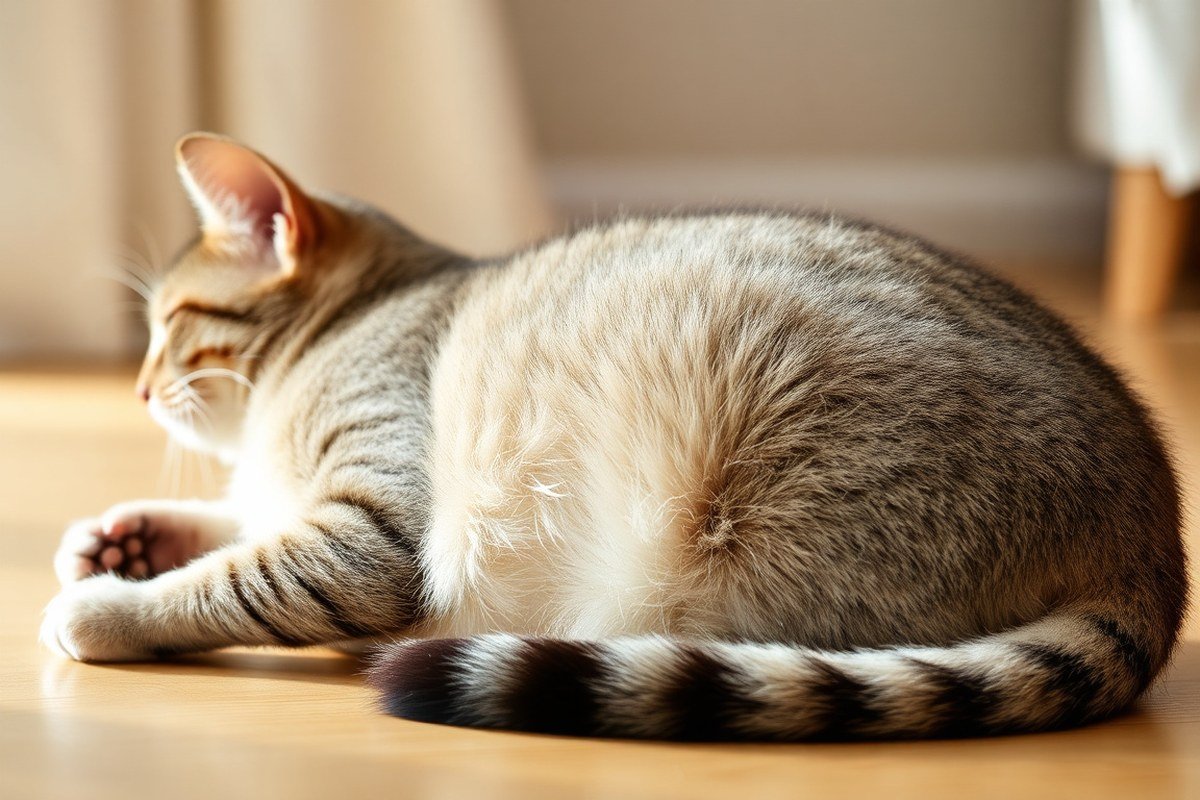
Cats are pregnant for an average of about 63 to 67 days, which is roughly nine weeks. This period is known as the gestation period and typically lasts around two months. While most cats deliver their kittens within this range, some pregnancies can be slightly shorter, around 58 days, or last up to 72 days in rare cases.
The exact length of pregnancy varies depending on factors such as the cat’s age, health, and breed. Domestic cats often fall within the typical 63-65 day gestation range, but this can shift by a few days either way without cause for concern. Longer or shorter pregnancies might occur but should be monitored closely to avoid complications.
Knowing how long a cat is pregnant helps you recognize the stages of her pregnancy and prepare for care and delivery. Veterinarians use this timeline to estimate due dates and monitor kitten development. Since cats can become pregnant as young as four months if not spayed, keeping track of the gestation period can guide you to provide the necessary nutrition, rest, and vet visits to support a healthy queen and litter.
The cat gestation period usually breaks down into three trimesters of about 20 days each, marking early implantation, fetal growth, and late-stage development. Close attention during this time ensures you can spot changes and health issues promptly. If a pregnant cat’s delivery extends past 72 days or shows signs of distress, a veterinarian’s advice is critical to ensure the wellbeing of the mother and kittens.
How to Recognize Early and Late Signs of Cat Pregnancy
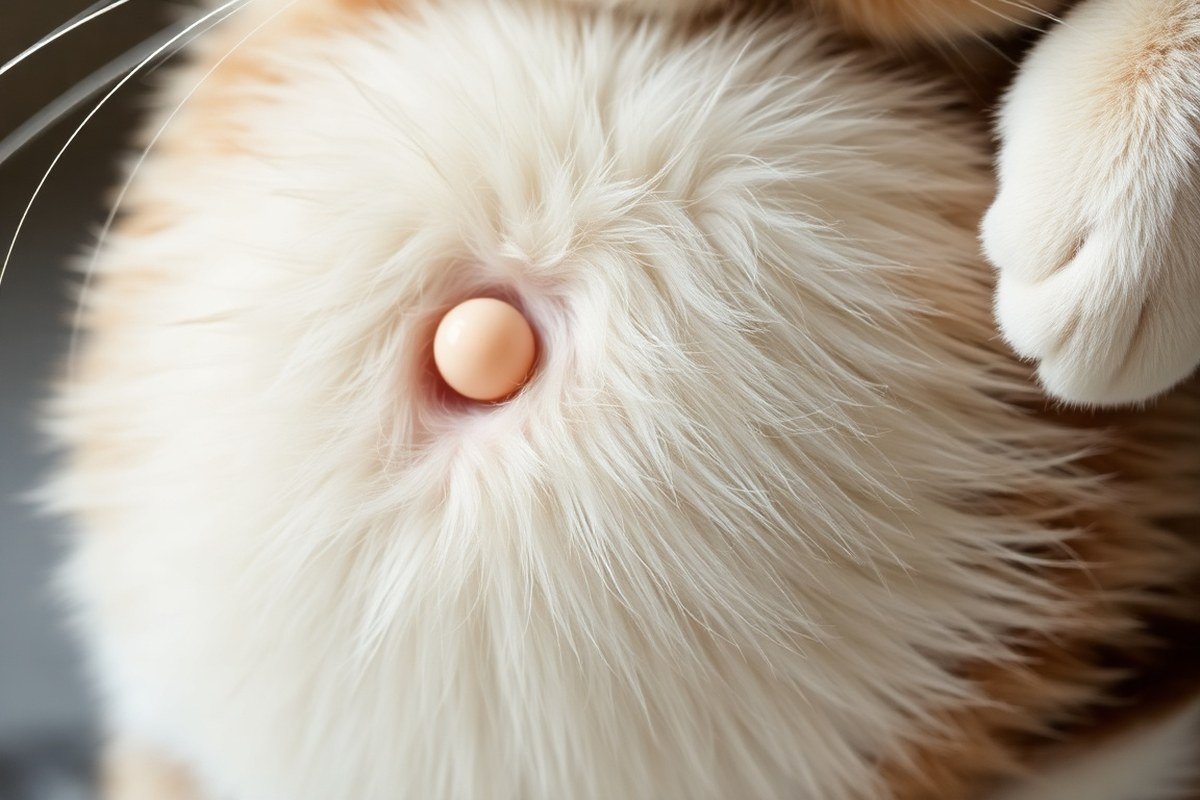
You can recognize a cat’s pregnancy by noticing both physical and behavioral changes. Early signs often include subtle changes like swollen, pink nipples and a slight increase in appetite. These signs appear within the first three weeks after conception. At this stage, the hormonal shifts are responsible for initial changes but the cat’s overall behavior may still seem normal.
As the pregnancy progresses into the middle phase (around days 22 to 42), the abdomen begins to swell visibly. The kittens are developing internally, making the growing belly more noticeable. You may also observe a change in activity levels and behaviors. Your cat might start resting more or seek additional affection. Appetite typically increases, so monitoring food intake can help support her needs.
- Enlarged and darkening nipples, often appearing pink in the early phase
- Increasing appetite and occasional mood changes
- Noticeable belly enlargement by the middle phase (around three to six weeks)
- Weight gain as the pregnancy progresses
- Searching for a quiet, safe nest late in pregnancy
- More grooming and rest as delivery approaches
In the final weeks (days 43 to 67), your cat’s belly is significantly larger, and she may begin to find or prepare a nesting area. This behavior is a clear sign she’s getting ready for labor. Her movements may slow down, and she might become less interested in play. You should watch for these late signs to prepare a comfortable, safe space for her. If you notice any severe discomfort or unusual symptoms, contacting a vet is wise to ensure a healthy delivery.
Estimating How Far Along Your Cat Is in Pregnancy
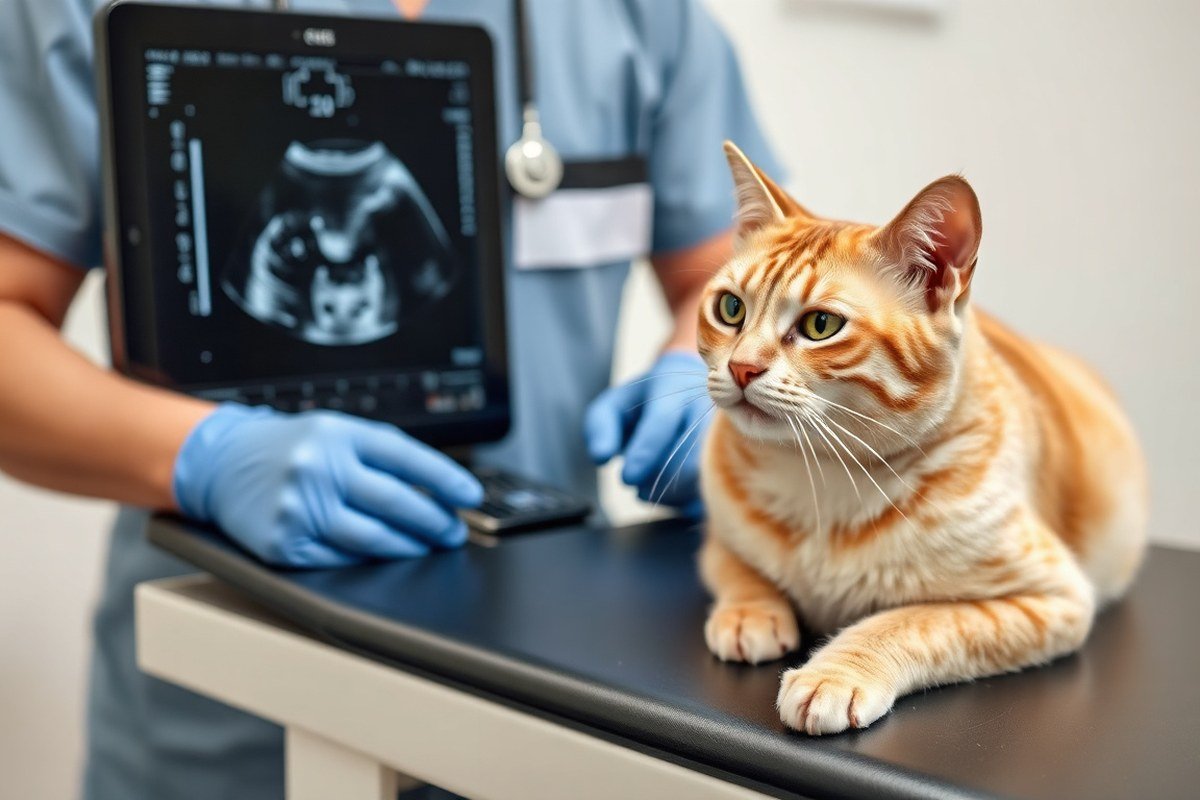
Estimating how far along your cat is in pregnancy relies mainly on veterinary methods like ultrasound or physical examination. An ultrasound is effective from about 2 to 3 weeks after mating, allowing detection of embryos and their development. It is most accurate between 4 and 5 weeks when fetal heartbeats can be detected. Most vets recommend waiting until at least 42 days into pregnancy to perform imaging; before this, confirming pregnancy and estimating stage can be less precise. If an initial ultrasound does not reveal kittens, a repeat scan a week later may be advised.
Physical signs that help estimate pregnancy include changes in nipple size and color starting around the third week. Nipples become pinker and slightly enlarged, becoming more pronounced by week 4 or 5. You may notice a slight distension of the abdomen after about 5 weeks as fetuses grow rapidly. Calmer mood and decreased signs of heat cycles also suggest pregnancy progression. However, these signs are subtle and vary by cat, so they should not be solely relied upon.
Tracking the timing of your cat’s last heat cycle or known mating date gives the best estimation without imaging. Cats are fertile during a heat cycle that lasts 7 to 10 days, and pregnancy usually lasts 63 to 67 days after mating. By noting when your cat was in heat or last bred, you can estimate pregnancy stages in roughly 20-day trimesters. For example, if 20 days have passed since mating, your cat is likely in the second trimester, and physical changes will become more visible shortly.
While an experienced veterinarian can use physical exams and ultrasound to estimate pregnancy length accurately, it often takes a combination of tracking heat cycles, observing physical changes, and diagnostic imaging to get a clear picture. Veterinarians may also use X-rays after day 55 to count and size kittens, improving dating precision. Cost for an ultrasound or exam varies but expect between $50 and $150 depending on the clinic. Keep in mind pregnancy stage estimates can have a margin of error, especially without confirmed breeding dates.
Understanding the Three Trimesters of Cat Pregnancy
A cat’s pregnancy is divided into three trimesters, each lasting about 20 days. These stages mark important changes in both the developing kittens and the mother’s body. Understanding what happens during each trimester helps you provide the right care for your pregnant cat.
The first trimester covers the first two weeks after mating. During this time, fertilization occurs, and the embryos implant in the uterus. Hormonal shifts are subtle, so you might notice only slight changes in your cat’s behavior or appetite. At this stage, it’s important to start providing a calm environment and consider consulting a veterinarian to support a healthy pregnancy.
Between two and four weeks, the second trimester begins. This is when the embryos develop rapidly and the mother’s nipples become pinker and more pronounced. You may also see an increase in your cat’s appetite as she needs more energy to support the growing kittens. Around this time, starting a high-quality diet designed for pregnant cats, such as Royal Canin® Mother & Baby Cat food, supports fetal development and overall health.
The third trimester, spanning weeks five through nine, features the most dramatic physical changes. The cat’s abdomen enlarges visibly as the fetuses grow and begin moving. During the last 7 to 9 weeks, the mother will exhibit nesting behaviors and may become restless with occasional decreased appetite as she prepares for labor. Monitoring your cat closely during this phase and maintaining regular vet checkups are essential to catch any problems early.
How Many Kittens Can a Cat Have and What Affects Litter Size?
A cat typically has between 4 to 6 kittens in a single litter, though this number can vary widely. Some breeds may produce smaller litters of 2 to 4 kittens, while others can have up to 12 kittens at once. Most cats average about 3 to 4 kittens per pregnancy, and having more than six is considered a large litter.
Several factors influence litter size. Genetics play a major role, as certain breeds naturally have larger or smaller litters. The health and age of the cat also matter. Younger or very old cats tend to have fewer kittens, while healthy adults usually have the typical range. Nutrition during pregnancy can affect litter size too, with a well-fed cat more likely to support more developing kittens. Stress, environmental conditions, or illness during pregnancy may reduce litter size.
The size of the litter also influences the gestation length and labor duration. A larger number of kittens may mean a slightly longer pregnancy and labor that can last from 2 up to 15 hours. Kittens usually arrive within one to two hours of each other once labor starts. Monitoring your cat’s condition throughout pregnancy helps anticipate how many kittens to expect and manage their care accordingly. When caring for your pregnant cat, providing a balanced diet rich in protein, calcium, and phosphorus supports the health of both the queen and her kittens.
Preparing a Safe Nesting Area for a Pregnant Cat
Setting up a safe and comfortable nesting area helps your pregnant cat feel secure during queening. Pick a quiet room like a bathroom or closet away from household noise and foot traffic. Provide a box roughly 24 inches long and 18 inches wide, lined with soft blankets or a plush cat bed to keep the space warm and cozy. Keep the area warm since kittens need a temperature between 85°F and 90°F at birth.
Place the box where your cat can access it anytime, starting about 1 to 2 weeks before the expected birth date. Allow her to explore the nest without pressure so she becomes familiar and relaxed in the space. Avoid moving or cleaning it too often to prevent stress.
- Choose a quiet, draft-free location with little foot traffic
- Line a sturdy box with washable, warm bedding
- Keep the nesting area between 85°F and 90°F especially once kittens arrive
- Introduce your cat to the nest early so she can get comfortable
- Minimize noise, lights, and interruptions near the nest
- Consult your veterinarian about safe flea or deworming treatments during pregnancy
- Keep essentials nearby like clean towels, a heating pad, and phone numbers for emergency vet care
Good results look like your cat resting in the nesting box regularly, showing calm behavior and beginning to dig or arrange the bedding. Problems arise if the area is noisy, cold, or disturbed often, causing the cat to seek other places for birthing. If your cat refuses the nest or appears stressed, try moving the box to another quiet spot or adding more familiar scents like a worn t-shirt. Preparing early and thoughtfully gives the queen a dignified space for birth and helps you monitor the kittens’ arrival safely.
Diet and Care Tips for a Healthy Pregnant Cat
A pregnant cat needs a diet that supports both her health and the developing kittens. Feeding a high-calorie commercial cat food designed specifically for pregnancy and lactation or formulated for kittens is essential. These diets provide the extra protein, vitamins, and minerals needed during this time. For example, a food like Royal Canin Feline Health Nutrition Mother & Babycat Dry Cat Food is tailored for this purpose. You should adjust her feeding schedule to offer multiple small meals daily because her energy requirements increase significantly through pregnancy.
Supplements are usually unnecessary if you provide a complete commercial diet, as these are balanced to meet pregnancy needs. Avoid adding extra vitamins or minerals without veterinary advice since overdosing can cause harm. Monitoring her weight weekly gives you a good indicator of proper growth; a general rule is she should gain about 1 to 2 pounds throughout her pregnancy. Sudden drops or no weight gain can signal health problems and require a vet visit.
Keeping your pregnant cat comfortable and stress-free is equally important. Provide a quiet, warm, and safe area with access to clean water at all times. Regular gentle handling and avoiding loud noises help maintain calmness. Watch for any signs of illness such as lethargy, loss of appetite, or unusual discharge. In these cases, consult a licensed veterinarian promptly. When a cat is not yet fully grown herself, pregnancy puts extra strain on her body, making attentive care and nutrition even more critical for a healthy outcome.
Signs of Labor and What to Expect During Queen’s Delivery
Labor in cats, or queens, happens in three main stages lasting from a few hours up to 24 hours. Recognizing early labor signs helps you prepare for the delivery and decide when to call your vet. The queen’s body temperature dropping by a degree or two within 12 hours before birth is a reliable sign labor will start soon. You might also notice her going off food or acting restless.
The first stage involves cervical dilation and contractions, which can last 6 to 24 hours. The queen may pant, drool, lick her genital area frequently, and seem uncomfortable. These contractions are often subtle and hard to detect for an untrained eye. During this time, she might pace, hide, or repeatedly settle in the nesting area.
- Restlessness or pacing
- Excessive licking of the genital area
- Panting and drooling
- Loss of appetite
- Decrease in body temperature (up to 12 hours before labor)
- Visible contractions and straining
- Finding or returning to a quiet, safe nesting spot
The active delivery stage usually starts when the queen begins strong contractions and actively pushes. Kittens are typically born every 10 to 60 minutes, but intervals can be longer, especially for the first kitten. Total labor often lasts between 3 and 16 hours, depending on litter size and the cat’s experience. The placenta follows each kitten and should be expelled within 15 minutes after each birth. Noticing pauses longer than 2 hours between kittens or distress signals such as loud vocalizing indicates you should contact a veterinarian immediately.
When to See the Vet During Cat Pregnancy and Labor
Take your cat to the vet as soon as you suspect she is pregnant or if she is an unspayed female over four months old that has gone outside. Confirmation visits usually include a physical exam and possibly an ultrasound to check for kittens. This early visit helps you understand care needs and plan for a healthy pregnancy. Typical costs can range from $50 to $150 depending on location and services.
Contact your vet during pregnancy if your cat refuses food for over 24 hours, seems distressed, or reaches 70 days past a confirmed mating date without giving birth. These signs point to potential problems or a late delivery that need professional attention. Labor lasting longer than six hours or waiting more than 30 minutes between kittens also requires urgent medical help.
Vets may use medication to safely induce labor if waiting poses a risk. For example, if kittens are stuck or the queen is exhausted, intervention can prevent serious harm. Before labor begins, ask your vet about supplies to keep on hand, such as clean towels or a heating pad, and what normal birthing should look and sound like so you can spot trouble early.
Keep calm during labor and monitor closely but avoid unnecessary intervention. Most cats deliver one kitten every 30 minutes and complete labor in about six hours. Labor stalling or your cat showing signs of pain or confusion means you should reach out to your vet right away. Having a multivitamin like Pet Honesty Dual Texture Chicken Flavored Multivitamin with Omega-3 & Lysine Chews may be recommended to support health during pregnancy and labor.
Step-by-Step Action Plan for Managing Your Cat’s Pregnancy
Follow these steps to support your cat throughout her pregnancy and prepare for a healthy delivery.
- Week 1: Confirm pregnancy with a vet visit to ensure proper care; a vet examination or ultrasound will verify pregnancy early on.
- Weeks 1-4: Transition to a high-quality kitten food to provide extra nutrients; healthy weight gain indicates proper diet.
- Week 5: Create a quiet, warm nesting area with soft bedding; your cat should start spending more time there as she approaches delivery.
- Weeks 6-7: Monitor your cat’s behavior and appetite for signs of discomfort or distress; consult a vet if you notice unusual symptoms.
- Week 8: Prepare supplies like clean towels, disposable gloves, and a heating pad for the birth; keep these items handy so you can assist if needed.
- Days Before Delivery: Observe signs of labor such as restlessness, nesting, or loss of appetite; call your vet if labor does not progress within 24 hours of these signs.
- During Labor: Stay nearby but give your cat space; gently check that kittens are born healthy and breathing. Contact your vet for help if there is prolonged labor or distress.
Frequently Asked Questions
How Soon Can a Vet Confirm a Cat’s Pregnancy?
A vet can confirm cat pregnancy with an ultrasound as early as 15-20 days in. This early diagnosis helps you plan care and nutrition properly.
What Are Common Complications During a Cat’s Pregnancy?
Common complications include miscarriage, infection, or lack of appetite. Spotting issues early requires prompt vet visits.
Can Outdoor Cats Have Different Pregnancy Durations Than Indoor Cats?
Pregnancy length doesn’t differ between outdoor and indoor cats; it typically lasts about 63-67 days for all cats.
What Behavior Changes Might a Cat Show During the Last Week of Pregnancy?
She may become restless or start nesting. Watch for pacing and seeking quiet, safe spaces.
Does a Cat’s Age Affect the Length of Pregnancy?
Age usually doesn’t change pregnancy length but very young or older cats may need extra care from a vet.
Key Points to Remember
Pregnant cats typically carry their kittens for about 63-65 days. Recognizing the pregnancy stage and providing proper care helps ensure a safe and healthy outcome. Take the next step by setting up a comfortable nesting spot now to support your cat in the later stages of her pregnancy.