Can Cats Get Parvo? Symptoms, Treatment, and Prevention Explained
Can cats get parvo? Yes, cats can contract a form of parvovirus called feline parvovirus (FPV), which mainly affects young kittens. Early detection and vaccination are key to protecting your cat from this fast-progressing viral infection. Vaccinate your kitten starting at 6 weeks, and monitor for symptoms like vomiting or lethargy, especially in cats under 5 months old.
Key Takeaways
- Kittens aged 3 to 5 months are most vulnerable to feline parvovirus and need close monitoring.
- Feline parvovirus spreads quickly, with symptoms appearing 3 to 7 days after exposure.
- Low white blood cell counts are a primary lab sign of parvo in cats and require urgent veterinary care.
- Vaccinate kittens every 3 to 4 weeks starting at 6, 8 weeks until 16, 20 weeks for the best protection.
- Adult cats should receive initial vaccination if unvaccinated, plus boosters every 1 to 3 years.
- Survival chances improve significantly with treatment within the first 48 hours of symptom onset.
Can Cats Get Parvo or Is It Just a Dog Disease?
Cats can get a form of parvovirus, but it is different from the one that affects dogs. The virus that causes feline parvo is called the feline panleukopenia virus (FPV). This virus leads to a serious illness known as feline panleukopenia, sometimes referred to as “feline distemper” or simply feline parvovirus. It primarily targets cats’ immune systems and digestive tracts and can be life-threatening, especially for kittens between 3 to 5 months old or unvaccinated cats.
Canine parvovirus (CPV), the strain responsible for parvo disease in dogs, does not infect cats. While dogs and cats can each get their species-specific parvoviruses, Cats do not catch feline parvo from dogs, nor do dogs get canine parvo from cats. The two viruses are closely related but distinct enough that cross-infection between species is extremely rare. Certain variants of canine parvovirus have shown isolated cases of infecting cats under specific conditions, but these instances are very uncommon and not the usual cause of illness in cats. Here is a brief comparison:
| Category | Feline Parvovirus (FPV) | Canine Parvovirus (CPV) |
|---|---|---|
| Virus Name | Feline panleukopenia virus (FPV) | Canine parvovirus type 2 (CPV-2), including strains like CPV-2a |
| Primary Host | Cats | Dogs |
| Caused Disease | Feline panleukopenia (“feline parvo”) | Canine parvovirus disease (“parvo”) |
Protecting your cat from feline parvo requires vaccination; the FVRCP vaccine covers FPV alongside other common feline viruses. Because feline parvo spreads quickly through contact with feces, contaminated surfaces, and infected cats, awareness and vaccination are important for prevention.
How Feline Parvovirus Spreads and Infection Risks
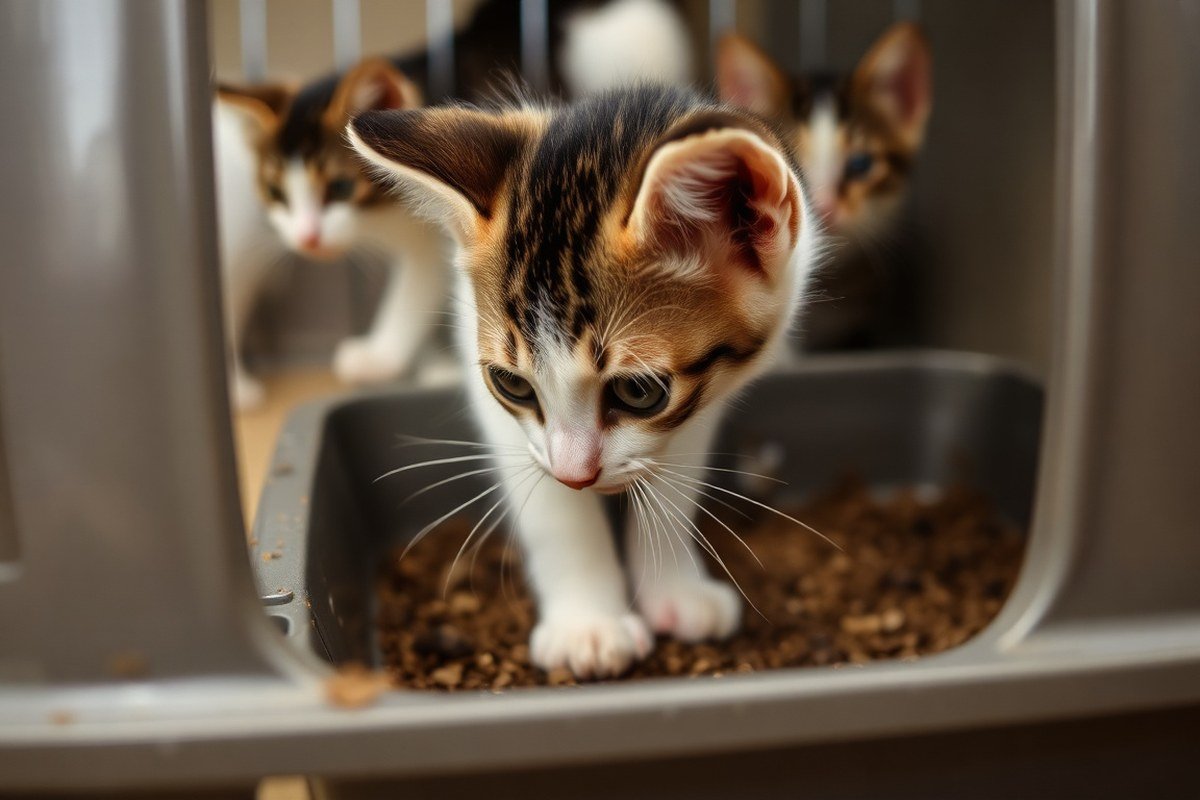
Feline parvovirus spreads mainly through direct contact with an infected cat’s bodily fluids, including feces, urine, vomit, saliva, and nasal secretions. Cats often contract it by coming into contact with these fluids or through contaminated objects like bedding, food bowls, litter boxes, and grooming tools. The virus is very resilient in the environment, capable of surviving on surfaces for months, which makes even minimal exposure risky.
Both indoor and outdoor cats can catch feline parvovirus, but some situations increase their risk. Cats that spend time outside are more likely to encounter infected animals or environments. Indoor cats are less likely to catch the virus but still face danger if the virus is brought inside on shoes, clothes, or pet items. Parasites like fleas that have fed on an infected cat might carry the virus, but this method is not very common.
Kittens and unvaccinated cats face the greatest risk because their immune systems are less developed or lack protection. Cats recently recovering from illness or with weakened immune systems also become vulnerable. Having one cat diagnosed with feline parvovirus means you need to quickly separate that cat from others to reduce the chance of spreading the disease.
Vaccinating all cats, regardless of their lifestyle, protects them from this highly contagious virus. Since the virus can live on surfaces for extended periods, routine disinfection of your cat’s environment plays a important role in limiting risk. Using approved cleaning agents and thoroughly washing litter boxes, food bowls, and bedding reduces virus presence effectively.
Recognizing Early and Advanced Symptoms of Parvo in Cats
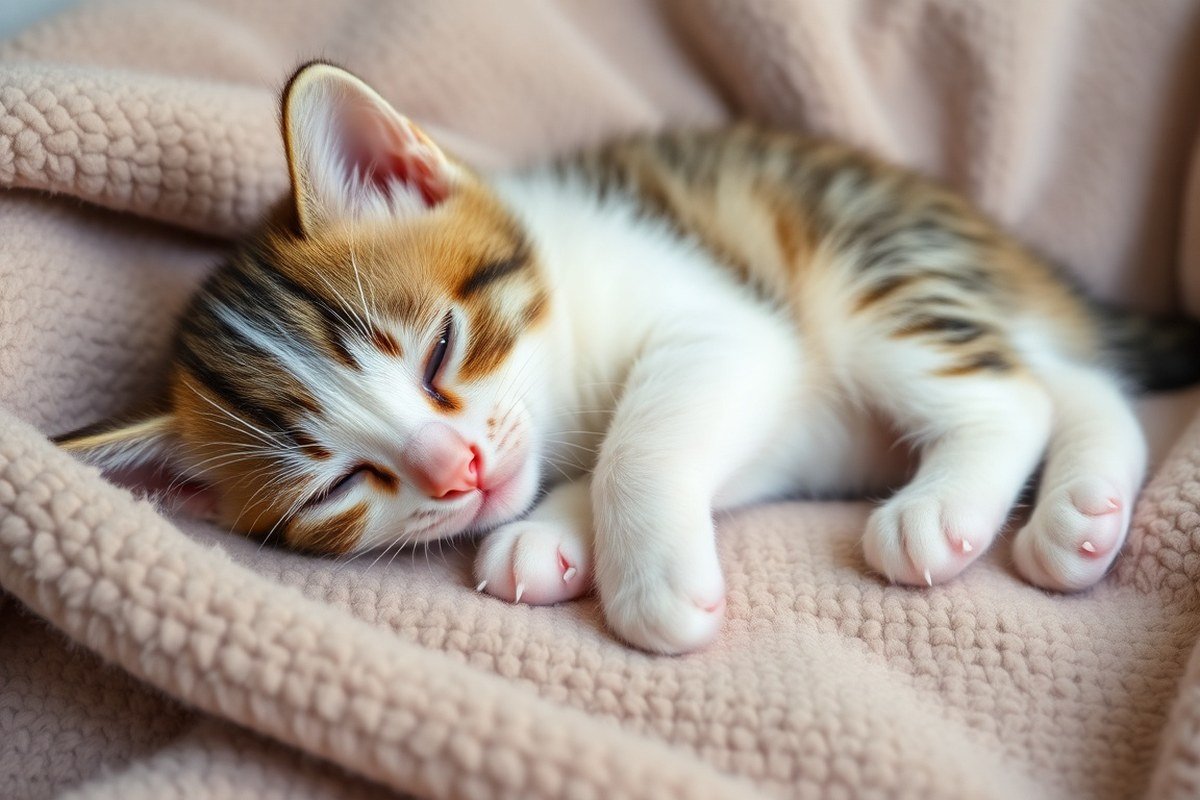
Signs of feline parvovirus (FPV) commonly show up within 3 to 7 days after your cat becomes infected. Initial signs include Sudden and severe weakness, Total refusal to eat, and Repeated episodes of vomiting. These early warning signs require immediate care from a vet, especially for kittens under 6 months old, since their immune defenses are still immature and less able to fight the virus.
As the infection progresses, symptoms worsen rapidly. Cats may develop severe dehydration, persistent diarrhea, and in some cases, secondary infections due to a compromised immune system. The first 5 to 7 days after symptoms appear are critical. Timely treatment within 48 hours improves survival chances dramatically, boosting them from less than 10% in untreated cats to as high as 90% with good care for adults. Kittens’ survival rates with treatment range roughly from 40% to 60%.
- Early lethargy and refusal to eat
- Vomiting and diarrhea developing within a few days
- Rapid dehydration and weakness
- Possible fever or low body temperature
- In severe cases, neurological signs in kittens infected before birth
- Critical hospital care usually 3 to 7 days for dehydration and complications
- Post-recovery immunity develops in survivors
For kittens, especially those under five months or unvaccinated, the disease can progress within days to life-threatening complications. Adult cats often show milder symptoms if vaccinated and treated promptly. Long-term effects are rare but include developmental problems if infection occurs before birth. Watch closely during the first week after exposure or symptom onset, and seek veterinary care immediately if you notice any early signs.
Diagnosing and Confirming Parvo Infection in Cats
Diagnosing feline parvovirus involves several specific veterinary tests designed to detect the virus and assess its impact on your cat’s blood cells. Your veterinarian will begin with a Complete Blood Count (CBC) to check white blood cell levels. Because parvo targets the bone marrow, causing a sharp drop in these cells, a low white blood cell count is a key indicator of infection. The CBC may also reveal pancytopenia, a reduction in all blood cell types, reinforcing suspicion of parvovirus.
In addition to bloodwork, stool samples may be tested for viral presence. Fecal testing looks directly for the virus itself. Since symptoms of parvo can mimic other diseases like poisoning or feline leukemia, vets often run extra tests to exclude these conditions. Blood smears can provide further confirmation by showing decreased white blood cell fractions.
The speed of diagnosis affects treatment success because severe dehydration and sepsis can cause death within two to three days of infection. The typical process involves collecting blood for a CBC, then obtaining fecal samples for viral testing. Cost varies depending on the clinic and location but diagnosing parvo usually ranges from $50 to $150 for the full testing panel. Rapid results are important, so testing is often done in-house or sent out overnight.
Sometimes, your cat’s age and overall health, alongside test results, guide the vet in confirming parvo and planning treatment. Early diagnosis supported by these tests allows for prompt intervention, improving survival chances significantly.
Treatment Options and Survival Chances for Infected Cats
Treatment for feline parvovirus centers on aggressive supportive care. This typically includes intravenous fluids to prevent dehydration, anti-nausea medications to control vomiting, and antibiotics to protect against secondary bacterial infections. Prompt veterinary attention within 24 to 48 hours of symptoms such as vomiting, diarrhea, and lethargy greatly increases your cat’s chance of survival. Delay in care allows severe dehydration and organ damage to set in, reducing the likelihood of recovery.
The Survival rate depends heavily on age and vaccination status. Adult cats, especially those vaccinated, have a better outlook with survival chances ranging from 60 to 80 percent when treated early and aggressively. Conversely, young kittens and unvaccinated cats face survival rates below 50 percent despite intensive veterinary care, due to their less strong immune response. Some studies report only 20 to 51 percent of infected cats survive, reflecting the seriousness of the disease and need for urgent care.
Financial factors can affect treatment decisions. Hospitalization and medications often cost between $500 and $2,000 or more. In regions where veterinary care is inaccessible or declined, the prognosis worsens.
When treatment is successful, cats generally begin improving within 3 to 7 days, although full recovery can take a few weeks. During this time, maintaining a stress-free environment and continued fluid support at home may be necessary. Survivors typically develop lifelong immunity, lowering the risk of future infections. However, expect close veterinary monitoring for complications during recovery.
Vaccination Schedules and Their Effectiveness Against Parvo
Kittens should start their core vaccine series against feline parvovirus as early as 6 to 8 weeks old. They receive doses every 3 to 4 weeks until they reach 16 to 20 weeks of age, ensuring their immune system builds strong protection before they face potential exposure. After completing this initial series, a booster shot is recommended between 6 and 12 months of age, with subsequent boosters every three years to maintain immunity.
For adult cats that have never been vaccinated, the protocol usually involves one or two doses spaced 3 to 4 weeks apart. Following this initial vaccination, they require boosters every three years. The FVRCP vaccine, which includes the feline parvovirus (FPV) protection, is considered a core vaccine and is essential for all cats.
Vaccinated cats can still rarely become infected with parvo, often due to missed or lapsed boosters. Most breakthrough cases occur when kittens do not complete their full vaccine series or when adult cats go too long without a booster. The vaccine is very effective but not foolproof, so keeping vaccinations current and adhering to recommended schedules is critical to reducing risk.
Strong protection comes from completing the full series on time and ensuring boosters are not delayed. Because the virus spreads easily in homes with multiple cats, it’s wise to verify that all resident cats are fully vaccinated before introducing a new cat. This collective approach helps minimize the chance of outbreaks and safeguards vulnerable kittens who are more prone to severe illness.
Home Care Tips and Preventing Parvo Spread in Your Cat’s Environment
If you suspect your cat has parvo, isolating them from other pets right away is essential to prevent further spread. Provide supportive care by keeping your cat hydrated and nourished, using small, frequent amounts of water and bland food, as directed by your veterinarian. Cleaning and disinfecting your cat’s environment regularly helps protect other cats since the feline parvovirus can survive for months on surfaces.
To keep your cat safe long-term and stop the virus from spreading, maintain strict hygiene and vaccination routines. Isolate any new cats before introducing them to your household and vaccinate pets according to your vet’s schedule to lower infection risks.
- Separate the sick cat in a quiet, warm room with its own litter box and food bowls
- Wash your hands thoroughly with soap after handling the sick cat
- Clean litter boxes daily using a bleach solution diluted to 1 part bleach to 32 parts water
- Disinfect food bowls, bedding, toys, and surfaces with the bleach solution or a veterinary-recommended disinfectant
- Wear disposable gloves during cleaning to avoid carrying the virus elsewhere
- Allow disinfected areas to air dry fully before reuse
- Keep new or recovered cats separated for at least two weeks or until cleared by a veterinarian
Total costs for cleaning supplies and isolation supplies are generally low, with household bleach being an economical and effective disinfectant. Following these steps can greatly reduce the chance your other cats will catch parvo, though persistent vigilance and vet guidance remain necessary since recovery can take several weeks.
Common Myths About Parvo in Cats Debunked
Parvo viruses in dogs and cats are related but different strains. Cats cannot catch the canine parvovirus from dogs, and dogs typically won’t get the feline version that causes parvovirus infection in cats. These viruses target different species despite their similarities. This distinction matters because it prevents cross-species transmission, so your cat’s risk does not increase simply by living with or near an infected dog.
Parvo is not contagious to humans according to veterinary health authorities. Humans cannot get parvovirus from cats or dogs, nor can they transmit it. This fact helps alleviate worry for pet owners who fear putting their family at risk. However, the virus spreads easily between susceptible animals of the same species, typically through feces or contaminated surfaces, so close contact with other infected cats or dogs is the main concern.
Many myths surround feline parvovirus. Some people think Vaccinating a cat for parvo causes the illness, but vaccines are designed to protect, not cause disease. Another misconception is that indoor cats don’t need vaccination; however, unvaccinated indoor cats remain vulnerable if they are ever exposed during vet visits or emergencies. Lastly, some believe that parvo symptoms in cats are always severe and immediate, though symptoms can vary, and early detection improves treatment success.
Understanding these distinctions helps you focus on effective prevention, like sticking to the FVRCP vaccine schedule. Vaccination significantly reduces the risk of your cat developing parvovirus. Keep your cat’s environment clean and consult your vet promptly if you notice symptoms, but rest assured that canine parvovirus itself is not a threat to your feline companion.
Step-by-Step Action Plan for Managing and Preventing Parvo in Cats
Follow these clear steps to protect your cat and respond quickly if you suspect parvovirus infection.
- Immediately isolate any cat showing symptoms like vomiting or diarrhea to reduce spread; confirm isolation by no contact with other pets.
- Within 24 hours contact your veterinarian to arrange testing for feline parvovirus; a positive test means begin treatment promptly.
- During treatment follow your vet’s protocol carefully, including medication and fluid therapy; monitor for improvement such as reduced vomiting and increased energy.
- After treatment maintain thorough sanitation of your cat’s environment using pet-safe disinfectants; confirm by keeping new symptoms from appearing in household cats.
- Within 1 week schedule vaccinations for healthy cats, following your vet’s recommended timing; check that cats develop immunity as indicated by fewer outbreaks.
- Ongoing practice good hygiene by washing your hands and changing clothes after handling cats, especially if any showed symptoms; success means reducing infection risk.
- Seasonally review your vaccination and cleaning routines with your vet to keep protection current; adjust based on local infection rates or veterinary advice.
Frequently Asked Questions
Can Cats Get Parvo Even If They Are Vaccinated?
Vaccinated cats are very unlikely to get severe parvo. The vaccine is highly effective and offers strong protection against serious illness.
What Age Group of Cats Is Most at Risk for Parvo Infection?
Cats between 3 and 5 months old are most commonly infected. Young kittens have weaker immune systems, increasing their vulnerability to the virus.
Can Adult Cats Get Feline Parvovirus or Is It Just Kittens?
Adult cats can get feline parvovirus, but it’s rare with vaccination. Immunity from vaccines or past infection usually protects older cats.
How Soon After Exposure Do Symptoms of Parvo Appear in Cats?
Symptoms typically appear within 2 to 10 days after exposure. Early detection is critical for better chances of recovery.
Is Feline Parvovirus Contagious to Humans or Other Animals?
Feline parvovirus does not infect humans or dogs. It is species-specific, primarily spreading between cats through bodily fluids.
Wrapping Up
Cats can contract parvo through direct contact with infected cats or contaminated environments, making vigilance essential. Acting fast at the first signs and keeping vaccinations up to date will give your cat the best chance to beat this virus. Check in with your veterinarian right away if you notice any symptoms, since timely care makes a big difference. Protecting your cat starts with awareness and quick action.