Why Does My Cat Keep Throwing Up? Clear Signs, Causes, and What to Do
Why does my cat keep throwing up often? Frequent vomiting in cats can signal health issues like dietary problems, hairballs, infections, or more serious conditions. Monitoring the pattern and type of vomiting helps determine if a vet visit is necessary. Start by observing how often your cat vomits and note any additional symptoms like lethargy or loss of appetite.
Key Takeaways
- Daily or repeated vomiting usually indicates a health problem that needs veterinary advice.
- One isolated hairball or single vomit in a playful cat is usually not a concern.
- Vomiting clear or white fluid can result from excess stomach water or acid.
- Yellow or greenish vomit suggests bile reflux, often from an empty stomach.
- Bloody or “coffee ground” vomit signals internal bleeding and requires emergency care.
- Withhold food for 6 to 12 hours after vomiting to help your cat’s stomach settle.
Why Does My Cat Keep Throwing Up Frequently?
Frequent vomiting in cats should not be seen as typical behavior. Vomiting acts as a sign of another health issue rather than a standalone problem. Hairballs, consuming food too fast, and mild stomach upset often cause repeated vomiting. When cats groom themselves, they swallow loose fur that can accumulate into hairballs in the stomach, prompting vomiting to remove them. Fast eating can also trigger vomiting soon after. Feeding smaller portions more often or using a slow feeder bowl that controls eating speed can reduce vomiting caused by these habits.
Repeated vomiting can also stem from diet changes, food allergies, or intolerance. Introducing new food too quickly or feeding inappropriate human snacks might upset your cat’s stomach. Observing your cat’s response to diet adjustments helps spot if food is the culprit. Vomiting combined with changes in your cat’s activity level, appetite, or other symptoms often indicates infections, exposure to toxins, or chronic conditions like kidney disease or hyperthyroidism. These conditions need veterinary evaluation, because ongoing vomiting can lead to dehydration and nutritional deficiencies.
Tracking your cat’s vomiting patterns, including timing after meals, frequency, and what is vomited, gives useful clues. Noting if your cat still acts bright and eats normally helps decide if this is an urgent problem. Since daily or recurrent vomiting is abnormal, you should consult your veterinarian to find and treat the cause. Your vet will ask about your cat’s diet, eating habits, grooming behavior, and environment to narrow down possible triggers. Acting early prevents complications and improves your cat’s comfort and health.
What Different Vomit Colors and Types Mean for My Cat’s Health

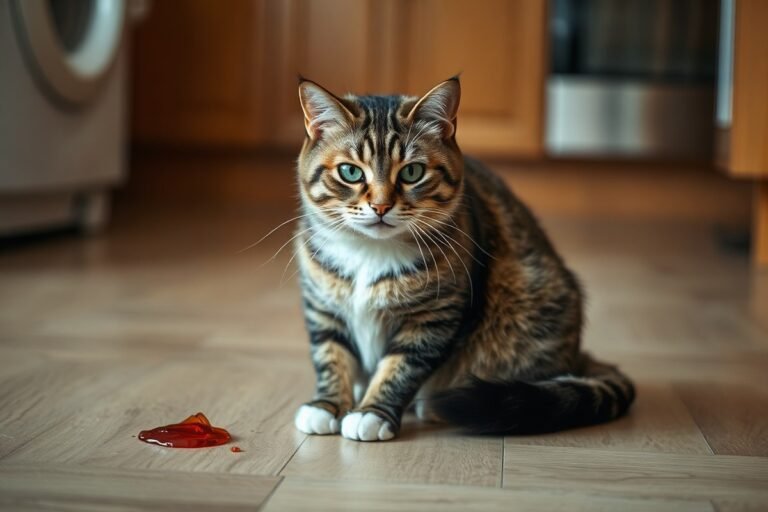
Cat vomit can vary widely in appearance, and color often provides important clues about what might be causing your cat’s vomiting. White foam usually points to an empty stomach or early nausea, possibly linked to acid buildup or a mild stomach irritation. When your cat throws up white foam once or twice but appears otherwise healthy, the concern is low. However, repeated vomiting of white foam, especially if your cat is not eating well, may signal a food allergy or a blockage and should prompt a vet visit.
Clear liquid vomit often consists of water or saliva from an empty stomach. It can happen if your cat drank too much water too quickly or vomited on an empty stomach. One or two clear vomiting episodes are usually not serious, but frequent or persistent vomiting with lethargy requires veterinary attention.
Vomiting Bile, which appears bright yellow or greenish-yellow, shows that bile from the intestines is backing up into the stomach. This often happens on an empty stomach or in conditions known as bilious vomiting syndrome. This pattern needs moderate concern; frequent bile vomiting means your cat should see a vet to rule out more serious issues.
Undigested food in vomit suggests your cat either ate too fast, ate too much, or that food is not moving properly through the digestive tract. Repeated vomiting of undigested food, especially in older cats, can indicate chronic esophageal problems or blockages and should be evaluated by a veterinarian.
Blood in vomit signals bleeding somewhere from the mouth down to the stomach and is a cause for immediate veterinary attention. It may appear bright red or as dark “coffee grounds,” which means the blood has been in the stomach longer and partially digested. Brown vomit could simply reflect undigested food or the presence of fur if your cat is grooming excessively.
Tracking vomit appearance along with frequency, your cat’s behavior, and eating habits helps you decide how urgent the situation is. Watch your cat closely for any changes after one or two vomiting episodes with mild symptoms and vomit that looks like white foam or clear liquid. Frequent vomiting, vomiting bile, undigested food, or any blood signals you should schedule a veterinary exam promptly to identify and treat the underlying cause effectively.
When Should I Worry and Call the Vet for My Cat’s Vomiting?
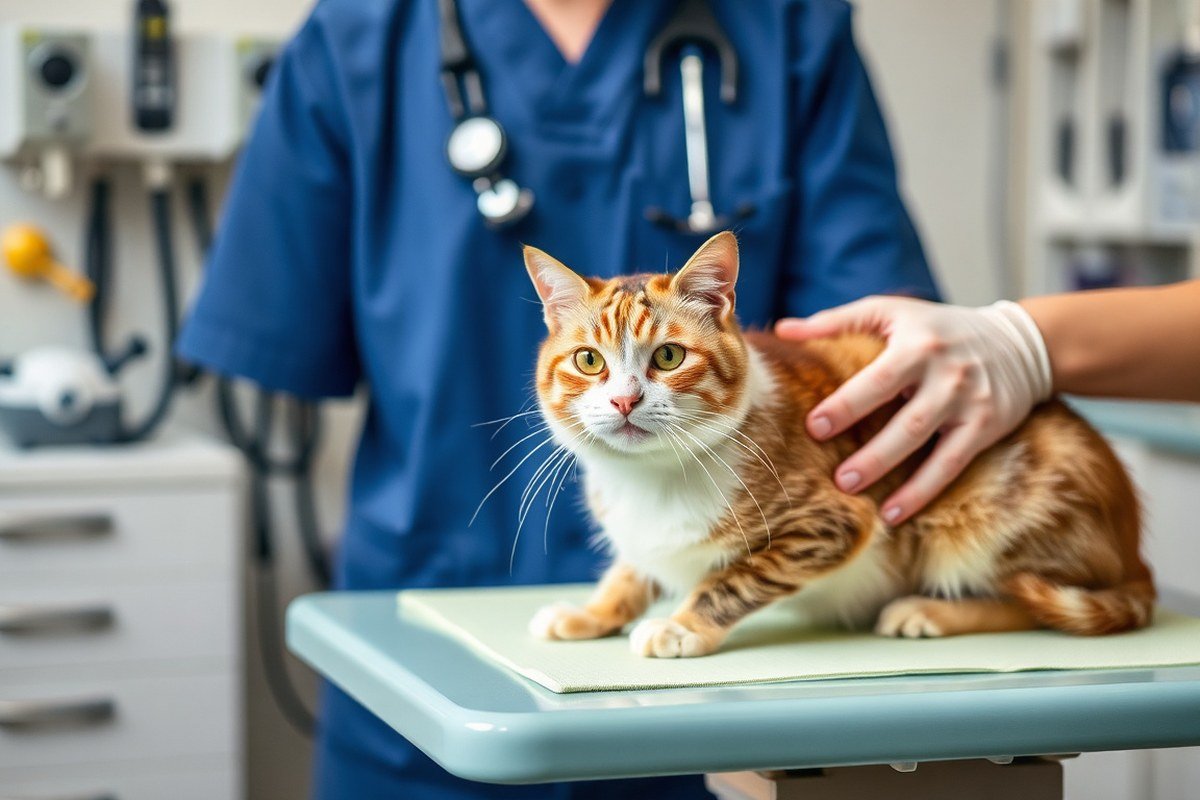
Persistent or frequent vomiting in your cat is a strong signal to contact your veterinarian. Immediate attention is needed if your cat vomits blood in any form, such as bright red or brown coffee-ground material. This could indicate serious internal bleeding. Also, watch for signs like lethargy, a painful or bloated abdomen, or if your cat cannot keep water down after vomiting. These symptoms often mean your cat is dehydrated or has an obstruction, and delaying care could worsen the condition.
A practical way to decide when to seek veterinary care is to monitor your cat closely for the first 24 to 48 hours after vomiting begins. Keep water available in small amounts to avoid gulping and further vomiting. Call your vet right away if vomiting repeats for several hours, happens daily, or if your cat refuses to eat or drink during that time. Also, if your cat shows weakness, diarrhea, or blood in the stool, make contact with your vet as soon as possible.
Isolated vomiting in an otherwise active cat eating and drinking normally is less urgent but still worth tracking. Write down the frequency, appearance, and any other symptoms to discuss with your vet. Early veterinary evaluation typically involves a physical exam, possible blood tests, and hydration support through fluids, costing between $100 and $300 depending on your location and clinic. Rapid vet intervention usually leads to quicker recovery and avoids complications such as severe dehydration or organ damage.
How to Safely Manage Your Cat’s Vomiting at Home
Start by withholding food for four to six hours to give your cat’s stomach a break. This pause helps reduce irritation and gives the digestive tract time to settle. Keep fresh water available and encourage your cat to take small sips often, as hydration is important but large gulps can trigger more vomiting.
After the fasting period, gradually reintroduce food using small, frequent meals of a bland or Veterinarian-recommended gastrointestinal diet. Offer about a quarter of your cat’s normal portion every three to four hours instead of one or two large meals. This controlled feeding can help your cat’s stomach recover without the stress of heavy digestion.
Never give your cat any over-the-counter meds or home treatments without checking with your vet first. No safe medication exists for making cats throw up at home. Avoid sudden food changes or feeding your cat human dishes, especially with a sensitive stomach. Consistent diets typically support better digestion, and abrupt diet shifts often increase vomiting.
Your veterinarian can recommend slow-feeding methods or special diets that help reduce vomiting when your cat frequently throws up after eating dry food. Feeding puzzles or specially designed bowls can slow down fast eaters, reducing reflux and vomiting caused by eating too quickly.
Monitor your cat closely during this period. Ongoing vomiting or worsening symptoms require a visit to your veterinarian for evaluation and care. They can check for underlying issues and recommend the best treatment plan based on a thorough diagnosis, which may include stool testing or other evaluations.
How Veterinarians Diagnose and Treat Chronic Vomiting in Cats
When your cat keeps throwing up repeatedly, a veterinarian follows a systematic approach to diagnose the underlying cause. The process begins with a detailed history, where you’ll be asked about the frequency, timing, and appearance of the vomit, as well as any other symptoms like changes in appetite, weight loss, or behavior. A thorough physical exam comes next, during which the vet checks your cat’s hydration, abdomen, and overall condition. Expect questions such as: “How often is your cat vomiting?”, “Has your cat shown signs of diarrhea or lethargy?”, and “What diet or treats has your cat recently consumed?”
Lab tests play a key role in diagnosis. Blood panels assess kidney and liver function, pancreas health, and thyroid levels, important because conditions like Chronic kidney disease or hyperthyroidism often cause chronic vomiting in older cats. A fecal exam screens for parasites that might trigger gastrointestinal upset. Imaging tests such as X-rays or ultrasound help identify obstructions, masses, or inflammation. In some cases, endoscopy may be performed to examine the stomach and intestines directly and collect tissue samples for biopsy, especially to diagnose inflammatory bowel disease (IBD) or intestinal lymphoma.
Treatment depends on the diagnosis. Parasite infections call for specific deworming medications, while kidney disease management involves dietary changes, hydration support, and possibly blood pressure medication. IBD treatment often includes dietary adjustments and anti-inflammatory drugs prescribed by your vet after biopsy confirmation. Blood work and imaging can take one to several days and cost a few hundred dollars, depending on your location and clinic. Early diagnosis and tailored treatment improve your cat’s quality of life and reduce vomiting episodes.
Special Cases: Vomiting in Kittens, Senior Cats, and After Vaccination
Kittens and senior cats have unique risks when it comes to vomiting. Kittens’ systems are still developing, so they may vomit from minor digestive upsets or eating too fast. Use a slow feeder or food puzzle to help kittens eat slowly, reducing vomiting caused by rapid eating. Monitor kittens closely because dehydration can occur quickly due to their small size. For seniors, frequent vomiting, even daily, can happen while they seem otherwise normal, but it might mask underlying illnesses like kidney disease or hyperthyroidism. Always track how often your cat vomits and watch for changes in behavior or appetite.
Vaccinations sometimes cause Mild, short-term vomiting in cats. This typically occurs within 24 hours post-vaccination and usually lasts less than a day. This reaction isn’t common but not unusual either. If your cat vomits lightly after shots without other symptoms like lethargy or diarrhea, you can observe at home. Make sure fresh water is always available to prevent dehydration. Contact your vet if vomiting continues more than 24 hours or worsens.
Observing your cat’s vomiting timeline guides when to call a vet. For kittens and seniors, seek veterinary care if vomiting happens more than once in 24 hours or if it occurs alongside other signs like weakness, loss of appetite, or diarrhea. For otherwise healthy cats vomiting once or twice with no other symptoms, watch closely for 24 hours. Keep a written record noting the frequency, timing, appearance of vomit, and any behavior changes. This helps your vet diagnose and treat the problem faster and more accurately.
Step-by-Step Action Plan for Managing Your Cat’s Vomiting
Follow this plan to address your cat’s vomiting promptly and effectively, reducing risks and improving your cat’s comfort.
- Day 1: Remove food for 6 to 12 hours but keep water available. Check if vomiting stops during this fast.
- Day 2: Reintroduce a bland diet in small amounts every 6 hours. Notice if your cat keeps food down without vomiting.
- Within 48 hours: Monitor vomit color and frequency closely. Document any changes and symptoms to report to your vet.
- Day 3 to 5: If vomiting lessens and your cat is alert, gradually return to normal food over several days. Observe energy and appetite.
- If vomiting persists past 24 hours or worsens: Contact your vet immediately for an exam and possible diagnostics.
- Ongoing: Prevent future issues by feeding smaller, frequent meals and avoiding sudden diet changes.
- After vet visit: Follow treatment instructions and medication schedules exactly. Note improvements or new symptoms.
- Weekly: Keep a vomiting log including dates, amounts, and any dietary changes to share at check-ups.
Frequently Asked Questions
Can Stress Cause My Cat to Keep Throwing Up?
Yes, stress can lead to vomiting in cats by irritating their stomach, so keep their environment calm and consistent.
Can Food Allergies Make a Cat Vomit Repeatedly?
Food allergies can cause chronic vomiting in cats; switching to hypoallergenic food may help.
Does Swallowing Hairballs Always Cause Vomiting in Cats?
Hairballs often cause vomiting but persistent vomiting usually signals a bigger issue requiring a vet.
Can Certain Medications Cause My Cat to Vomit Frequently?
Some medications can irritate a cat’s stomach and cause vomiting; consult your vet for alternatives.
Is Dehydration a Concern If My Cat Keeps Throwing Up?
Frequent vomiting risks dehydration; ensure your cat drinks water and contact your vet if you’re worried.
The Bottom Line
Persistent vomiting signals your cat may need more than home care. Prompt attention helps you catch problems early and keep your cat healthy. Start by watching closely for changes and keeping your vet informed. Your careful steps today can protect your cat’s well-being tomorrow.