How Long Does a Cat Stay in Heat? A Complete Guide to the Heat Cycle
How long does a cat stay in heat varies, but typically the estrus phase lasts about 3 to 14 days. Most cats remain actively in heat for around 4 to 10 days, with an average closer to one week. You may notice repeated heat cycles every two to three weeks; this matches typical feline reproductive patterns during breeding season. Keep track of your cat’s cycle length and frequency, as frequent or prolonged heat may require a veterinary check to rule out health issues.
Key Takeaways
- The estrus phase commonly lasts 3, 14 days, with 4, 10 days being typical for most cats.
- Average heat duration is about seven days, according to veterinary sources like VCA and Merck.
- Cats usually enter their first heat between 4 to 9 months of age.
- Heat cycles repeat approximately every 2 to 3 weeks during breeding season if the cat is not mated.
- Tracking heat cycles helps identify abnormalities like unusually long or continuous heat.
- A cat staying in heat longer than 21 days should be checked by a vet for possible follicular cysts.
How Long Does a Cat Stay in Heat and Why It Varies
A cat typically stays in heat, or estrus, for about 3 to 14 days, with the most common duration being roughly one week. This stage of the reproductive cycle is when the female cat is receptive to mating and displays behaviors such as loud vocalizing and restlessness. According to VCA, the average estrus length is around seven days, while Merck notes 6 to 7 days as typical. Some cats may experience a heat cycle lasting as little as three days or as long as 19 to 20 days in rare cases.
The variation in how long a cat stays in heat depends on several factors. Age plays a role: a cat’s first heat often lasts between 4 and 10 days but may differ with each cycle. Seasonal influences can also impact the cycle length, as well as the cat’s breed and overall health. Cats that do not mate during estrus can enter interestrus, a short break lasting one to 19 days on average, before going back into heat. The cycle itself repeats roughly every two to three weeks during breeding seasons in unspayed cats.
Because of this variability, you might see your cat show signs of heat for just a few days or for up to two weeks in some cycles. Keeping track of her behavior day by day can help you estimate how long her heat period lasts. If her cycle is prolonged beyond about three weeks or she seems distressed, consulting a vet is advisable to rule out underlying health issues.
Understanding the Stages of a Cat’s Heat Cycle
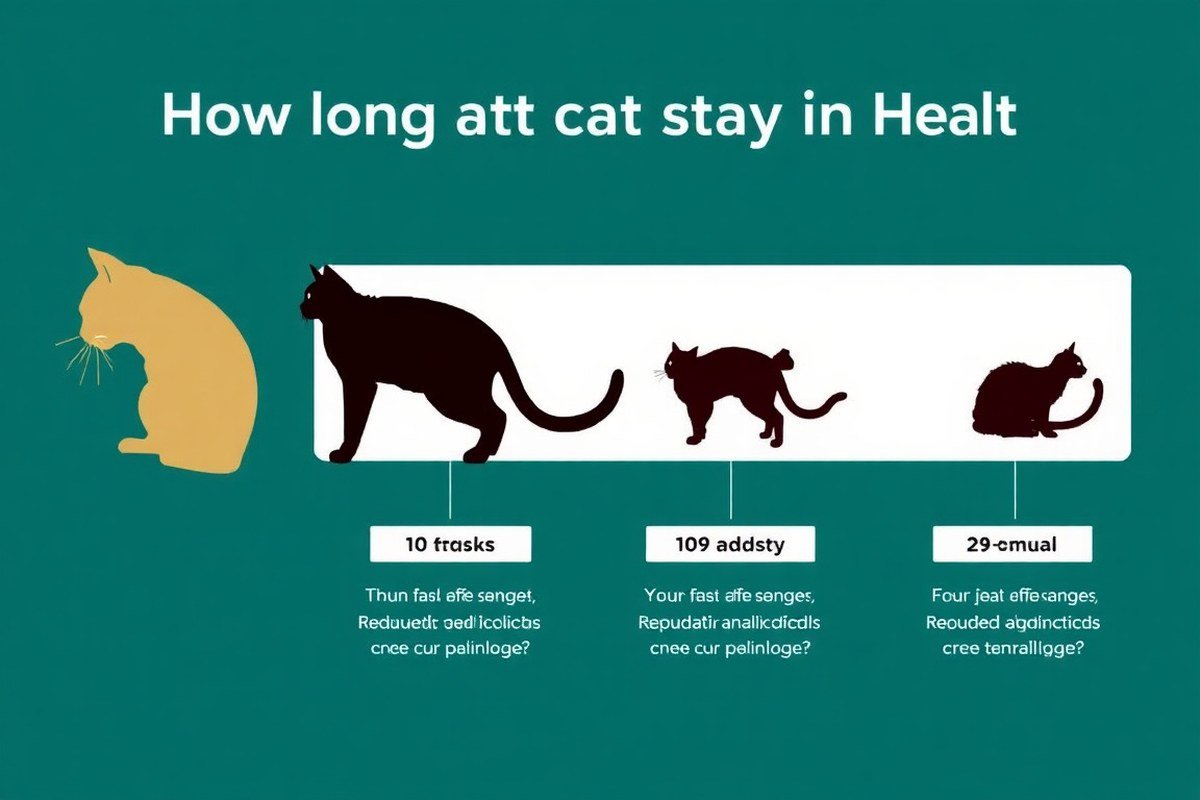
The feline reproductive cycle consists of four distinct stages: proestrus, estrus, interestrus, and anestrus. Each phase serves a specific role and lasts a different amount of time. Proestrus is the first stage, lasting about 1 to 2 days. During this initial phase, estrogen levels begin to rise, and the cat starts showing early signs of being in heat, such as increased affection and restlessness, but she is not yet receptive to mating.
The next stage, Estrus, is when the cat is actively in heat and fertile. This phase typically lasts between 3 to 14 days, with most lasting around a week. The cat will display clear signs of heat behavior including vocalization, rubbing, and assuming mating positions. This is the only stage where the cat will accept a mate and has the potential to conceive.
If the cat does not mate during estrus, she enters the Interestrus phase, which can last 7 to 14 days. This is a resting period where hormone levels decrease, and the cycle resets without pregnancy. The cat’s body prepares to start proestrus again, initiating another heat cycle unless she becomes pregnant or is spayed.
Lastly, the Anestrus stage represents a period of reproductive inactivity. It typically occurs in colder months or when outdoor daylight is limited. This phase can last several weeks to months and is characterized by the absence of heat behaviors.
Understanding these stages helps you anticipate your cat’s needs and behaviors throughout her cycle. Tracking the timeline, from 1 to 2 days of proestrus, 3 to 14 days of estrus, 7 to 14 days of interestrus, and possible anestrus, helps you manage care and plan veterinary visits. Keeping a checklist of behavioral changes during these stages can provide clarity on where your cat is in her cycle and what to expect next.
When and How Often Do Cats Go into Heat?
Cats usually have their first heat between 4 and 6 months old, though some may start as early as 3 months or as late as 12 months. Most cats reach this stage near 6 months. Spaying is often recommended around 5 to 6 months to prevent heat cycles altogether.
During the breeding season, which primarily runs from spring through early fall, unspayed cats cycle in heat about every 2 to 3 weeks. Each heat lasts roughly 4 to 7 days. If a cat doesn’t mate, her heat cycle repeats every few weeks until the season ends or she is spayed.
| Question | Answer |
|---|---|
| Age of first heat | Typically 4, 6 months (range 3, 12 months) |
| Frequency of heat cycles | Every 2, 3 weeks during breeding season |
| Length of one heat | 4, 7 days (up to 10 days) |
| Peak breeding season | Spring through early autumn (light-dependent) |
| Effect of indoor environment | Indoor cats can cycle year-round due to artificial light |
Daylight strongly influences outdoor cats’ heat cycles. Longer days prompt breeding behavior in spring and summer. Outdoor cats usually cycle from February through October, with breaks in colder, darker months. Indoor cats often keep cycling through winter because artificial lighting mimics sunlight, causing them to come into heat nearly year-round.
Recognizing Signs Your Cat Is in Heat
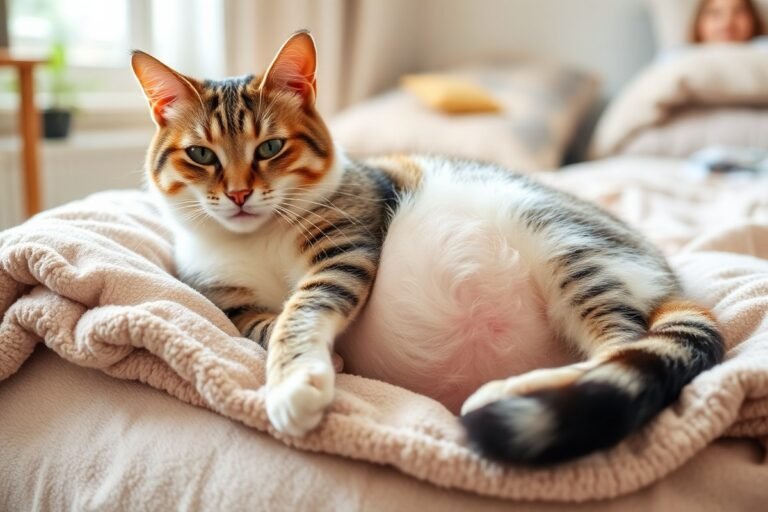
Recognizing your cat is in heat starts with noticing changes in behavior rather than physical signs. Most cats do not show vaginal bleeding during their heat cycle, so absence of blood is normal. The typical signals include increased vocalization, often loud and persistent yowling, which your cat uses to attract mates. She may also become unusually affectionate, rubbing against furniture, people, or other pets more frequently. Restlessness is common; you might see pacing or frantic attempts to escape the house to find a mate.
Behavioral changes vary by heat cycle stages. During proestrus, your cat may begin showing mild restlessness and seeking attention but won’t be receptive to males yet. When she enters estrus, the actual heat phase, her vocalizations get louder, and she’ll adopt a mating posture by raising her hindquarters and moving her tail aside. This posture clearly shows she’s ready to mate, unlike the earlier proestrus stage when these behaviors don’t occur.
Be cautious about mistaking general affection or playfulness for heat signs. Cats naturally enjoy attention and may become clingy for other reasons. An uptick in typical behavior frequency is usually the key to identifying heat. For example, a normally vocal cat is in heat if her yowling intensifies and continues for several days. To help manage signs, interactive playtime and toys can redirect energy, reducing her urge to vocalize repeatedly.
Track her behavior over days to confirm a heat cycle, noting how long the vocalizing lasts and if the mating posture appears. Noticing these signs early helps you prepare for her needs, such as keeping her indoors to avoid unplanned mating. Your cat may need a vet check if she begins heat cycles very early or becomes extremely restless. Understanding these signs makes managing her comfort and your household easier during this hormonal phase.
How to Calm Your Cat During Her Heat Cycle
Creating a calm, familiar space for your cat during her heat cycle helps reduce stress and agitation. Provide a quiet room with her bed, favorite toys, and easy access to food and water. Keep the environment at a comfortable temperature, around 68 to 72 degrees Fahrenheit, as heat or cold discomfort can worsen her restlessness. Close windows and doors to minimize outside noises and block the sight and scent of male cats, especially if you haven’t spayed her. This approach is important whether your cat is indoor or outdoor, but for outdoor cats, consider bringing her inside or safely confining her until the heat passes to avoid encounters with males.
Some cat owners try herbal remedies or pheromone products, but evidence shows these do not effectively calm cats in heat. Pheromone diffusers and sprays, like Tranquil Tails Pet Zen, may reduce general stress but don’t specifically soothe heat-cycle behaviors. Similarly, catnip works only on about 70 to 80 percent of cats and has no proven calming effect on heat-related signs. Using catnip may offer a brief distraction, but expect no long-term relief.
Engaging your cat gently with play or petting can sometimes redirect her energy, but avoid overstimulation that might increase vocalizing or agitation. Avoid sudden or harsh responses to her behaviors, such as loud scolding, as this adds stress and can damage your bond. For outdoor cats, keeping male cats neutered nearby lowers the risk of attracting persistent toms. Inside, use screens or barriers on windows to prevent male cats from seeing or smelling your cat.
Consult your veterinarian about spaying, which permanently ends heat cycles and prevents unwanted pregnancies and some health issues. Spaying before the first heat is safe and can make managing these behaviors simpler in the long term. Until then, patience and a calm environment remain the best tools to support your cat’s comfort during her heat cycles.
When to Consult a Vet About Your Cat’s Heat Cycle
When your cat remains in heat for more than 21 days without relief, it could signal a health issue like follicular cysts, according to the Merck Veterinary Manual. Prolonged or back-to-back heat cycles every two to three weeks also call for veterinary advice. Your vet can assess if complications such as pseudopregnancy or mucometra are developing. Pay attention to symptoms like excessive vocalization, disorientation, lethargy, or signs of pain, especially if they persist past the typical heat duration or worsen. These symptoms, along with unusual behavior, are important Warning signs that require prompt veterinary evaluation.
Spaying your cat is highly recommended to prevent repeated heat cycles and associated health risks like reproductive diseases. There are no known health benefits to allowing even one heat cycle before spaying. Most cats stop showing heat behaviors within days after the surgery, but surgical timing matters. Although Spaying during heat is possible, it carries slightly increased risks, such as more bleeding. Your vet can advise on the safest timing based on your cat’s condition.
The decision to seek veterinary care depends on the cycle’s length and symptoms. If your cat stays in heat continuously beyond three weeks or shows signs of distress, contact your vet immediately. Immediate attention is also necessary for heat exhaustion symptoms like panting, weakness, or collapse, which are unrelated to the heat cycle itself but pose serious risks. Monitoring heat cycle patterns and behaviors allows early detection of abnormalities and improves your cat’s well-being.
Step-by-Step Action Plan to Manage Your Cat’s Heat Cycle
Follow these steps to support your cat through her heat cycle and reduce stress for both of you.
- As soon as heat signs appear: Provide a quiet, comfortable space where your cat can rest. You’ll notice she uses it more and appears calmer.
- During peak heat (3 to 7 days in): Increase playtime with interactive toys to distract her and provide physical outlet. Observe if her vocalizing and restlessness decrease.
- Throughout the heat cycle: Avoid letting your cat outdoors to prevent unwanted mating. Confirm she stays indoors by checking windows and doors remain closed.
- Daily: Use gentle petting and soothing talk to comfort her. A reduction in pacing or rubbing against furniture shows it’s helping.
- After 1 to 2 heat cycles: Consult your veterinarian about spaying options to prevent future heat cycles. Your vet can advise based on your cat’s health and lifestyle.
- After spaying: Follow all post-operative care instructions carefully. Watch for signs like reduced heat behaviors as proof the procedure worked.
Frequently Asked Questions
How Long Does a Cat Typically Stay in Heat?
A cat usually stays in heat for about 3 to 7 days, though it can last up to 20 days in some cases. Breed and individual factors can affect the length of the cycle.
Can a Cat in Heat Come Back into Heat Quickly?
Yes, cats can go into heat again just a few weeks after the last cycle if they did not mate. This is normal and can repeat every two to three weeks during breeding season.
How Does a Cat’s Breed Affect How Long She Stays in Heat?
Certain breeds like Siamese cats often stay in heat longer due to higher sensitivity to hormonal changes. This means your cat’s breed can influence the heat duration and behavior.
At What Age Do Cats Usually Start Going into Heat?
Female cats commonly begin their heat cycles around 4 to 5 months old. This is also a good time to consider spaying to prevent unwanted litters and manage heat behaviors.
What Should I Do If My Cat Stays in Heat for More Than Two Weeks?
Prolonged heat might need veterinary advice, especially if your cat shows distress or unusual symptoms. A vet can check for hormonal imbalances or health issues causing extended heat cycles.
Wrapping Up
Your cat typically stays in heat for about a week, repeated every few weeks until she mates or is spayed. By understanding her cycle and providing calm, safe care, you can ease her discomfort and protect her health. Talk with your vet to decide the best next step, which often includes spaying for long-term relief from heat cycles.