Why Is My Cat Coughing? Causes, Treatments & When to Seek Help
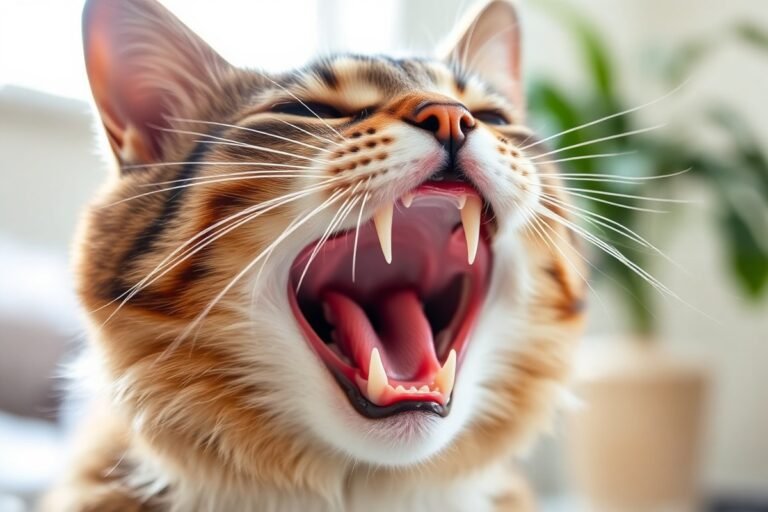
Why is my cat coughing? Coughing in cats often means irritation or inflammation in their airways from infections, asthma, or foreign objects. Persistent or worsening coughs need prompt veterinary attention to prevent complications. Start by monitoring how long the cough lasts and any other symptoms your cat shows.
Key Takeaways
- Feline asthma causes chronic coughing in 1%, 5% of cats, especially indoors.
- Coughs lasting more than 48 hours or worsening require a vet visit.
- Viral respiratory infections, mostly from herpesvirus or calicivirus, resolve in 7, 14 days with supportive care.
- Keep indoor humidity between 40, 60% to reduce airway irritation.
- Adenocarcinoma accounts for 75% of lung tumors in coughing cats, needing urgent diagnosis.
- Hairballs rarely cause steady coughing but watch for other signs if suspected.
Common Causes of Coughing in Cats Explained
Cats cough mostly because something irritates or blocks their airways. The most typical reason is Feline asthma, which causes chronic wheezing and coughing. It affects about 1% to 5% of cats, especially those who spend most of their time indoors. This condition leads to inflammation in the lower airways, causing a dry, hacking cough.
Respiratory infections are another common cause. Around 90% of these infections come from viruses like Feline Herpesvirus or Feline Calicivirus. These infections often bring symptoms such as coughing along with sneezing and nasal discharge. Infections can produce either wet coughs with mucus or dry coughs, depending on the severity and type.
Allergies and inhaled irritants can also trigger coughing by irritating the airways. This happens if your cat breathes in dust, smoke, or strong odors. Allergic reactions can cause repeated coughing and wheezing similar to asthma. Also, hairballs can cause coughing when they irritate the throat or get stuck during expulsion.
Less often, foreign objects trapped in the airways, heartworm infections, or even lung cancer (adenocarcinoma) can cause coughing. Foreign objects usually lead to sudden coughing fits, while heartworm is rarer but serious and often requires veterinary testing. Lung cancer, while uncommon, will produce persistent coughing and respiratory distress.
| Cause | Signs | Typical Results |
|---|---|---|
| Feline asthma | Dry, hacking cough, wheezing | Needs ongoing veterinary treatment |
| Respiratory infections | Wet or dry cough, sneezing, nasal discharge | Often resolves with medication |
| Allergies | Repeated coughing, occasional wheezing | Avoidance of irritants helps |
| Hairballs | Coughing or gagging during hairball expulsion | Manageable with grooming and diet |
| Foreign objects | Sudden, violent coughing fits | Emergency vet care needed |
Watching your cat’s cough type and other signs can help you figure out the cause. Dry, spasmodic coughs often point to asthma or allergies, while wet coughs usually indicate infections. Persistent or severe coughing calls for a vet visit to get the right diagnosis and treatment. Identifying what causes your cat’s cough lets you take steps to keep your cat comfortable and safe.
How to Tell If Your Cat’s Cough Is Serious and When to Act
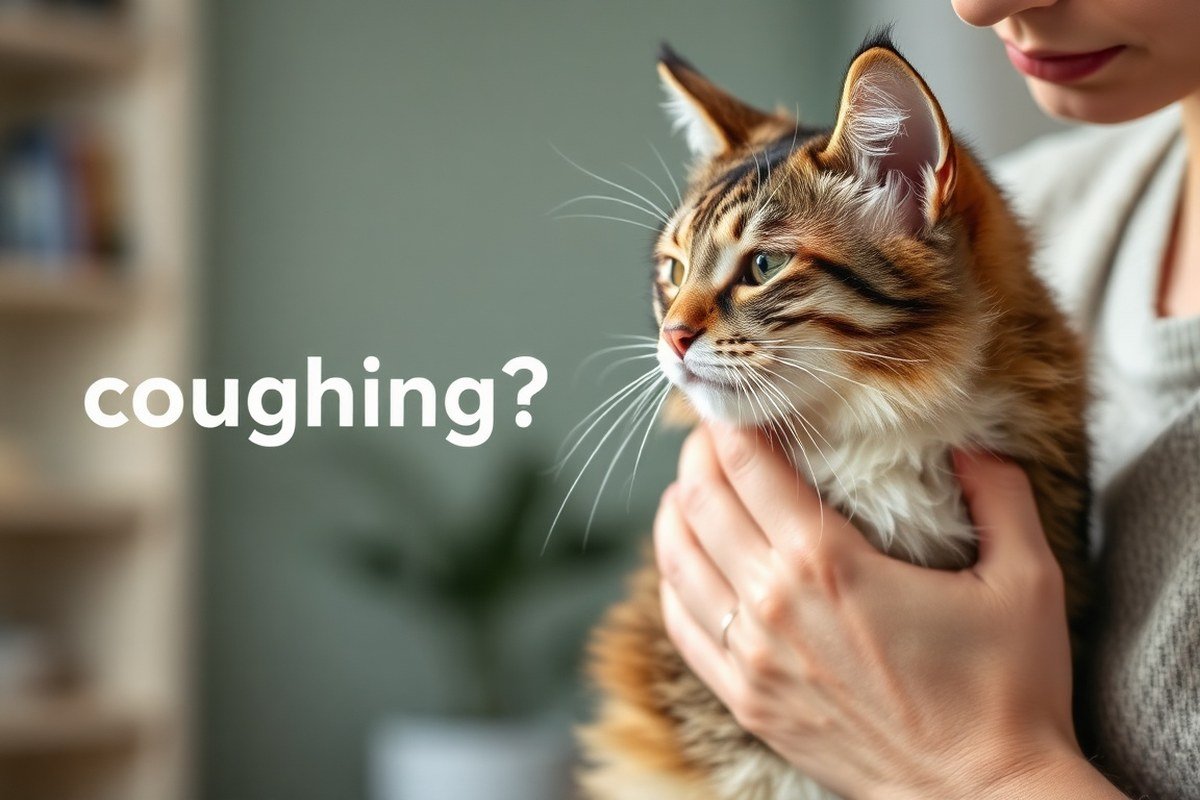
Recognizing when a cat’s cough is serious can help you act quickly to protect their health. Occasional coughing may not be urgent, but if the cough lasts more than 48 hours or worsens, you should contact your vet. Monitor how often the cough occurs and note any additional symptoms to determine the urgency.
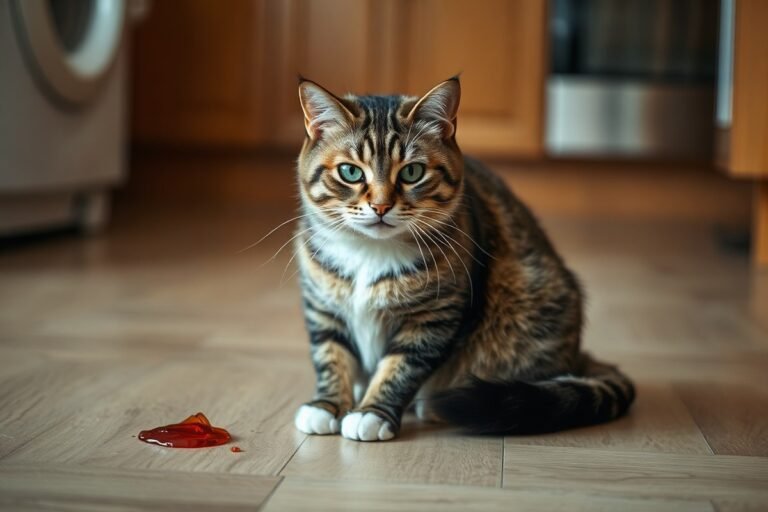
Coughing combined with breathing difficulties, lethargy, or loss of appetite signals a need for immediate veterinary care. Also, any coughing that brings up blood or blood-tinged mucus requires an emergency vet visit. Cats with bluish gums or struggling to breathe must be taken to an emergency hospital right away.
- Coughing lasting over 48 hours
- Difficulty breathing or rapid breathing
- Blood or blood-tinged mucus in cough
- Blue or pale gums indicating low oxygen
- Lethargy or notable weakness
- Loss of appetite or refusal to eat
- Discharge from eyes or nose along with coughing
For mild coughing without alarming signs, observe your cat’s pattern and keep the environment clear of irritants. If cough continues beyond two weeks or other symptoms appear, schedule a veterinary visit promptly. Your vet will ask detailed questions about duration, frequency, and the cough’s sound to determine the next steps. Acting on these signs can prevent complications, while delays may worsen underlying conditions like pneumonia or heart disease.
Home Care Tips to Relieve Your Cat’s Coughing Safely
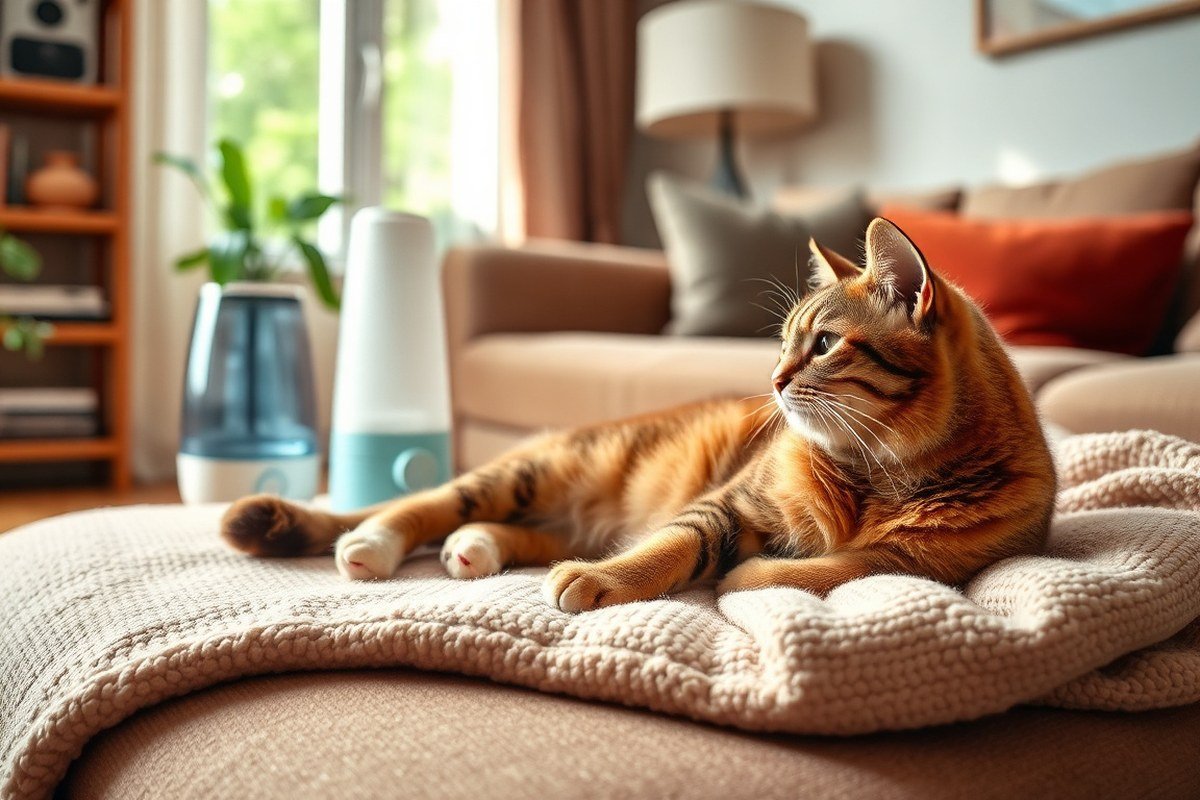
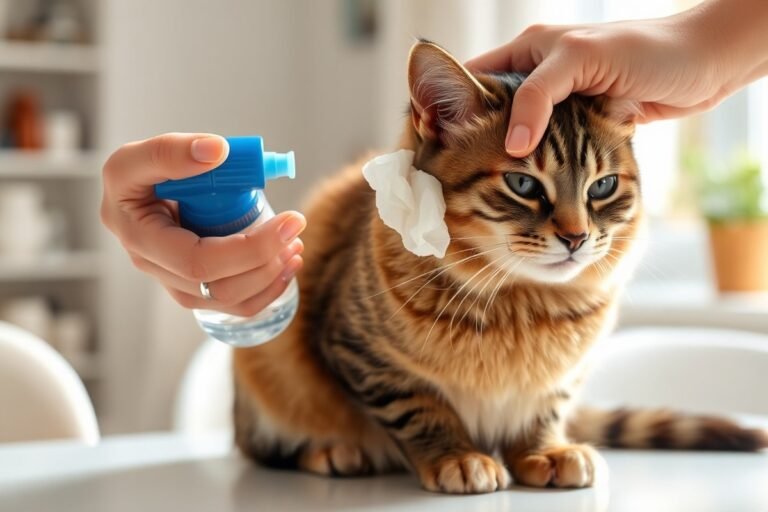
Helping your cat feel better at home starts with reducing the factors that trigger coughing. One of the easiest ways to do this is by managing your cat’s environment to lower irritants like dust, smoke, and strong aerosols. Keep your cat’s space clean and well-ventilated but avoid drafts. Using a humidifier can soothe dry airways, especially in winter or in dry climates, by adding moisture to the air at about 30% to 50% humidity. This helps prevent a dry, sharp cough that worsens when the air is too dry.
Hairballs can also cause coughing fits. Regularly brushing your cat and feeding dietary hairball control formulas may reduce coughing related to hairballs. Avoid over-the-counter human cough medicines; they can be harmful. Instead, focus on natural comfort measures and watch your cat’s breathing closely. Persistent or worsening coughs need a vet’s attention.
- Remove smoke, sprays, and strong cleaning products from your cat’s area.
- Use a cool-mist humidifier to maintain 30%-50% humidity in your home.
- Brush your cat daily to limit hair ingestion and hairball formation.
- Provide fresh water and nutritious food to support immune health.
- Keep your cat indoors or limit exposure to outdoor allergens and pollutants.
- Monitor your cat’s coughing frequency and note any changes in intensity or accompanying symptoms.
Track your cat’s symptoms daily and keep their recovery area quiet and comfortable. Signs of improvement include fewer coughing episodes and more normal breathing. If coughs persist beyond a few days or worsen, especially with labored breathing or blue gums, prompt veterinary care is essential to avoid serious complications.
How Veterinarians Diagnose and Treat Coughing Cats
Diagnosing why your cat is coughing typically begins with a thorough physical exam where the vet checks heart rate, lung sounds, and breathing patterns. This basic step helps identify signs of respiratory distress or heart issues. Chest X-rays are often next, revealing airway inflammation, fluid buildup, tumors, or heart size abnormalities. Bloodwork is common to assess infection markers, organ function, and look for parasite antibodies. For cats suspected of lungworm or other parasites, vets may recommend a fecal exam. In chronic cases unresponsive to initial treatments, specialists might perform a bronchoscopy to directly visualize the airways and determine inflammation or blockages.
Treatment plans vary based on the underlying cause. For many viral infections, supportive care with rest, fluids, and good nutrition allows recovery within 7 to 14 days without antibiotics. Common bacterial infections generally require antibiotics for 7 to 14 days to fully clear. For feline asthma, which cannot be cured but managed, vets often prescribe inhalers, oral steroids, or injections to control airway inflammation and prevent severe flare-ups. Without treatment, asthma symptoms usually worsen and can become life-threatening. If heartworm is diagnosed, specialized treatment protocols involving medications and close monitoring are necessary.
Treatment duration depends on the cause and severity. Mild respiratory infections may resolve in a week or two, while asthma management is ongoing and tailored to flare-ups. Some coughing cases may improve without medication, especially those from mild viral infections, but persistent or frequent coughing usually signals the need for veterinary treatment. Over-the-counter human cough remedies are generally ineffective and can delay proper diagnosis and recovery, sometimes worsening the condition.
Rare and Serious Conditions That Cause Cat Coughing
Rare diseases like lung tumors and laryngeal paralysis can cause coughing in cats, but these conditions are less common and typically more serious. Lung adenocarcinoma is the most frequent lung tumor in cats, making up around 75% of cases. Cats with lung tumors often show rapid breathing, lethargy, and sometimes cough up blood. These symptoms mean the cancer has progressed, affecting the airway and lung tissue, which leads to persistent coughing fits.
Laryngeal paralysis is another rare but serious cause of coughing. It happens when the nerves controlling the larynx weaken or fail, making it difficult for the cat to breathe and leading to coughing or gagging. This condition can progress over weeks to months, and cats may show noisy or labored breathing along with their cough.
Diagnosing these rare conditions usually requires advanced testing beyond a physical exam. Your veterinarian may recommend chest X-rays, ultrasound, or even a needle aspiration while your cat is sedated. For example, a small needle might collect fluid from the chest, which is tested to identify cancer cells or parasites. These procedures can cost several hundred dollars, depending on the clinic and tests needed.
A clear diagnosis is important because the treatment approach varies dramatically. Lung tumors often need surgery, chemotherapy, or palliative care, while laryngeal paralysis may require surgery to improve breathing. The prognosis for lung cancer tends to be guarded, especially if detected late. Laryngeal paralysis can improve with surgery or medical management but may worsen without treatment.
Advanced tests are especially important if your cat is older or shows worsening signs like persistent coughing, difficulty breathing, or coughing up blood. Precise diagnosis helps your veterinarian advise you on the best next steps to manage your cat’s health effectively.
How to Prevent and Reduce Coughing Episodes in Your Cat
Preventing coughing episodes in your cat involves controlling common triggers and improving their daily environment. Maintaining regular brushing sessions can significantly reduce the amount of loose fur your cat swallows during self-grooming. This lowers the risk of Hairball-related gagging, which often gets confused with coughing. Aim to brush your cat at least three times a week, especially for long-haired breeds, using a brush suited to their fur type. This simple habit helps decrease coughing caused by hair maintenance.
Diet plays a role as well. Feeding your cat a balanced diet with adequate moisture, such as wet food or adding water to dry kibble, helps keep their respiratory tract moist and reduces irritation. Avoid drastic diet changes to prevent stress, which can worsen respiratory symptoms including coughing in cats with asthma.
- Keep home humidity between 40, 60% using a humidifier to prevent dry air irritation
- Use air purifiers or keep windows open to reduce dust and indoor allergens
- Limit exposure to smoke, strong cleaning agents, and perfumes which can trigger coughing
- Maintain a stress-free environment by providing regular playtime and quiet resting spaces
- Schedule parasite prevention treatments with your veterinarian to avoid coughs linked to infections
Parasites like lungworms can cause coughing until treated, so working with your vet on a regular deworming program is essential. Environmental care is equally important. Dry, dusty air and irritants worsen respiratory health, resulting in more frequent cough episodes. Monitoring and adjusting these factors can keep your cat’s coughing episodes minimal and improve their overall comfort.
Your Quick-Start Plan to Help Your Coughing Cat
Follow these steps to ease your cat’s cough safely and know when to get veterinary help.
- Day 1: Observe your cat’s cough carefully, note how often it happens and any other symptoms like vomiting or breathing trouble. If coughing is occasional and mild, continue to the next steps.
- Day 2 to 3: Improve your cat’s environment by reducing dust, smoke, or strong scents. Watch for a decrease in coughing frequency over these days.
- Within a week: Keep your cat well hydrated and use a humidifier or visit a steamy bathroom briefly to ease airway irritation. Check if coughing becomes less harsh or less frequent.
- After 7 days: If coughing persists or worsens, schedule a veterinary appointment to rule out infections, heart issues, or other serious causes.
- At the vet visit: Share your notes on coughing patterns and any other symptoms. Follow the vet’s advice carefully, whether it’s medication, tests, or treatment changes.
- After starting treatment: Monitor your cat’s response over the next few days. Improvement in coughing, breathing, and energy levels shows treatment is working.
- Ongoing: Maintain good air quality, avoid known triggers, and keep regular vet checkups, especially for cats prone to respiratory problems.
Frequently Asked Questions
Why Does My Cat Cough After Grooming?
Cats may cough after grooming due to hairballs formed from swallowed fur. Occasional coughing caused by hairballs is common, but persistent coughing needs veterinary evaluation to rule out other causes.
Can Cold Weather Make My Cat Cough More?
Yes, cold weather can irritate a cat’s airways, increasing coughing frequency. Keeping your cat warm and avoiding drafts can help reduce coughs linked to cold air sensitivity.
Is a Dry Cough in Cats a Sign of Asthma?
A dry cough can indicate feline asthma, especially if it occurs frequently with wheezing. Asthma requires veterinary diagnosis and treatment to manage inflammation and prevent flare-ups.
Can Indoor Air Quality Affect My Cat’s Cough?
Poor indoor air quality, like smoke or dust, can trigger coughing in cats. Improving ventilation and using air purifiers may help reduce coughing episodes caused by irritants.
Why Does My Cat Cough Only at Night?
Nighttime coughing can happen if allergens or irritants in bedding trigger airway inflammation. Cleaning bedding regularly and reducing allergens can help lessen coughing during sleep hours.
Final Thoughts
Coughing in cats can have many causes, from mild irritations to serious diseases. Acting early with careful observation and environmental adjustments can help your cat feel better and avoid complications. Your next step is to monitor your cat closely and consult a veterinarian if coughing continues, changes, or comes with other signs like lethargy or difficulty breathing.