Why Is My Cat Peeing Everywhere? A Complete Guide with Proven Fixes
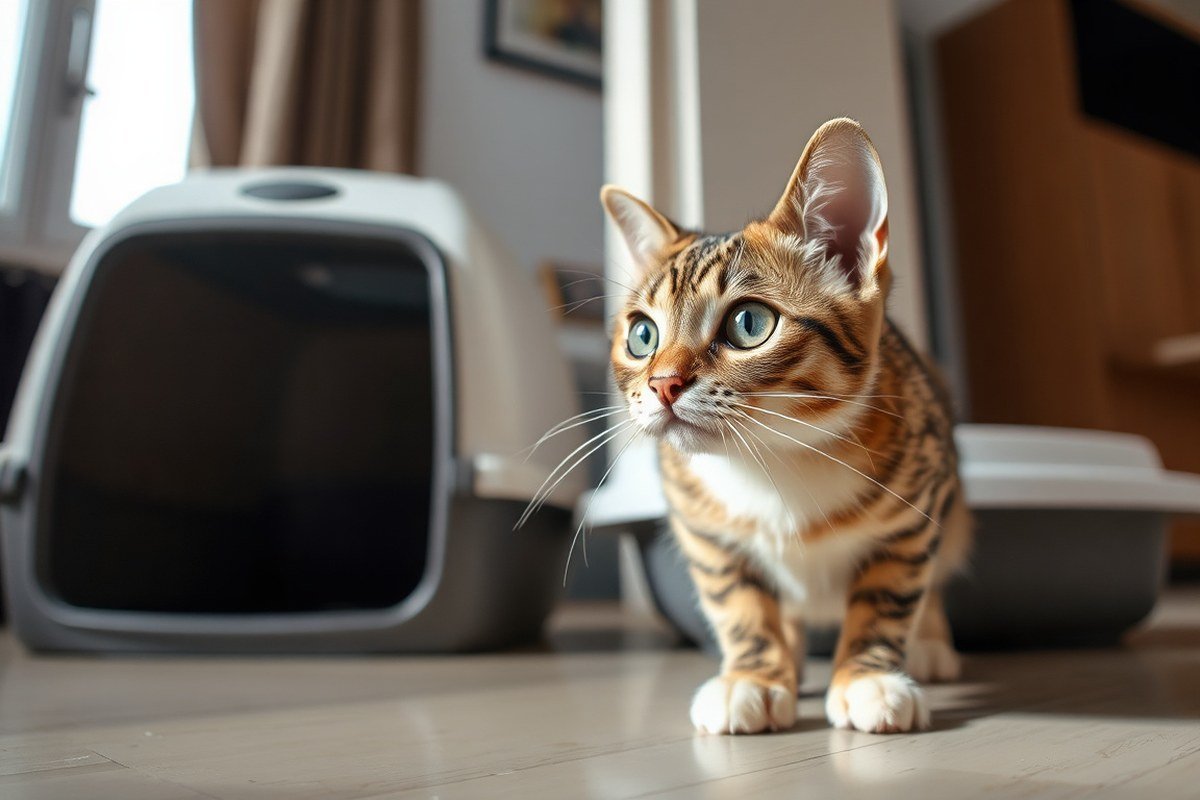
Why is my cat peeing everywhere? Cats often urinate outside the litter box because of health problems, stress, or litter box issues. Addressing medical conditions first and ensuring the litter box is clean and accessible usually stops this behavior quickly. Start by cleaning the litter box daily and checking with a vet for any health concerns.
Key Takeaways
- Take your cat to the vet immediately if they suddenly start peeing outside the box to rule out urinary tract infection or blockage.
- Use large litter boxes with low sides for older cats to ease arthritis-related access problems.
- Scoop litter boxes daily and replace the litter fully every 1 to 2 weeks to keep them inviting.
- For multi-cat homes, provide one litter box per cat plus one extra to reduce territorial disputes.
- Use clumping cat litter with odor control, such as Fresh Step Heavy Duty with Febreze.
- Spray urine spots generously, covering double the area, then let dry for 24, 48 hours to remove scent traces fully.
Why Is My Cat Peeing Outside the Litter Box?
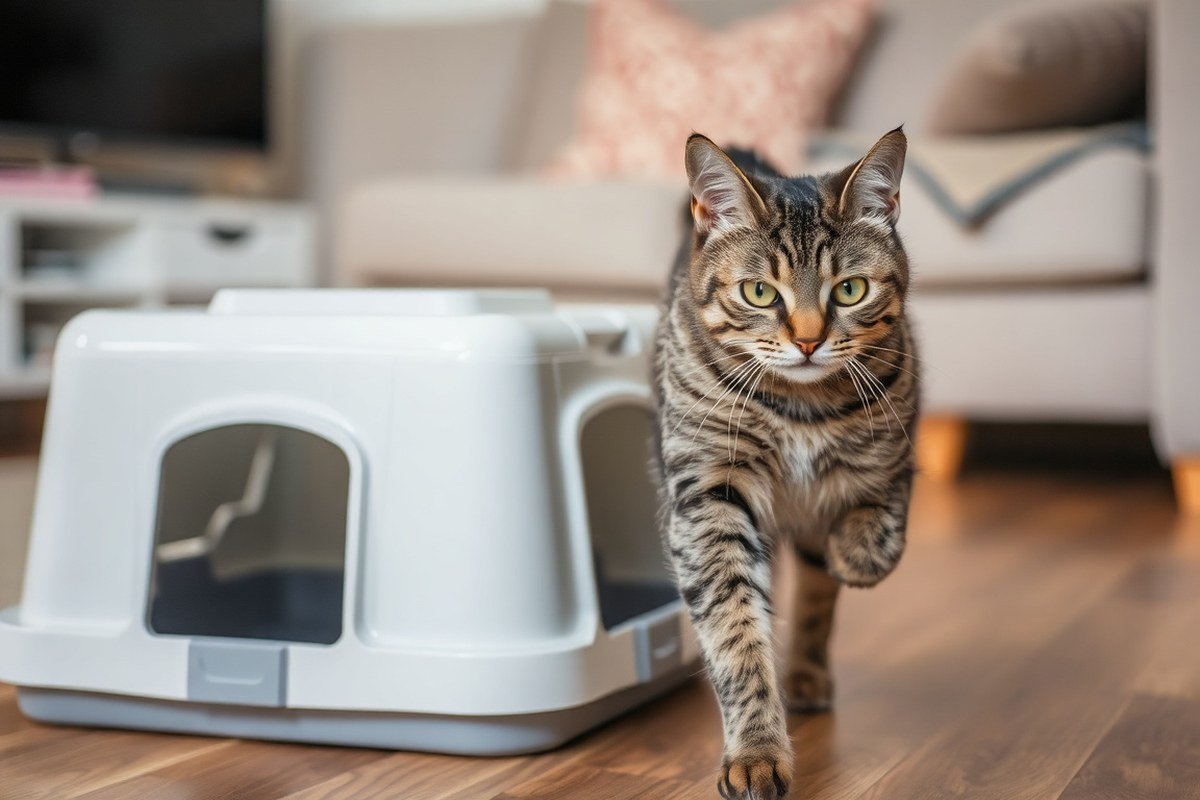
Medical issues are often the first cause to rule out when your cat pees outside the litter box. Common problems include urinary tract infections (UTIs), bladder stones, and kidney disease. These conditions cause pain or discomfort during urination, so your cat may associate the litter box with that pain and begin avoiding it. UTIs are frequent in female cats and can cause frequent, painful attempts to urinate with little urine produced. Bladder stones irritate the bladder lining, leading to similar symptoms, while kidney disease can increase urination volume and frequency. A sudden change in urination habits signals the need for a veterinary checkup to diagnose or exclude these conditions.
Behavioral and environmental stressors are other frequent triggers. Cats are sensitive to changes in their living space or routine. Moving to a new home, adding a new pet, or rearranging furniture can cause anxiety. This stress may lead to peeing outside the box as a way to mark territory or express frustration. In multi-cat households, conflicts or bullying might prevent a cat from comfortably accessing the litter box, leading to accidents. Hormonal factors can also play a role, especially in unspayed or recently spayed females who might mark or avoid the box due to discomfort or behavioral shifts.
To decide whether to see a vet first, use a quick checklist: Is the inappropriate urination sudden? Are there signs of pain, straining, or blood in the urine? Does your cat lick its genital area excessively? Is your cat urinating more often or in unusual locations like beds or shoes? You should see a vet right away if you answer yes to any of these. A thorough exam, urine tests, and possibly imaging will help identify the cause. After medical issues are ruled out, try reducing stress, adding more litter boxes, or getting advice from a cat behaviorist to fix the behavior.
How to Set Up and Maintain the Perfect Litter Box
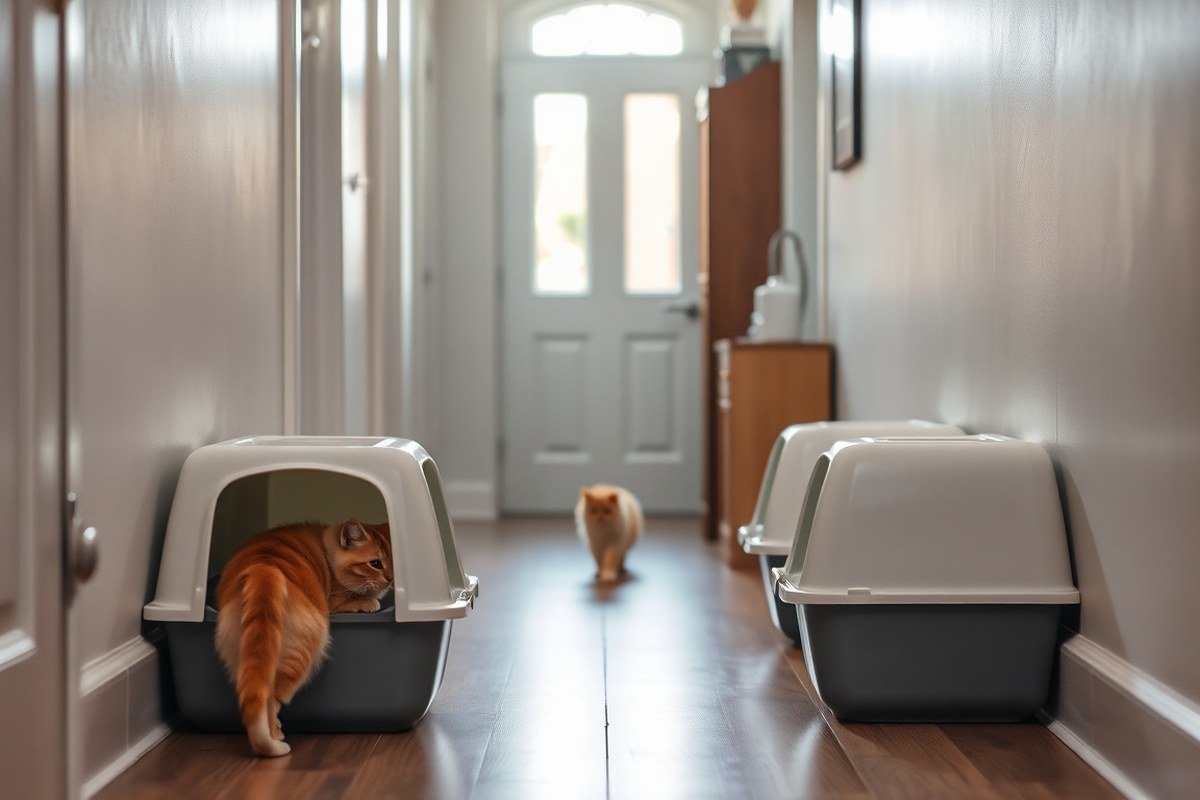
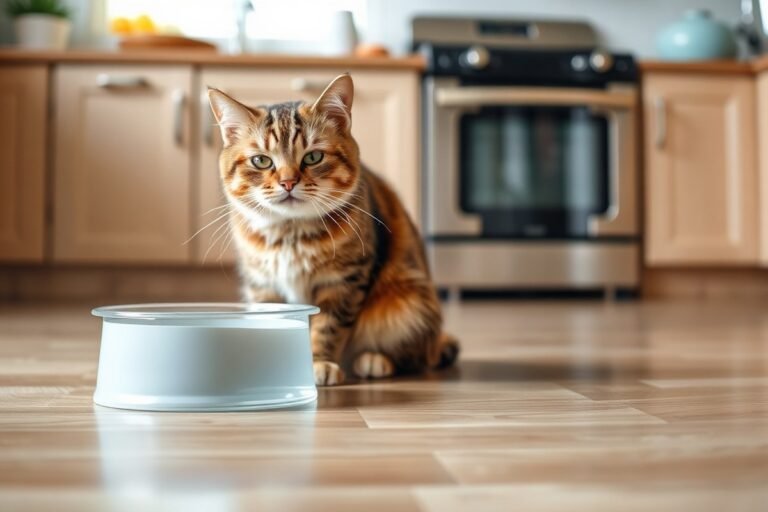
To prevent your cat from peeing everywhere, set up the ideal litter box environment by providing at least one litter box per cat plus one extra. For example, if you have two cats, offer three boxes placed in quiet, low-traffic areas away from their food and water. Each box should be large enough for your cat to turn around easily, at least 18 by 24 inches for adults. Young kittens need smaller boxes with low sides to climb in and out comfortably.
| Litter Type | Pros | Cons | Best For |
|---|---|---|---|
| Clumping clay | Easy to scoop, controls odor well | Dusty, heavier to carry | Adult cats, multi-cat households |
| Non-clumping clay | Affordable, hard to track outside box | Needs frequent changing, less odor control | Occasional use, sensitive cats |
| Silica gel crystals | Absorbs moisture, low dust | Can irritate sensitive paws | Owners wanting low maintenance |
| Biodegradable (corn, wheat, paper) | Eco-friendly, less dust | May need more frequent changing | Environmentally conscious households |
Regular cleaning is key to keeping your cat using the litter box. Scoop out waste daily and completely change the litter and clean boxes with mild soap and water every one to two weeks. Keeping boxes spotless discourages avoidance and limits smells that could drive your cat away. Make sure to dry boxes thoroughly before refilling.
- Place litter boxes in quiet, accessible spots, not near noisy appliances or heavy foot traffic
- Use unscented, low-dust litter to minimize irritation and encourage use
- Add a box when you add a new cat to the home
- Consider covered boxes only if your cat prefers; some cats dislike being enclosed
- Keep litter depth about 2 inches for easy digging
- Change location gradually if needed, to reduce stress
- Observe your cat’s preferences and adjust litter or box style accordingly
For multi-cat homes, providing enough boxes prevents territorial disputes that lead to peeing outside the box. In smaller spaces, spread boxes across different levels or rooms to ensure privacy. If changes to litter type or location trigger accidents, return to what worked before and reintroduce changes more slowly over days or weeks. These steps help your cat feel secure and encourage consistent litter box habits.
Recognizing and Managing Stress-Related Urination
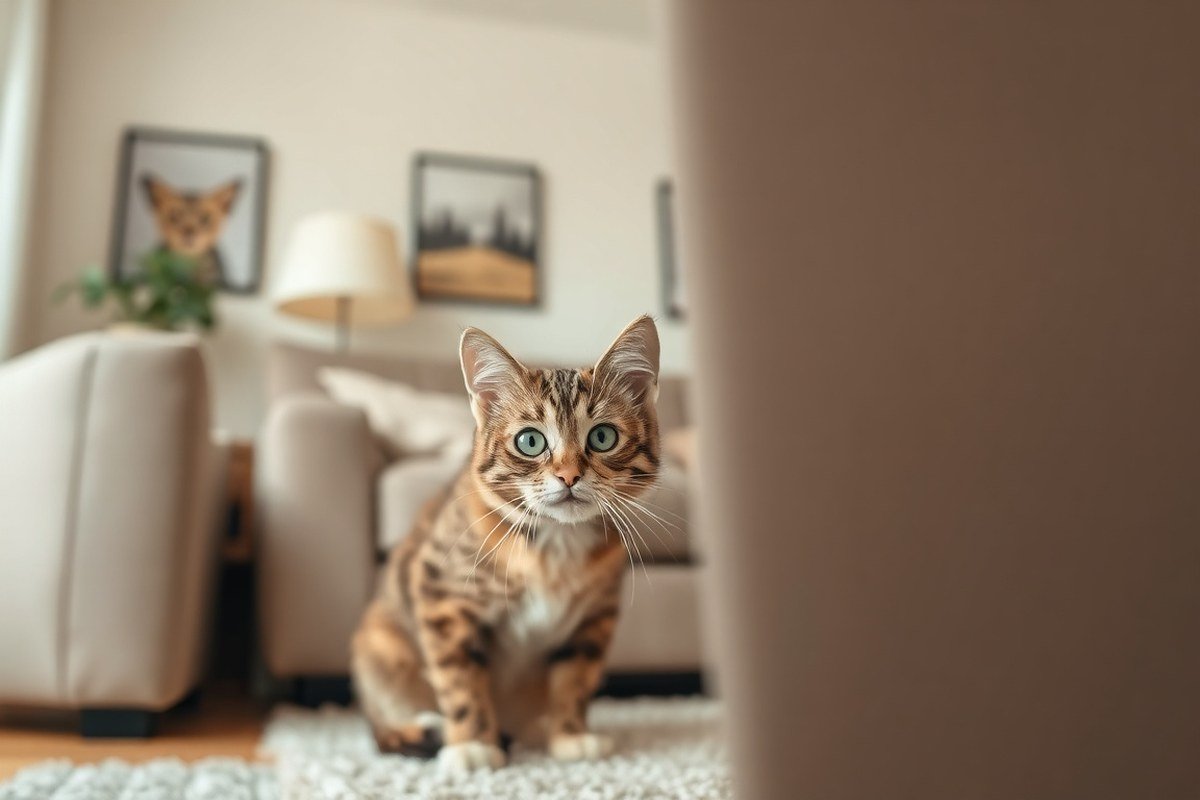
Stress and environmental changes can significantly affect your cat’s urination habits, often leading to inappropriate peeing. Typical stressors include introducing new pets, relocating, changes in your daily routine, or even loud noises. Cats respond to these stressors by marking territory or avoiding the litter box, especially in multi-cat homes where competition or guarding of the box may occur. Watching for signs such as hiding, excessive grooming, restlessness, or vocalizing can help you recognize anxiety in your cat.
To reduce stress-related urination, place litter boxes in quiet, easily accessible locations, ensuring you have one more box than the number of cats you own. Clean boxes frequently to encourage use and reduce territorial disputes. Providing environmental enrichment like interactive toys, scratching posts, and hiding spots helps keep your cat engaged and calm.
Safe calming products such as pheromone diffusers (e.g., Feliway) can support stress management; they release synthetic feline facial pheromones that may create a reassuring environment. These products typically cost around $25 to $50 and are best used continuously for several weeks. For severe anxiety, veterinarians might prescribe medications to help, but this requires professional consultation. If stress-related urination continues despite environmental changes and calming aids, consulting a veterinary behaviorist is advisable. They can tailor strategies or prescribe treatments based on your cat’s specific needs and the household dynamic.
Cleaning and Deodorizing Areas Where Cats Have Peeed
Cleaning urine spots thoroughly helps stop your cat from marking or urinating in the same place again. Using enzyme-based cleaners is essential because they break down urine proteins, removing the smell that attracts your cat back. Cover the entire soiled area plus double the surrounding space to address splashes your cat may not have peed on directly. Follow these steps carefully:
- Absorb fresh urine immediately with paper towels or cloth to blot up as much as possible. Avoid rubbing, which can push urine deeper into fibers.
- Apply an enzyme-based cleaner generously to the spot and extend at least twice the size of the visible stain. These cleaners can cost around $10 to $20 for a bottle and are available online or pet stores.
- Allow the cleaner to sit according to the product instructions, typically 10 to 15 minutes, to let enzymes break down urine compounds.
- Blot the area again with a clean cloth to absorb the solution and dissolved urine residues.
- Air dry fully for 24 to 48 hours. Partial drying can let odors linger and encourage repeat marking.
- Repeat if needed if the area still smells after drying. Testing can be done simply by sniffing or using a pet urine detector spray, which makes urine glow under UV light for about $15 to $25.
Common mistakes include using ammonia-based cleaners, which smell similar to urine and can encourage your cat to mark again. Also, failing to cover enough area around the stain lets urine odors linger unnoticed. Avoid harsh chemical cleaners that don’t break down urine proteins, as the scent will remain detectable to your cat. Thorough cleaning with the right products helps reduce repeat accidents over time.
When to Seek Veterinary Care for Urination Problems
Sudden urination outside the litter box requires immediate veterinary attention, especially if your cat strains to urinate, makes frequent trips with little urine, or has blood in the urine. These symptoms suggest a possible urinary tract infection (UTI) or blockage, which are more frequent and serious in male cats. Leaving these signs untreated can cause a dangerous emergency, as blockages can fully stop the flow of urine.
When preparing for a vet visit, note recent changes in urine habits, the frequency and amount of urine, and any accompanying symptoms like vocalizing during urination or lethargy. Also, bring a sample of your cat’s urine if possible. Accurate information helps the vet diagnose the cause, which may range from infections and bladder stones to kidney disease or feline idiopathic cystitis (FIC), a stress-related bladder condition.
During the examination, the vet will perform a physical check and likely recommend urinalysis, blood tests, and possibly imaging like X-rays to identify blockages or stones. Treatment varies by diagnosis: UTIs often respond well to prescribed antibiotics, bladder stones may require dietary changes or surgery, and FIC is managed through stress reduction and environmental changes.
Older cats require special attention since age increases the risk of chronic kidney disease and diabetes, both of which can affect urination. Female cats can also develop UTIs but are generally less prone to blockages than males. The prognosis depends on timely treatment; cats treated early typically recover well, but delayed care can lead to severe complications or death.
| Symptom | Severity | Action |
|---|---|---|
| Straining to urinate, frequent attempts, little urine | High | Immediate vet visit |
| Blood in urine, vocalizing while peeing | High | Immediate vet visit |
| Sudden frequent accidents outside the box | Moderate | Vet visit within 24-48 hours |
| More subtle changes in litter box habits | Low | Monitor and schedule routine vet check |
Step-by-Step Action Plan to Stop Your Cat from Peeing Everywhere
Follow this guide to address your cat’s urination outside the litter box effectively. Track progress by noting changes in your cat’s bathroom habits and behavior.
- Day 1: Thoroughly clean all soiled areas with an enzymatic cleaner to remove odors that encourage repeat marking. Check if your cat returns to these spots within 48 hours.
- Day 2: Assess and improve litter box setup, ensure you have enough boxes (one per cat plus one extra), use unscented clumping litter, and place boxes in quiet, accessible locations. Observe your cat’s litter box use over 3 days.
- Week 1: Introduce stress reduction strategies such as interactive play, consistent daily routines, and safe hiding spots. Notice if your cat appears more relaxed and less anxious.
- Week 2: Monitor urine output and behavior. Note any signs like frequent attempts to urinate outside the box, vocalizing, or visible discomfort.
- Week 3: If improper urination persists, schedule a veterinary exam to rule out medical causes like urinary tract infections or crystals. Follow your vet’s advice carefully.
- Week 4: Adjust litter box cleaning frequency, scoop daily and wash boxes weekly, to maintain cleanliness and encourage use. Watch for renewed consistent litter box visits.
Frequently Asked Questions
Why Is My Male Cat Peeing Everywhere but Not My Female?
Male cats often spray to mark territory, which differs from female elimination and needs distinct handling. Understanding this behavior helps target your response correctly.
Can Changes in My Home’s Routine Cause My Cat to Pee Everywhere?
Yes, stress from changes like moving or new pets can trigger inappropriate urination. Keeping a stable environment helps reduce this behavior.
How Can I Tell If My Cat Is Peeing or Spraying Everywhere?
Peeing usually involves full urination in a location, while spraying is small amounts on vertical surfaces to mark territory. Identifying this guides treatment.
Is My Cat Trying to Communicate Health Issues by Peeing Everywhere?
Yes, inappropriate urination can signal medical problems like urinary tract infections. A vet visit is essential for proper diagnosis and care.
Can My Cat’s Diet Affect Why It’s Peeing Everywhere?
Diet can influence urinary health, contributing to irritation or infections that cause urination outside the box. Discuss diet with your vet for tailored advice.
Wrapping Up
Tackling the problem of your cat peeing everywhere starts with understanding the cause and addressing it systematically. Taking action on cleaning, litter box setup, and stress can improve your cat’s habits significantly. Start by cleaning the problem areas thoroughly and evaluating your litter box arrangement today.