Why Is My Cat Throwing Up? A Complete Guide with Causes, Care & When to Act
Why is my cat throwing up? Vomiting in cats can result from simple causes like hairballs or minor diet upset, but it may also signal deeper health issues. Watching your cat’s behavior and the frequency of vomiting helps determine if home care is enough or if veterinary help is needed. Start by noting how often your cat vomits and any changes in appetite or energy.
Key Takeaways
- Isolated vomiting in a playful and eating cat usually isn’t urgent; monitor for changes before seeking care.
- Repeated vomiting, lack of appetite, or lethargy require prompt veterinary evaluation to rule out serious conditions.
- Offer your cat small sips of water, about one to two tablespoons every 30 minutes, to prevent dehydration.
- Transition any new food over 7 to 10 days to reduce vomiting caused by dietary changes.
- Vomiting yellow bile or blood indicates the need for immediate veterinary attention due to potential digestive issues.
- Keep a vomit log including frequency, color, and contents to share with your veterinarian for accurate diagnosis.
What Causes a Cat to Throw Up? Common Reasons Explained
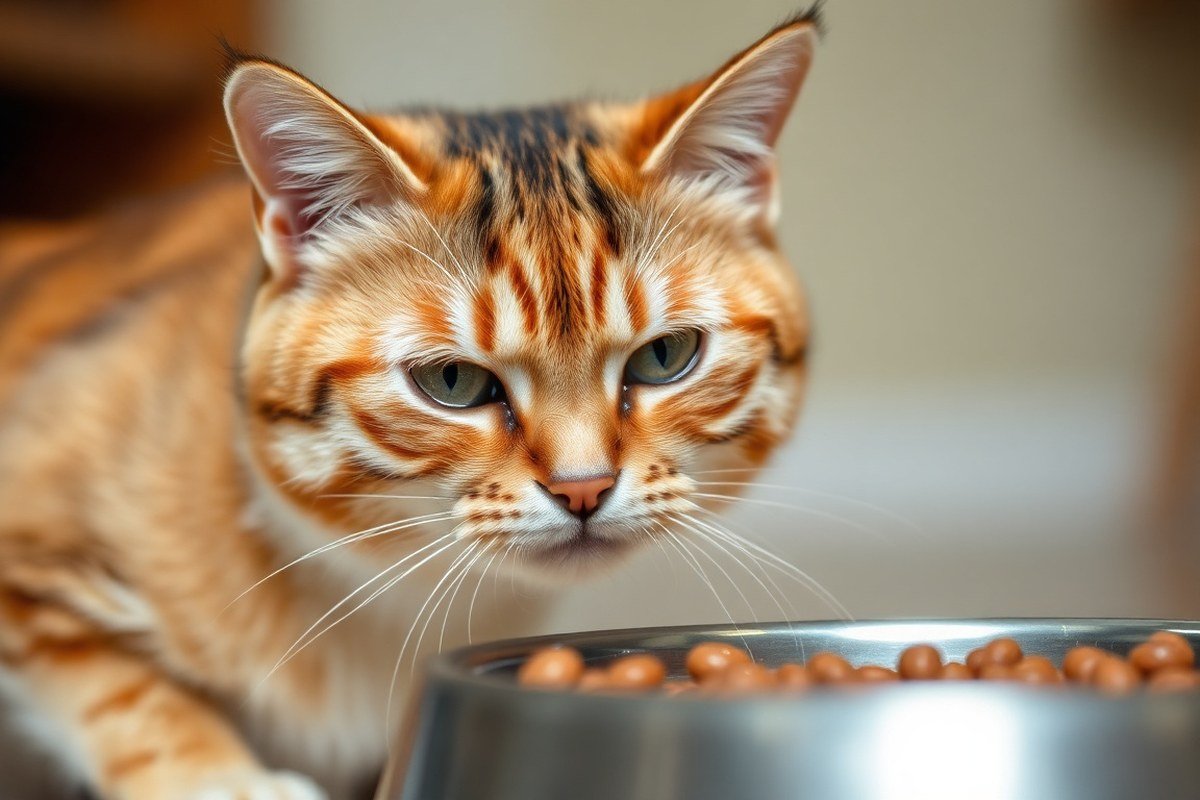
Vomiting in cats has many triggers, but the most common ones relate to diet, minor stomach irritations, or behavior. Cats often throw up after eating too fast, which causes stomach upset or forces undigested food back up. This can happen if they gulp down large amounts or compete with other pets at the food bowl. Using a slow feeder or dividing meals into smaller portions helps reduce vomiting caused by rapid eating.
Hairballs are another frequent cause. Grooming causes cats to swallow loose hair, which sometimes forms clumps in the stomach. When these clumps become uncomfortable, vomiting helps expel the hairballs. Occasional hairball vomiting is typical in healthy adult cats, but frequent cases may need addressing with special diets or treatments.
Dietary indiscretions also explain many vomiting episodes. Eating something inappropriate or spoiled, sudden changes in food, or exposure to toxins often lead to vomiting. Common household plants, chemicals, or human foods can quickly irritate a cat’s stomach. If your cat vomits worms, it likely indicates a parasite infection, which requires veterinary diagnosis and treatment. Regular deworming and monitoring diet help lower this risk.
Vomiting can also signal underlying illnesses ranging from infections to organ dysfunction, but occasional vomiting without other symptoms like lethargy, refusal to eat, or dehydration generally points to less severe causes. Recording any changes in diet, behaviors like excessive grooming, and introducing new substances is important for your vet to identify the cause. Your vet will recommend tests or treatments based on the full history and physical exam to manage or prevent future episodes effectively.
How to Tell Vomiting, Regurgitation, and Hairballs Apart
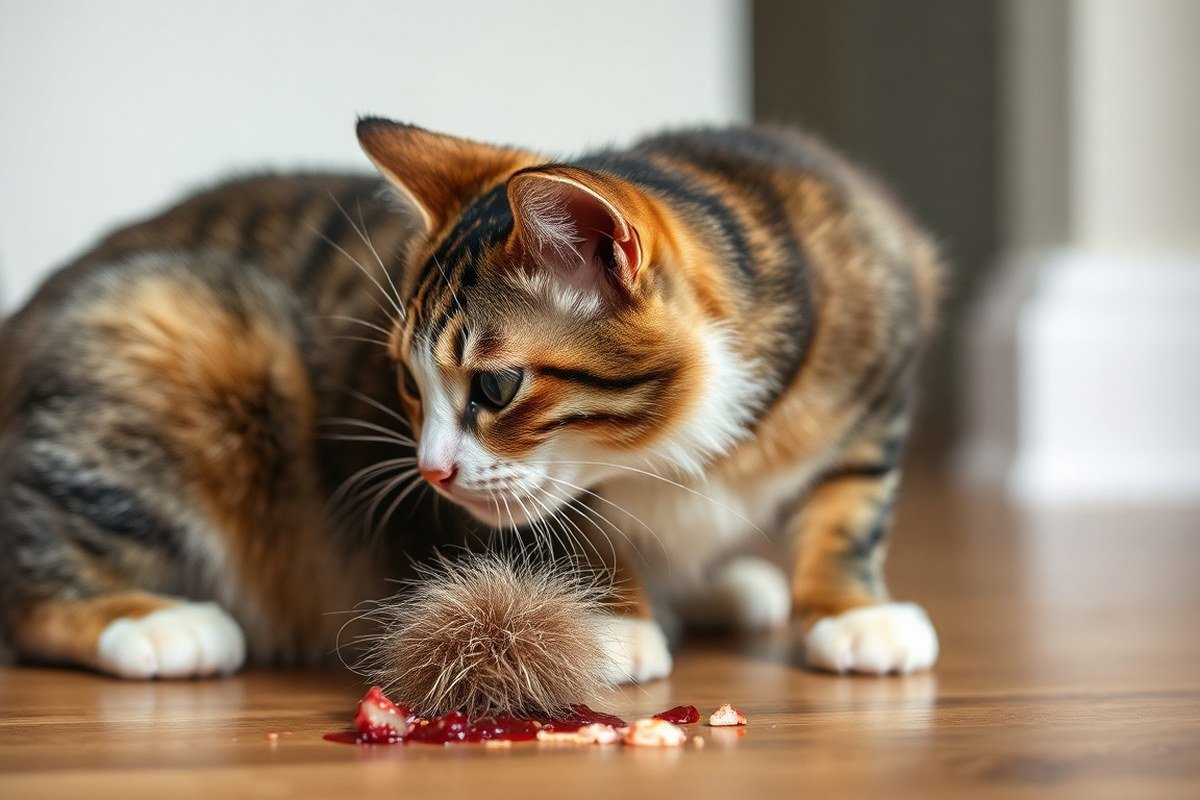
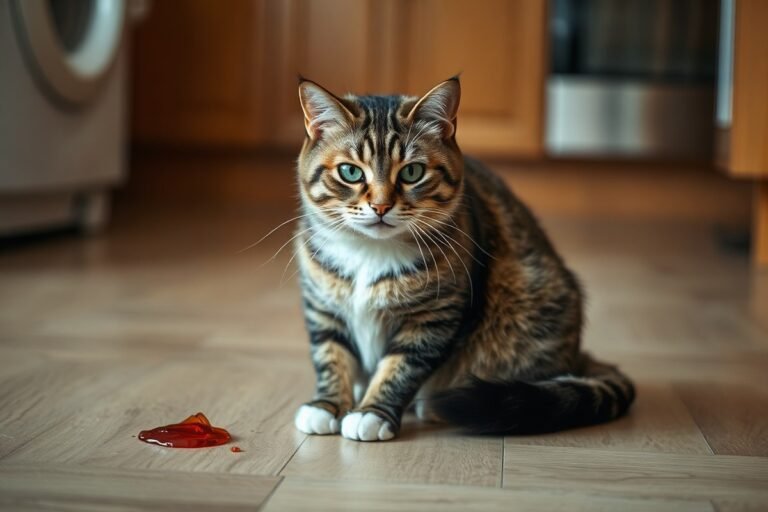
You can tell vomiting from regurgitation and hairballs by watching your cat’s behavior and the material expelled. Vomiting usually follows nausea signs like lip licking, drooling, and a hunched posture with repeated retching. The vomit often contains partially digested food, bile, or liquid from the stomach and is forcefully projected. Regurgitation happens without warning or retching and usually involves undigested food coming up passively from the esophagus shortly after eating.
Hairballs, or trichobezoars, are clumps of compressed fur that your cat grooms up and then expels. They come out as cylindrical wads and are often accompanied by retching but without the other nausea signs seen in vomiting. An occasional hairball is normal in cats that groom heavily, but frequent hairball vomiting or retching without anything expelled suggests a problem that your vet needs to see.
Distinguishing these is important because treatment differs. Mistaking regurgitation for vomiting can lead you to delay vet care for serious conditions like esophageal disorders or kidney disease. Confusing hairballs with vomiting might make you overlook underlying issues if the vomiting becomes frequent or your cat’s behavior changes. To identify the correct issue, observe how often your cat expels material, what it looks like, and what precedes the event. A slow, passive release soon after eating signals regurgitation. Forceful retching, saliva, and a sour smell point to vomiting. A thick fur bundle coming up occasionally is likely a hairball.
Recording a video of your cat’s episode can help your vet differentiate these expulsions. Avoid repeatedly offering food or water immediately after vomiting, since that might worsen nausea. Keeping a diary of when and what your cat throws up helps track patterns and informs your vet about chronic or acute problems. Recognizing these differences protects your cat’s health by ensuring timely, appropriate care.
What Your Cat’s Vomit Color and Content Reveal About the Cause

Examining the color and content of your cat’s vomit can give important clues about why Your cat is throwing up. Different colors often point to specific causes, but remember, color alone does not diagnose the problem. White foam or clear liquid usually means your cat’s stomach is empty or producing excess acid and saliva. Vomiting this type once when your cat otherwise seems fine is generally less concerning. In contrast, yellow or green vomit contains bile, which tends to happen when the stomach is empty or irritated. Frequent bile vomiting requires veterinary attention since it may signal digestive upset.
Undigested food in vomit often means your cat ate too quickly or too much, resulting in a simple stomach upset. This type is common and less alarming if it happens once or twice without other symptoms. Vomit that appears bloody or looks like coffee grounds is a sign of bleeding somewhere in the digestive tract and is more serious. This type needs prompt veterinary evaluation. Likewise, brown vomit may just reflect the color of undigested food but should be watched if it recurs.
| Vomit Type / Color | What It Often Means | How Concerned to Be |
|---|---|---|
| White foam | Empty stomach acid or early nausea; may accompany hairballs | Low if one-time, moderate if repeated |
| Clear liquid | Water or saliva from empty stomach | Low once, moderate if frequent or with lethargy |
| Yellow or green bile | Bile from empty or irritated stomach | Moderate; frequent vomiting means vet visit needed |
| Undigested food | Too fast or too much eating | Low if occasional, higher if frequent |
| Bloody or coffee-ground | Bleeding in mouth, esophagus, or stomach | High; emergency vet care needed |
Normal cat vomit often looks like white foam or contains hairballs, which appear as fur masses darker than the cat’s coat from stomach acid. If your cat vomits this type once and behaves normally afterward, it’s usually not urgent. Watching for patterns and other symptoms like lethargy, repeated vomiting, or signs of pain will tell you when a veterinary exam is necessary. Tracking the vomit’s look accurately helps your vet find the cause faster and figure out the right treatment.
When Is Cat Vomiting a Normal Occurrence? Frequency and Context
Vomiting once in a while is usually not a serious concern, especially if your cat quickly returns to normal eating, drinking, and activity levels. Most often, a single throw-up session linked to a hairball clearing is Normal in healthy cats. Such isolated events, happening about once a month or less, don’t generally require a vet visit. The key factor is how your cat behaves after vomiting, if she seems fine, there’s little cause for alarm.
Cats that vomit multiple times within a day or vomit frequently over several days need a veterinary checkup. Repeated vomiting is not normal for cats and can point to digestive problems, infections, or other health issues. In older cats, chronic vomiting often signals more serious conditions such as kidney disease or hyperthyroidism, which need blood tests for proper diagnosis. You should monitor the vomiting episodes carefully and note their frequency and timing to share with your vet.
Kittens are more vulnerable when vomiting occurs and should be assessed sooner by a vet. Because their bodies are smaller and less resilient, even an occasional episode can lead to dehydration or nutritional issues. Senior cats may vomit due to age-related illnesses, so paying close attention to unusual vomiting patterns is important. For cats of any age, vomiting bile (yellow or green fluid) especially on an empty stomach, may suggest a digestive disorder or underlying disease requiring professional care.
Serious Causes Behind Frequent or Chronic Vomiting in Cats
Frequent or chronic vomiting in cats often signals serious underlying health problems that require veterinary attention. Among the most common diseases are Chronic kidney disease, inflammatory bowel disease (IBD), hyperthyroidism, and parasitic infections. Kidney disease usually affects senior cats and causes vomiting from toxin buildup in the blood. This condition often comes with increased thirst and weight loss.
Inflammatory bowel disease causes persistent gut inflammation, leading to recurrent vomiting, diarrhea, and weight loss. It is progressive and manageable but won’t improve without veterinary care. Hyperthyroidism results from an overactive thyroid gland, which speeds up metabolism and can cause vomiting alongside other symptoms like increased appetite and restlessness. Parasites living in the digestive tract may also cause frequent vomiting and need specific treatments.
To diagnose these issues, veterinarians start with a Complete blood count and chemistry panel. This testing checks for anemia, organ function, systemic inflammation, and hormone levels, helping identify liver issues, kidney disease, and hyperthyroidism. Urine analysis, imaging tests, and sometimes biopsies can further pinpoint causes like IBD or cancer. Bloodwork can cost a few hundred dollars depending on your vet and location.
Effective treatment depends on the diagnosis. Chronic kidney disease management involves controlling toxins through diet changes and medications. IBD may require anti-inflammatory drugs and dietary adjustments. Hyperthyroidism is treatable with medication, radioactive therapy, or surgery. Parasite infections often clear with deworming medications. Untreated chronic vomiting risks dehydration, malnutrition, and worsening organ damage, so early veterinary evaluation is important for your cat’s wellbeing.
Emergency Signs in a Vomiting Cat: When to Call the Vet Now
Take your cat to the vet immediately if you see Blood in their vomit or stool, as this indicates serious internal injury or disease. Repeated vomiting with no results, especially if your cat’s belly looks painful or swollen, calls for emergency care to rule out obstructions or severe gastric problems. Weakness, collapse, or extreme lethargy along with vomiting are signs your cat is in urgent need of professional treatment.
Your cat vomiting repeatedly over several hours or not keeping water down creates a significant risk of dehydration. Cats are prone to dehydration faster than dogs, especially if vomiting occurs with diarrhea. You can help by offering small amounts of fresh water or an electrolyte solution recommended by your vet. Avoid large volumes to prevent further stomach upset.
Use this simple decision rule: Any vomiting more than twice within a few hours or coupled with signs like refusal to drink, lethargy, diarrhea, or bloody vomit means stop home care and contact your vet immediately. This approach helps catch emergencies early before complications like severe dehydration or shock develop. Be ready to describe how often your cat vomits, the vomit’s appearance, and any other symptoms when you call.
Dehydration signs include sunken eyes, dry gums, and decreased skin elasticity (skin tenting). The appearance of these signs means your cat might need veterinary fluids quickly to stabilize. Emergencies of this nature require professional IV or subcutaneous fluid therapy, which can cost from $100 to $300 per treatment depending on the clinic and your location. Avoid trying to rehydrate at home if vomiting is persistent or your cat refuses fluids.
Effective Home Care Steps for a Cat That’s Throwing Up
Begin by withholding food for four to six hours after your cat vomits to give their stomach time to settle. Do not withhold water during this period; your cat should have constant access to fresh water to prevent dehydration. When your cat feels nauseous but keeps drinking, offer small amounts of water every 15 to 30 minutes instead of letting them gulp large volumes at once.
After the fasting period, gradually reintroduce a bland diet. Start with small portions of a single, easy-to-digest food like boiled chicken or a prescription bland canned food specifically designed for cats. Feed roughly one-quarter of their normal meal size every three to four hours over the next 24 hours. Avoid mixing different foods or offering treats to avoid further stomach upset. Once your cat tolerates the bland food without vomiting, gradually shift back to their regular diet over a period of three to five days.
Monitor your cat closely during this process. Keep a record of every vomiting episode, noting the time, appearance of the vomit, any changes in behavior, and how much food or water your cat consumed beforehand. This log helps you spot patterns or worsening symptoms that might require veterinary attention. Vomiting that lasts more than 24 hours, worsens in frequency, or comes with refusal to drink, lethargy, or no appetite requires prompt contact with your vet.
Adjust feeding amounts if your cat is vomiting due to overeating. Feeding smaller, more frequent meals can reduce stomach irritation. Keep in mind that prolonged food withholding beyond six hours without veterinary advice risks hypoglycemia, especially in kittens or senior cats. Home care is only safe for cats who are alert, drinking water, and showing no other concerning signs. This approach balances giving your cat’s stomach a break while maintaining hydration and nutrition for recovery.
Diet and Feeding Tips to Reduce Vomiting in Cats
Vomiting after eating often happens when a cat eats too quickly or consumes more than their stomach can comfortably hold. Cats that gulp their food may regurgitate undigested pieces shortly after meals with little effort. To address this, a slow feeder bowl can be very effective. These bowls have built-in obstacles that make your cat work around them to reach the food, naturally slowing down their eating pace. For instance, slow feeders from suppliers like Frisco by Chewy typically cost between $10 and $25 and fit various bowl sizes.
Another option is a food puzzle feeder, which combines mealtime with mental stimulation. Food puzzles can cost more, often $20 to $40, but they distract your cat and reduce rapid swallowing, which lowers vomiting risk. These tools work best when you feed dry kibble, as wet food may not be suitable for puzzle feeders.
When you introduce a new diet to a cat prone to vomiting, Transition slowly over 7 to 10 days. Start by mixing 25% of the new food with 75% of the old, then gradually increase the new food portion every few days. This gradual change helps prevent digestive upset and reduces vomiting chances. If you choose a homemade diet, use only recipes formulated by animal nutrition experts to ensure balanced nutrition and reduce stomach irritation.
In addition to slow feeding, adding probiotics can improve digestive health. Many cats accept probiotic supplements as tasty “toppers” mixed into food, which encourage eating while introducing beneficial bacteria that may ease vomiting episodes.
Pay attention to portion sizes; overfeeding can also lead to vomiting. Feed smaller meals more frequently throughout the day instead of one large meal. Consistent feeding times and a quiet, calm environment can further reduce stress-related vomiting. These adjustments might take a week or two to show improvement.
How Vets Diagnose and Treat Your Cat’s Vomiting Problem
When your cat keeps throwing up, a vet visit is essential to figure out the cause and find the right treatment. The vet will start by asking about your cat’s history, including how often they vomit, what the vomit looks like, any changes in appetite, and overall behavior. This information helps narrow down potential causes before any tests begin.
Next, the vet often recommends bloodwork and a urine test to check for common problems like kidney disease or thyroid issues, which may not show obvious signs at first. These tests give early clues that help the vet choose the right treatment. Blood tests can also reveal electrolyte imbalances such as sodium or potassium levels, which are important because vomiting can cause dehydration and changes in these minerals.
Imaging like X-rays or ultrasound may be used if the vet suspects blockages, foreign objects, or abnormalities in the digestive tract. These tools provide a clear picture of what’s going on inside and decide if surgery or other procedures are needed.
Treatment depends on what the tests find. Your vet might suggest medication to control nausea or treat infections. Dietary changes, including specialized food or feeding schedules, could also help reduce vomiting episodes. In severe cases, surgery might be required to remove obstructions or fix underlying issues. Follow-up care is important to track progress and adjust treatment as needed.
You should expect the visit to take at least 30 minutes or more, especially if tests are done. Blood tests and urine samples generally add to the cost but provide valuable information. Early diagnosis often means your cat has more options and a better chance to recover well. Delaying care can lead to worsening symptoms or complications, so it’s best to act quickly when vomiting persists.
Step-by-Step Action Plan for Managing Your Cat’s Vomiting
Follow these steps to address your cat’s vomiting safely and effectively, keeping track of changes and knowing when to seek further help.
- Day 1: Observe your cat’s behavior and vomit. Note color, frequency, and any signs like lethargy or diarrhea to share with your vet.
- Day 2: Adjust your cat’s diet by switching to smaller, more frequent meals using a bland food recommended for sensitive stomachs. Watch for improvement in vomiting frequency.
- Day 3: Remove potential vomiting triggers such as new treats, plants, or human foods. Confirm if vomiting decreases.
- Day 4: Ensure fresh water is always available and encourage hydration. Track if hydration status and vomiting improve.
- Day 5, 7: Monitor your cat’s weight and activity levels. Contact your vet if vomiting continues more than twice a day or if symptoms worsen.
- Week 2: Implement any veterinary treatment or diet changes prescribed. Note any side effects or progress.
- After 2 weeks: Reassess your cat’s condition. If vomiting persists or new symptoms develop, schedule a vet visit for further testing.
Frequently Asked Questions
Why Is My Cat Throwing Up but Still Acting Normal?
Your cat may be vomiting occasionally but remain bright and eating well. This can happen if they vomit bile or stomach acid but don’t have a serious illness, though repeated vomiting still requires a vet check.
Can Overeating Cause My Cat to Throw Up?
Yes, eating too much or too fast often leads to vomiting right after meals. Slowing down their eating and offering smaller portions can reduce this problem.
Why Does My Cat Throw Up Yellow or Green Liquid?
Vomiting yellow or green usually means your cat is throwing up bile on an empty stomach, often early in the morning. Feeding smaller, more frequent meals can help reduce this vomiting.
Is It Normal for My Cat to Throw Up White Foam or Clear Liquid?
Throwing up white foam or clear liquid often shows stomach acid or saliva from an empty stomach. Try feeding your cat small meals throughout the day to prevent this.
When Should I Take My Cat to the Vet for Throwing Up?
If your cat vomits more than once a week or frequently over weeks, see the vet. Chronic vomiting needs diagnosis to identify the cause and proper treatment.
Wrapping Up
Understanding why your cat is throwing up helps you decide when home care is enough and when veterinary care is essential. Pay close attention to the vomit’s appearance and your cat’s overall health to catch warning signs early. Start by observing carefully and adjusting feeding habits before reaching out to your vet if vomiting continues or worsens.