Can Cats Have Autism? Understanding Feline Behavior and What It Means
Can cats have autism? Current scientific research shows there is no confirmed diagnosis of autism in cats like humans experience. Cat behaviors that seem unusual often have different causes, including genetics, environment, or medical conditions. Because research on autism-like conditions in cats is limited, the best first step is to observe your cat’s behavior closely and consult a veterinarian for any concerns about health or social issues.
Key Takeaways
- Cats lack the genetic studies dogs have regarding autism-related genes like Shank3, making feline autism speculative.
- Signs of autism in humans appear between ages 2 and 3, but no equivalent feline developmental timeline exists.
- Some cat behaviors, such as zoning out or sensitivity to sounds, resemble sensory sensitivities seen in autism.
- Early gentle handling between 2 and 7 weeks of age strongly influences how sociable a cat becomes later.
- Medical issues, stress, or environmental changes can mimic autism-like behaviors in cats, so rule those out first.
- Consult a veterinarian or animal behaviorist if your cat shows persistent behavioral challenges or changes.
Can Cats Have Autism or Autism-Like Conditions?
Cats do not receive autism diagnoses like humans because autism spectrum disorder (ASD) is a condition identified by distinct social, communication, and behavioral traits specific to human brain development. This diagnosis relies on human neurodevelopmental science, which cannot be applied to cats due to their different brain structure. No medical or scientific guidelines exist to classify autism in cats.
Although a cat may display certain behaviors that Resemble autism-like traits, such as a strong preference for solitude, repetitive actions, or heightened sensitivity to sounds and touch, these behaviors reflect normal feline characteristics or responses to environment and genetics. For example, some cats are naturally more independent or less socially engaged, which might look similar to social withdrawal in humans with autism but stems from species-specific instincts rather than a neurodevelopmental disorder.
Distinguishing between neurodevelopmental disorders and species-specific behavior matters because it helps you understand your cat’s needs better. Feline behavioral challenges often result from stress, illness, or environmental factors rather than an inherent brain condition like autism. Observing your cat’s behavior carefully can highlight signs of distress or sensory sensitivities, guiding you to adapt their environment or seek veterinary advice to support their well-being effectively.
Research on animal neurodiversity hints at natural variations in cognition and sensory processing among many species, including cats. However, unlike humans, these variations are not classified as illnesses or developmental disorders. Recognizing this helps you avoid misinterpreting typical feline behavior as a medical condition and focus on practical ways to improve your cat’s quality of life.
What Is Autism and How Is It Diagnosed in Humans?
Autism in humans is a complex neurodevelopmental disorder marked by differences in brain development that affect social interaction, communication, sensory processing, and behavior. People with autism often face significant challenges communicating and understanding social cues, which can lead to difficulties in forming relationships. They may also exhibit Repetitive behaviors such as hand-flapping, rocking, or insistence on routine, along with heightened or reduced sensitivities to sensory inputs like sounds, lights, or touch.
The diagnosis of autism involves a complete evaluation by healthcare professionals, typically including developmental history, behavior observations, and standardized tests. Diagnostic criteria focus on early signs such as delayed speech, limited eye contact, and repetitive behaviors, usually noticeable before age 3. Tools like the Autism Diagnostic Observation Schedule (ADOS) or the Autism Diagnostic Interview-Revised (ADI-R) help clinicians assess social communication and behavior patterns. Diagnosis can vary depending on age, developmental stage, and coexisting conditions, making early and repeated assessments important for accuracy.
Recognizing autism matters because it guides interventions tailored to each person’s needs. Treatments might include speech and occupational therapy, social skills training, and sensory integration strategies. Costs for evaluations and ongoing therapies can vary widely, often influenced by healthcare coverage and available services. Good diagnostic results mean identifying specific needs to support daily functioning and quality of life, while delayed or missed diagnosis might lead to untreated challenges in social and sensory functioning.
Which Cat Behaviors Resemble Autism Traits?
Cats can display behaviors that look similar to traits commonly associated with autism in humans, though these actions usually reflect natural feline tendencies, personality differences, or underlying health issues. Some behaviors are repetitive or sensory-focused, such as an intense interest in lights or moving objects, which may seem like fixation. Limited social interaction might appear as a cat avoiding eye contact or preferring solitude over play or cuddling. Vocalization patterns also vary widely; some cats vocalize excessively when stressed or anxious, while others remain quiet and withdrawn.
Repetitive behaviors like pacing or grooming in specific spots can indicate stress, medical problems, or obsessive-compulsive tendencies. These actions are important to observe closely because they sometimes signal health concerns that require veterinary attention. Establishing a consistent daily routine with meals and playtime often helps cats who show strong preferences for predictability and dislike sudden changes.
- Fixation on lights or moving objects such as shadows or reflections, showing intense focus
- Repetitive pacing or circling around specific areas without obvious purpose
- Limited social interaction, including avoiding eye contact or preferring to be alone most of the time
- Excessive vocalization like yowling or meowing, often linked to anxiety or discomfort
- Strong preference for routine with distress triggered by changes in environment or schedule
Recognizing these behaviors helps tailor care and reduce stress for your cat. If you notice sudden changes or extreme patterns, vet consultation is necessary to rule out health problems. While these traits can be confusing, understanding your cat’s unique behaviors leads to better well-being and happier companionship.
How Do Sensory Sensitivities Affect Cats?
Sensory sensitivities in cats often show as a strong reaction to stimuli like noise, light, or touch. For example, some cats may startle or hide when they hear loud noises such as vacuum cleaners or thunder. Bright lights or sudden movements can also upset them. Touch sensitivity might lead a cat to avoid being petted in certain areas or react nervously to a light stroke. Understanding these reactions helps you create a calmer environment for your cat.
To manage noise sensitivities, try to limit loud sounds around your cat when possible. Playing soft background music or white noise can help mask disruptive noises. Thunderstorms causing distress means creating a quiet, dark space where your cat can hide and feel secure. Use blackout curtains or a covered bed to reduce light exposure if bright light seems to bother your cat. For cats sensitive to touch, observe where they like to be petted and avoid forcing interaction in spots that cause discomfort.
Consistency in your cat’s daily routine reduces sensory overload. Avoid sudden changes in furniture placement or loud household gatherings. This stability decreases anxiety and keeps your cat more comfortable. Sensory sensitivities vary per cat, so watch your pet’s reactions closely to adjust their environment accordingly. Improving your cat’s comfort through such changes often results in reduced stress behaviors like pacing or excessive grooming.
Creating a sensory-friendly home doesn’t have to be expensive. Simple adjustments such as using a quiet space, dimming lights during noisy events, and gentle grooming techniques can be done at little or no cost. Positive results usually emerge within days to weeks as the cat feels safer and more relaxed. Signs of improvement include more relaxed body language, increased social interaction, and decreased hiding or vocalizing. Sensory sensitivities that get worse or interfere with your cat’s daily life call for advice from a veterinarian or animal behaviorist who can offer specific help.
What Medical and Environmental Causes Mimic Autism-Like Cat Behaviors?
Cats may show behaviors that look like autism traits, such as repetitive movements, social withdrawal, or sensitivity to noise. These behaviors can often be traced to Medical issues, stress, or environmental factors rather than autism itself. Identifying the underlying causes matters because treatment or management depends on what triggers the behaviors.
| Behavior Type | Examples | Likely Causes | Notes |
|---|---|---|---|
| Repetitive Behaviors | Overgrooming, pacing, repetitive vocalizations | Boredom, anxiety, medical conditions (infection, pain) | Requires veterinary evaluation if excessive or sudden |
| Social Withdrawal | Hiding, avoiding interaction, reduced play | Stress, illness, past trauma | Often reversible with stress reduction or treatment |
| Sensory Reactions | Startling at sounds, hypersensitivity to touch | Neurological problems, sensory processing disorders | May indicate neurological conditions needing medical care |
Veterinarians recommend close observation to determine if these behaviors persist and affect a cat’s health or quality of life. Sudden or intense behaviors accompanied by loss of coordination, appetite changes, or other physical symptoms call for prompt veterinary attention. Adjusting the environment to reduce stress, such as providing safe spaces and environmental enrichment, can help manage mild cases linked to anxiety. The cost for veterinary diagnosis varies but expect a visit to range from $50 to $200, possibly more if tests are needed. Addressing medical or environmental causes often results in significant improvement, while neglecting to investigate can allow illness or distress to worsen.
How Does Early Socialization Impact Feline Behavior?
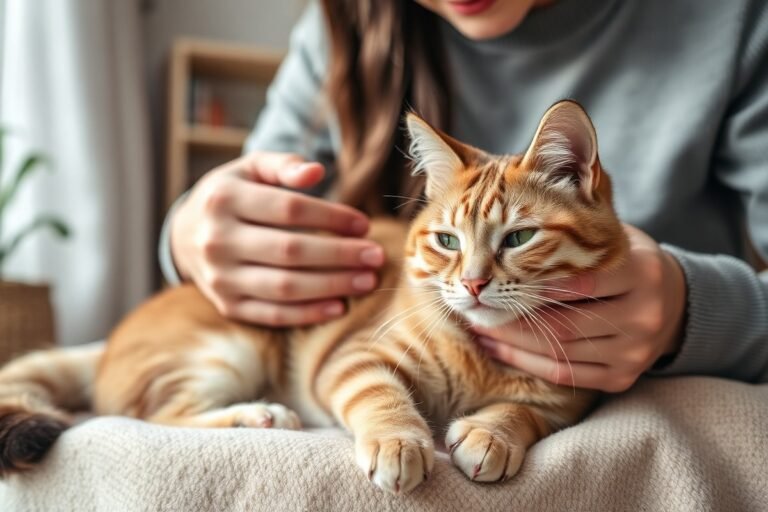
The early weeks of a kitten’s life, from about 2 to 7 weeks of age, form a critical socialization window. During this time, gentle handling and positive human interaction help shape how well your cat develops social skills and manages anxiety. Kittens exposed to calm, consistent affection in this period are more likely to grow into sociable adult cats. This early contact reduces fearfulness and lessens behaviors that might seem withdrawn or anxious, which some might mistake for autistic traits.
Focus on short but frequent sessions of gentle touch, petting, and play, ideally lasting 5 to 10 minutes multiple times a day. Use soft voices and slow movements to avoid overwhelming the kitten. This can take place in home environments, foster settings, or shelters. Keeping the kitten warm, around 70 to 80°F, and comfortable supports healthy development during socialization efforts.
If early handling is skipped or inconsistent, cats often become shy or fearful of people, showing social avoidance and repetitive behaviors. These traits may look like autism but typically reflect anxiety or lack of early social experience. Cats given proper socialization are more adaptable, less stressed, and better companions. Instead of guessing or worrying about autism, strengthening a bond through early, gentle interaction offers the most reliable way to promote balanced feline behavior and reduce anxious tendencies.
What Practical Steps Help Cats with Behavioral Challenges?
Helping a cat with Autism-like behaviors focuses on creating a calm, predictable environment and enriching their daily experiences. Consistent routines reduce anxiety by providing structure they can rely on. For example, feeding and playtimes should happen at the same time each day. Cats with sensory sensitivities benefit from Quiet, low-traffic spaces where they can retreat when overwhelmed, such as a cozy corner with soft bedding or a covered cat bed. This decreases stress and prevents behaviors like hiding or excessive vocalization.
Environmental enrichment plays a key role in reducing boredom and repetitive actions. Providing toys, scratching posts, and climbing structures encourages natural behaviors that keep your cat mentally and physically engaged. Calming aids like pheromone diffusers or calming collars release scents that can soothe anxious cats without side effects, supporting their well-being over time.
- Maintain a strict daily schedule for feeding, play, and rest.
- Create safe zones with hiding places and soft textures away from noise and bright lights.
- Offer a variety of toys that simulate hunting, like wand toys or puzzle feeders.
- Use pheromone diffusers such as Feliway in commonly used rooms.
- Introduce calming collars gradually, observing your cat’s reaction.
- Keep the environment stable by avoiding sudden changes in furniture or cleaning products with strong scents.
- Engage in regular interactive play sessions of 10 to 15 minutes to reduce stress and build bonds.
Results of these approaches often include reduced compulsive behaviors, lower anxiety, and a happier, more social cat. Without these supports, cats may resort to hiding, over-grooming, or vocalizing excessively, signaling increased stress. Costs vary but expect to spend $10 to $50 on calming aids and enrichment toys, depending on product types and sizes. Consistency from you is critical; variable routines and chaotic environments can worsen stress-related behaviors over time.
When Should I Consult a Veterinarian or Behaviorist?
Consult a veterinarian or a certified animal behaviorist if your cat shows unusual or sudden behavior changes. These professionals can assess health problems, stress factors, or anxiety that might cause symptoms resembling autism-like traits. Early consultation helps address potential medical or environmental causes and improves your cat’s quality of life. A checklist can help you decide when to seek expert advice. Look for signs such as:
- Sudden aggression or increased irritability
- Excessive grooming leading to hair loss or skin sores
- Social withdrawal or avoidance of people and other pets
- House soiling outside the litter box
- Repetitive pacing or vocalization
- Changes in eating or sleeping habits
It matters because these signs may indicate stress, pain, allergies, or other medical issues. Costs for vet visits typically range from $50 to $130 for a routine consultation, while behaviorist fees vary from $100 to $300 per session. A full behavioral evaluation often requires multiple visits. Good outcomes include improved behavior and better adjustment to daily life. Ignoring these signs risks worsening emotional distress or untreated illness.
Veterinarians can perform physical exams and rule out conditions like thyroid disorders or infections. Certified animal behaviorists specialize in diagnosing and treating behavioral problems. They create tailored behavior modification plans and recommend environmental changes. If your cat’s behavior worsens or you see no improvement after treatment, follow up with your vet or a specialist.
What Role Can Cats Play for Humans with Autism?
Cats can provide significant emotional support and practical benefits for individuals with autism. Studies from 2022 show that a cat’s calming presence helps reduce anxiety and sensory overload by triggering the release of hormones that promote relaxation. For many autistic people, interacting with a cat can lower cortisol levels, which is the hormone linked to stress.
Engaging with a cat also encourages social skills like eye contact and communication. Observational reports and research indicate that routine caregiving and play with cats foster empathy and help autistic individuals interpret emotional cues. This kind of interaction builds confidence by offering unconditional companionship, which many find boosts their self-esteem.
The key to gaining these benefits is a calm and well-matched cat that suits the person’s sensory preferences. Cats have facial expressions and behaviors that some autistic individuals find less overwhelming than human interactions, making it easier to form a bond. Spending regular, gentle time with the cat, petting, playing, or simply being near it, helps create a soothing environment that supports emotional regulation.
Cats don’t carry out specific duties like service dogs; instead, their support focuses on emotional and social benefits. It’s unrealistic to think a cat can independently lessen significant symptoms, but steady companionship provides important comfort and helps with social challenges. Studies in autistic individuals show cats often develop into loving, devoted friends who lessen feelings of isolation and encourage routine.
Your First Steps: Helping Cats with Autism-Like Behaviors
Start by observing your cat closely and creating a calm environment. Follow this plan to address behaviors that seem similar to autism and see real improvements over time.
- Day 1: Note specific behaviors like repetitive motions or sensitivity to touch. Keep a simple journal to track patterns and triggers.
- Week 1: Adjust your cat’s environment by reducing loud noises and bright lights. Watch for any decrease in anxiety or agitation.
- Week 2: Introduce gentle play sessions using toys that your cat seems to tolerate. Pay attention to engagement levels and stress signs.
- Week 3: Review your notes and see if certain activities cause stress or calm your cat. Use this to plan which interactions to prioritize.
- After 1 Month: Schedule a veterinary check-up to rule out medical issues that mimic autism-like behaviors if you haven’t already.
- After 6 Weeks: If behaviors persist or worsen, consult a certified animal behaviorist for tailored guidance and possible behavioral therapy.
- Ongoing: Maintain a stable routine and socialization efforts. Track changes and adjust care based on your cat’s responses.
Frequently Asked Questions
Can Cats Actually Be Diagnosed with Autism?
Autism is a neurodevelopmental condition specific to humans, and no veterinary guidelines exist for diagnosing it in cats. Similar behaviors seen in cats reflect typical feline personality differences rather than autism.
Is It True That All Cats Are on the Autism Spectrum?
No, cats are not all on the autism spectrum. The idea is speculative and based on misunderstood feline traits rather than scientific evidence. Cats show natural brain variations, not autism as defined in humans.
Why Do Some Cats Act Antisocial, Like People with Autism?
Some cats have naturally antisocial or solitary personalities, which can resemble autistic traits in humans but are normal feline behaviors. These traits do not mean the cat has autism.
Could Sensory Sensitivities Make Cats Seem Autistic?
Cats with sensory sensitivities may react strongly to touch or sounds, appearing similar to autism. These sensitivities are part of normal feline variation, not a sign of autism.
What Causes Behaviors That Mimic Autism in Cats?
Medical issues, stress, or poor socialization often cause behaviors like avoidance or overstimulation in cats, which might mimic autism but are treatable conditions.
Final Thoughts
Cats do not have autism as humans do, but some show behaviors that share similarities with autism traits. Focusing on their specific needs and comfort helps support their wellbeing. Start by observing your cat carefully and consider professional advice if you see ongoing challenges.