Why Is My Cat Meowing so Much? A Complete Guide to Understand and Fix It
Why is my cat meowing so much? Most excessive meowing happens because your cat wants something, attention, food, or comfort. It’s important to notice when this meowing starts or gets worse, especially if it happens at night or with a senior cat. Start by tracking your cat’s meows to understand their specific needs and patterns.
Key Takeaways
- New or increasing meowing deserves attention, particularly if it occurs mostly at night.
- Senior cats over 10 years often meow more due to age-related issues like cognitive dysfunction.
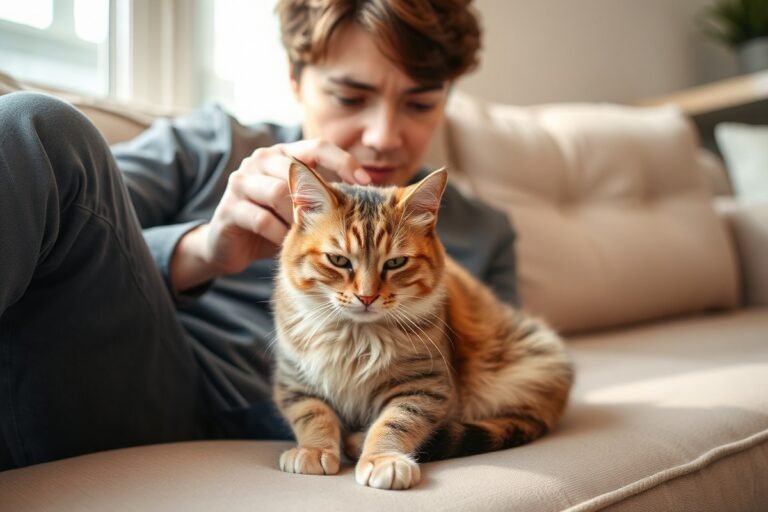
- Spend 20 minutes twice daily grooming or cuddling your cat to reduce meowing caused by loneliness.
- Play with your cat using toys 60, 90 minutes before bedtime to help settle their energy and meowing.
- Track when and why your cat meows daily to spot patterns and potential triggers.
- Hyperthyroidism often causes excessive meowing in cats over 8 years old and requires veterinary diagnosis.
Why Is My Cat Meowing so Much? Common Causes Explained
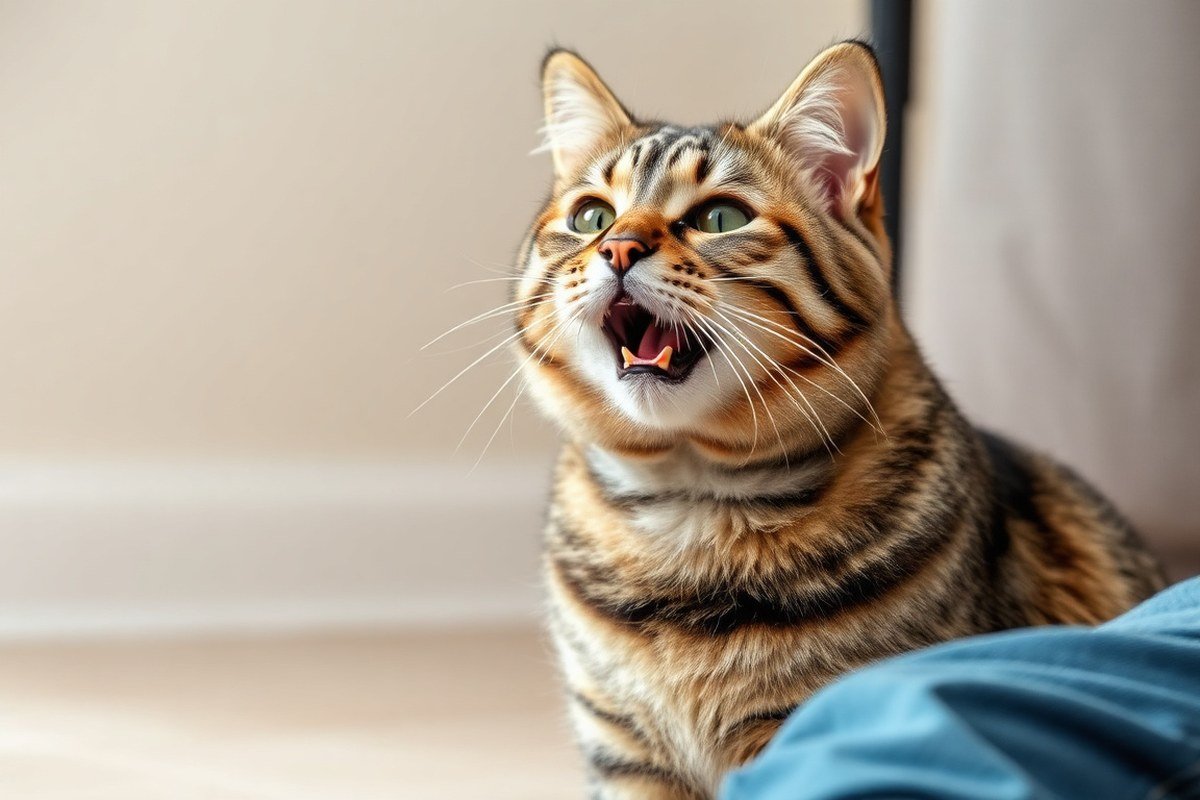
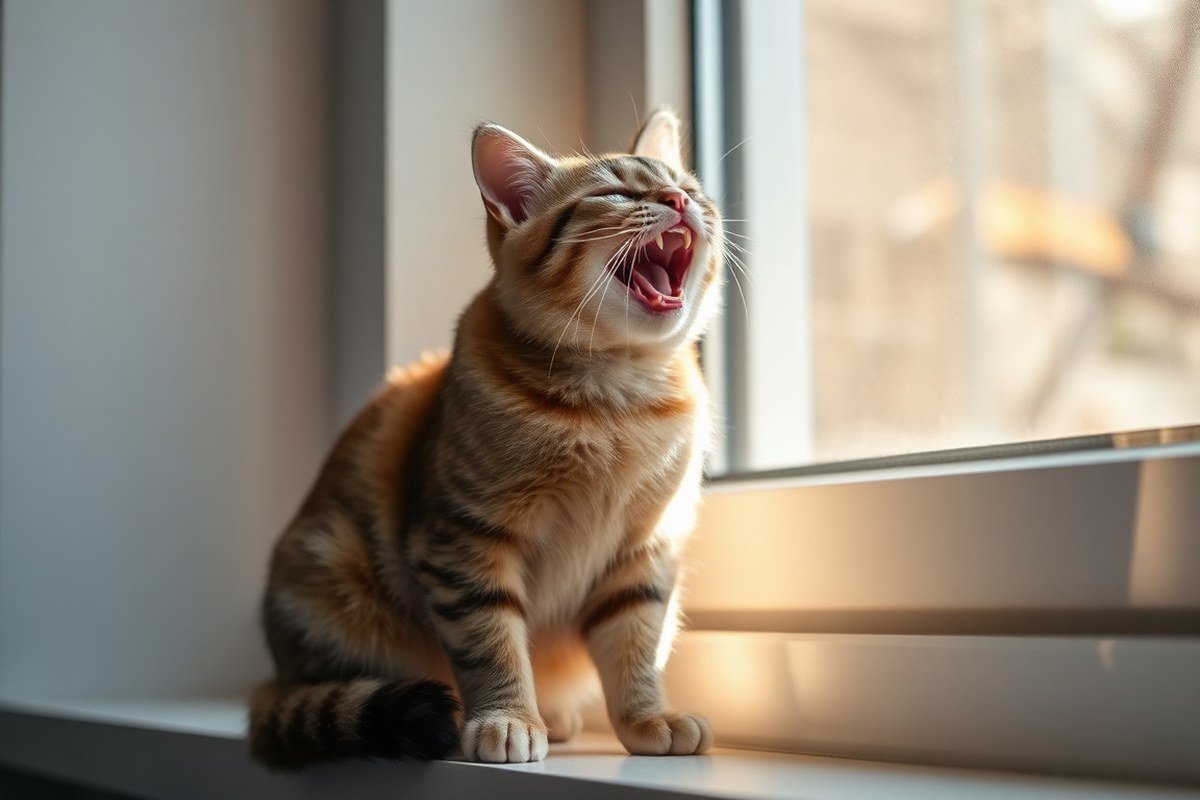
Cats meow primarily to communicate with you, so some meowing is normal behavior across all ages. You’ll often hear short, frequent meows when your cat greets you or gets excited, like when you come home or wake up. However, a sudden increase in meowing usually signals a need, such as hunger, stress, or discomfort. Paying attention to when and how your cat meows helps you understand what they want.
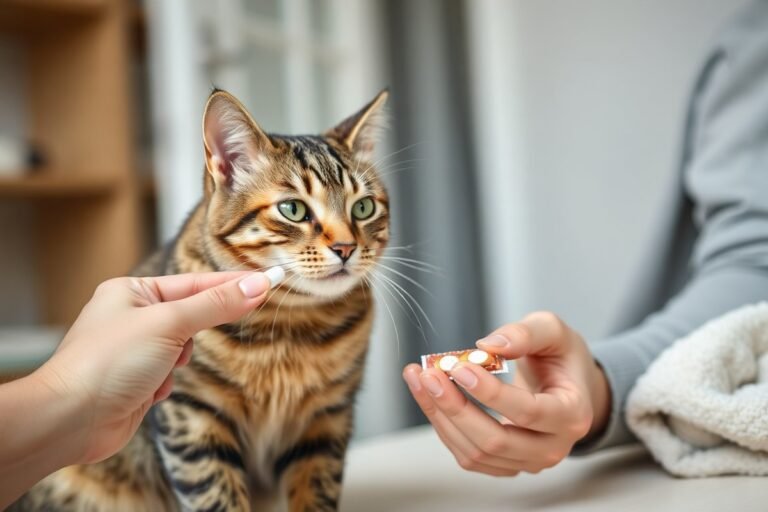
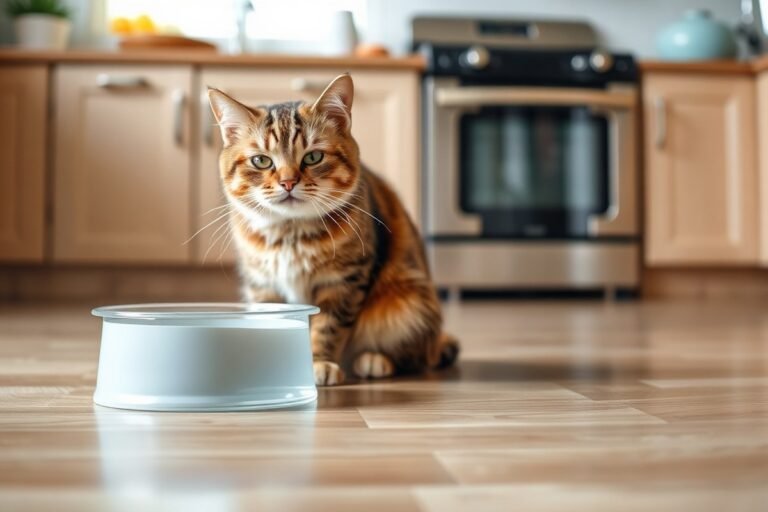
One common reason for excessive meowing is Hunger or food requests. Cats learn that meowing near mealtime gets your attention, so they may meow persistently if they feel hungry or want more food. Using puzzle feeders or adjusting meal portions can reduce these vocal demands. Another typical reason involves access, meowing at doors or windows may indicate your cat wants to go outside or watch something interesting, leading to frustration if denied.
Age plays a role in meowing habits. Young cats and kittens often meow to seek attention or express needs, like play or letting you know they’re around. Older cats might meow more due to changes in their senses, such as hearing or vision loss, or conditions like hyperthyroidism. In senior cats, excessive meowing at night can be a sign of cognitive decline or loneliness, warranting a veterinary check.
Unspayed or unneutered cats tend to meow more frequently, especially at night, as part of mating behavior. Both males and females vocalize loudly to attract partners, which is normal but can become disruptive. Spaying or neutering typically reduces this excessive meowing.
Excessive meowing signals something your cat wants or needs, but normal variations depend on age, reproductive status, and environment. Monitoring patterns like meowing near meals or at doors helps you decide when it’s routine communication or time for action. Sudden or very loud vocalization deserves prompt veterinary attention to rule out illness or distress.
How Medical Issues and Senior Age Affect Excessive Meowing
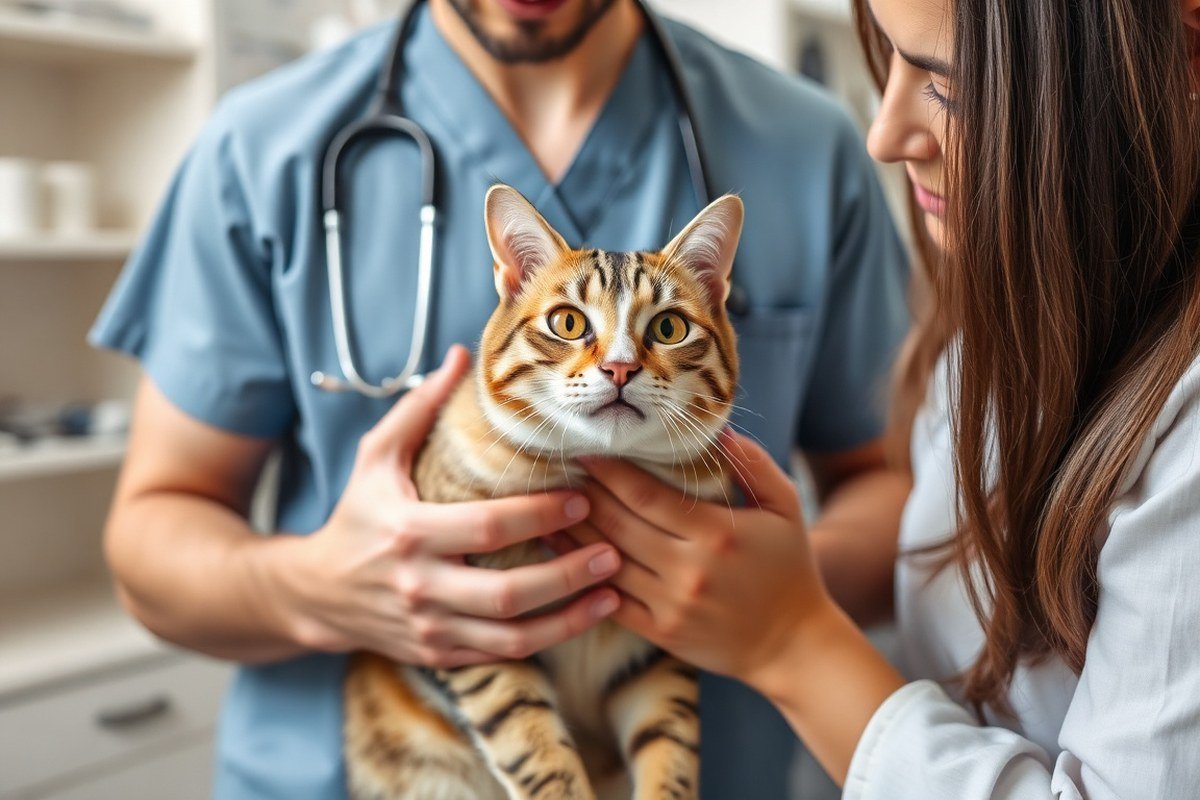
Yes, medical issues can cause Excessive meowing, especially in senior cats. Health problems like Hyperthyroidism, kidney disease, urinary problems, and pain often lead to new or louder vocalizations. One of the most common causes in middle-aged and older cats is hyperthyroidism, a condition where the thyroid gland produces too much hormone, increasing their activity and vocal output. Kidney disease and urinary tract issues may also cause discomfort that your cat expresses through frequent meows.
Cognitive dysfunction, similar to dementia in humans, affects many cats over 10 years old. This condition alters their behavior, leading to loud or repeated meowing, particularly at night. Your senior cat might seem confused, restless, or disoriented, with vocalizing becoming a way to express anxiety or disorientation. This decline matters because it signals changes in your cat’s brain health that require veterinary attention for proper management.
To determine if your cat’s meowing signals pain or distress, observe its body language for signs like altered posture, limping, hiding, reduced appetite, or irregular breathing. Loud, low-pitched meows can be a sign of discomfort. Severe symptoms such as trouble breathing, inability to urinate, sudden collapse, or intense pain require immediate emergency veterinary care. For increased meowing combined with lethargy or weight loss, arrange a veterinary check-up as soon as possible.
Begin with a checklist: has your cat become more restless at night? Is there visible discomfort or changes in eating, grooming, or litter box habits? Notice these signs to decide if a vet visit is needed. Since many medical causes of meowing require diagnosis through blood tests, urine analysis, and physical exams, a professional evaluation is critical. Managing these conditions properly often reduces the excessive meowing and improves your cat’s quality of life.
Interpreting Your Cat’s Meows: What Different Sounds Mean
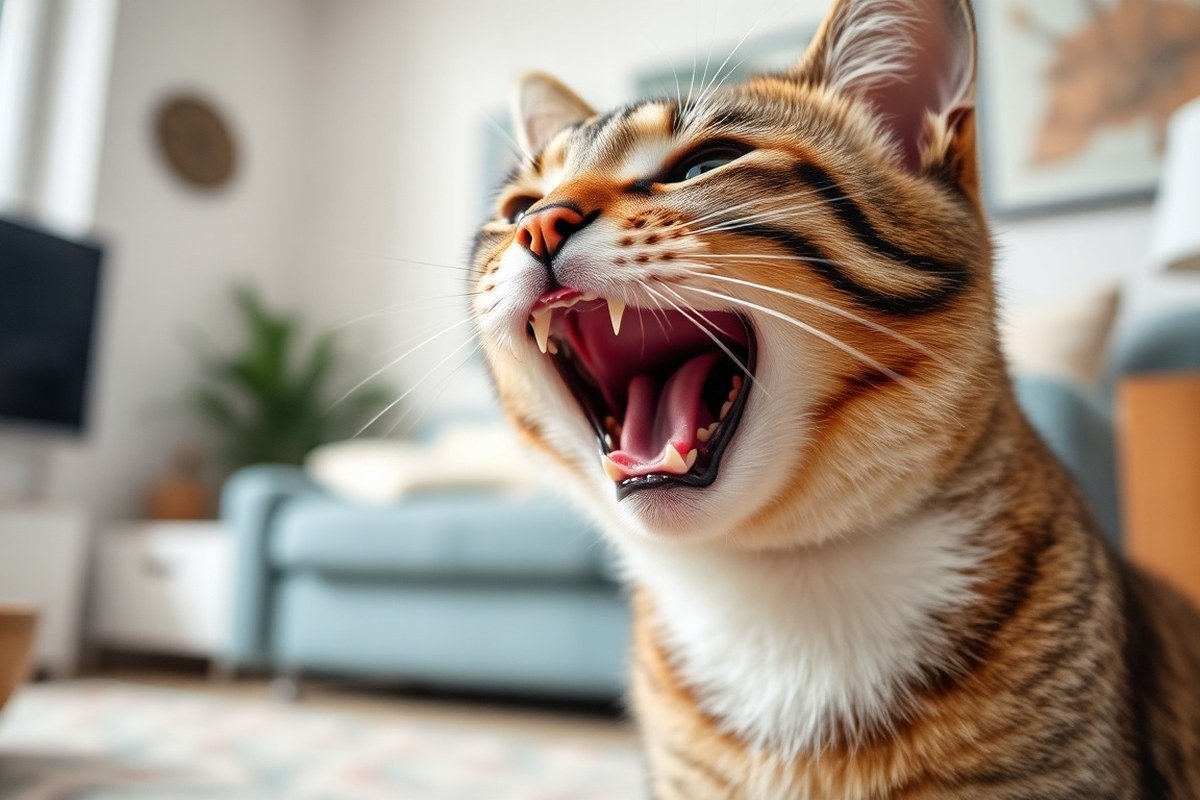
Cats use different meow sounds to communicate various needs and emotions. Recognizing these differences helps you respond appropriately to your cat. For example, a short, soft meow usually means a greeting or request for attention, while a loud, insistent meow often signals hunger or impatience. Changes in pitch or tone also matter: a high-pitched meow may indicate pain or distress, and a low-pitched, drawn-out meow might show unhappiness or stress. Alongside sounds, your cat’s body language, such as tail position, ear angle, and posture, can reveal more about their feelings.
| Meow Type | Likely Meaning | Matching Body Language |
|---|---|---|
| Short, soft meow | Greeting, seeking attention | Relaxed ears, slow blinking, upright tail |
| Loud, repetitive meow | Hunger, thirst | Focused gaze on food bowl, pacing near feeding area |
| High-pitched, plaintive meow | Pain, discomfort | Flattened ears, crouching, trembling |
| Low-pitched, drawn-out meow | Stress, unhappiness | Tail tucked, avoiding eye contact, tense body |
| Persistent meowing at night | Attention seeking, boredom | Active pacing, rubbing against you |
Start by observing your cat’s typical meowing patterns and body language throughout the day. For example, if your cat softly meows and blinks at you after waking, they likely want attention or affection. Contrast this with loud meows at mealtime, accompanied by focused staring at their bowl, which clearly indicates hunger. Note any sudden changes in pitch or behavior, as these could suggest health issues requiring veterinary attention. Avoid rewarding excessive meowing with attention, especially at night, to prevent reinforcing the behavior. Establish consistent feeding and play routines to meet your cat’s needs and reduce stress-related vocalizations.
Tracking Your Cat’s Meowing: How to Identify Patterns and Triggers
Tracking your cat’s meowing involves noting the timing, sound type, situation, body language, and your response. This helps pinpoint Why your cat vocalizes frequently and informs the best way to address it. Start by keeping a daily journal, noting each meow’s context and your cat’s behavior during and after. It’s best to record this info for at least one week to identify any patterns or triggers accurately.
Use the table below as a template for daily tracking. Record the time of the meow, the type of sound, what was happening around your cat, their body language, and how you replied. This detailed tracking can reveal whether your cat meows mostly before meal times, when you come home, or in response to something else.
| Time | Sound Type | Situation (What was happening?) | Body Language | Your Response |
|---|---|---|---|---|
| 7:00 AM | Persistent, loud meow | Feeding time approaching | Tail up, pacing | Ignored until feeding |
| 3:30 PM | Soft, short meows | Owner returned home | Rubbing against legs | Pet and spoke gently |
| 10:00 PM | Loud, urgent meow | Quiet environment, no activity | Pacing, hiding after | Closed door to bedroom |
| 12:00 PM | Repeated meows | Left alone in room | Sitting, staring | Opened door, spoke calmly |
Check your journal daily to notice trends like meowing before meals or only when left alone. These details are important because Rewards or responses you give can unintentionally reinforce excessive meowing. Avoid giving attention during persistent meowing if the goal is to reduce it, as giving in teaches your cat to keep trying.
With consistent tracking and adjusted responses, you may see improvement in about one to two weeks. If there’s no change or meowing worsens, Consult your veterinarian for further assessment. Remember, this process takes patience and careful observation to be effective.
Effective Ways to Reduce Excessive Meowing at Home
Excessive meowing often signals that your cat needs more mental and physical stimulation. You can reduce this behavior significantly by providing more interactive play, consistent routines, and environmental enrichment. Cats that are bored or anxious tend to vocalize more, so addressing these needs helps lower their calls. Avoid responding to meowing with immediate attention, as this can reinforce the habit. Follow these steps to create an effective routine that meets your cat’s behavioral needs:
- Establish two daily interactive play sessions using wand toys or laser pointers for 10-15 minutes each. This helps your cat satisfy natural hunting instincts and burn off energy, reducing boredom-driven meowing.
- Feed your cat on a consistent schedule with meals given at the same times each day. Predictable feeding reduces meows related to anticipation or hunger.
- Introduce puzzle feeders or treat-dispensing toys to challenge your cat mentally, helping to occupy their time and decrease vocalizations caused by restlessness.
- Create an enriching environment by rotating toys regularly, providing window perches with a view, and adding hiding spots or climbing structures. This variation keeps your cat engaged throughout the day.
- Ignore excessive meowing that is attention-seeking by avoiding eye contact, touch, or verbal responses when your cat is vocal for no clear need. Instead, reward quiet behavior with gentle praise or treats.
- Provide a comfortable sleeping area away from loud noises or household disruptions to encourage rest and reduce nighttime vocalizing.
- Schedule a veterinary check-up if your cat’s meowing persists with signs like hiding or changes in eating habits, to rule out medical causes before adjusting behavior strategies.
For example, if your cat starts meowing at 7 p.m. For attention, wait until they are silent before offering playtime or affection. This teaches them that quiet behavior gets rewarded. Consistency in your responses and routine strengthens this learning.
Why Cats Meow More at Night and How to Handle It
Cats often meow more at night because they are naturally crepuscular, meaning their activity peaks at dawn and dusk. This biological trait leads many cats to store energy during the day and seek interaction or play during nighttime hours. Hunger can also increase night-time vocalizations, especially if mealtime schedules leave long gaps. Senior cats may vocalize more at night due to cognitive changes or disorientation. Stress from new environments, closed doors, or changes in household routine can further amplify night meows.
Seasonal and environmental factors influence night-time meowing as well. Shorter daylight hours in winter may extend the cat’s active period into later night hours. New sounds or smells outside a window can trigger heightened alertness and vocalizing. If your cat is intact, mating drives can cause loud night-time calls especially during breeding season.
Tackling night meowing means matching your response to its cause. For hunger-driven meowing, feed small meals or provide a timed feeder to supply food overnight. Boredom can be reduced by increasing daytime play sessions, tiring your cat before your bedtime. Avoid giving attention or feeding during night meows as this teaches your cat that loud vocalizing results in rewards. Instead, respond only when your cat is quiet. For cats stressed by environmental factors, create a comfortable, safe resting area with familiar bedding and optional background noise like a radio or white noise machine.
In seniors or cats with cognitive changes, consult your vet first to rule out medical issues. You might add low-wattage night lights to reduce disorientation or gently play calming sounds. Consistency in routines helps reduce anxiety-driven meowing, so keep feeding and playtimes on a regular schedule. These methods may take days or weeks to show improvement and require patience and consistency.
Step-by-Step Action Plan to Calm Excessive Meowing
Start taking steps today to understand and reduce your cat’s meowing by observing carefully and making simple changes. Track progress to see what helps the most.
- Day 1: Note the timing and triggers of your cat’s meowing. Keep a log to identify patterns, such as meows around feeding or playtime.
- Week 1: Provide a consistent feeding and play schedule. Check if regularity lowers meowing, especially before meals or bedtime.
- Week 2: Increase interactive play sessions by 10 to 15 minutes daily to tire your cat out. Observe if this reduces attention-seeking meows.
- Before Week 3: Inspect your cat for potential health issues or behavior changes. Contact your vet if meowing is loud, persistent, or unusual.
- Week 3: Create a calming nighttime environment with dim lights and familiar bedding. Note any changes in night-time vocalization.
- After Week 4: Introduce puzzle feeders or toys to keep your cat engaged. See if mental stimulation helps reduce boredom-related meowing.
- Ongoing: Respond to your cat’s vocalizations calmly. Avoid reinforcing meowing by immediately giving attention, and reward quiet behavior instead.
Frequently Asked Questions
Can Stress or Anxiety Cause My Cat to Meow Excessively?
Yes, stress or anxiety can make a cat meow more than usual. Providing a calm environment and consistent routine often helps reduce this behavior.
Could a New Pet in the Household Cause My Cat to Increase Meowing?
A new pet can cause your cat to meow more due to feeling unsettled or seeking attention. Gradual introductions and extra bonding time usually ease their anxiety.
Is My Cat Meowing Too Much Because of Boredom?
Boredom can lead to excessive meowing as cats seek stimulation or attention. Offering toys and interactive playtime often reduces this behavior.
Does My Cat Meow More When They Want Food?
Cats often meow around mealtimes to signal hunger or desire for food. Feeding on a schedule usually helps manage these vocal requests.
Can My Cat Meow Excessively Because of Loneliness?
Yes, loneliness may cause a cat to meow frequently, particularly if they want interaction. Providing more human or animal companionship can help.
Before You Go
Your cat’s excessive meowing often means they need something like attention, food, or medical care. Watch closely to understand what your cat tries to tell you. If the behavior continues or worsens, reach out to your veterinarian for a health check. Taking action now can improve both your cat’s comfort and your peace at home.