Why Do Cats Love Catnip? What Actually Happens and How to Use It Safely
Why do cats love catnip? Cats react strongly to catnip because it triggers a temporary, euphoric response in their brains. The active compound nepetalactone binds to receptors in their noses, causing behaviors like rolling, rubbing, and purring. Using catnip fresh or dried can encourage play while providing harmless stimulation for most cats.
Key Takeaways
- Catnip effects usually last about 10 minutes before wearing off gradually.
- About 60 to 80 percent of cats show a behavioral response to catnip due to inherited traits.
- Kittens generally don’t react to catnip until they’re between 6 months and 1 year old.
- Some cats don’t respond to catnip but may react to alternatives like silver vine.
- Catnip is safe for both kittens and adult cats when used in moderation.
- Overexposure can lessen cats’ interest, so limit sessions to maintain their excitement.
Why Do Cats React Strongly to Catnip?
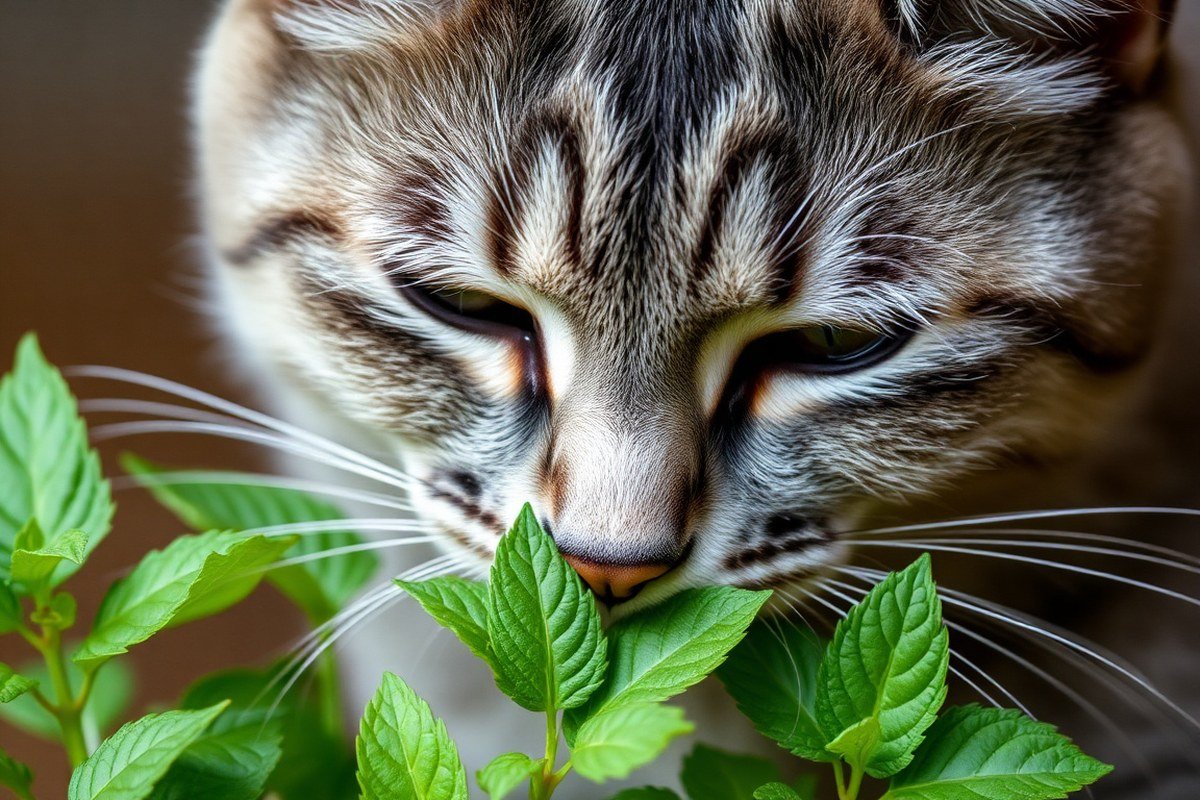
Cats love catnip because of a chemical called nepetalactone, which is found in the leaves and stems of the plant. This compound binds to the olfactory receptors in a cat’s nose and throat when they sniff catnip. These receptors then send signals to certain areas of the brain, especially those involved in emotion and behavior. This triggers responses similar to pheromone activity, causing cats to become playful, excited, or relaxed.
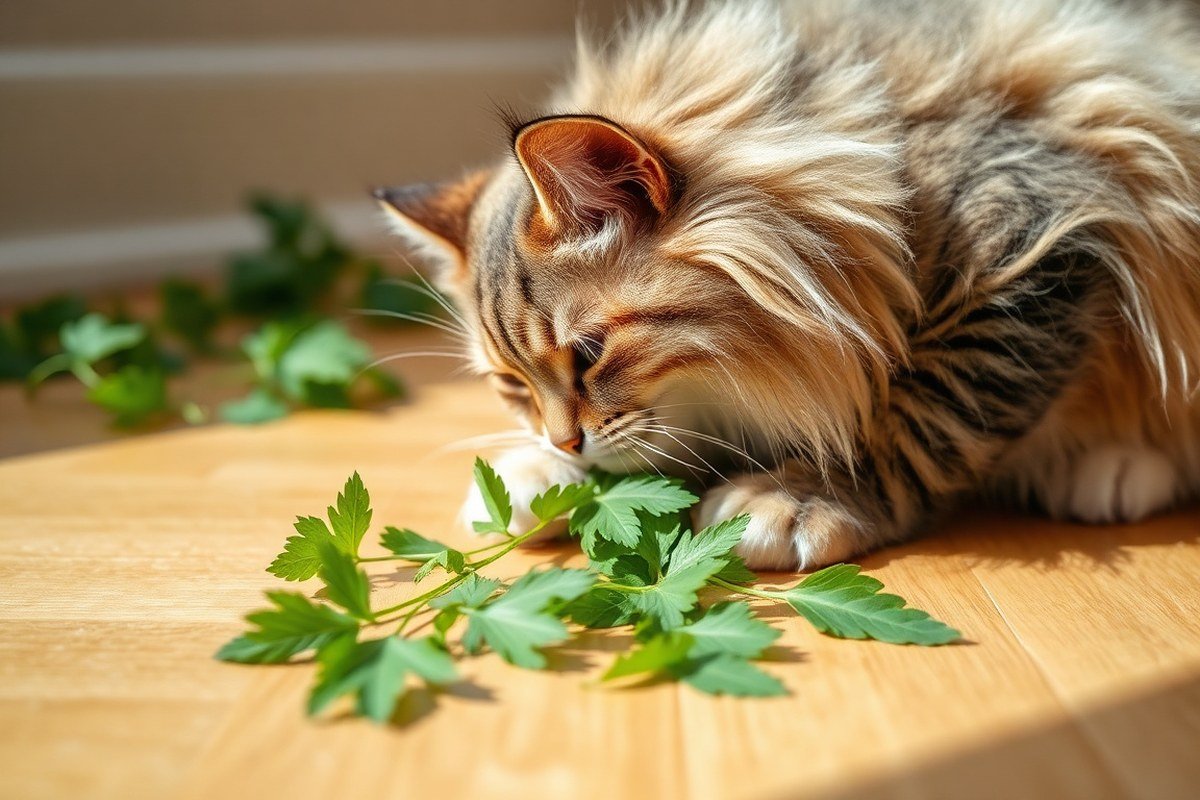
Nepetalactone acts like a natural stimulant to cats. They often roll, rub, chase, or purr after smelling catnip, showing signs of euphoria or intense interest that typically lasts about 10 minutes. The effects are purely sensory and temporary, and cats usually lose interest after this period as their receptors become temporarily desensitized. After about 15 minutes, the receptors reset, and cats can respond to catnip again.
Not all cats are affected by nepetalactone because the reaction is genetic. Researchers estimate that between 50 and 80 percent of cats show this behavior, while the rest do not respond at all. This response can even happen without ingestion; just sniffing the plant is enough. One reason cats might have developed this attraction is that nepetalactone also repels mosquitoes and other parasites, offering a natural protective benefit alongside the playful effects.
How Long Does Catnip Affect Cats and Why?
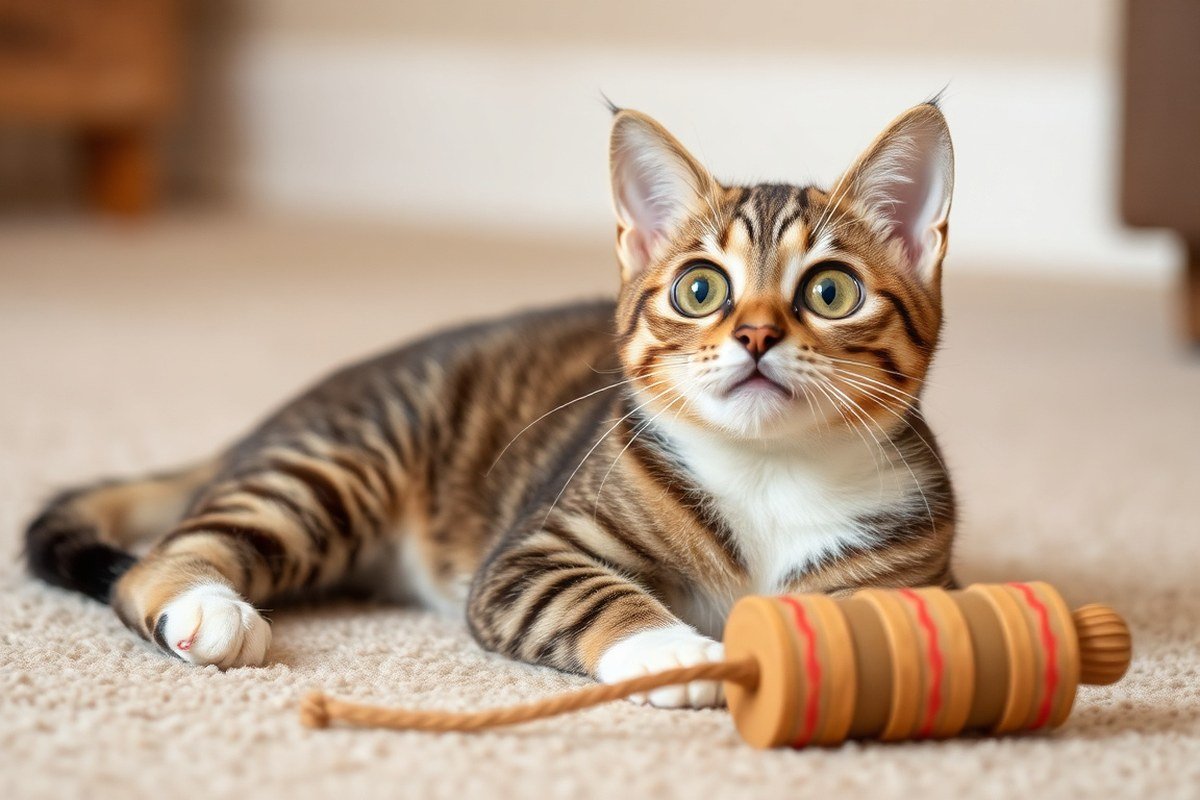
The effects of catnip on cats usually last about 10 minutes, followed by a period where your cat becomes temporarily immune. This immunity can last anywhere from 20 to 30 minutes, and sometimes up to a couple of hours. During this time, catnip won’t have the same stimulating impact, which explains why your cat might lose interest after the initial excitement.
You can recognize this temporary immunity when your cat stops reacting to catnip even though it’s still available. Your cat is likely in a cooldown phase when it acts normal and ignores the catnip for at least 30 minutes. Avoid offering more catnip during this time, as cats need a break before the effects can resume.
To observe your cat’s response, note the first 10 minutes after exposure when your cat will typically show playful and energetic behaviors like rolling, rubbing, or purring. Let your cat rest for at least 30 minutes before offering catnip again once the reaction fades and attention stops. This cooldown period helps keep the catnip experience enjoyable rather than overwhelming. Respecting this timeline prevents potential mild side effects like lethargy or dizziness that can come from overexposure.
The temporary nature of catnip’s effects plays an important role in making it a fun enrichment tool rather than a constant stimulant. By understanding and respecting the roughly half-hour recovery period between exposures, you can keep your cat interested and excited whenever you bring out catnip toys or treats. This break also prevents your cat from becoming desensitized or bored with the herb’s effects for longer periods.
Which Cats Respond to Catnip and Why Do Some Not React?
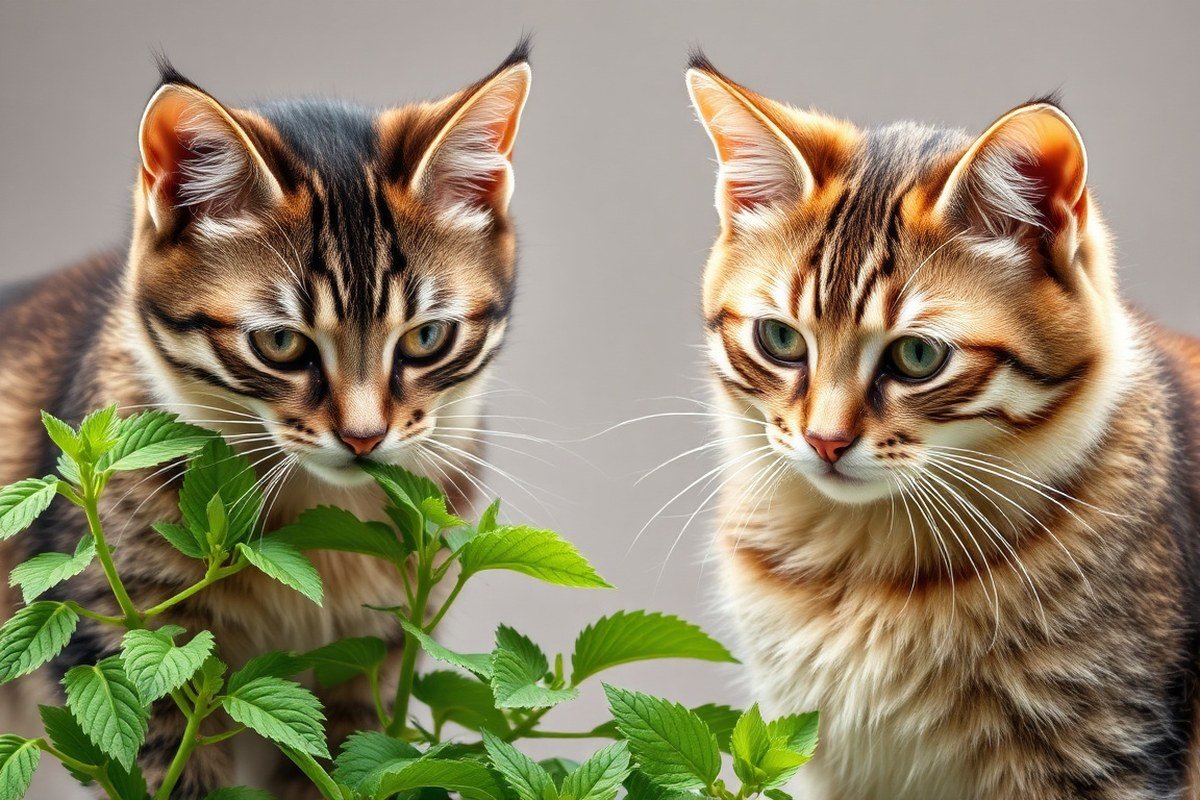
Not all cats respond to catnip. Sensitivity to catnip depends on genetics, which means some cats simply do not have the inherited ability to react to it. Around 30% of domestic cats do not show any response to catnip. This happens because the responsiveness requires a specific gene that affects the cat’s olfactory receptors, which detect the active compound nepetalactone in catnip.
This genetic trait is passed down from the parents. Therefore, if a cat’s lineage lacks this gene, it will not respond to catnip even if exposed multiple times. The reaction is not something cats learn; it is built into their biology. Interestingly, all feline species, including big cats like lions, share this trait, but the presence of the gene varies among individuals.
About 20% of cats also do not respond to silvervine, a plant that can trigger similar reactions. Silvervine contains two compounds, actinidine and dihydroactinidiolide, which can stimulate cats who do not react to catnip’s nepetalactone. Offering silvervine to a cat that ignores catnip is a good alternative to try, providing similar playful or sedated behaviors. Another option is valerian root, which some cats find appealing.
| Plant | Active Compounds | Approximate Response Rate in Cats |
|---|---|---|
| Catnip | Nepetalactone | About 70% react |
| Silvervine | Actinidine, Dihydroactinidiolide | About 80% react |
Try offering catnip first since it is widely available and inexpensive, usually costing between $5 and $15 for dried leaves or toys infused with catnip. If your cat shows no interest, swap to silvervine, which can sometimes be pricier but often yields better results for non-responders. Using these alternatives not only encourages play but also mental stimulation and exercise for your cat.
Is Catnip Safe for Kittens and Adult Cats?
Catnip is generally safe for both kittens and adult cats, but it is best to wait until your kitten is about 3 to 6 months old before introducing it. Young kittens often do not respond to catnip, so delaying exposure helps ensure it provides enjoyment rather than confusion or overstimulation. Adult cats typically tolerate catnip well without any lasting harm.
While cats cannot overdose on catnip because it is nontoxic, excessive exposure can cause mild health issues such as vomiting, diarrhea, dizziness, or difficulty walking. These symptoms usually result from eating too much catnip rather than from smelling it. To avoid problems, offer catnip in controlled amounts, such as a pinch every few days. Long-term or repeated use in moderation is unlikely to cause harm, but overuse might lead to behavioral sensitization where the cat craves it more often, although true addiction is rare.
Some cats may become temporarily hyperactive or aggressive when exposed to catnip because it triggers receptors similar to pheromones, mimicking mating behaviors. If you notice such reactions, reduce the frequency or amount of catnip offered. It is important to avoid giving catnip to cats with sensitivities or underlying health issues unless a veterinarian approves its use.
For safe catnip use: Introduce it gradually, only provide small amounts (around a teaspoon of dried catnip or a small nod from a fresh plant), and limit exposure to a few times per week to prevent desensitization. Remove catnip toys after 10 to 15 minutes to keep the experience special. Monitor your cat for any negative reactions and stop use if your pet shows signs of illness or distress. Consulting a veterinarian can help identify if catnip is appropriate, especially for kittens or cats with health concerns.
How to Use Catnip Effectively and Responsibly
Give catnip to your cat no more than two or three times per week to maintain interest and prevent tolerance. Using catnip too often lessens your cat’s reaction and could cause mild stomach upset in sensitive cats. Start by offering a small pinch of dried catnip or a fresh catnip leaf on a toy or scratching post. Observe your cat’s behavior for about 5 to 15 minutes afterward to gauge their response. A cat that rubs its head and body on the catnip, rolls around, purrs, meows, or drools is displaying a typical reaction.
Effective use of catnip involves placement and timing: Put catnip on toys or scratching posts in a quiet space where your cat feels comfortable. Introduce catnip during playtime or when your cat seems bored or restless. Avoid giving catnip right before bedtime, since it can temporarily boost energy or excitement. For cats that don’t respond to dried catnip, try fresh catnip plants or catnip sprays as alternatives, as these can sometimes trigger a stronger reaction.
Interpreting your cat’s catnip-induced behaviors helps you understand their mood. Rolling on the floor and vocalizing suggests your cat feels playful and happy. Head rubbing and gentle pawing indicate affection and curiosity. Excessive drooling or hyperactivity might mean your cat is overstimulated, so pause catnip use if this occurs often. Cats with shy or nervous personalities might show only mild interest, meaning you can offer catnip in smaller amounts to avoid stress.
Keep catnip accessible but controlled. Store dried catnip in an airtight container at room temperature to maintain freshness and potency. If your cat enjoys catnip sticks or toys, rotate them every few weeks to keep the experience novel. Watch for signs of disinterest or negative reactions and adjust frequency accordingly. Using catnip thoughtfully helps you improve your cat’s environment safely, giving them fun opportunities to express natural behaviors and boost mood.
Alternatives to Catnip and When to Try Them
Cats that don’t respond to catnip might still enjoy silver vine, a plant native to Asia and related to the kiwifruit. Silver vine contains Actinidine, a compound that triggers a strong reaction in many cats unresponsive to catnip’s nepetalactone. Both plants activate the μ-opioid system in cats, which produces feelings similar to intense happiness, explaining why cats enter a daze when exposed.
| Feature | Catnip | Silver Vine |
|---|---|---|
| Active Compounds | Nepetalactone | Nepetalactone, Actinidine |
| Plant Family | Mint (Lamiaceae) | Kiwifruit (Actinidiaceae) |
| Effect on Cats | Stimulates most cats, especially after 3 months old | Stimulates both catnip responders and some non-responders |
| Availability | Widely available, often less expensive | Less common, usually pricier |
| Typical Use | Loose dried leaves, sprays, toys | Powder, sticks, or dried leaves in toys |
You can try silver vine as an alternative if your cat shows no interest in catnip after several exposures. Start by offering a small amount of silver vine powder or a toy infused with it. Watch for signs such as rubbing, rolling, or playful biting. If your cat reacts, silver vine could be a better choice. Cost may be higher than catnip, so begin with a small quantity before purchasing larger amounts.
Some cats are genetically unable to detect Nepetalactone, explaining their lack of response to catnip. Silver vine’s additional actinidine activates a similar sensory pathway, so it often excites cats that catnip does not. Both plants lose potency after a few minutes to an hour, so fresh exposure every few days keeps responses strong.
Step-by-Step Action Plan for Using Catnip with Your Cat
Use catnip thoughtfully to enjoy your cat’s reaction while ensuring their safety and comfort.
- Before You Start: Choose fresh or dried catnip from a trusted source to ensure quality and safety.
- Day 1: Introduce catnip in a small amount, like a pinch or a catnip-filled toy, and watch for a playful or relaxed response.
- After One Hour: Note how long your cat’s reaction lasts; typical effects last about 10 to 15 minutes.
- Day 3: Avoid giving more catnip immediately; wait at least a few days between sessions to prevent desensitization.
- Week 1: Try different delivery methods such as sprinkled catnip on scratching posts or stuffed in toys to find what your cat prefers.
- After 2 Weeks: Observe if your cat maintains interest or shows less response, indicating a possible decrease in sensitivity.
- Ongoing: Use catnip no more than once or twice a week to preserve its effect and keep your cat safe and happy.
Frequently Asked Questions
Why Do Cats Love the Smell of Catnip?
Cats love catnip’s smell because it triggers their brain receptors, causing pleasure. The scent mimics feline pheromones, which create a stimulating and enjoyable experience for them.
Can Catnip Protect Cats from Insects?
Catnip may protect cats from mosquitoes and parasites, as its compounds act as natural repellents. This evolutionary benefit likely helps cats avoid insect bites while keeping them engaged with the plant.
Does Catnip Have the Same Effect on All Cats?
No, catnip affects about 60 to 80 percent of cats differently due to genetics. Some cats have no reaction because they lack the gene needed to sense catnip’s active ingredient.
Why Do Kittens Not Respond to Catnip?
Kittens typically start responding to catnip around 6 months to 1 year old because their nervous systems take time to mature. Giving catnip earlier won’t trigger the common adult cat behaviors.
Is Catnip Addiction Possible in Cats?
Cats can’t get addicted to catnip as it doesn’t cause chemical dependency. They may lose interest if exposed too often, so use catnip sparingly to keep it appealing.
Before You Go
Cats love catnip because it triggers a natural and temporary response linked to their senses and genetics. By introducing catnip thoughtfully, you can enjoy safe, playful moments with your cat while respecting their limits. Try offering catnip in small amounts and watch your cat’s reaction to find the best way to make it a fun part of your routine.