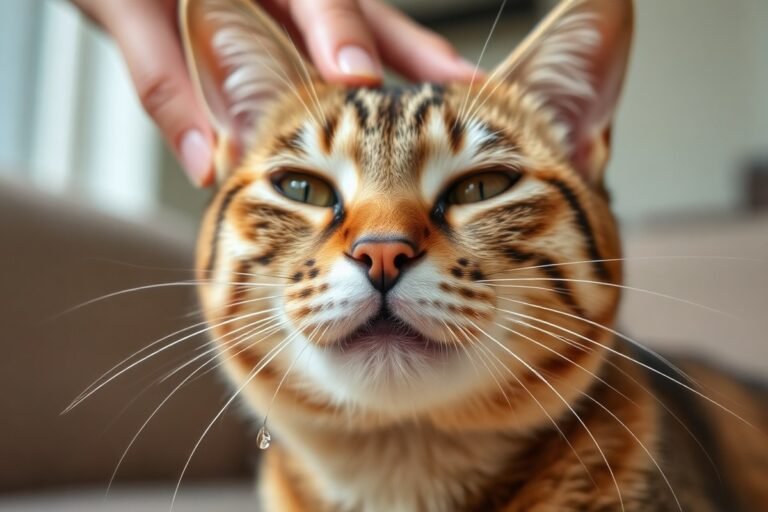
What Cats Are Hypoallergenic: Breeds & Tips to Reduce Allergies
What cats are hypoallergenic is a common question for people with allergies. No cat is completely allergy-free, but some breeds produce fewer allergens. Choosing these breeds can help reduce allergic reactions while still enjoying a feline companion.
Hypoallergenic cats often shed less or produce lower amounts of Fel d 1, the main allergenic protein. Starting with a breed known for lower allergen levels is a practical first step.
Key Takeaways
- No cat is 100% hypoallergenic because every cat produces Fel d 1 allergens in saliva, skin, and urine.
- Siberian and Siamese cats are known to generate less Fel d 1 protein than many other breeds.
- Hypoallergenic cats usually shed less, reducing allergen spread in your home.
- Regular grooming of your cat can significantly decrease dander and allergen buildup.
- Neutering cats may reduce allergen production by lowering hormone-driven Fel d 1 levels.
- Consider your lifestyle and allergy severity when picking a hypoallergenic breed.
Which Cat Breeds Are Known to Be Hypoallergenic?
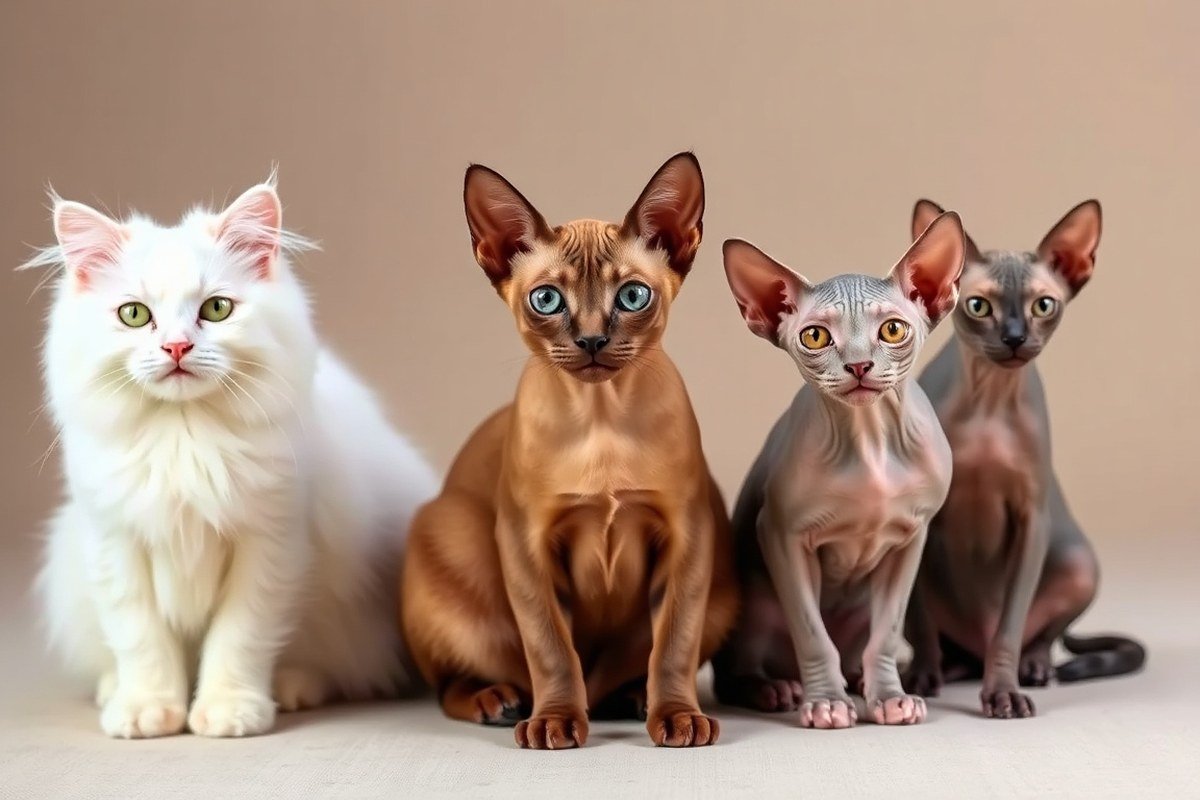
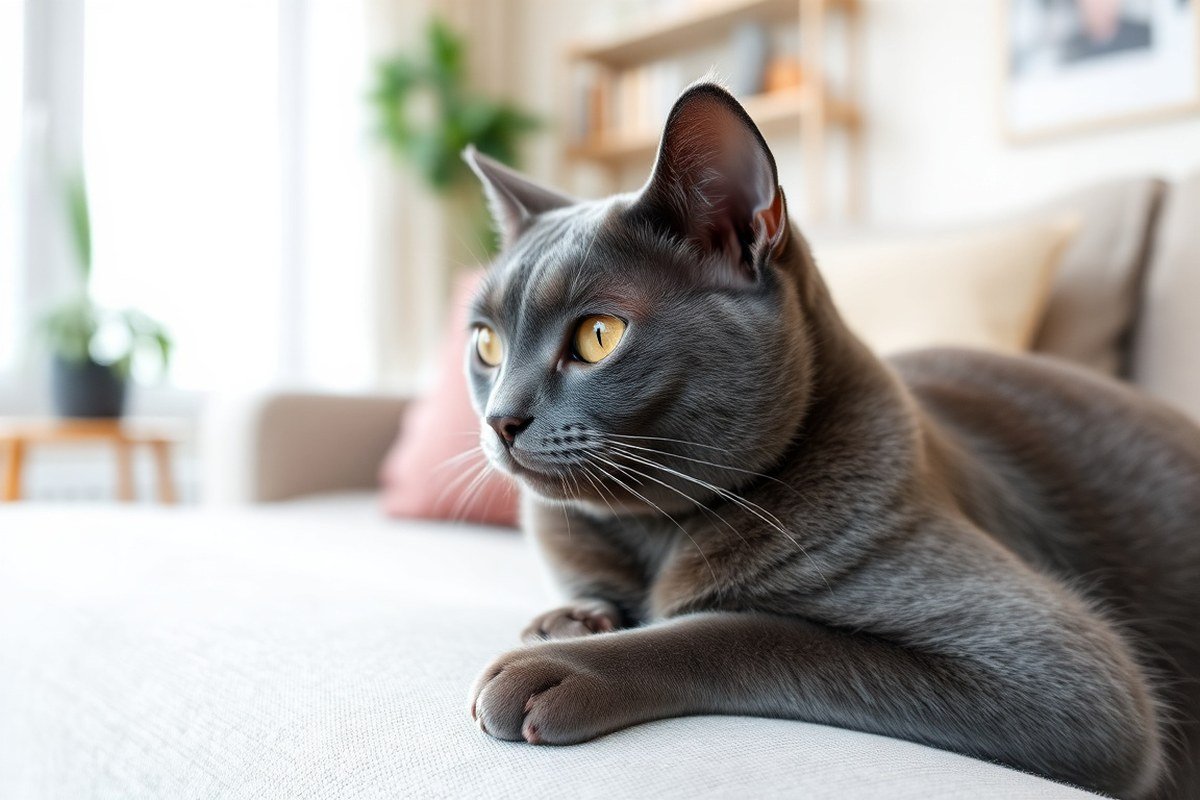
Several cat breeds are known for producing fewer allergens, making them better suited for people sensitive to cat allergies. The Russian Blue, for example, is known to generate lower amounts of the Fel d 1 protein, the main allergen that triggers reactions in about 90% of cat-allergic individuals. Similar reductions in Fel d 1 are seen in Balinese cats, which, despite their long, fluffy coats, produce significantly less of this protein compared to most cats. Siamese cats also produce Fel d 1 at reduced levels, making them another popular hypoallergenic choice.
Siberian cats offer a unique example: their thick, triple coat might suggest high allergen production, yet they surprisingly produce less Fel d 1 than many breeds. Javanese cats have long coats but lack an undercoat, cutting down on shedding and dander, which helps lower allergen exposure. The Burmese cat’s short, satiny coat sheds minimally and can be easier on sensitive individuals. Bengal cats feature a distinctive short, pelt-like coat that sheds little and requires minimal grooming, further reducing allergen spread.
Coat length and shedding influence allergen levels but are not the only factors. Cats with dense or long fur might spread more dander and saliva, which carry allergens, while those that shed less reduce allergens in the environment. For example, the Sphynx, a hairless breed, produces allergens but has minimal fur for allergen to cling to, which can help some allergy sufferers. Grooming frequency also affects allergen buildup; breeds needing regular grooming might help owners manage allergens better with consistent care.
Individual variation within breeds means allergen production can differ cat to cat, even among hypoallergenic breeds. Selecting a cat after spending time with it can help gauge your personal reaction. Overall, hypoallergenic breeds like Russian Blue, Balinese, Siberian, Javanese, Burmese, Siamese, and Bengal offer lower allergen levels and less shedding but do not eliminate allergy risks entirely.
Why No Cat Is 100% Hypoallergenic: Understanding Allergens
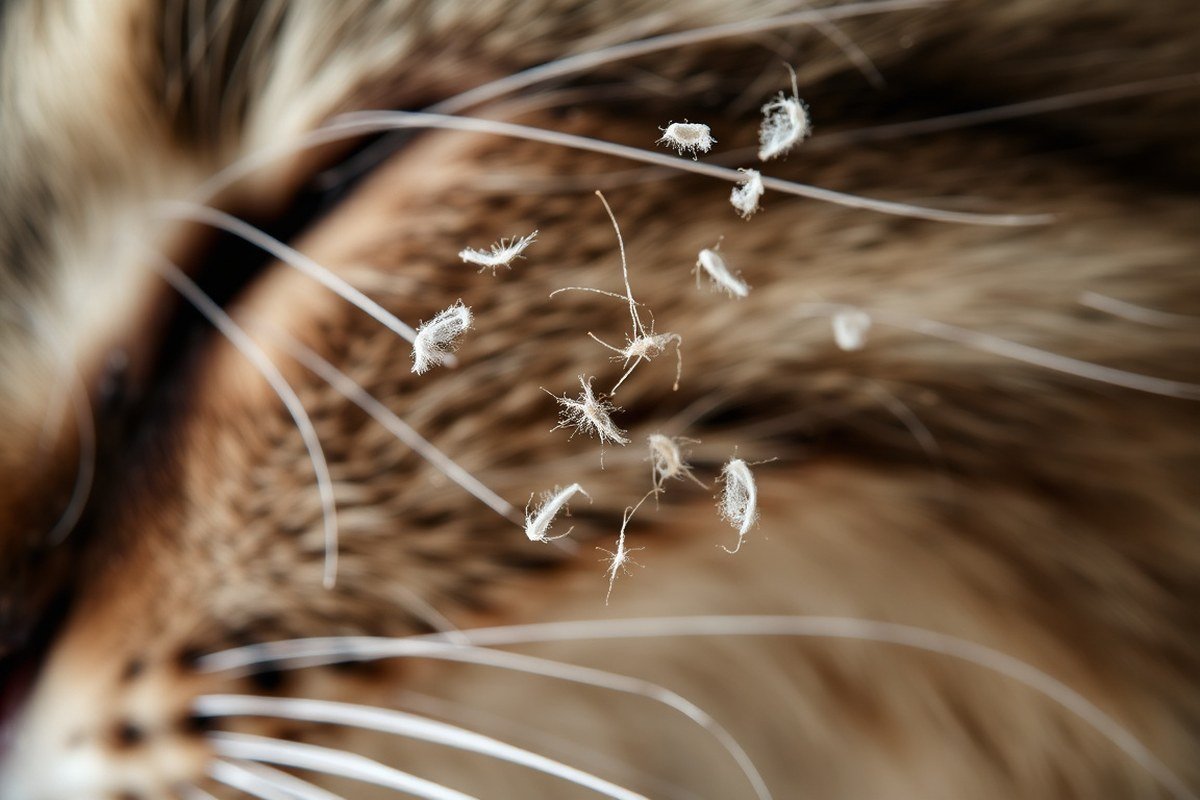
No cat is fully hypoallergenic since every cat produces a protein named Fel d 1, the primary trigger for allergic responses in sensitive individuals. This protein is present in a cat’s saliva, skin, and dander, which are small skin flakes shed regularly. As cats clean themselves, saliva carrying Fel d 1 coats their fur and later dries, turning into airborne particles. This process explains why allergy symptoms often increase during times when cats shed or groom.
Some breeds, like Siberian and Balinese cats, are considered hypoallergenic because they produce much lower amounts of Fel d 1. These cats still produce the allergenic protein, but in smaller quantities, which can reduce allergic reactions for many people. However, no breed is free from producing Fel d 1 entirely; the difference lies in how much of this protein they release.
The level of Fel d 1 production varies by breed, individual cat, and factors like whether a male cat is neutered. Intact male cats generally produce more Fel d 1, increasing their allergenic potential. Cats with dense, double coats, such as Persians or Maine Coons, often shed more dander and saliva, raising the levels of allergens in the environment. Infographic: Sources of Fel d 1 Allergens
Saliva (spread through grooming) → dried on fur and skin → becomes airborne dander → inhaled or touched by humans → allergic reaction.
How Grooming, Neutering, and Care Affect Allergens
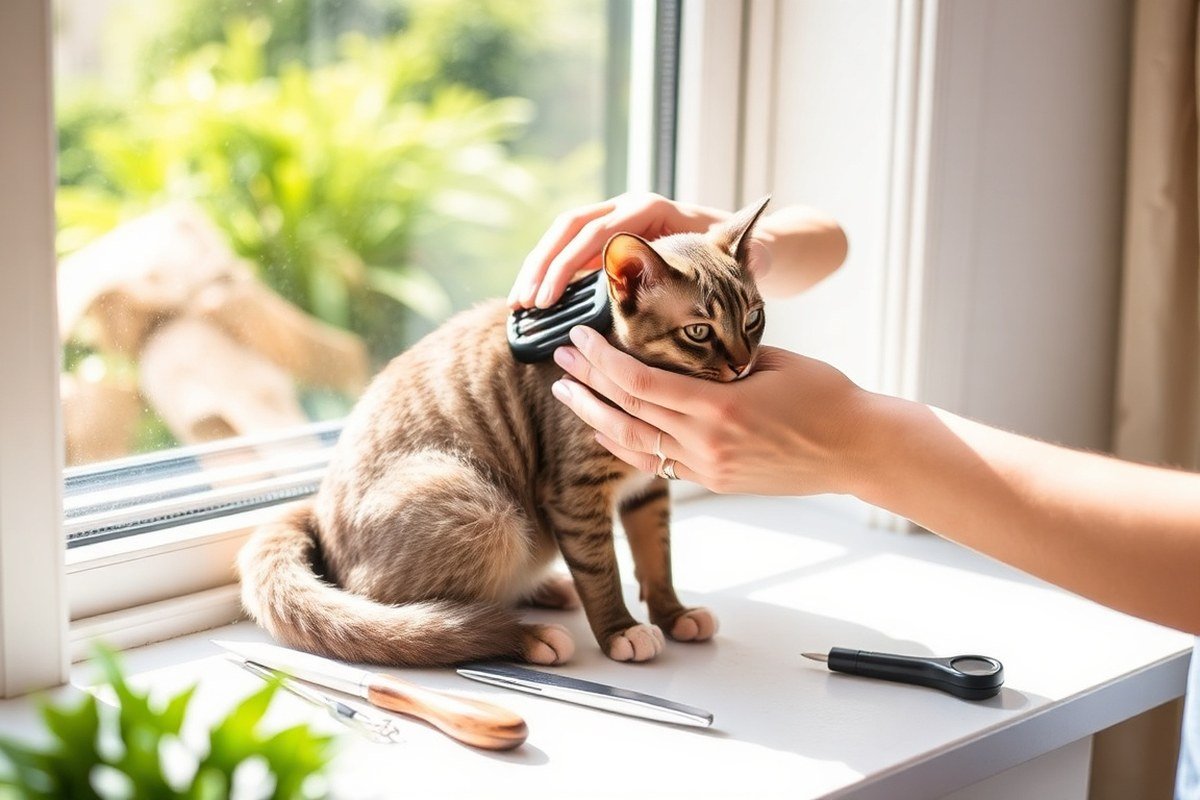
Grooming significantly reduces the amount of allergen Fel d 1 that cats spread around. When cats clean themselves, they deposit this protein onto their fur, which then disperses into the environment through shedding and dander. Consistent brushing removes loose hair and dander, preventing buildup that triggers reactions. For long-haired breeds like Siberians or Balinese, weekly brushing is necessary to manage shedding and allergens effectively. Short-haired breeds such as the Oriental Shorthair or Russian Blue usually require less frequent grooming, often once a week or every two weeks.
Neutering also plays an important role. Intact male cats produce the highest levels of Fel d 1, while spaying or neutering lowers this allergen production. Female cats typically have lower Fel d 1 levels than males. This means neutering your cat can reduce allergen levels and make symptoms more manageable if you have allergies.
- Brush your cat’s coat 2-3 times per week for moderate shedders, daily for long-haired breeds
- Use a damp cloth or pet-safe wipes to clean your cat’s fur occasionally
- Neuter male cats to reduce Fel d 1 protein production
- Vacuum floors and furniture at least twice a week to remove loose allergens
- Wash your cat’s bedding weekly in hot water above 130°F to kill dust mites and clear dander
- Run HEPA air purifiers to lower airborne allergens in rooms where your cat spends time
- Consider using allergen-neutralizing sprays labeled safe for pets on carpets and upholstery
Consistently following these grooming and environmental care steps lowers allergen buildup. Skipping regular grooming allows dander to accumulate on fur and in the home, increasing exposure and allergy flare-ups. Overall, combining neutering with a solid grooming routine and home cleaning creates a more allergy-friendly environment even with hypoallergenic cats.
Managing Allergies When Living with Hypoallergenic Cats
Effectively reducing allergic reactions while living with hypoallergenic cats involves both choosing the right cat breed and managing your home environment carefully. Allergic reactions come mainly from the Fel d 1 protein found in cat saliva and dander, so controlling its spread is key. Hypoallergenic breeds can lower your symptoms but don’t eliminate allergens entirely, so environmental strategies are necessary.
Regular cleaning routines, air management, and personal care help minimize allergen buildup in your home. HEPA air purifiers remove airborne allergens and can significantly improve air quality, especially in rooms where your cat spends the most time. Frequent vacuuming with a vacuum designed for pet hair, along with washing your cat’s bedding weekly in hot water (130°F or higher), reduces dander and saliva residues. Brushing your cat outside limits loose fur and dander indoors, which further cuts down allergen levels.
- Vacuum floors and furniture at least twice a week using a pet-specific vacuum
- Wash cat bedding and blankets weekly at 130°F to kill allergens
- Use HEPA air purifiers in living and sleeping areas
- Brush your cat outdoors several times a week to reduce loose fur
- Keep your cat out of your bedroom to limit allergen exposure while sleeping
- Wash your hands immediately after petting or playing with your cat
Spending time with a particular hypoallergenic breed before adopting helps you gauge your allergic response. Consider how much effort the cleaning routine will require compared to your allergy severity. For mild to moderate allergies, combining a low-allergen breed with consistent cleaning and use of air purifiers often makes living with cats manageable. However, even the best care may not fully prevent symptoms for highly sensitive individuals.
Choosing the Right Hypoallergenic Cat for Your Allergies and Lifestyle
Your choice of a hypoallergenic cat should match your allergy level and daily habits. Breeds like Siberian and Balinese produce smaller amounts of the Fel d 1 protein, which causes allergic reactions. People with moderate allergies often find these breeds more suitable. For those with milder allergies, Sphynx cats could be an option, but they need regular cleaning because they don’t have fur. Burmese cats shed minimally and suit anyone looking for low-shedding cats with fewer allergens.
Hypoallergenic cats often have different behavior and care needs than other cats. For example, Sphynx cats need regular baths to remove oils that would normally be absorbed by fur. Balinese cats are social and vocal, forming strong attachments and requiring time for interactive play and communication. Your daily schedule should support the specific personality and care demands of the breed you pick to ensure both your wellbeing and the cat’s happiness.
Meeting a cat before adoption is important. Allergy responses vary by individual even within hypoallergenic breeds. Spending several hours interacting with the cat allows you to estimate your reaction more accurately. Breeders sometimes exaggerate hypoallergenic claims, so direct exposure means you can confirm if your symptoms improve or worsen.
Purebred hypoallergenic cats generally have more consistent traits related to allergen production and grooming needs compared to domestic mixed breeds. Expect a few weeks to months before your allergies stabilize post-adoption, assuming you maintain good cleaning practices and the cat’s grooming is regular. Keep in mind that all cats carry some level of Fel d 1 allergen, so additional allergy management, such as using air purifiers, remains important.
Your First Steps to Living Well with a Hypoallergenic Cat
Start here to reduce your allergy symptoms while enjoying your new cat. Follow this plan to see if a hypoallergenic breed and your care routine fit your needs.
- Before adopting: Research and select a hypoallergenic breed that matches your allergy sensitivity and lifestyle. Notice if your usual allergy symptoms decrease when around similar cats at a shelter or friend’s home.
- Day 1: Prepare your home with allergen-reducing tools like HEPA air purifiers and washable furniture covers. Check if air quality improves and dust levels drop by routine cleaning.
- Week 1: Introduce your cat gradually to one room, limiting exposure. Monitor any allergic reactions daily for changes or improvement.
- Weeks 2-4: Establish a regular grooming schedule, including weekly bathing if recommended for your breed. Track allergy symptoms to see if grooming reduces flare-ups.
- After 4 weeks: Add more home areas for your cat and maintain cleaning routines focused on dander and hair. Notice if symptoms remain stable or increase, adjusting limits accordingly.
- Monthly: Schedule veterinary care to ensure your cat is well-groomed and healthy, as illness can increase allergens. Keep a symptom diary to correlate health and allergy levels.
- Ongoing: Use medications or allergy treatments advised by your doctor if symptoms persist. Evaluate their effectiveness and adjust with professional guidance.
Frequently Asked Questions
Are There Any Hypoallergenic Cats That Don’t Shed Much?
Yes, some hypoallergenic cats shed less, reducing allergen spread. Lower shedding can help minimize allergens in your home, but grooming remains important.
Do Hypoallergenic Cats Produce Less Saliva Allergens?
They generally produce fewer saliva proteins that trigger allergies. Less saliva allergen means fewer reactions from licking, but saliva allergens remain present.
Can Hypoallergenic Cats Trigger Asthma Attacks?
Yes, they can still trigger asthma because no cat is fully allergen-free. Asthma sufferers may need medication or avoid close contact even with hypoallergenic breeds.
Are Kittens Less Allergenic Than Adult Cats?
Kittens typically produce fewer allergens than adults, but not always. Early exposure may help build tolerance, but individual reactions vary widely.
Does Diet Affect Allergen Levels in Hypoallergenic Cats?
Diet does not significantly change allergen production in cats. Managing allergies focuses more on grooming and environment than feeding.
Final Thoughts
Choosing a hypoallergenic cat breed can lower your allergic reactions but won’t remove them completely. The key is managing your environment and your cat’s care consistently. Try meeting a Bengal or Siberian cat soon to see if your allergies improve, and talk to your doctor about allergy management options.