Can Cats Get Colds? Complete Guide to Causes, Care & Recovery
Can cats get colds? Yes, cats often catch colds caused by viral infections similar to human colds. Most feline colds clear up within seven to 10 days without medical treatment. Keeping your cat comfortable and hydrated helps support their recovery.
Key Takeaways
- Most cat colds are caused by highly contagious viruses like feline herpesvirus and calicivirus.
- Symptoms usually appear 2 to 6 days after exposure and often resolve in about 5 to 14 days.
- Using a humidifier or a steamy bathroom can ease your cat’s respiratory congestion.
- Quarantine new cats for 7 to 10 days to prevent spreading viral infections in multi-cat homes.
- Fever over 102.5°F signals a more serious illness requiring prompt veterinary care.
- Many cats carry herpesvirus for life and may shed the virus again under stress.
Can Cats Catch Colds? Understanding Feline Respiratory Illness
Cats experience colds that differ from those in humans. Upper respiratory infections (URIs) in cats usually result from feline herpesvirus or feline calicivirus. These viruses only affect cats and cannot spread to people, nor do human cold viruses affect cats. Symptoms of cat colds look similar to human colds, including sneezing, nasal and eye discharge, coughing, and watery eyes.
Feline Upper Respiratory Infection (URI) affects the nose, throat, and eyes, much like a human cold targets the upper airways. The infection is common and highly contagious among cats. Even indoor cats can contract a URI through close contact with other cats or from germs carried on hands or objects. Stress or an unrelated illness can reactivate dormant viruses in cats, causing cold symptoms to reappear.
Understanding how a cat cold differs from a human cold is important for care. While cats can display similar signs, their viral infections are unique to them and require different treatment approaches. Cat URIs usually resolve within 7 to 10 days, but some cases can worsen, especially in kittens or senior cats. No cold draft causes the infection itself, but exposure to cold temperatures may challenge a cat’s immune response during illness.
What Causes Cat Colds and How Do They Spread?
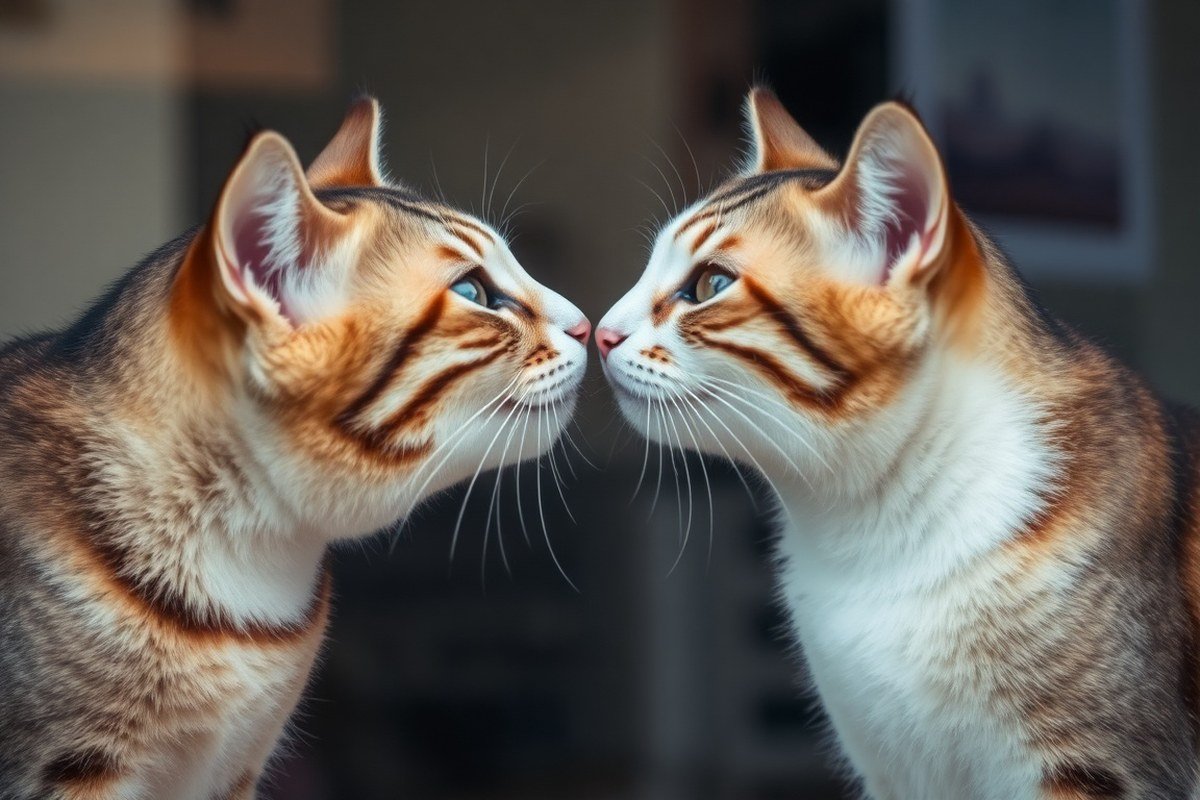
Cat colds mainly result from viruses that are specific to cats, such as feline herpesvirus and calicivirus. These viruses are different from the ones that cause human colds, meaning you and your cat do not share the same viruses. Cats cannot catch a cold from humans, nor can humans catch a cold from cats. Understanding this helps prevent unnecessary worry about cross-species transmission.
Cats typically contract these infections through direct contact with other infected cats. Grooming is one common way, since cats often lick each other’s faces, which transfers viruses easily. Sharing food and water bowls also spreads the infection, especially in crowded environments like shelters or boarding facilities where cats interact frequently. Outdoor cats face higher risks due to encounters with more cats outside.
| Transmission Method | How It Happens | Risk Level |
|---|---|---|
| Cat-to-cat grooming | Direct licking of face and body | High |
| Shared food/water bowls | Contact with saliva on shared dishes | Moderate to High |
| Close proximity in shelters or boarding | Multiple cats in confined spaces | High |
| Outdoor contact | Interacting with neighborhood cats | Moderate |
Contagiousness among cats is significant, especially in groups that live or spend time together. Cats recovering from viral infections can become carriers and continue spreading the virus without showing symptoms themselves. That’s why keeping infected cats separated from others for at least 7 to 10 days during recovery helps reduce spread.
For cats with frequent or severe colds, veterinary testing can identify the exact virus or bacteria involved, guiding better care. In general, minimizing sharing of food dishes, maintaining good hygiene, and controlling social exposure can help manage risks. Humans do not need to worry about catching their cat’s cold or passing their own cold to their pets, which simplifies preventive steps.
Recognizing Symptoms and Typical Duration of Cat Colds
Typical cat cold symptoms include sneezing, clear nasal discharge, watery eyes, mild congestion, and sometimes a low appetite. Your cat may also rub at her face more than usual due to irritation. Symptoms generally show up within 2 to 6 days after exposure to the virus or bacteria. Most milder colds resolve on their own within 5 to 14 days as the infection clears. During this time, your cat might appear a bit lethargic and less playful than usual but should still be alert and willing to eat and drink.
Keep a close watch from the start. Your cat needs a visit to the veterinarian when you notice Yellow or green discharge from the nose or eyes, or if sneezing and congestion get worse instead of better. Other warning signs include squinting, cloudiness, or pain in the eyes; refusal to eat for 24 hours in adults or immediately in kittens or seniors; and any signs of labored or open-mouth breathing. These symptoms indicate complications that require prompt veterinary evaluation.
Most cat colds follow a predictable timeline. Initial symptoms appear within a few days, peak around day 4 to 7, and usually start to improve by the second week. Your cat’s cold should clear up in 10 to 14 days when symptoms remain mild. For cats with recurrent or severe symptoms, your vet may recommend tests like a PCR panel to identify specific infections. Be aware that secondary bacterial infections can prolong recovery and often need antibiotic treatment prescribed by your vet.
Practical Home Care for Cats with Colds
Start by adjusting your cat’s environment to make recovery as comfortable as possible. Keep your home warm, ideally above 70 degrees Fahrenheit, and provide extra blankets in your cat’s resting area to prevent chills. Using a humidifier or placing a bowl of water near a heat source adds moisture to the air, which soothes irritated nasal passages and eases breathing. Clean the area frequently to reduce exposure to viruses lingering on surfaces like food bowls, bedding, and litter boxes.
Regular grooming becomes important because a sick cat often stops cleaning itself. Brush or comb your cat daily to remove loose fur and prevent matting, which helps support their overall comfort and hygiene. Offer easy-to-eat, warm food to encourage eating, since cats with colds may lose their appetite. Ensure fresh water is always available to keep your cat hydrated.
Never give your cat over-the-counter human cold medications. Many common cold remedies contain ingredients like decongestants that can be toxic to cats. Only administer medications prescribed by your veterinarian. For severe infections or cats with weakened immune systems, the vet might prescribe antiviral drugs or other treatments. Watch for signs such as fever over 102.5°F, difficulty breathing, or worsening symptoms, which require prompt veterinary attention.
Quarantine any new or sick cats away from others for about 7 to 10 days to prevent spread of infection. Practice thorough hand washing after handling a sick cat and disinfect shoes and hands to stop germs from traveling. Supportive care generally helps cats recover within 5 to 10 days. Keep monitoring your cat’s condition and maintain these home care steps to aid a speedy recovery.
When to Consult a Vet and How Cat Colds Are Diagnosed
You should see a vet right away if your cat shows severe symptoms like wheezing, gasping, difficulty breathing, or stops eating and drinking. Mild colds usually get better in 7, 10 days without vet visits, but increasing or persistent symptoms need professional care. Cats with underlying health issues or older cats may also require earlier attention. Since Cat colds can lead to complications such as bacterial infections or pneumonia, prompt treatment reduces risks and recovery time.
During the visit, the vet will perform a physical exam and may order tests like a complete blood count to rule out blood-related conditions. They might also take nasal or throat swabs to identify specific viruses or bacteria causing the illness. A proper diagnosis helps decide if antibiotics or other medications are needed since homemade remedies lack veterinary support. Vets also check for secondary problems, which can prolong illness or cause complications.
| When to See a Vet | Symptoms |
|---|---|
| Immediate Veterinary Care Needed | Wheezing, gasping, difficulty breathing, not eating or drinking, severe lethargy |
| Consult Within a Few Days | Persistent sneezing, nasal discharge, coughing lasting over 7, 10 days, mild lethargy |
| Monitor at Home | Mild sneezing, occasional coughing, clear nasal discharge, normal appetite and energy |
Vaccinations don’t completely prevent colds but protect cats from the most severe symptoms of feline viral infections, especially cat flu. Up-to-date shots reduce the risk of serious illness but vaccinated cats can still carry and spread viruses to unvaccinated pets. Isolating a sick cat from others helps limit disease spread, especially in multi-cat homes or shelters.
Step-by-Step Action Plan for Managing Your Cat’s Cold
Follow these steps to support your cat through a cold and know when to act to keep them comfortable and safe.
- Day 1: Observe your cat closely for symptoms like sneezing, runny nose, or coughing to confirm signs of a cold.
- Day 2-3: Provide Fresh water and easily digestible food to keep your cat hydrated and nourished; watch for their eating and drinking habits improving.
- Day 3-5: Create a Warm, quiet resting area away from drafts and stress; your cat should appear calmer and rest more.
- Throughout the illness: Use a Humidifier or steam nearby to ease congestion; note if breathing seems easier and nasal discharge lessens.
- Day 5-7: Monitor for symptoms worsening or not improving, such as labored breathing, refusal to eat, or persistent fever.
- Immediately: Clean your cat’s bedding and living area regularly to reduce viral spread and check other pets for similar symptoms.
- If symptoms persist or worsen: Contact your veterinarian for an exam and possible treatment to prevent complications.
Frequently Asked Questions
Can a Cold in Cats Turn into Something More Serious?
Yes, cat colds can lead to complications like bacterial infections, requiring vet care, especially in kittens and older cats. Watch for worsening symptoms or lethargy as signs to seek help.
Is It Possible for Indoor Cats to Catch Colds?
Indoor cats can catch colds, especially if they come into contact with other cats or objects carrying viruses. Contagion happens through direct contact, shared items, or droplets.
Do Cat Colds Require Antibiotics for Treatment?
Most cat colds do not need antibiotics since they’re usually viral. Antibiotics may be prescribed only if a secondary bacterial infection develops.
Can a Cat with a Cold Spread It to Other Pets in the Household?
Yes, cat colds are contagious to other cats but not to dogs or humans. Keeping sick cats isolated helps prevent spread among cats.
Why Does My Cat Have a Runny Nose but No Other Cold Symptoms?
A runny nose alone could be an early sign of a cold or another issue like allergies. Monitor your cat for other symptoms and consult your vet if it persists.
Final Thoughts
Cats can catch colds caused by viruses similar to human colds, and while most cases improve with simple home care, some need veterinary attention. Recognizing symptoms early and providing a calm, well-hydrated environment helps your cat recover comfortably. Check your cat daily, and don’t hesitate to call your vet if anything seems off or symptoms last longer than a week.