Do Cats Get Hiccups? Clear Signs, Causes and Easy Remedies
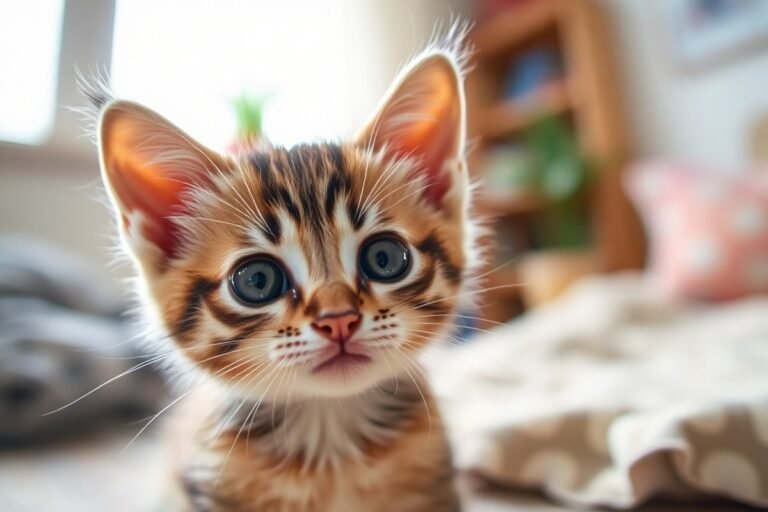
Do kittens and adult cats experience hiccups? Yes, they do. These hiccups tend to be short-lived and generally harmless, clearing up on their own. Giving your cat fresh water can help calm them and keep them hydrated, which might lower the chances of hiccups occurring.
Key Takeaways
- Hiccups in cats usually last anywhere from a few seconds to a few minutes before stopping without any intervention.
- Eating too fast and swallowing air is the most common cause of cat hiccups.
- Hiccups occur more often in kittens due to their developing digestive systems and energetic behavior.
- Gentle massage around your cat’s chest and neck can help relax muscles and ease hiccups.
- Frequent or prolonged hiccups lasting over five minutes should prompt a visit to the vet.
- When hiccups occur alongside coughing or trouble breathing, contact a veterinarian immediately for advice and care.
Can Cats Really Get Hiccups and How to Spot Them
Yes, cats really do get hiccups, and the cause is similar to humans. Hiccups happen because of a sudden, involuntary spasm of the diaphragm muscle, which controls breathing. This spasm causes a quick closure of the vocal cords, creating the characteristic “hic” sound. Both kittens and adult cats can experience hiccups, although they occur more often in kittens because their respiratory systems are still developing and they tend to eat or drink quickly.
Recognizing hiccups in your cat involves distinguishing them from other typical throat or breathing noises. They appear as rhythmic, repeated chest or throat sounds or motions. These usually last a brief time, from a few seconds up to several minutes, and often follow rapid eating or drinking.
| Symptom | Cat Hiccups | Cough | Hairball |
|---|---|---|---|
| Sound | Short, sharp “hic” sounds spaced evenly | Harsh, irregular hacking or gagging sounds | Gagging or retching with coughing |
| Movement | Involuntary diaphragm spasms causing sudden chest jerks | Forceful thrusting to clear airways | Retching or swallowing motions to expel hairball |
| Duration | A few seconds to minutes, usually brief and rare | Can be frequent, lasting longer if irritated | Episodes end after hairball expulsion |
| When observed | Often after eating/drinking quickly or excitement | Triggered by illness, allergies, or irritants | During hairball formation or removal |
Knowing these differences helps you watch your cat’s behavior and be ready to act. Normal hiccups don’t disturb your cat’s breathing or cause distress. Distinguishing hiccups from coughs or hairball symptoms is important since coughing may indicate infection or illness, and hairball issues can need treatment. Should your cat experience spasms or noises that continue beyond a few minutes, occur frequently, or include signs such as trouble breathing, a visit to the veterinarian is necessary to rule out health issues.
Common Causes and Triggers Behind Cat Hiccups
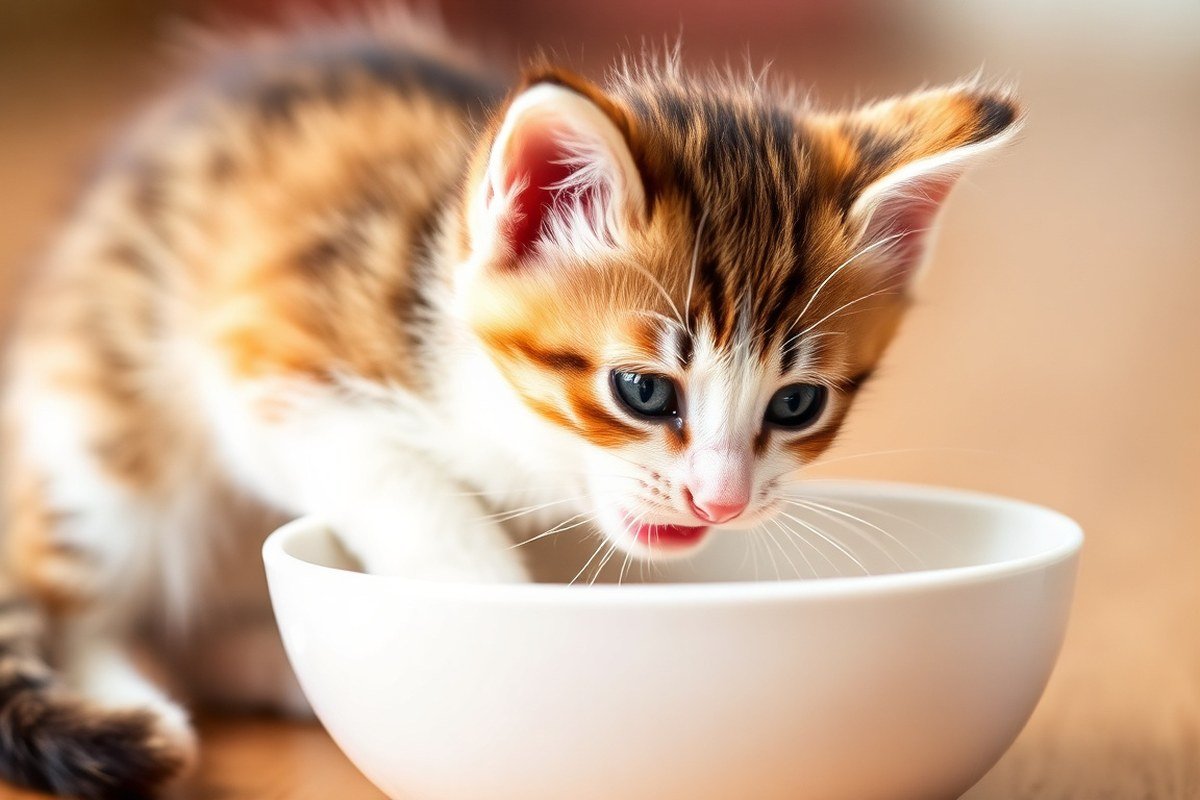
Cat hiccups usually happen because your cat swallows air or eats too quickly. When they gobble their food, they tend to take in extra air, which irritates the diaphragm, the muscle that helps them breathe. This irritation can trigger the hiccup reflex. Kittens are more likely to get hiccups than adult cats since they are still learning how to eat properly and often eat faster or overeat.
Eating fast often leads to swallowing air and mild diaphragm irritation, causing short episodes of hiccups. Overeating can also stretch the stomach and press on the diaphragm, making hiccups more likely. Besides eating habits, excitement or stress might trigger hiccups because cats tend to swallow more air when anxious.
Hairballs also play a role in causing hiccups. When cats groom, they swallow loose fur, which can form hairballs. Trying to clear these can irritate the throat and diaphragm area, leading to hiccups. This explains why some cats get hiccups after grooming sessions or bouts of hairball coughing. Diet can indirectly affect hiccups too; a poorly balanced diet causing excessive fur shedding or digestive upset may increase the chance of hairballs or overeating.
The vagus nerve, which runs from the brain through the diaphragm and abdomen, is often involved in hiccups. Eating too fast, overeating, or irritation from hairballs can stimulate this nerve, triggering hiccups. This nerve irritation is the biological reason behind many common hiccup causes in cats.
Adult cats still get hiccups, but less often than kittens, who are more vulnerable due to their developing eating behaviors. Monitoring your cat’s eating pace, providing smaller, frequent meals, and addressing hairball issues can help reduce the chances of hiccups.
How Long Do Cat Hiccups Last and When Are They Normal?
Hiccups in cats typically last from a few seconds up to about 15 minutes. These brief episodes often occur after eating or during play and usually pose no concern. Short hiccup episodes are normal, especially in kittens, who tend to experience them more frequently than adults due to their developing respiratory and digestive systems.
Adult cats can have hiccups too, but they occur less often and usually resolve quickly. Because their bodies are more mature, any hiccup lasting longer than 15 minutes or happening repeatedly throughout the day should be watched carefully. Prolonged or frequent hiccups may signal an underlying issue, such as digestive discomfort or respiratory problems, requiring veterinary attention.
Behavior and timing help distinguish normal hiccups from concerning ones. Normal hiccups happen predictably, shortly after meals or activity, without affecting your cat’s mood or breathing. In contrast, hiccups accompanied by lethargy, changes in appetite, vomiting, or labored breathing suggest a problem beyond simple hiccups.
Use this simple checklist to decide when to consult your vet: if your cat’s hiccups last longer than 15 minutes, occur several times a day, or come with abnormal signs like difficulty breathing or vomiting, have a professional evaluate your cat. Kittens with brief, isolated hiccups usually need no intervention, but adults showing unusual patterns benefit from assessment.
Effective Ways to Help Your Cat Stop Hiccups Safely
Offering your cat fresh water is a simple first step you can take to ease hiccups. Dehydration may irritate their diaphragm muscles, so keep a clean bowl of water available at all times. Encourage your cat to drink by placing the bowl in a quiet, accessible spot. Fresh water should be replenished daily and cooled to about room temperature, as cats can be sensitive to water temperature. Proper hydration often helps reduce the frequency and duration of hiccups.
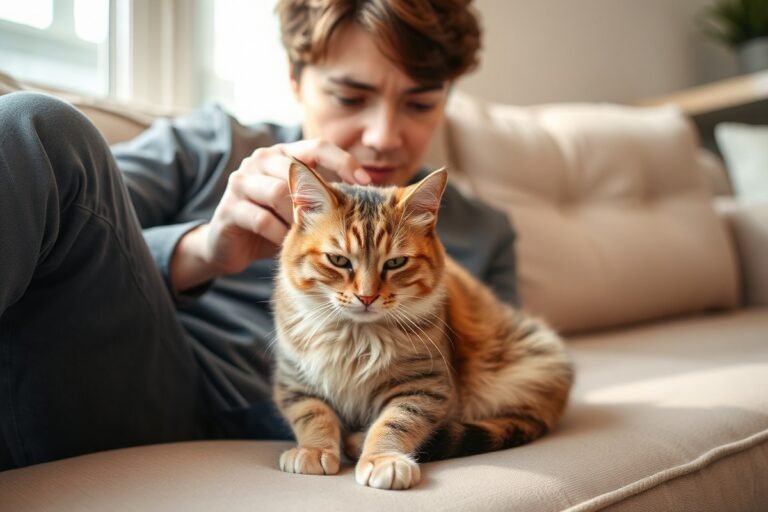
Gentle massage around your cat’s chest and throat can relax the muscles involved in hiccup spasms. Use slow, light strokes with your fingertips for about 2 to 3 minutes, avoiding any pressure near the throat that might cause discomfort. Watch your cat’s reaction; if they seem stressed, stop immediately. Massaging helps ease tension and calms your cat’s breathing, which may shorten a hiccup episode.
If your cat’s hiccups seem linked to eating habits, adjust their feeding routine to Slow down their eating pace. Use a shallow dish or a specially designed slow feeder bowl to prevent gulping food quickly. Feed small portions more frequently during the day rather than one large meal. Fast eating can cause your cat to swallow air, irritating their diaphragm and triggering hiccups.
Dietary changes may also help if certain foods irritate your cat’s digestive tract. For example, hairball-related hiccups often improve with specialized kitty food or safe hairball remedies such as Laxatone, but get a vet’s advice before switching diets. Preventing chewing on plants or human foods that upset your cat’s stomach can also reduce hiccups.
Avoid trying to scare or startle your cat to stop hiccups, as this can trigger stress and worsen the spasms. Likewise, do not use human hiccup remedies or medications not prescribed for cats. Focus on keeping your cat calm, comfortable, and hydrated. Most hiccups resolve on their own within a few minutes, and interfering too much can cause more harm. When hiccups persist beyond 24 hours or are accompanied by other symptoms, consult a veterinarian for further guidance.
When to Consult a Vet About Your Cat’s Hiccups
Persistent or frequent hiccups in your cat warrant a veterinary checkup, especially if they last more than a few hours or return often. Pay attention to additional symptoms such as coughing, wheezing, difficulty breathing, lack of appetite, or lethargy. These signs could indicate underlying health issues like respiratory infections, asthma, allergies, or digestive problems that need prompt diagnosis and treatment.
Senior cats should be monitored closely for hiccups and other breathing or digestive changes since they are more prone to chronic illnesses that can cause this symptom. If hiccups arise suddenly and continue without improvement, contacting your veterinarian is advisable to avoid potential complications.
The cost of veterinary care can vary widely based on the severity and treatment required. A basic exam typically runs between $75 and $150, providing an initial assessment and advice. More involved diagnostics like lab tests, X-rays, ultrasound, or emergency care could push the cost from $800 to $3,000 or more depending on your location and the complexity of the case.
Diagnostic options include a physical examination to check respiratory and digestive health, blood work to evaluate overall function, and imaging studies to view organs and identify abnormalities. Your veterinarian might also consider endoscopy for a closer look at the esophagus or stomach if indicated. Early diagnosis helps prevent progression of diseases associated with chronic hiccups.
| Procedure | Purpose | Estimated Cost Range |
|---|---|---|
| Physical Exam | Initial health check and symptom evaluation | $75, $150 |
| Blood Tests | Assess organ function and infection | $100, $300 |
| Imaging (X-ray/Ultrasound) | Visualize respiratory and digestive systems | $200, $1,000 |
| Endoscopy | Direct examination of esophagus/stomach | $1,000, $2,500 |
Veterinary telemedicine offers a lower-cost, convenient option to discuss hiccup concerns remotely, helping determine whether an in-person visit is necessary. Keeping a record of your cat’s hiccup episodes, duration, and related symptoms will be helpful for any vet consultation. Monitoring your pet’s behavior and breathing closely can help you catch signs that require professional evaluation before problems escalate.
Step-by-Step Action Plan to Manage Your Cat’s Hiccups
Follow these simple steps to ease your cat’s hiccups and know when to seek help.
- Immediately: Observe your cat to confirm hiccups by looking for quick, repeated twitches in their chest or throat.
- Within the hour: Offer small amounts of water to help relax the diaphragm and check if hiccups reduce.
- During mealtime: Slow down your cat’s eating by using a puzzle feeder or smaller portions to prevent hiccups caused by gulping air.
- Next day: Monitor your cat’s environment for stress or sudden changes that might trigger hiccups and reduce those situations.
- Within 48 hours: If hiccups persist or worsen, note any other symptoms like coughing or lethargy to share with your vet.
- After 3 days: Schedule a vet visit to rule out underlying issues if your cat still has frequent hiccups or shows signs of distress.
- Ongoing: Maintain a regular feeding schedule with calm conditions to prevent future hiccups and improve your cat’s comfort.
Frequently Asked Questions
Can Cats Get Hiccups While Sleeping?
Yes, cats can get hiccups during sleep, but they are hard to notice because the movements are subtle. Owners often miss these signs since the spasms of the diaphragm are very gentle in resting cats.
Do Hiccups Cause Discomfort in Cats?
Hiccups generally do not cause significant discomfort to cats and usually pass quickly. Watch for signs of distress or discomfort in your cat, and consider other health problems while consulting a vet.
Can Stress Make My Cat Hiccup?
Stress and excitement can trigger hiccups in cats by causing diaphragm spasms. Try to keep your cat’s environment calm to reduce the frequency of hiccups.
Are Foamy Bubbles in a Cat’s Breath Related to Hiccups?
Foamy bubbles are not a typical sign of hiccups but may indicate drooling or other oral issues. Notice foam appearing regularly? Make sure to consult your vet for a proper evaluation.
Can Hiccups Be a Sign of Digestive Issues in Cats?
Yes, frequent hiccups might suggest digestive problems like acid reflux or hairballs. Persistent hiccups paired with vomiting or behavior changes warrant a vet visit.
Wrapping Up
Cats can get hiccups just like humans, and they usually go away on their own without causing harm. You can help by making sure your cat eats calmly and isn’t stressed. Watch for signs that hiccups last longer than a few days or affect your cat’s behavior, and talk to your vet if you’re worried. Taking these steps protects your cat’s comfort and health.