Are Carnations Poisonous to Cats? What You Need to Know + Safety Tips
Are carnations poisonous to cats? Yes, carnations are mildly toxic to cats and can cause symptoms like drooling, vomiting, or mild skin irritation. Most cats recover within 24 to 48 hours if they only ingest small amounts. Monitor your cat closely and contact your vet or a poison control hotline if symptoms appear.
Key Takeaways
- Carnations contain an unknown irritant that can cause mild gastrointestinal upset in cats.
- Symptoms typically include drooling, vomiting, and occasional mild skin irritation.
- Most cases resolve within 24 hours with no lasting effects.
- If your cat eats carnations, watch for symptoms at least 24 to 48 hours after ingestion.
- Contact your vet or the ASPCA Animal Poison Control Center if your cat shows signs of illness or you’re unsure of the amount consumed.
- Severe emergencies are rare with carnations, unlike with true lilies, which are highly toxic to cats.
Are Carnations Poisonous to Cats and How Toxic Are They?
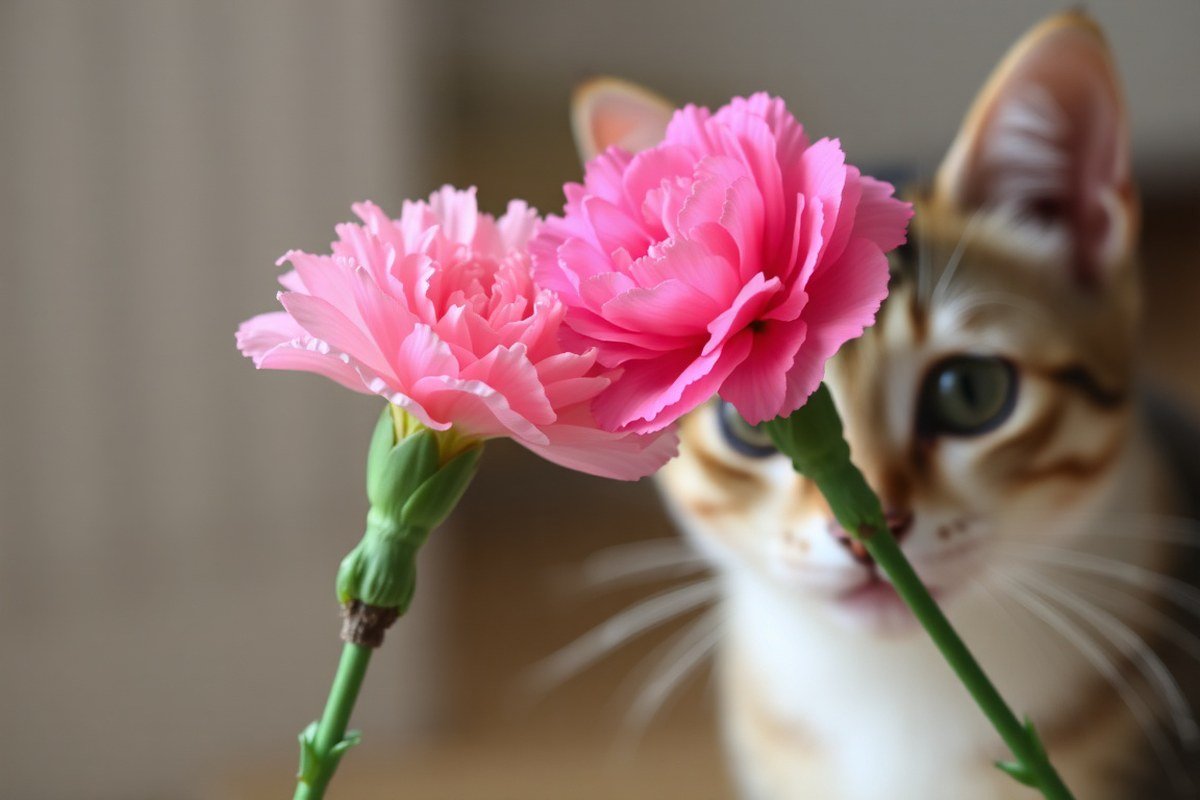
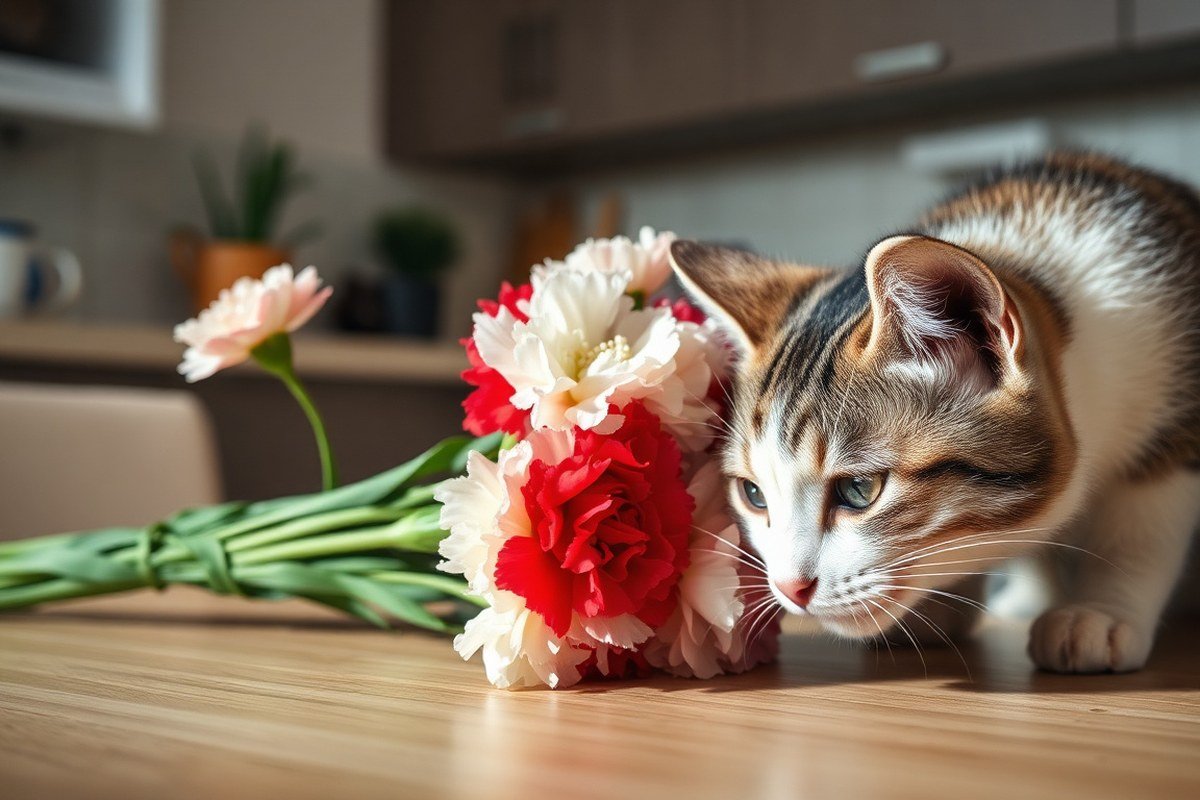
Carnations (Dianthus caryophyllus) are indeed poisonous to cats, but their toxicity is generally mild. According to the ASPCA, carnations contain compounds, specifically triterpenoid saponins, that can irritate a cat’s gastrointestinal tract. These compounds are found in various parts of the plant, including the petals, stems, and leaves. When chewed or ingested, they may cause mild symptoms such as drooling, vomiting, or minor skin irritation.
The level of toxicity in carnations is low compared to other common plants dangerous to cats. Unlike lilies, which pose a serious and potentially fatal risk, carnations typically trigger only mild gastrointestinal upset that usually resolves within about 24 hours without emergency care. This mild toxicity means carnations are less urgent but should still be treated with caution, especially if your cat tends to nibble on plants.
Keeping carnations away from your home or ensuring your cat cannot access them is the safest approach. Since each cat’s sensitivity can vary, even a small amount may be enough to cause mild irritation. If you choose to keep carnations around, monitor your cat closely and remove any petals or leaves they try to chew. While carnations aren’t the highest threat, they remain a toxic plant and should be considered carefully in any cat-friendly environment.
What Symptoms Indicate a Cat Has Eaten Carnations?
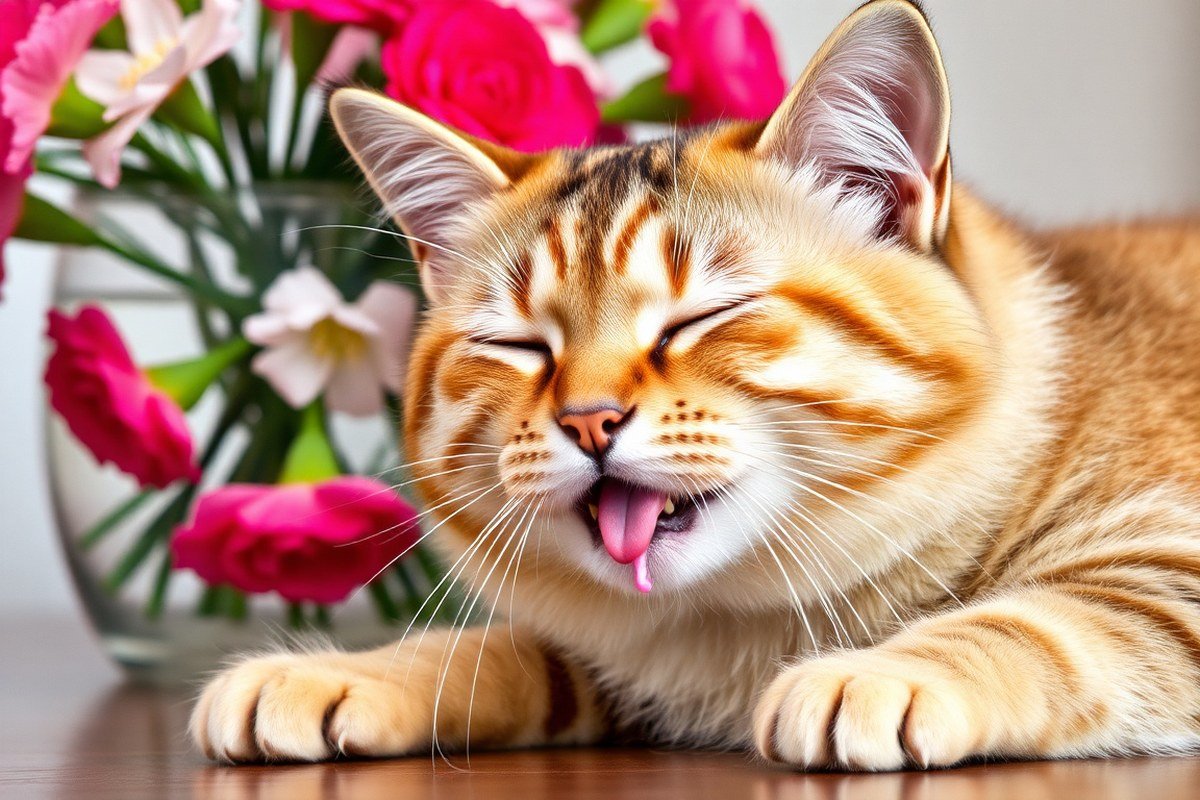
Signs of carnation ingestion in cats typically show up within a few hours after they nibble on the plant’s petals, leaves, or stems. The most common symptoms involve mild gastrointestinal upset. You might notice your cat drooling more than usual, vomiting, or having diarrhea. These symptoms occur because certain compounds in carnations irritate the stomach lining.
Besides digestive issues, some cats also develop mild skin irritation. If your cat rubs against or touches the carnation’s sap, expect itching, redness, or mild dermatitis where the skin made contact. This reaction is usually not severe but can be uncomfortable for your cat.
Watch closely over the first six hours after exposure to see if symptoms appear. In some cases, the vomiting or diarrhea may be brief, and your cat might show a temporary loss of appetite. The more of the plant your cat eats, the more pronounced these symptoms could become, although severe reactions are rare.
There’s no need to panic if the signs stay mild, many cats recover with some rest and no treatment. However, keep track of any worsening symptoms like persistent vomiting or excessive lethargy, which may require veterinary attention. Mild symptoms like drooling, transient vomiting, diarrhea, and localized skin redness are typical responses you’ll see after carnation ingestion.
How Serious Is Carnation Poisoning and What Risks Does It Pose?
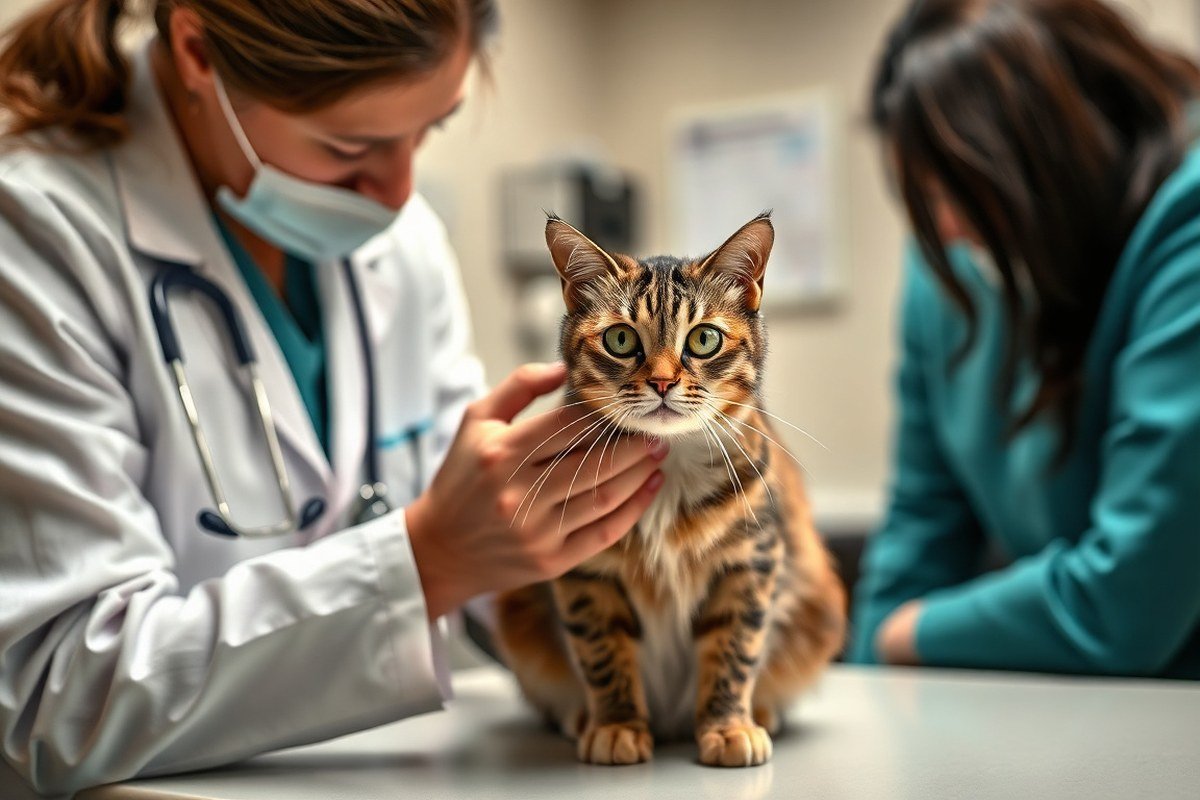
Carnation poisoning in cats is typically mild, with symptoms like diarrhea and skin irritation resulting from compounds called triterpenoid saponins found in the plant. While the effects can be uncomfortable for your cat, they rarely lead to life-threatening situations. Most cats recover quickly once they no longer have access to the plant, making the overall risk level lower than for plants such as lilies or chrysanthemums, which are more dangerous.
The main concern with carnation poisoning is the gastrointestinal upset, which can cause your cat to have accidents around the home or feel unwell for a short time. Serious complications are uncommon but monitoring your cat’s condition is important. Contact with carnation pollen or plant parts can also cause mild skin irritation. It is important to keep in mind that diagnosing carnation poisoning is challenging because symptoms overlap with other illnesses, and there are no tests that specifically detect this toxicity. Your veterinarian may need to run various tests to rule out other causes.
While no special treatment exists for carnation poisoning, standard supportive care, such as keeping your cat hydrated and comfortable, is usually sufficient. Your cat needs professional veterinary care when symptoms last long or get worse. Because the toxic compounds affect the digestive system rather than critical organs, fatalities or severe outcomes are quite rare. Still, cats should be protected from any exposure to carnations to avoid even mild poisoning episodes.
Choosing to avoid keeping carnations indoors is the most effective way to reduce risk. You must keep them fully out of reach from your cat at home, since even sniffing or slight contact can cause problems. Being alert to your cat’s behaviour after potential exposure will help you act quickly and prevent further complications.
What Steps Should I Take If My Cat Eats Carnations?
Immediately after your cat eats carnations, gently remove any visible plant material from its mouth to limit further ingestion. Keep your cat calm and restrict access to the plant to prevent repeat exposure. Since carnations are mildly toxic but can cause irritation or discomfort, monitoring your cat closely for at least 24 hours is important.
Contact your veterinarian promptly if your cat has eaten a large quantity of carnations or if your cat is elderly, has pre-existing health issues, or shows any symptoms such as vomiting, drooling, or lethargy. You can also call the ASPCA Animal Poison Control Center at 888-426-4435 or Pet Poison Helpline at 855-764-7661 for advice on managing the situation. These hotlines can guide you on whether immediate veterinary care is necessary.
- Remove plant material from your cat’s mouth immediately
- Keep your cat away from carnations to prevent further chewing
- Observe for symptoms like vomiting, drooling, or changes in behavior
- Contact your vet if your cat is elderly, poorly health, or has consumed a large amount
- Call the ASPCA Poison Control at 888-426-4435 or Pet Poison Helpline at 855-764-7661 if unsure
- If symptoms worsen or you are concerned any time, seek emergency vet care immediately
After exposure, check your cat often for any changes in appetite, bathroom habits, or energy levels. Mild symptoms may resolve on their own, but worsening signs mean it’s time to get professional help. By acting fast and staying alert, you reduce the risk of complications and support your cat’s recovery.
How Long Does It Take for Cats to Recover from Carnation Poisoning?
Cats that have ingested carnations typically show symptoms for a relatively short period, with many recovering within 12 to 24 hours if only a small amount was eaten. Full recovery usually happens by 24 to 48 hours, especially if your cat receives proper care such as hydration and monitoring. This timeline matters because prompt veterinary attention can prevent complications and help your cat feel better faster.
During the recovery phase, look for signs like reduced vomiting and diarrhea and a return to normal energy levels. Continued lethargy, persistent vomiting, or worsening diarrhea beyond 24 hours signals a need for another vet visit. Make sure your cat stays hydrated and has access to fresh water, as dehydration can slow healing and pose additional risks.
Your veterinarian may focus on supportive care since there’s limited treatment specifically for carnation poisoning. They may provide fluids or medications to ease stomach upset. Track your cat’s symptoms closely during the first two days. Your cat’s recovery could take longer and complications might develop if it eats a large amount or shows serious signs like ongoing vomiting or weakness.
Most cats recover quickly at home after a vet visit for initial care. Staying alert to changes in your cat’s behaviour and appetite during the first 48 hours helps confirm recovery or signals if further medical help is needed. Early intervention and supportive care are key to a smooth healing process after exposure to carnations.
Are All Dianthus Family Plants Toxic to Cats?
The species Dianthus caryophyllus covers several plants like carnations, mini carnations, and spray carnations. Although these are distinct cultivars, they contain similar chemicals that can be toxic to cats. The American Society for the Prevention of Cruelty to Animals (ASPCA) reports that all variants of Dianthus caryophyllus carry a mild toxic risk for cats, dogs, and horses, with no difference in danger between the full-sized and smaller types.
Understanding this connection matters because cat owners might wrongly assume that smaller or multiple blooms, such as those on mini carnations, pose less risk. Since all these plants belong to the same species, they contain the same compounds responsible for mild toxic effects. The mild toxicity usually involves gastrointestinal irritation if ingested, rather than severe poisoning.
| Plant Variety | Species | Toxicity to Cats | Common Symptoms |
|---|---|---|---|
| Standard Carnation | Dianthus caryophyllus | Mildly toxic | Vomiting, drooling, irritation |
| Mini Carnation (Spray Carnation) | Dianthus caryophyllus (cultivar) | Mildly toxic | Same as standard carnations |
The cost of treating a cat exposed to any Dianthus plant depends on the severity of symptoms and veterinary care needed. Mild cases might only require observation and supportive care, whereas more severe reactions could entail medical intervention. Because the whole group falls under mild toxicity, treatment approaches and preventive measures remain consistent regardless of the carnation type.
Since these plants are not highly toxic, a cat nibbling on a few petals may experience minor symptoms that resolve quickly with proper care. However, repeated or large ingestions increase risk. Knowing that mini and spray carnations carry the same risk as standard ones helps you avoid confusion when choosing plants for a cat-safe home. Keeping any Dianthus species out of reach is the safest approach to prevent accidental ingestion and related health issues.
Can I Keep Carnations Safely in a Home with Cats?
It is not safe to keep carnations within reach of your cat, as they contain substances that can cause irritation or mild poisoning if ingested. Cats are naturally curious and agile, capable of jumping onto countertops, shelves, and tables where you might place these flowers. To protect your feline friend, place carnations in high cabinets, glass-enclosed display cases, or rooms that your cat cannot access. This limits any chance of your cat chewing or brushing against the toxic petals and leaves.
Using deterrent sprays designed for cats can add another layer of safety. These sprays emit scents that cats generally dislike and can discourage them from approaching flower pots or vases. Be sure to choose pet-safe formulations and test a small area first to avoid any damage to your plants or furniture.
Consider the environment and your cat’s behavior when deciding where to place carnations. Your cat tends to climb or explore open spaces, so a closed cabinet or a separate room with a door kept shut offers the safest option. When you want to display carnations but worry about accessibility, use tall, narrow vases that are harder for cats to topple or reach inside.
Remember that keeping carnations indoors is generally discouraged if you have cats. Instead, choose non-toxic flowers that are safe for feline homes. Receiving carnations as gifts calls for enjoying them briefly before moving them outside or discarding them responsibly. This approach reduces risk and also lessens the chances of accidental ingestion or contact that could harm your cat’s health.
What Are Safe Flower Alternatives for Cat Owners?
Choosing Safe flowers for a home with cats means avoiding known toxic plants like carnations and opting for non-toxic, pet-friendly alternatives that bring color without risk. Some popular options include roses, sunflowers, and gerbera daisies, which are generally safe according to the ASPCA. These flowers offer a similar bright and cheerful aesthetic but with a much lower chance of causing harm if your cat decides to nibble on them.
In addition to flowers, many cat owners pick Cat grass as a totally safe choice. Cat grass is easy to grow indoors in small pots, requires minimal care, just regular watering and indirect sunlight, and provides a healthy outlet for a cat’s chewing instincts. This helps keep cats away from more delicate or toxic plants.
| Plant or Flower | Safety for Cats | Care Level | Appearance/Use |
|---|---|---|---|
| Roses | Non-toxic | Moderate (regular watering, sunlight) | Classic blooms, great for bouquets |
| Sunflowers | Non-toxic | Easy (full sun, occasional watering) | Bright and tall, perfect for vases |
| Gerbera daisies | Non-toxic | Moderate (bright light, moist soil) | Vibrant colors, indoor flowerpot |
| Cat Grass | Totally safe | Easy (water regularly, indirect light) | Fresh green grass, edible for cats |
These plants tend to be less harmful than carnations if ingested and are generally easier to manage indoors. For example, carnations may cause gastrointestinal upset if your cat chews on them, whereas roses and sunflowers have no such toxicity concerns. Cat grass serves as a living snack for cats, satisfying their desire to chew without any health risk. The initial cost for these plants varies: roses and sunflowers often cost between $5 and $20 per stem or pot, while cat grass seeds or starter kits typically run $5 to $10 and can be grown at home repeatedly.
Pet owners can keep their cat’s curiosity in check by providing these Safe and attractive alternatives, along with positive reinforcement training to discourage chewing on plants. Creating a pet-safe environment means more than picking the right flowers; it involves consistent supervision and understanding your cat’s behavior to prevent unwanted ingestion and potential emergencies.
How to Prevent Your Cat from Chewing on Toxic Plants Like Carnations
Stopping your cat from eating carnations begins with controlling access to these plants. Cats often chew on greenery out of curiosity or boredom, and they don’t develop any tolerance to the toxins in carnations. That means you must keep carnations completely out of reach to prevent poisoning. Place potted carnations in rooms your cat rarely enters or on high shelves they can’t jump to. For outdoor gardens, plant carnations in fenced areas or spots your cat avoids. If outdoor containment isn’t possible, consider using garden netting or barriers around the plants. These create a physical block that discourages your cat from approaching the flowers.
Using safe deterrents can also help discourage your cat from chewing on carnations. Spraying the plants with a bitter but non-toxic solution designed for pet deterrence can make the plants less appealing. Products containing bitter apple or citrus sprays are effective and generally safe for pets. Reapply the spray every few days, especially after watering, to maintain the deterrent effect. Avoid any sprays that contain strong chemicals or pesticides, as these could intensify health risks if your cat licks the plants.
Cat-proofing your environment requires extra attention to overall enrichment and alternatives. Cats that chew on plants often seek stimulation, so providing attractive safe plants like catnip or cat grass will divert their interest away from carnations. Set up a designated plant area close to your cat’s favorite lounging spots to reinforce good habits. Monitoring your cat’s behavior around plants is essential since even treated and contained carnations can pose a risk if your cat finds a way to access them. Spending time playing and engaging your cat reduces boredom and the urge to chew on dangerous greenery.
Consistent application of these strategies, environmental barriers, safe deterrents, and offering alternative plants, can greatly reduce the risk of your cat chewing toxic carnations. Be prepared to adjust your setup depending on your cat’s persistence. Some cats may try harder to reach restricted plants, so combining these methods will help ensure better protection. The investment in products like pet-safe sprays ranges from $10 to $20 and takes under 10 minutes to apply per session, making it a practical part of your routine. Regular vigilance offers the best chance to keep your feline companion safe around toxic plants.
Your Quick-Start Plan for Protecting Your Cat from Carnation Poisoning
Follow these steps to keep your cat safe around carnations and respond effectively if exposure occurs.
- Immediately after ingestion: Remove any remaining carnation pieces from your cat’s environment and observe for symptoms like vomiting or drooling.
- Within the first hour: Contact your veterinarian or an emergency pet poison hotline to describe the situation and get advice.
- Day 1: Monitor your cat closely for any new symptoms such as lethargy, upset stomach, or changes in behavior throughout the day.
- Day 2 to Day 3: Keep your cat hydrated and comfortable while continuing to watch for symptoms; most mild cases improve within this time.
- After one week: If no symptoms have appeared, it’s safe to resume normal play around plants, but avoid carnations and similar toxic plants going forward.
- Ongoing: Replace carnations with Cat-safe flowers like roses or sunflowers, and use deterrents or physical barriers to prevent your cat from chewing on any houseplants.
Frequently Asked Questions
Are Carnations Safe to Have Around Kittens?
Carnations are mildly toxic and can cause irritation in kittens, so avoid letting them near these flowers to prevent any mild gastrointestinal upset or skin reactions.
Do Carnations Lose Their Toxicity Once Dried?
Dried carnations can still cause mild irritation to cats, so keep both fresh and dried flowers out of your cat’s reach.
Can Carnation Pollen Harm Cats?
Carnation pollen is not known to cause significant harm, but contact may cause mild irritation or allergic reactions in some cats.
Is the Water in a Vase with Carnations Toxic to Cats?
Vase water containing carnations may contain irritants and is best avoided to prevent mild digestive upset if your cat drinks it.
Are Carnation Plant Leaves More Toxic Than the Flowers?
Both leaves and flowers are mildly toxic, but leaves might cause more chewing interest and should be kept away from cats.
The Bottom Line
Carnations pose a mild to moderate risk to cats but are not usually life-threatening if managed promptly. Taking quick action and monitoring your cat helps avoid serious complications. Remove carnations and choose safer plants to protect your cat’s health starting today.