Why Is My Cat Drooling? Signs, Causes, and When to See a Vet
Why is my cat drooling? Cats might drool for several reasons, ranging from harmless relaxation to serious health issues. Your cat’s sudden, heavy, or prolonged drooling over 24 hours needs prompt attention. Checking your cat’s overall behaviour and mouth can help detect early signs of problems.
Key Takeaways
- Sudden or ongoing drooling longer than 24 hours often indicates a health problem requiring attention.
- Dental issues are common in older cats, with 85% experiencing oral problems affecting drooling.
- Drooling after medication for more than 20 minutes might mean your cat feels nauseous from the medicine.
- A wet chin or chest usually shows your cat has been drooling for some time.
- Broken teeth, oral tumors, or tongue injuries are emergencies and need a vet visit within 24 hours.
- Teething starts early in kittens, causing some drooling as baby teeth fall out and adults come in.
Why Is My Cat Drooling? Common Reasons Explained
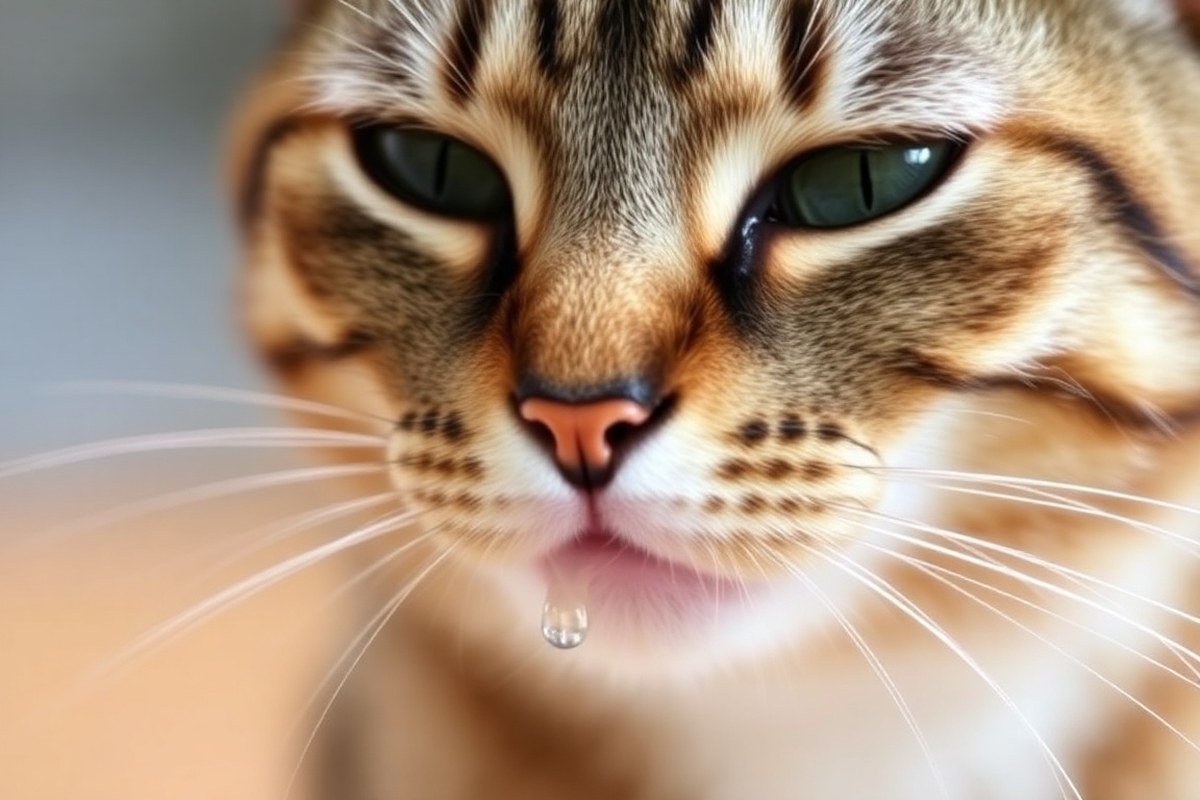
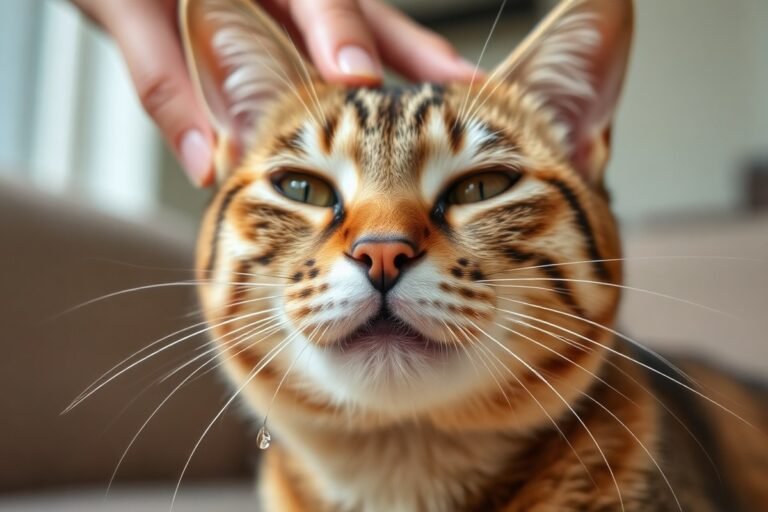
Drooling in cats can be normal or a sign of something else, depending on the context. Some cats drool slightly when they are deeply relaxed, happy, or excited, such as during petting, purring, or a catnip high. This mild drooling is usually nothing to worry about if your cat has always done it this way.
Sudden drooling may catch your attention, and one common cause is Motion sickness. Cats riding in a car can drool because of nausea, which is similar to how humans react. Watching for other signs like restlessness or vomiting can help you tell if your cat is feeling sick during travel.
Besides relaxation and mild nausea, teething in kittens is another typical reason for drooling. As their adult teeth come in, excessive salivation can occur but usually improves once the process ends, around 6 to 7 months of age. This drooling tends to be temporary and not severe.
It’s normal for some cats to drool a little while being petted or during contented purring. However, if a cat who never drooled before starts dripping saliva suddenly or the drool seems excessive or foamy, it might indicate an issue like dental disease or oral pain. Cats can also drool mildly due to mild nausea or irritation without other major signs.
Understanding which drooling fits your cat’s usual behavior is key. Normal drooling often appears during moments of contentment or mild discomfort, like motion sickness, and goes away on its own. Keep an eye on how much and when drooling happens. Mild drooling with no other symptoms generally requires no intervention beyond routine care, while sudden increased drooling warrants a closer look.
Health Problems That Cause Excessive Cat Drooling
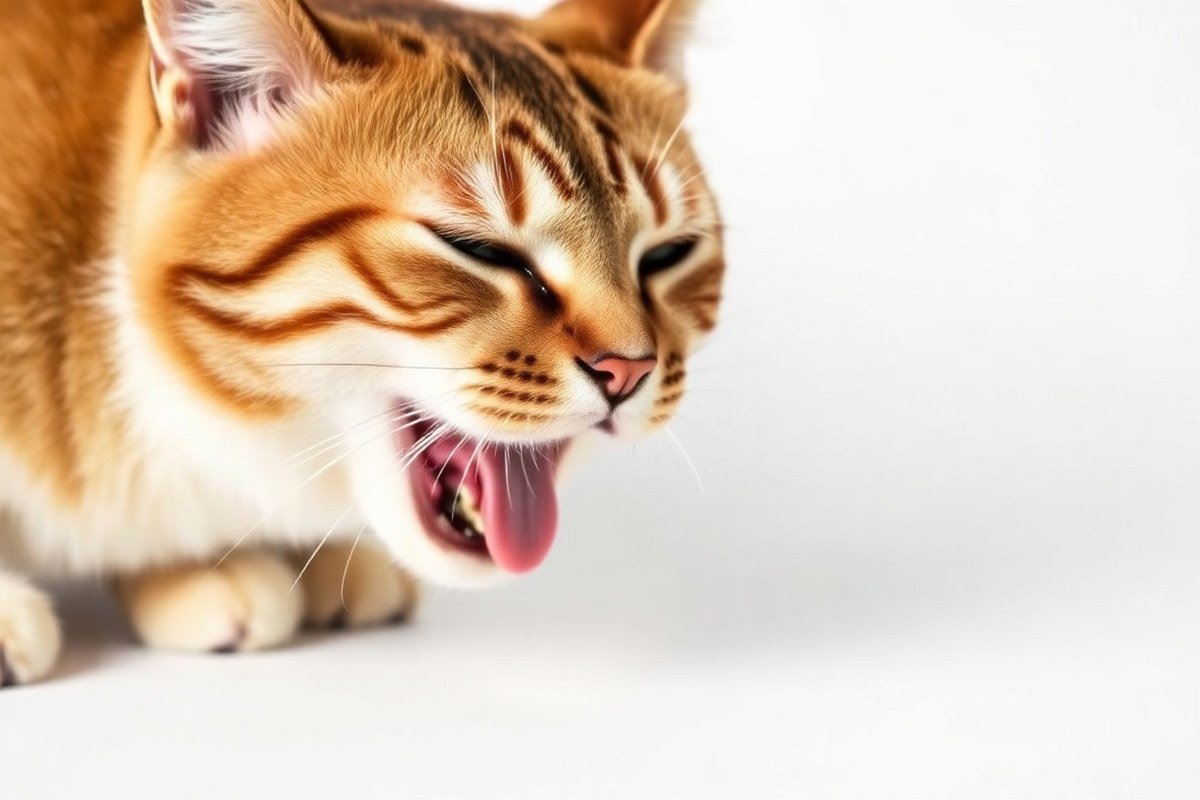
Excessive drooling in cats often signals underlying health problems that require attention. Dental disease is the leading cause, especially in senior cats, with up to 85% experiencing issues like gingivitis, tooth decay, or oral infections. These conditions cause pain and inflammation, leading to drooling often combined with signs like bad breath, pawing at the mouth, or reluctance to eat. Oral ulcers, which may result from chemical or electrical burns, also cause intense mouth discomfort and drooling.
Infections such as viral or bacterial oral infections can inflame the mucous membranes, worsening drooling and general discomfort. Oral tumors, although less common, present a significant risk as they can grow large enough to interfere with swallowing or cause infections, resulting in persistent drooling combined with visible masses or bleeding inside the mouth.
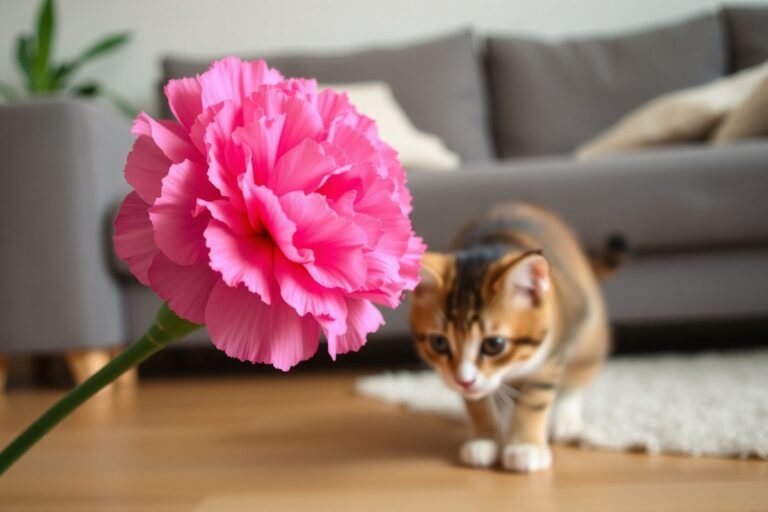
Trauma to the mouth, including injuries from sharp objects or foreign bodies like sewing needles, can lead to severe pain, drooling, and secondary infections. Toxic exposure is another serious cause. Cats that ingest plants like lilies or chemicals such as insecticides often begin drooling within hours. Other toxic foods, like antifreeze, pose similar risks. Drooling due to poisoning typically accompanies vomiting, weakness, or seizures and needs immediate veterinary care.
Age influences risk, as older cats more commonly develop dental diseases or tumors. Spotting oral tumors or serious issues requires careful observation for swelling, difficulty eating, or foul odor. Regular veterinary dental exams, possibly including blood work, urinalysis, or imaging, can detect these problems early.
Comparing causes: dental disease usually presents with bad breath, pawing, and mild to moderate discomfort; oral infections add redness and swelling; trauma causes obvious injury and sudden pain; tumors may cause persistent drooling with visible lumps; poisoning often occurs suddenly with other systemic signs. Severity ranges from mild chronic discomfort to life-threatening conditions. Prompt veterinary diagnosis ensures appropriate treatment and prevents worsening, which can escalate costs from routine cleanings ($100, $300) to surgery that may cost $1,000 or more depending on the problem.
How to Check Your Cat’s Mouth and Behavior Safely
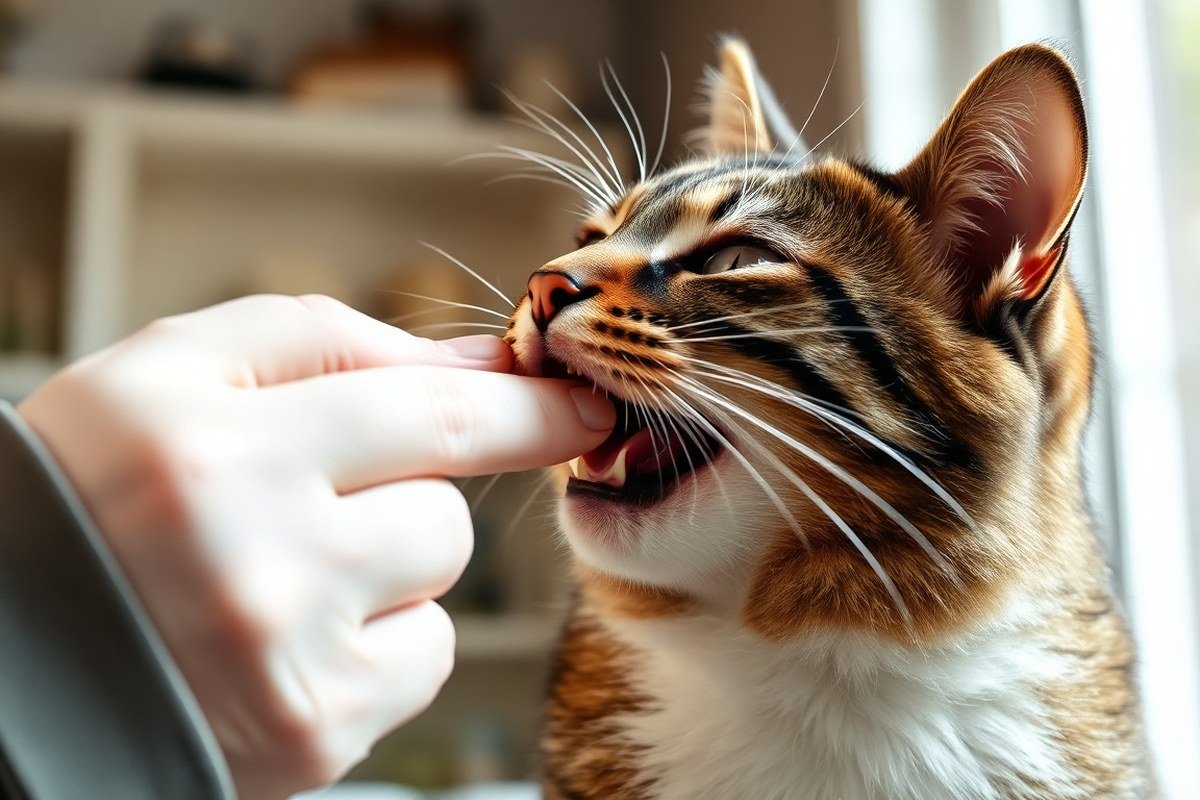
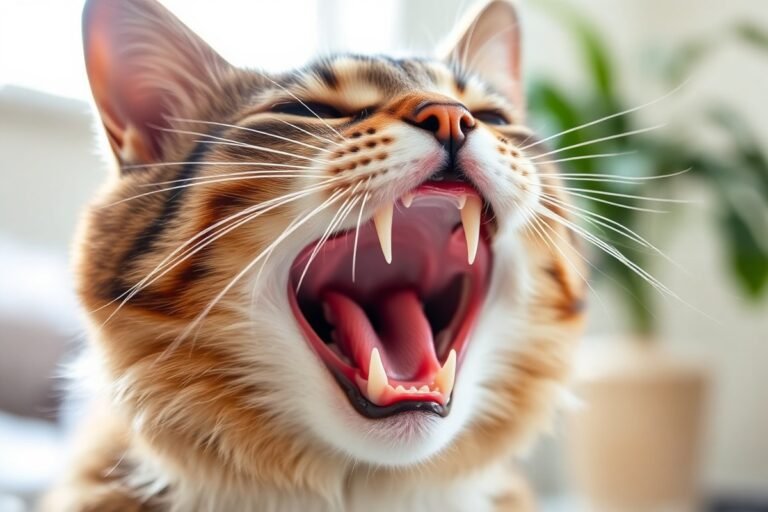
Examining your cat’s mouth safely can help identify causes behind drooling and reveal signs of infection or injury. Begin only if your cat is calm and cooperative to avoid stress or bites. Look for redness, swelling, foul smell, broken teeth, ulcers, or foreign objects. Watch your cat’s behavior closely: loss of appetite, pawing at the mouth, lethargy, or breathing changes alongside drooling suggest a health problem that needs veterinary attention. Follow these steps to inspect your cat’s oral health:
- Prepare a quiet space. Choose a calm, well-lit area to minimize your cat’s anxiety.
- Wash your hands. Clean hands prevent introducing bacteria and keep your cat safe.
- Gently hold your cat. Sit with your cat in your lap or on a table, supporting its body without force.
- Lift the lips carefully. Use your thumb and forefinger to gently lift the side lip to expose gums and teeth.
- Look for abnormalities. Check gums for redness or swelling, teeth for damage, and the tongue or roof of the mouth for ulcers or debris.
- Note odors and drooling patterns. Smell for foul breath, which can indicate infection; observe if drooling is constant or triggers from specific actions.
- Observe overall behavior. Check if your cat is eating normally, grooming, or showing signs of pain or discomfort such as pawing at the mouth or hiding.
If your cat drools but seems normal otherwise, monitor closely. Mild, temporary drooling during play or times of excitement can be harmless. Persistent, new, or severe drooling, especially with behavioral changes, requires a vet evaluation. Prompt veterinary care is essential for diagnosing infections, injuries, or other serious conditions that cause drooling.
When Should You Worry and Visit a Veterinarian?
Urgent veterinary care is needed if your cat’s drooling comes with difficulty breathing, lethargy, or signs of toxin ingestion. These symptoms could indicate life-threatening conditions that require immediate attention. Call your emergency vet right away or bring your cat in as soon as possible. You can also contact the Pet Poison Helpline® at 855-764-7661 for guidance if you suspect poisoning, but this service charges a fee.
Normal drooling related to stress or after eating something tasty usually stops within a short time and is not a cause for alarm. However, Drooling that lasts more than a few hours, worsens, or comes with poor appetite, behavior changes, mouth injuries, or breathing problems means prompt veterinary evaluation is necessary. Dental disease, while rarely an emergency, causes pain and can worsen without treatment. Make a vet appointment quickly if you notice persistent drooling combined with oral discomfort or abnormal chewing.
Veterinarians diagnose the cause of drooling by examining your cat’s mouth, checking important signs, and possibly using X-rays or blood tests. For dental issues, treatments range from professional cleaning and tooth extraction to medication for infections or inflammation. These services might cost between $100 and $500 depending on the severity and location.
You should keep your cat calm and gather any packaging or substance involved when you suspect it has eaten something toxic. When calling your vet or poison control, use this script: “My cat has started drooling suddenly with [list any other symptoms like vomiting, weakness, or seizures]. I think it might have ingested [name the substance if known]. What should I do?” Promptness improves outcomes.
As a basic rule, Contact your vet immediately if drooling is sudden, excessive, or paired with serious symptoms. When unsure, calling the veterinary emergency line is safer than waiting. Staying alert to your cat’s overall behavior can help you decide when drooling is a normal reaction and when it signals a deeper problem.
Tips to Manage and Prevent Drooling Related to Stress and Environment
Stress and anxiety can cause your cat to drool, especially during events like car rides or vet visits. This kind of drooling usually lasts less than 20 minutes and stops after the stressful event ends. Seasonal or situational changes, such as hot weather or a noisy environment, may also make your cat drool more because of anxiety or mild nausea.
To reduce drooling related to travel, consider acclimating your cat to the carrier by placing familiar toys and treats inside for a few days before the trip. During car rides, keep the environment calm by playing soft music and avoiding sudden movements or loud noises. Using a pheromone spray in the carrier can help soothe your cat’s nerves.
If medication is causing nausea and drooling, try giving pills with food or ask your vet about alternative formulas. Sometimes administering medications slowly and gently can minimize this side effect. Watch for drooling that lasts more than 20 minutes after medication, that may indicate a need to consult your vet about side effects.
- Use a comfortable, familiar carrier with soft bedding for travel
- Play calming sounds or keep the car ride quiet and smooth
- Offer small treats or toys to distract your cat during stressful moments
- Apply feline pheromone sprays in carriers or rooms to lower anxiety
- Cool your cat gently and keep fresh water available in warm environments
- Administer medications carefully, with food if allowed, to reduce nausea
- Create quiet resting spaces at home to help your cat relax after stress
Maintaining a calm environment helps reduce episodes of drooling triggered by stress or anxiety. Avoid sudden changes or loud noises around your cat, and provide quiet zones where they can retreat. Watch for signs like panting or confusion after exposure to heat to prevent drooling caused by overheating. Following these steps supports your cat’s comfort and lowers stress-related drooling overall.
Step-by-Step Action Plan for Managing Your Cat’s Drooling
Use this plan to observe your cat’s drooling and decide the best next steps. Track changes carefully to protect your cat’s health.
- Day 1: Check your cat’s mouth gently for redness, swelling, or bad breath. No signs of pain or ulcers usually means less urgent issues.
- Day 2 to 3: Watch your cat’s behavior for eating, drinking, grooming, and playing. Normal activity suggests stress or minor causes; lethargy or refusal indicates a need for vet care.
- Within 1 week: Reduce potential stressors like loud noises, new pets, or changes in routine. Improvement in drooling confirms stress as a factor.
- Week 2: Provide fresh water and consider offering dental treats or toys to support oral health. Less drooling can mean better oral comfort.
- Immediately if needed: If drooling is heavy, accompanied by vomiting, difficulty breathing, or your cat hides or cries, schedule a vet visit right away.
- Ongoing: Keep an eye on your cat’s mouth regularly for changes. Early detection helps avoid serious problems.
Frequently Asked Questions
Can Stress Cause My Cat to Drool More Than Usual?
Yes, stress can increase drooling in some cats. Keeping their environment calm and consistent helps reduce this response.
Is Drooling During Grooming a Sign of Illness?
Drooling while grooming is normal if mild and occasional. Excessive drooling could mean discomfort or dental issues.
Can Diet Changes Trigger Drooling in Cats?
Sudden diet changes might cause mild drooling due to nausea or irritations. Transition slowly to new foods to avoid it.
Does Cat Breed Affect How Much They Drool?
Some breeds may drool more, but significant drooling is usually a health issue. Monitor your cat’s usual behavior for changes.
Can Drooling Be a Side Effect of Vaccinations?
Mild drooling after vaccinations is uncommon. Watch for other signs and consult your vet if drooling is excessive or lasts.
The Bottom Line
Drooling in cats can have many causes, ranging from harmless to serious. Taking time to watch your cat’s mouth and behavior helps you spot when drooling signals trouble. The next best step is a careful oral check or contacting your vet if you notice signs of pain, illness, or sudden changes in your cat’s habits.