
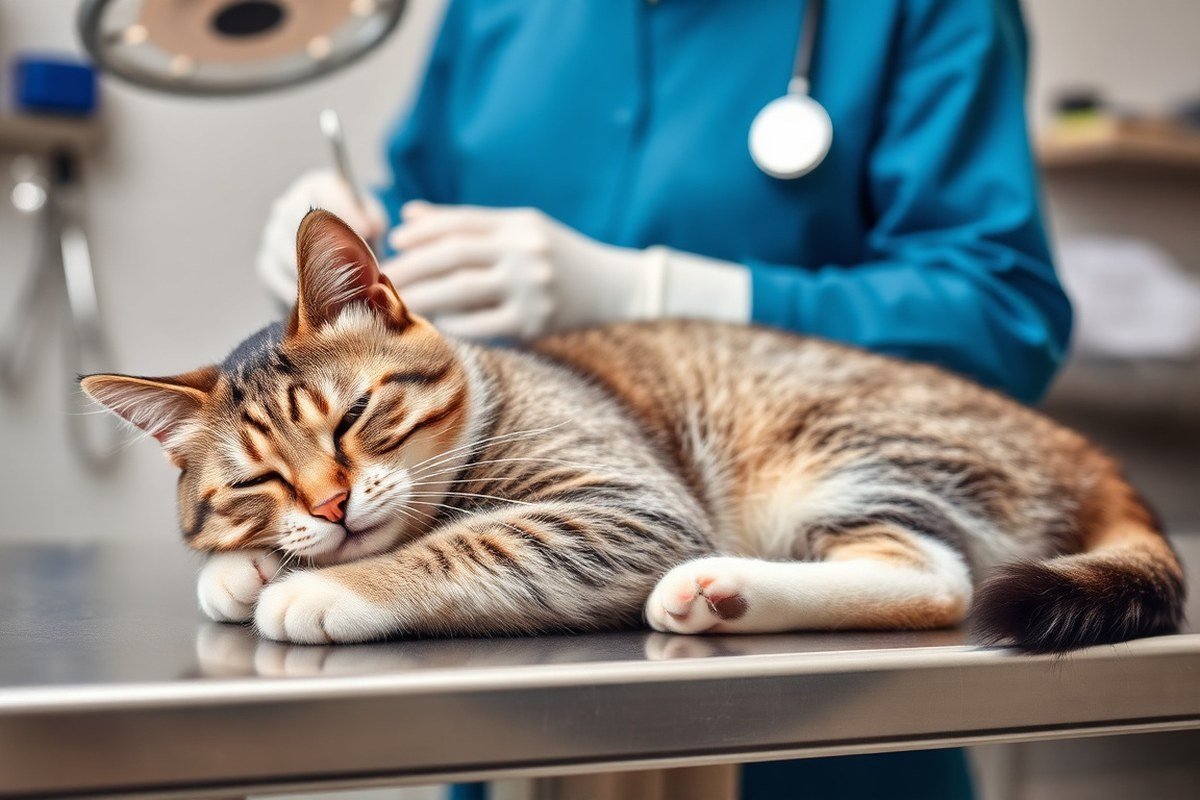
How Much to Spay a Cat: A Complete Cost Guide and Savings Tips
How much to spay a cat typically depends on where you take your pet and the type of clinic. Expect to pay anywhere from $50 to $500, with low-cost clinics offering more affordable options. Start by contacting local shelters or low-cost clinics to compare prices and find a safe, budget-friendly choice.
Key Takeaways
- Private vet clinics usually charge between $300 and $500 for a cat spay surgery.
- Low-cost and shelter clinics offer spaying for as little as $50 to $150.
- The cat’s health and clinic location significantly affect the total spay cost.
- Look for spay services that include at least 48 hours of take-home pain medication.
- Avoid quotes that hide fees; confirm what the spay procedure covers upfront.
- Cat spaying is cheaper than dog spaying, generally costing $200 to $400 at most vets.
How Much Does Spaying a Cat Typically Cost?
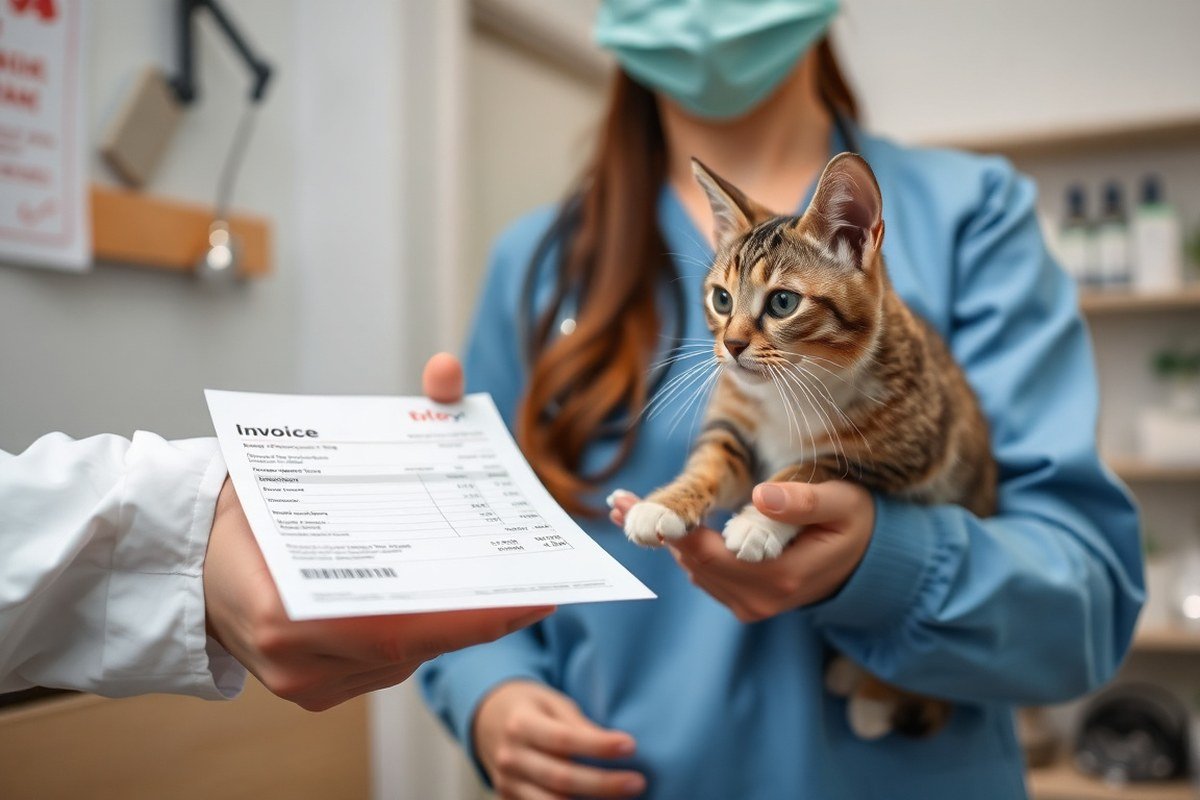
Spaying a female cat typically costs between $300 and $500 at a private veterinary clinic. This price usually covers a pre-surgical exam, anesthesia, the surgery itself, and basic pain medication. Additional services like pre-anesthetic bloodwork or IV fluids may raise the total by $80 to $200 or $30 to $60, respectively. Low-cost clinics, shelters, and nonprofit organizations offer spaying for a significantly reduced fee, typically ranging from $50 to $150. Despite the lower price, these facilities perform the same standard ovariohysterectomy procedure as private vets.
The cost difference between spaying and neutering cats is notable. Neutering a male cat generally costs less because the procedure is quicker and less complex. At a full-service private vet, neutering runs from about $200 to $400, while female cat spaying costs are $300 to $500 or more. Low-cost clinics charge $25 to $100 for neutering males, compared to $45 to $150 for female spays.
| Setting | Female Cat Spay | Male Cat Neuter |
|---|---|---|
| Full-service Private Vet | $300 to $500+ | $200 to $400 |
| Low-cost/Nonprofit Clinic | $50 to $150 | $25 to $100 |
| Shelter or Humane Society Clinic | $40 to $120 | $20 to $80 |
Regional differences affect pricing, with more expensive urban areas and regions with higher costs of living typically charging toward the upper end of these ranges. Planning to spay your cat at 4 to 6 months of age, before her first heat cycle, can help avoid added costs related to pregnancy or heat complications. Despite variations, Spaying generally costs more than neutering due to the nature of the surgery.
What Factors Affect the Cost of Spaying Your Cat?

The cost to spay your cat depends on several key factors, including her size, age, health, geographic location, and the type of clinic performing the surgery. Smaller or younger cats often require less anesthesia and shorter surgery time, which can lower the price. Conversely, older cats or those with health issues like heart disease or pyometra may need additional preoperative care or monitoring, increasing the total cost by $100 to $200 or more. Being in heat or pregnant raises the surgical complexity because of enlarged blood vessels, often adding $50 to $200 to the price.
Geographic location plays a big role in pricing. Low-cost clinics and nonprofit shelters generally charge between $25 and $150 for spaying. For example, a low-cost clinic might charge around $100, while a private veterinary hospital typically costs between $200 and $500 depending on the area. Specialty or boutique clinics can exceed $500 due to extra services and more individualized care.
Different types of clinics bring different price ranges. Nonprofit clinics and humane society programs usually offer the lowest prices, ranging from $40 to $150. General practice veterinarians charge an average of $200 to $500. Specialty clinics or boutique hospitals can cost even more, approaching $750 in some markets. The price difference doesn’t reflect quality as much as the level of services and overhead.
Optional extras such as preoperative bloodwork, vaccines, microchipping, pain medication, and recovery collars add to the total bill, often between $20 and $400 depending on what’s needed. Most clinics include 2, 3 days of oral pain medication, but if you want additional pain management or follow-up visits, expect higher costs. Pregnancy and heat status are notable cost drivers, as the procedure is significantly more complex in these cases. Knowing these variables helps you anticipate the total expense and prepare accordingly.
What Does the Spay Procedure Include and How Long Does It Take?
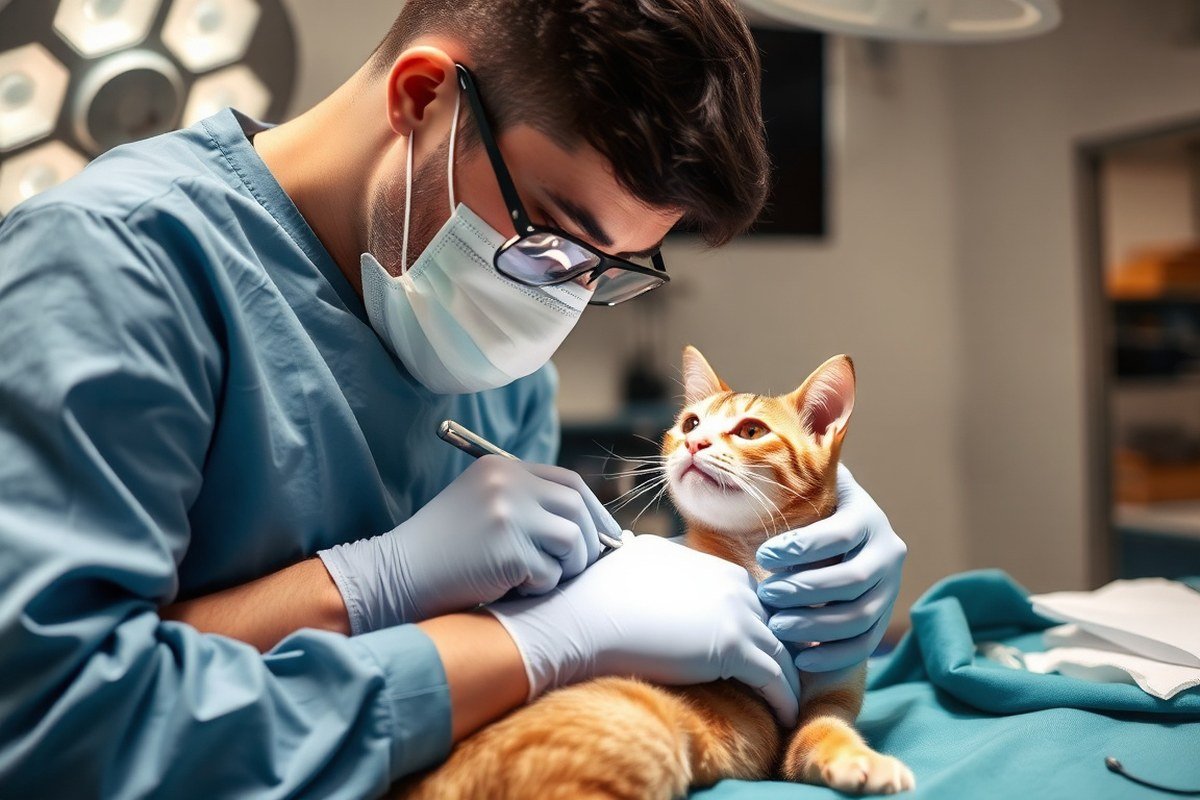
Spaying a cat involves several specific steps to ensure the procedure is safe and effective. Before surgery, your vet will typically perform a physical exam and may recommend Pre-anesthetic bloodwork costing around $80 to $120. This helps confirm that your cat’s liver and kidneys can handle anesthesia safely. On surgery day, your cat receives anesthesia and, often, IV fluids to maintain hydration, which may cost an additional $30 to $60. The entire spay procedure, from anesthesia induction to completion, usually takes about 15 to 20 minutes.
The surgical process requires making an incision, either abdominal or inguinal, to remove the ovaries and uterus. Your vet will carefully monitor anesthesia levels during this time to keep your cat stable. After removing the reproductive organs, the incision is closed using surgical sutures. Unlike male cats neutered without stitches, female cats generally need sutures, which may require a follow-up visit 10 to 14 days after surgery for removal, unless dissolvable sutures are used.
Following surgery, your cat is observed in the clinic as they recover from anesthesia, typically for a brief period before going home. The vet usually provides pain medication covering at least 48 hours to ease post-operative discomfort and speed recovery. The spay package often includes the pre-surgery exam, anesthesia, surgery, sutures, and initial pain relief, bundling cost and care into a clear timeline and process. Variations in procedure time, cost, and recovery needs can happen depending on your cat’s size, health status, and the clinic’s protocols.
Where to Find Affordable and Safe Spay Services Near You
You can find affordable spay services through Low-cost clinics, shelters, nonprofit programs, mobile vans, and voucher options. Organizations such as SpayUSA, the ASPCA, and the Humane Society offer nationwide programs that reduce or cover the full cost of spaying. Local animal shelters and rescue groups frequently host spay events or run clinics with fees ranging from $35 to $150, which is significantly less than private veterinarians, where prices typically start around $300.
Mobile spay vans provide convenient, safe care by bringing services directly to neighborhoods. These vans and shelter clinics specialize in high-volume spay surgeries, allowing them to offer lower prices without compromising safety. The American Veterinary Medical Association supports pediatric spaying in kittens as young as eight weeks, which some programs provide to help control pet populations early.
Comparing these options to private vets reveals trade-offs. While private clinics may include extra procedures such as pre-operative bloodwork or advanced monitoring, low-cost and mobile clinics often focus on the essentials to keep fees down. Both are considered safe when licensed veterinarians perform the surgery, but private vets might offer more complete care and personalized follow-up.
To find programs near you, search online using terms like “low-cost spay neuter [your city]” or use zip code tools on nonprofit websites. You may qualify for Voucher programs based on income or municipal participation; these further discount or fund your cat’s procedure. Check with local shelters, animal control offices, or rescue groups about eligibility and application steps. Look for organizations that explicitly state they follow veterinary standards to ensure your cat’s safety.
What to Expect After Your Cat’s Spay Surgery and Extra Costs
After your cat’s spay surgery, you’ll need to monitor her recovery closely to ensure it goes smoothly. Keep her in a warm, quiet space away from other pets and limit her activity for 10 to 14 days. Avoid letting her jump or run, as this can stress the incision. Use an E-collar (Elizabethan collar) if she tries to lick or chew the surgery site, which can cause infection.
Check the incision daily for signs of swelling, redness, discharge, or bleeding. Normal healing means the area stays clean, dry, and only slightly pink for a few days. At least once a day, gently inspect the incision without removing any sutures yourself. You should call your vet immediately when you see a swollen or warm spot or notice your cat acting lethargic, vomiting, or losing appetite. These symptoms could indicate complications requiring urgent care. Emergency veterinary visits for post-op issues might add $200 to $1,000 or more in treatment costs.
Routine post-op care usually includes administering prescribed pain medication and limiting activity, which could add $15 to $50 to your expenses. Some clinics include a follow-up visit to check the incision and remove sutures if needed; this visit may or may not be part of the initial spay surgery fee, so confirm ahead of time. Your cat’s spay surgery may include an IV catheter to provide fluids and quick emergency access, which boosts safety but can slightly increase the cost upfront.
Plan extra costs for an E-collar if your cat does not have one, and potential additional vet visits if complications arise. Preventive spaying lowers the risk of costly emergency surgeries later, such as for pyometra (uterine infection). Prioritize careful post-op care to protect your investment in your cat’s health and comfort.
How to Choose the Right Spay Option Based on Cost, Cat Health, and Location
Choosing the right Spay option depends on your cat’s health, your budget, and where you live. For cats who are older or have health issues, a full-service vet is often safer despite higher fees, since these clinics offer diagnostics and 24/7 care. They typically charge $200 to $400 for spaying. On the other hand, low-cost clinics run by shelters or nonprofits can save you money, usually charging between $50 and $150. These clinics focus on high-volume spaying and may not offer the extra care a fragile cat needs.
Young, healthy cats are often good candidates for pediatric spaying at low-cost clinics. This procedure is done between 8 to 16 weeks old and can be less expensive, but it requires careful timing to avoid risks like hypothermia or low blood sugar. Check your cat’s weight and age, a cat under 2 pounds may need special attention that a full-service vet can provide.
Hidden costs can arise from cheap options. Some low-cost clinics may not include pain medication, follow-up visits, or pre-surgery blood tests. If your cat develops complications, emergency care and extra meds quickly increase the total cost. Use this decision rule to choose: If your cat is healthy and young, pick a low-cost clinic; if your cat is older, underweight, or has health concerns, choose a full-service vet.
For example, you have a healthy 6-month-old cat weighing 6 pounds. A local nonprofit charges $100 with pain meds included. A full-service vet charges $300 but includes diagnostics. Since your cat is healthy and over 5 pounds, the low-cost clinic is a practical choice. However, a 10-year-old cat with mild kidney issues is better off at the $300 vet to ensure proper monitoring and support.
Start by contacting your vet to discuss your cat’s health and ask about local low-cost programs. Resources like SpayUSA help you find trustworthy clinics near you. Comparing prices is helpful, but prioritize spaces that fit your cat’s health requirements and offer clear follow-up care instructions.
Step-by-Step Action Plan to Spay Your Cat
Follow these steps to ensure your cat’s spay procedure goes smoothly and stays within your budget.
- Before you start: Research local vets and clinics to compare spay costs and services. Choose one with good reviews and transparent pricing.
- One week before surgery: Schedule your cat’s spay appointment. Confirm what is included in the cost and ask about any extra fees.
- Two days before surgery: Prepare your cat by following any fasting instructions from the vet. Check that you understand the post-surgery care requirements.
- Day of surgery: Drop your cat off on time and ask about the expected recovery time. Ensure the clinic uses anesthesia monitoring for safety.
- First 24 hours after surgery: Monitor your cat at home for signs of pain or complications. Contact the vet immediately if you see unusual swelling or sickness.
- One week post-surgery: Schedule a follow-up visit if recommended. Confirm the incision is healing without infection.
- Two weeks after surgery: Resume normal activities with your cat once fully healed. Keep an eye on behavior to catch any long-term issues.
Frequently Asked Questions
How Much Does Anesthesia Cost When Spaying a Cat?
Anesthesia usually accounts for about 25% to 40% of the spay surgery cost, often included in the total fee. Make sure your vet provides pain relief and monitoring for safe recovery.
Are There Discounts for Spaying Multiple Cats at Once?
Some clinics offer discounts when you spay multiple cats during one visit, which can reduce the cost per cat. Ask about multi-cat specials at local shelters or low-cost clinics.
Does the Cat’s Age Affect the Spay Surgery Price?
Age can influence cost if your cat needs extra care or testing. Younger, healthy cats usually cost less to spay than older or sick cats due to simpler procedures.
Is Spaying Covered by Pet Insurance?
Some pet insurance plans cover spaying, but many exclude routine procedures or only reimburse part of the cost. Check your policy before scheduling surgery.
How Long After Spaying Can a Cat Resume Normal Activities?
Cats typically resume normal activities within 7 to 10 days post-surgery, once the incision heals. Restrict jumping and rough play during this period to avoid complications.
Wrapping Up
Knowing the cost and process of spaying your cat helps you make the best care decisions for her health and your budget. Start by contacting your local veterinary clinics or animal welfare organizations to get detailed price quotes and book the procedure. Taking action soon can improve your cat’s health and reduce future expenses.