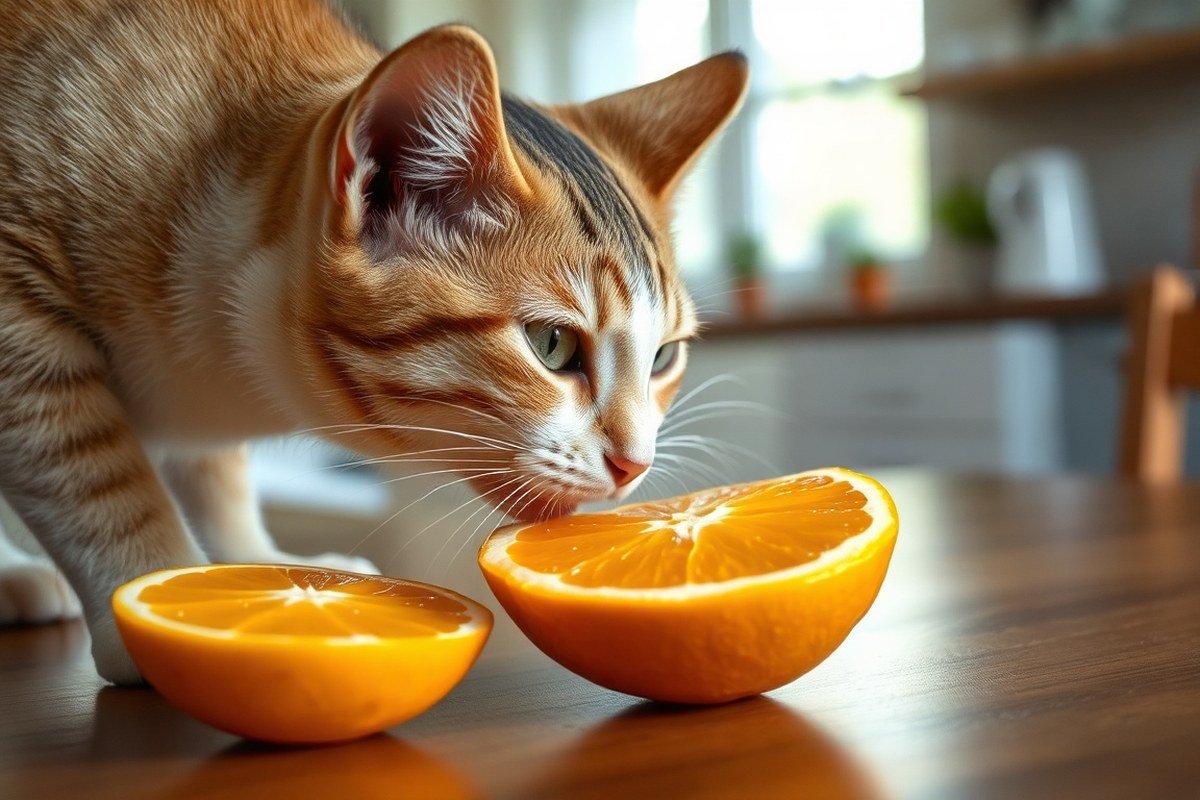
Can Cats Have Oranges? What You Need to Know About Safety and Risks
Can cats have oranges? No, oranges are not safe for cats due to toxic compounds that can harm their health. Cats lack the enzyme needed to break down certain substances in citrus fruits, making even small amounts risky. Start by avoiding feeding your cat any part of an orange or other citrus fruits to prevent health issues.
Key Takeaways
- Oranges contain essential oils and psoralens that are toxic to cats, causing vomiting and diarrhea.
- Cats can show symptoms of orange toxicity within 30 minutes to a few hours after ingestion.
- The acidity and oils in oranges may cause stomach cramps and digestive upset in cats.
- Cats naturally avoid citrus fruits due to their smell and taste, which helps protect them.
- Cats do not need oranges for vitamin C since they produce it internally.
- Avoid feeding cats orange peels and juice, as they contain higher toxin concentrations.
Can Cats Safely Eat Oranges or Citrus Fruits?
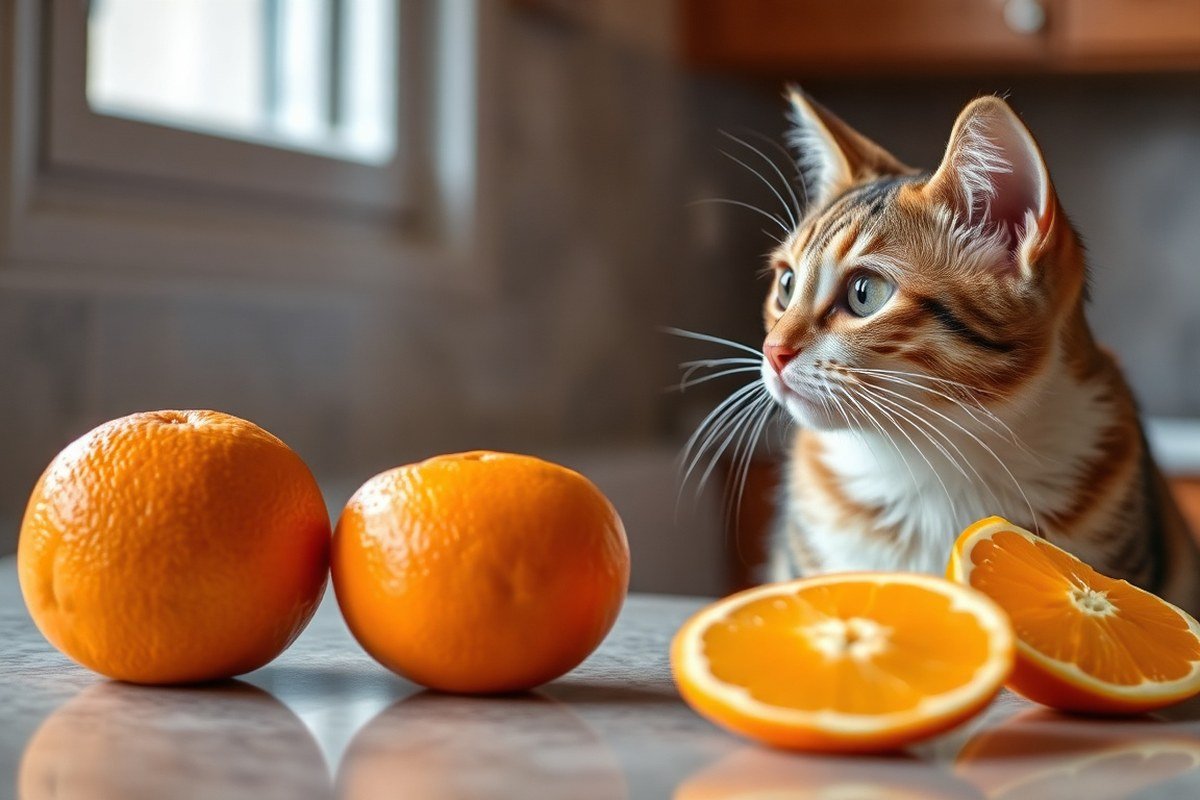
Cats cannot safely eat oranges or any citrus fruits such as tangerines, mandarins, lemons, limes, or grapefruits. These fruits contain essential oils, psoralens, and citric acid that are harmful to cats. Even small amounts pose health risks, making all citrus fruits unsafe for them. The risk is mostly due to the toxic compounds found in the fruit’s peel, seeds, and pulp.
The smell of oranges is not toxic but is highly unpleasant to cats. Cats generally avoid citrus fruits because their strong scent deters them. This natural aversion reduces the chance that a cat would try to eat or lick orange peels voluntarily. However, letting your cat lick orange peel is not safe because the peel contains concentrated oils that can irritate their mouth and digestive system.
| Citrus Fruit | Safe for Cats? | Risk |
|---|---|---|
| Oranges | No | Toxic oils, psoralens |
| Tangerines | No | Same as oranges |
| Mandarins | No | Same as oranges |
| Lemons | No | Higher in essential oils |
| Limes | No | Strong citric acid and oils |
| Grapefruit | No | Bitter and toxic |
| Clementines | No | Smaller but just as dangerous |
Keeping any form of citrus fruit out of your cat’s reach is the safest approach. Even though the smell alone won’t harm them, exposure to the oils and compounds inside the fruit can cause irritation or poisoning. Removing the temptation and risk entirely helps protect your cat’s health.
Toxic Compounds in Oranges That Harm Cats
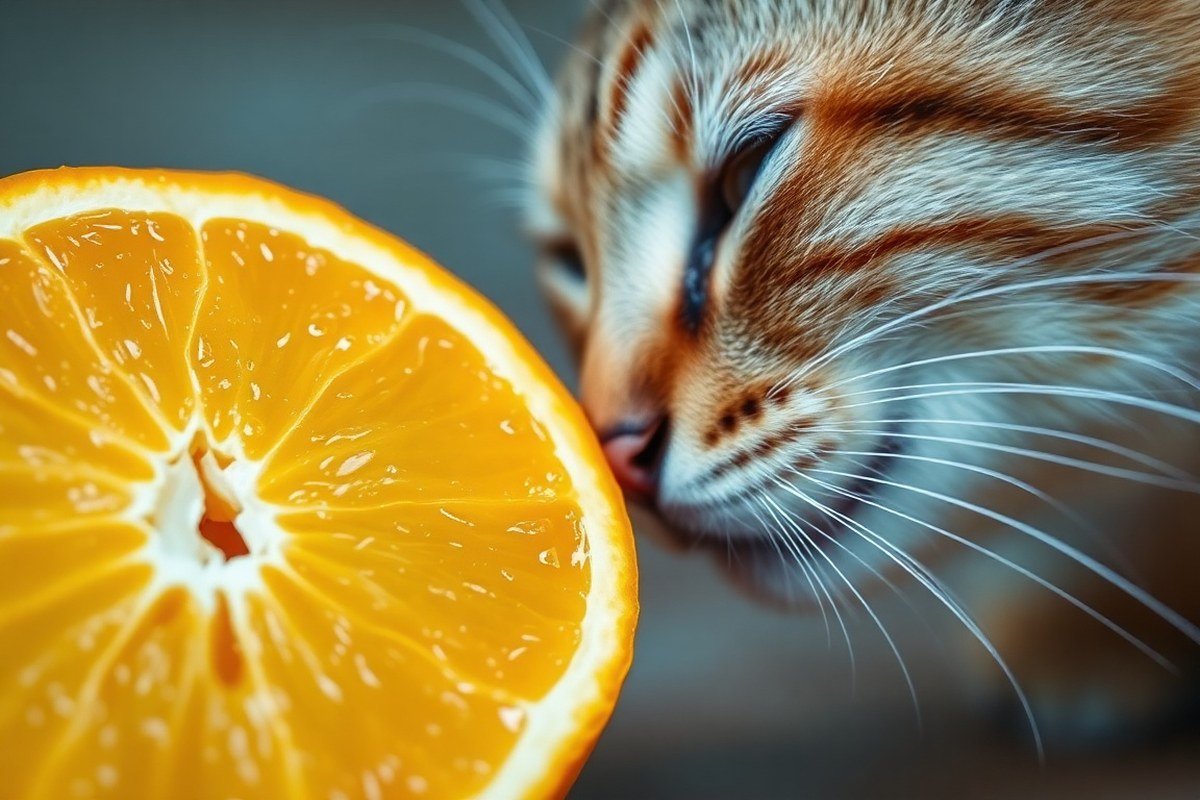
Toxic compounds in oranges that affect cats include essential oils like limonene and linalool, citric acid, and chemical compounds called psoralens. These substances are concentrated most heavily in the orange peel, seeds, and pith, making these parts especially dangerous. The essential oils limonene and linalool can cause serious health issues, including gastrointestinal problems and central nervous system depression. Psoralens, also found in the peel and seeds, contribute to toxicity by irritating the skin and digestive tract.
A cat’s digestive system struggles to process these compounds because it lacks the enzymes humans use to break them down efficiently. Unlike humans, cats do not convert citric acid and essential oils safely, so these substances can build up and cause discomfort or poisoning. The acidic nature of oranges can further irritate a cat’s stomach, often resulting in vomiting, diarrhea, or more severe gut distress. Cats generally absorb less vitamin C from their diet since they produce it naturally, so oranges provide no nutritional benefit but present risk instead.
The peel of the orange contains the most concentrated toxic oils and psoralens, making it the most hazardous part for cats. The seeds also hold harmful compounds, increasing risk if ingested. Even the fruit’s flesh contains citric acid and essential oils, though in lower concentrations, which can still upset your cat’s stomach. Exposure to large amounts or repeated ingestion heightens those risks. Due to these factors, it is safest to keep all parts of oranges away from cats to prevent poisoning and digestive upset.
Recognizing and Responding to Orange Toxicity in Cats
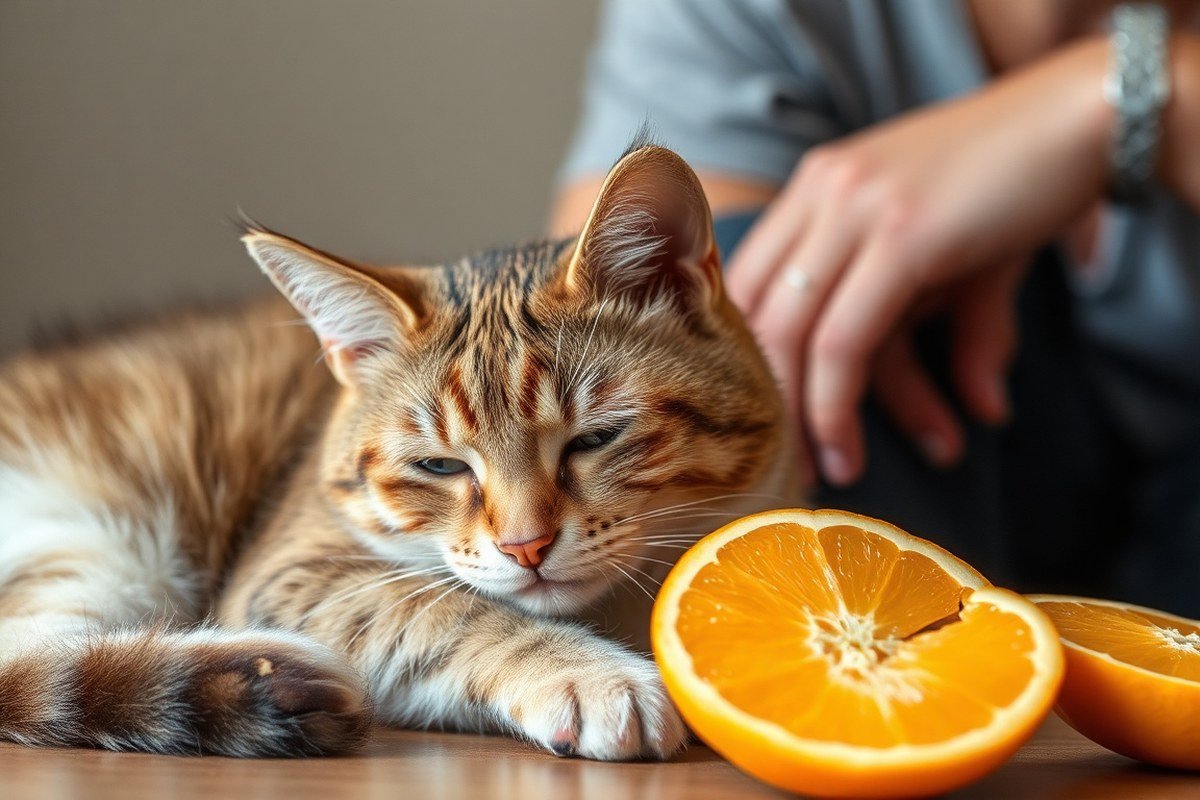
After a cat eats an orange or any citrus part, signs of orange toxicity typically appear within 30 minutes up to a few hours. Symptoms may vary depending on the amount and type of orange consumed, such as flesh, peel, or essential oils. Watch for signs like vomiting, diarrhea, lethargy, and skin irritations. These indicate your cat’s body is reacting negatively to compounds in the orange, which can be harmful.
Cats showing any signs of illness after tasting an orange need fast care to stop problems from getting worse. Stopping citrus intake and other foods lets you monitor their condition better. Keep fresh water available and watch for any changes. Reach out to a vet or poison control if they don’t get better quickly or if things seem worse.
- Check for frequent vomiting or refusal to eat
- Notice diarrhea or unusual bowel movements
- Look for signs of lethargy or weakness
- Observe any skin irritations or excessive licking
- Keep your cat calm and prevent further orange ingestion
- Call your veterinarian immediately if symptoms escalate or persist
- Have the orange packaging or fruit details ready for the vet
Severe reactions may require veterinary intervention such as fluids or medications to control vomiting. Even mild symptoms merit a professional consultation to rule out other food sensitivities or allergies. Immediate veterinary care can reduce recovery time and prevent serious issues. Waiting too long after symptoms start risks worsening dehydration or toxicity.
Why Cats Naturally Avoid Oranges and How They Get Vitamin C
Cats naturally dislike oranges because they are drawn away by the strong citrus scent. This aversion comes from compounds like essential oils, including limonene and linalool, found in the peel and pulp, which can be irritating or even toxic to cats. This smell serves as a natural deterrent, which is why many commercial cat repellents use citrus fragrances to keep cats from damaging furniture or entering unwanted areas. Their sensory system is sensitive to these chemicals, leading to instinctive avoidance rather than curiosity or attraction.
Unlike humans, cats do not require vitamin C from fruits or vegetables. Cats are obligate carnivores, meaning their diet focuses on meat, and their bodies have evolved differently in terms of nutrient processing. They produce vitamin C internally through a process called glucose metabolism, where glucose molecules convert to ascorbic acid, the chemical form of vitamin C. This biological ability removes the need for any dietary vitamin C supplements, including fruits like oranges.
Because cats synthesize enough vitamin C themselves, feeding them oranges or other citrus fruits does not offer nutritional benefits. Instead, exposing cats to citrus puts them at risk for harmful effects due to the toxic compounds and high citric acid content found in these fruits. Avoiding them is the safest approach to protect your cat’s health. Any attempts to force citrus into their diet can cause stress and possible poisoning, outweighing any imagined benefit.
Safe Fruit Alternatives to Offer Your Cat Instead of Oranges
Some fruits are safe for cats to eat in small amounts, but you should offer these only as occasional treats. Cats don’t need fruits as part of their diet because they are obligate carnivores, meaning they get all their nutrients from meat. Still, if you want to give your cat a little variety, fruits like apples, blueberries, and bananas can be suitable when prepared properly and in moderation.
Start with a very small amount, a piece about the size of your cat’s paw pad, and watch for any signs of digestive upset or allergic reaction over the next 24 hours. Always remove seeds, cores, and peels that could be harmful or hard to digest. Avoid making fruits a regular part of meals since they offer little nutritional benefit for cats. Here is a quick reference table outlining some safe fruits along with preparation and serving suggestions:
| Fruit | Safe for Cats? | Notes |
|---|---|---|
| Apples (peeled, seedless) | Yes | Slice thinly, remove all seeds and core. |
| Blueberries | Yes | Rich in antioxidants; leave whole or mash lightly. |
| Bananas | Yes | Soft texture, easy to digest; small slices work best. |
| Watermelon | Yes | Seedless only; good for hydration in summer months. |
| Strawberries | Yes | Sweet treats; some cats may not like the taste. |
| Cantaloupe | Yes | Popular with some cats; cut into small portions. |
A small piece of orange flesh is unlikely to harm most cats, but it offers no real benefit and could cause stomach upset depending on your cat’s sensitivity. To keep your cat healthy, feed safe fruits sparingly and always watch how they react. If your cat shows any change in appetite, vomiting, or diarrhea, stop feeding the fruit and consult your veterinarian. Using safe fruit treats can add fun moments to your cat’s routine without disrupting their balanced diet.
Differences Between Orange Fruit, Peels, and Juice for Cats
Cats should not drink orange juice because it contains a high concentration of sugar and essential oils that can harm them. The sugar in orange juice may cause blood sugar spikes, particularly dangerous for cats with diabetes or prediabetes. Even a small amount of juice can upset your cat’s digestive system or contribute to long-term health issues like obesity.
The peel of an orange presents a greater risk than the fruit itself. Orange peel contains high levels of limonene and other essential oils, which can irritate a cat’s mouth, skin, and respiratory system. Licking or chewing on the peel might cause immediate irritation, coughing, or difficulty breathing. It’s important to remove all peels and seeds promptly to prevent accidental exposure.
Fresh orange fruit segments have lower concentrations of these oils but still carry risks due to the sugar and citric acid content. Cats lack the enzyme glucuronyl transferase needed to process certain toxins found in oranges, making them more vulnerable. Even the flesh’s citric acid can cause stomach upset if eaten in noticeable amounts.
Comparison of orange forms and related risks: Orange juice poses the highest risk because it delivers concentrated sugar and essential oils rapidly. Orange peel is dangerous due to volatile oils that cause irritation and respiratory problems. Orange fruit segments have moderate risks mainly from sugar and acid but typically cause less immediate harm than peel or juice.
Keeping orange peels, juice, and segments out of reach and cleaning up leftovers thoroughly is essential to protect your cat from these hazards. Your cat’s natural avoidance of citrus might help but never rely on it as the only defense against accidental exposure.
Step-by-Step Action Plan to Keep Your Cat Safe Around Oranges
Follow these steps to manage your cat’s exposure to oranges and choose better treats that support their health.
- Immediately: Remove any oranges, peels, or juice from your cat’s reach to prevent accidental ingestion.
- Within 24 hours: Observe your cat for signs of orange toxicity like drooling, vomiting, or lethargy. Contact a vet if symptoms appear.
- Next few days: Offer cat-safe fruits like blueberries or small pieces of apple without seeds as safe alternatives, watching for any digestive upset.
- One week: Continue to monitor your cat’s reaction to new foods and keep citrus strictly off limits.
- Ongoing: Educate anyone in your household about the risks of feeding oranges to cats to avoid accidental exposure.
- Monthly: Review your cat’s diet and snacks with a veterinarian or pet nutritionist to ensure safety and nutritional balance.
- When suspicious: If your cat shows unusual behavior or illness and you suspect citrus exposure, seek veterinary care immediately.
Frequently Asked Questions
How Do I Apologize to My Cat?
Apologize to your cat by speaking softly and offering treats or gentle pets to rebuild trust. Cats understand tone better than words, so calm actions help more than apologies alone.
Is It Okay to Kiss a Cat on the Head?
Yes, kissing a cat on the head is usually fine if your cat is comfortable with it and doesn’t show stress. Always watch their body language to avoid upsetting them.
Why Should You Not Stare a Cat in the Eyes?
Staring directly into a cat’s eyes can be seen as a threat or challenge, making them anxious or defensive. Slow blinking is a better way to show affection.
Can Cats Eat a Little Bit of Orange?
Cats can have a small amount of orange without immediate harm, but it’s better to avoid it due to toxic compounds and sugar content. Even small amounts may upset their stomach or cause other issues.
Can Cats Safely Smell Oranges?
Yes, cats can safely smell oranges, though they usually dislike the scent and tend to avoid it naturally. The smell alone is not harmful.
Wrapping Up
Oranges are not safe for cats and can cause harmful reactions, so keeping them away is the best way to protect your pet. Focus on offering safe fruit alternatives and always watch your cat for signs of distress after new foods. If you ever think your cat has eaten something toxic like an orange, contact your veterinarian right away to prevent serious health issues.