

Does a Cat Eat a Mouse? What Happens and How to Keep Cats Safe
Does a cat eat a mouse? Yes, cats often catch and eat mice, though they don’t always consume their prey. Hunting is a natural feline instinct that has persisted through thousands of years of domestication. After your cat catches a mouse, watch for any unusual behavior or signs of illness for 24 to 48 hours to keep your pet safe.
Key Takeaways
- Cats hunt mice primarily for instinct and sometimes eat them as a supplemental protein source.
- Only about 30% of caught mice are eaten; many are played with or brought to owners instead.
- Monitor your cat closely for 24-48 hours after eating a mouse for signs of illness or distress.
- Ensure your cat’s regular diet is nutritious, with at least 50% protein, to reduce reliance on hunting.
- Indoor cats may still catch mice but usually less often due to reduced access to prey.
- If a mouse eaten might have been poisoned, contact your vet immediately for advice.
Do Cats Actually Eat Mice or Just Catch Them?

Many cats do more than just catch mice; they often eat them, but this behavior varies widely. While hunting is a natural instinct hardwired into all cats, not every cat will consume its prey. Domestic cats that are well-fed tend to show less urgency in finishing the hunt and may prefer to play with or simply catch mice rather than eating them. The likelihood that a cat eats a mouse depends on its individual prey preference, learned hunting skills, and hunger level.
Some cats, especially those that grew up hunting outdoors or had to fend for themselves, are more inclined to kill and eat mice. Mice are nutritionally rich, containing taurine, an essential amino acid for feline health, making them attractive prey. However, many house cats simply stalk and catch mice without eating them, treating the hunt as a form of play or practice. When a cat spots another cat trying to steal its mouse, it might eat the catch quickly, sometimes swallowing it whole, to keep it safe.
Cats vary in whether they eat their prey due to factors like skill, hunger, and personality. Some may chase mice but not finish the hunt, while others focus on different prey like birds or insects. Despite frequent hunting, cats rarely reduce local mouse populations because rodents breed fast.
Eating mice exposes cats to health risks, such as parasites or toxins. Still, the act of hunting and catching mice remains a fundamental behavior linked to their instincts. Observing your cat engage in this behavior is natural, but paying attention to what they do with the catch can help you understand their hunting style and any potential health concerns.
Why Do Cats Hunt and Sometimes Eat Mice?
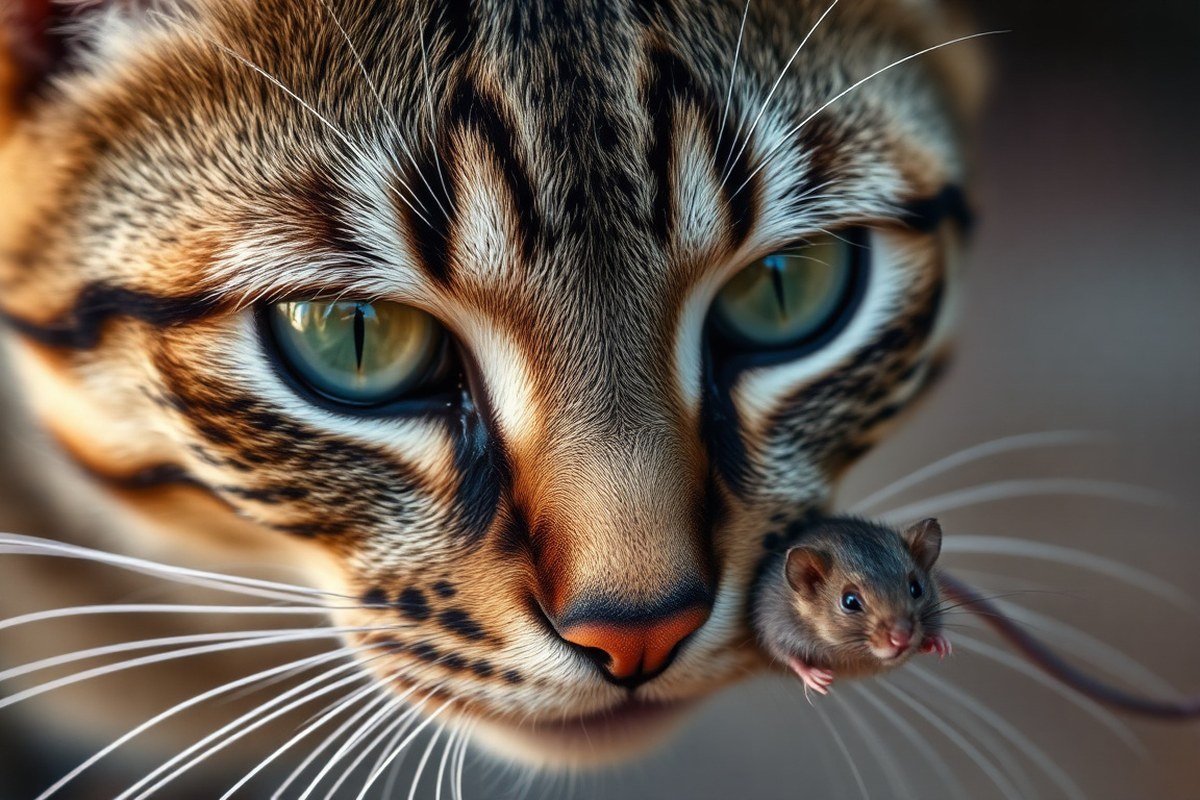
Cats hunt and sometimes eat mice largely because of instinctual drives rooted in their evolutionary history. Being natural predators, cats have an inherent urge to chase, capture, and kill small prey like mice. This instinct remains strong regardless of how well-fed or comfortable a cat is at home. Hunting is not only about nutrition but also about fulfilling natural behaviors that keep cats mentally and physically engaged.
Though most cats learn hunting skills from their mothers, much of the hunting behavior, such as stalking and killing prey, is refined through practice and experience. Some cats will catch mice but choose not to eat them, which may be linked to their hunting being motivated more by play or practice rather than hunger. In other cases, the choice not to consume rodents comes from the cat’s recognition that they have other reliable food sources at home. Indoor cats, even those provided with regular meals, often continue to hunt as a way to exercise these instincts.
The decision to eat a mouse varies by cat. Some consume their catch fully, gaining nutrients like protein, but this also exposes them to risks such as parasites and bacteria. Others may kill mice without eating them, a behavior thought to mimic how a mother cat teaches her kittens to hunt and bring food back. This teaching instinct may explain why some cats bring their prey to owners but do not eat it themselves. Monitoring your cat’s health is essential if they eat mice, as health issues could arise despite the natural origin of the behavior.
How Cats Hunt Mice: From Stalking to Catching
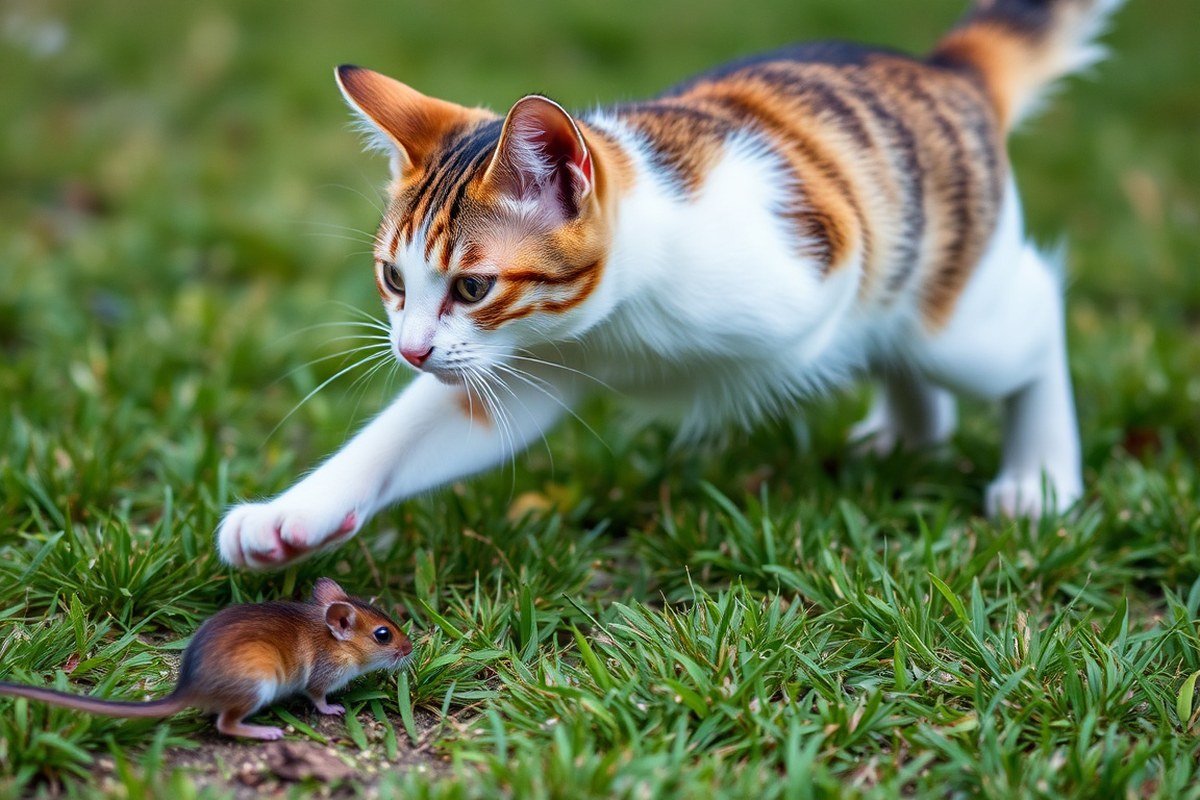
Cats hunt mice through a sequence of focused actions driven by instincts. First, a cat observes its target, using sharp eyesight and hearing to detect the subtle movements and sounds of a mouse. Stalking involves slowly approaching the prey while minimizing noise and avoiding direct eye contact, which helps the cat stay hidden. Once close enough, the cat crouches low and prepares to pounce with powerful hind legs.
The final step is Pouncing and catching. Cats leap swiftly to immobilize the mouse using their front paws and sharp claws. After capture, many cats kill the mouse quickly by biting its neck. They often play with the mouse before or after killing it, which sharpens their skills and satisfies hunting instincts.
Kittens start learning hunting skills around 5 to 6 weeks old by watching their mother and practicing on moving toys or siblings. Their play includes stalking, chasing, pouncing, and biting motions. By 8 to 12 weeks, kittens refine these actions and begin hunting small insects or prey like mice with growing success. This early training is essential, especially for outdoor or feral cats that depend on hunting to eat.
This hunting process takes patience and practice. Outdoor cats may spend 10 to 20 minutes or more stalking to make a successful catch. If a cat misses several times, it likely reassesses its approach or waits for a better opportunity. Cats adapt their technique based on prey size, speed, and environment, increasing their chances of success.
Are There Health Risks When Cats Eat Mice?
Eating mice can expose cats to several health risks that you need to consider. Wild mice often carry intestinal parasites such as roundworms, tapeworms, and hookworms, which can infect your cat once ingested. These parasites may cause digestive issues and nutrient loss, sometimes requiring veterinary treatment with deworming medications. In addition, mice may harbor fleas that could jump to your pet, leading to itchiness or infections.
Bacterial infections are another serious concern. Mice can carry bacteria like Salmonella and Leptospira, potentially transmitting these pathogens through bites, saliva, feces, or urine. For example, leptospirosis can cause kidney or liver damage in cats, resulting in symptoms that may only be identifiable by a vet. Toxoplasmosis, caused by the parasite Toxoplasma gondii, also poses a risk and can be passed to cats after consuming infected rodents, posing health threats to your cat and, indirectly, to humans through cat feces.
There is also a chance your cat could ingest rodent poison indirectly.Your cat could be exposed to toxins by eating a mouse that has consumed bait containing rodenticides. Although a cat usually has to consume several contaminated mice to get poisoned, a single ingestion can still be harmful, especially for smaller or more vulnerable cats. Watch for signs of poisoning such as bleeding, lethargy, or difficulty breathing, and seek emergency veterinary care if suspected.
Being aware of these risks helps you monitor your cat’s health after it eats a mouse. Pay attention to changes in appetite, vomiting, diarrhea, or unusual behavior for up to a week, as symptoms from parasites or infections may take time to appear. Regular veterinary check-ups and preventative treatments for parasites can reduce your cat’s risk. Discourage your cat from hunting when possible to prevent these risks.
What to Do If Your Cat Eats a Mouse: A Monitoring Checklist
Watching your cat carefully after it eats a mouse is critical to catching any health issues early. Start by observing your cat for at least 24 to 48 hours, since problems like choking, digestive upset, or poisoning may not appear immediately. Look for signs such as vomiting, drooling, difficulty swallowing, lethargy, or changes in appetite. These symptoms indicate possible complications and require veterinary attention. Here is a simple monitoring checklist you can follow:
- Check for choking or breathing problems: Watch for gagging, coughing, or pawing at the mouth.
- Monitor appetite and drinking: Ensure your cat is eating and drinking normally.
- Observe behavior and activity levels: Keep an eye out for unusual lethargy or hiding.
- Look for gastrointestinal symptoms: Vomiting, diarrhea, or constipation can indicate issues.
- Note any unusual drooling or oral discomfort: Could signal a bone or injured mouth.
- Be aware of potential poisoning signs: Weakness, seizures, or shaking require emergency care, especially if rodenticides may be present.
Should you notice any concerning signs from the checklist, call your veterinarian promptly. Cats that eat wild mice might ingest parasites or toxins, so early vet consultation is often wise. Avoid waiting until symptoms worsen, as quick intervention costs less and improves outcomes. When your cat seems healthy after 48 hours, continue normal care but consider preventive measures to reduce future hunting risks.
Can Indoor Cats Catch or Eat Mice, and What It Means
Indoor cats can and do catch mice if any rodents enter your home. Their hunting instincts remain strong even without outdoor access, because cats have evolved with these skills over thousands of years. While your indoor cat might not frequently encounter live mice, it still retains the natural urge to stalk, chase, and capture small prey. This instinctive behavior means that if a mouse appears inside, your cat is likely to respond by hunting it.
Indoor cats often hunt, but they rarely consume whole mice inside the house. Many cats catch or injure a mouse but leave it behind or present it to you as a gift instead of eating it. Detecting if your cat has eaten a mouse can be tricky since cats usually keep their catches private. You might see signs like leftover parts or no mouse at all, but no clear proof your cat has eaten it.
Providing indoor cats with toys that simulate hunting can help satisfy their desire to chase and pounce, reducing the chance that they will hunt actual mice even if they appear in your house. Keeping the home sealed to prevent rodent entry and regularly checking for signs of mice is the best way to manage these encounters. Remember that indoor cats’ hunting behavior is normal but does not always lead to consumption of the mouse, which can vary based on your cat’s personality and experiences.
Why Do Cats Bring Mice to Their Owners Instead of Eating Them?
Cats often bring mice to their owners as a form of gifting or sharing. This behavior traces back to instincts inherited from their wild ancestors and mother cats who teach their kittens how to hunt and eat prey. A mother cat typically brings dead prey to her kittens, eating it in front of them to demonstrate a successful hunt. This pattern encourages kittens to learn what to catch and how to handle their food.
When your cat brings you a mouse but doesn’t eat it, it isn’t unusual. Cats may not eat the prey if they aren’t hungry or already get enough nutrition from their regular meals. Sometimes, the cat’s goal is to share its “catch” rather than consume it. Even outdoor cats tend to refuse a mouse if they aren’t hungry or if they eat frequently at home. Bringing the mouse to you can also mean your cat sees you as part of its social group, roughly like family.
Another reason cats bring mice home is for safety and peace while eating. After ensuring the prey is no longer moving, cats usually prefer to eat in a secluded, safe place where other animals or competitors won’t steal their food. Your home provides that secure environment, but if your cat isn’t hungry, it might leave the mouse uneaten.
If your cat frequently brings you dead mice, simply dispose of the catch safely and keep an eye on your pet’s health as a precaution. This behavior is a sign of healthy hunting instincts and doesn’t necessarily mean your cat is lacking food or care. Understanding this gifting habit helps you see your cat’s natural behavior and reinforces the bond between you and your pet.
Is Eating a Raw Mouse Nutritious or Harmful for Cats?
Raw mice do provide natural nutrients for cats. They contain proteins, fats, amino acids, and some vitamins and minerals that align with a cat’s carnivorous diet. In the wild, a mouse offers a source of taurine, essential fatty acids, and moisture, all important for your cat’s health. However, the nutritional benefit of a raw mouse comes with significant Health risks that often outweigh the positives.
Feeding raw mice can expose your cat to parasites, bacterial infections like salmonella, and viruses carried by wild rodents. These can lead to severe illness, digestive upset, or more serious conditions that require veterinary care. Unlike controlled pet foods, raw mice do not go through any safety checks. The chance of your cat contracting diseases from eating an untreated wild mouse is high enough that veterinarians typically advise against it.
Instead of allowing or encouraging your cat to eat raw mice, consider nutritionally balanced commercial cat foods or carefully prepared raw diets formulated by veterinary nutritionists. These provide the necessary nutrients without the contamination risks. The cost of high-quality cat food or a prepared raw diet varies but typically ranges from $15 to $50 per bag or meal pack, depending on the brand and formulation. This investment provides your cat with safe nutrition and peace of mind, reducing the chances of illness related to wild prey.
If you want to mimic a natural feeding style, look for raw cat food products that have been tested and treated to eliminate pathogens. Feeding whole raw mice caught outdoors is not recommended. You can support your cat’s natural instincts with toys and play while ensuring food safety. Protecting your cat from possible parasites and infections means choosing safety over the uncertain benefits of raw prey.
Steps to Reduce Your Cat’s Hunting and Eating of Mice Safely
While you can’t completely stop a cat from hunting due to its natural instincts, you can take practical steps to reduce the chances of it catching and eating mice. One of the most effective strategies is keeping your cat indoors, especially at night when mice are most active. This lowers your cat’s opportunities to encounter rodents and helps protect it from risks like parasites or diseases carried by mice.
Securing your home by sealing any entry points where mice could enter is another important step. Eliminating attractants such as accessible food, garbage, or shelter spots outside can reduce the mouse population around your property. This decreases the likelihood that your cat will come across mice to hunt.
- Keep your cat inside during night hours when mice are more active.
- Seal cracks, gaps, and holes in walls, doors, windows, and vents.
- Remove food sources outside, including pet food and garbage bins.
- Regularly clean areas where mice could hide, like woodpiles and cluttered sheds.
- Provide plenty of play and exercise indoors to channel your cat’s hunting instincts safely.
- Discuss diet and behavior with your veterinarian to ensure your cat’s needs are met without hunting.
Offering engaging toys and interactive play sessions helps satisfy your cat’s natural drive to stalk and pounce, lowering its motivation to hunt actual mice. Consulting a veterinarian or animal behaviorist can provide tailored advice based on your cat’s lifestyle and hunting patterns. These combined efforts reduce mouse encounters and help keep your cat safe while respecting its instincts.
Should You Rely on Cats for Mouse Pest Control?
Relying on your cat for mouse pest control can seem like a natural solution, but it often falls short of expectations. Cats may catch and sometimes eat mice, but they won’t eliminate mouse populations on their own. This is because mouse colonies reproduce quickly and tend to avoid areas frequented by predators like cats when possible. Also, cats typically hunt based on instinct rather than pest control needs, so they might catch a few mice without impacting the overall population significantly.
Besides, cats are not systematic hunters; they may prefer to play with or bring mice to owners rather than consume them fully. Some parts of the mouse, such as the acidic intestines, are usually left uneaten, which shows cats aren’t seeking mice primarily as a food source. This limits their effectiveness as a pest control measure and means mice can remain a problem even in homes with cats.
The best approach is to use a combination of methods. Mechanical traps, bait stations, and sealing entry points are more reliable than cat predation alone. Cats coexist well with these methods and don’t need to serve as the primary control.
| Method | Effectiveness | Cost | Maintenance | How It Works |
|---|---|---|---|---|
| Cat Patrol | Low to Moderate | Low (cost of cat care) | Minimal | Hunting reduces some mice; no consistent control |
| Mechanical Traps | High | Low to Medium ($5-$20 per trap) | Regular setting and checking | Catches and kills mice actively |
| Bait Stations | High | Medium ($20-$50) | Requires replenishing bait, safety checks | Attracts and poisons mice safely away from pets |
| Sealing Entry Points | High long-term | Variable (materials and labor) | One-time or as-needed | Prevents mice from entering, stops infestations |
Using cats alongside traps and home maintenance provides better pest control results than relying on cats alone. Cats offer entertainment and companionship, but expect mouse elimination to take additional effort and methods.
Step-by-Step Action Plan to Manage Your Cat’s Mouse Hunting
Use this plan to safely monitor and reduce your cat’s mouse hunting and eating behavior while keeping them healthy.
- Day 1: Check your cat’s environment for potential mouse access points and seal any gaps. This helps limit your cat’s opportunity to catch mice indoors.
- Week 1: Observe your cat’s behavior after meals to confirm if they are hunting out of hunger or instinct. Notice if they continue to bring mice even when well-fed.
- Week 2: Schedule a veterinary checkup to screen your cat for parasites or illnesses potentially transmitted from mice. A healthy cat is less likely to suffer complications.
- Week 3: Introduce more interactive play and enrichment toys to satisfy your cat’s hunting drive safely indoors. Monitor for reduced interest in actual mouse hunting.
- Month 2: Provide balanced commercial cat food with proper nutrients to discourage your cat from seeking mice for nutrition. Check if your cat’s mouse-catching decreases.
- Ongoing: If mouse activity remains a problem, consult a professional pest controller. Avoid relying solely on your cat to manage mice due to health risks and inconsistent results.
Frequently Asked Questions
Is It Normal for a Cat to Eat a Mouse?
Yes, some cats do eat mice, especially if they have outdoor hunting experience. It’s a natural hunting instinct, but not all cats consume their catch. Monitoring your cat afterwards is important to catch any health issues early.
Can Eating a Mouse Cause Parasites in Cats?
Yes, mice can carry parasites like tapeworms and hookworms that infect cats after ingestion. Regular vet checkups and deworming can help prevent parasite complications.
Why Do Some Cats Only Catch but Don’t Eat Mice?
Cats sometimes hunt and kill mice for play or instinct satisfaction, not to eat them. The hunting process itself can be enough to fulfill their natural urges.
How Soon Should I Contact a Vet If My Cat Eats a Mouse?
Watch your cat for 24 to 48 hours for signs of illness before contacting a vet. Immediate vet care is needed if symptoms like vomiting or lethargy appear.
Do Indoor Cats Ever Eat Mice They Catch?
Indoor cats may catch mice if they get inside, and some might eat them. Their eating behavior depends on individual instincts and hunger levels.
Wrapping Up
Cats may catch and eat mice due to instinct and nutritional needs, but this habit carries health risks for them. By creating a safer environment, enriching your cat’s life, and monitoring their health, you can reduce these risks. Start by checking for mouse entry points around your home today to protect your cat and family.