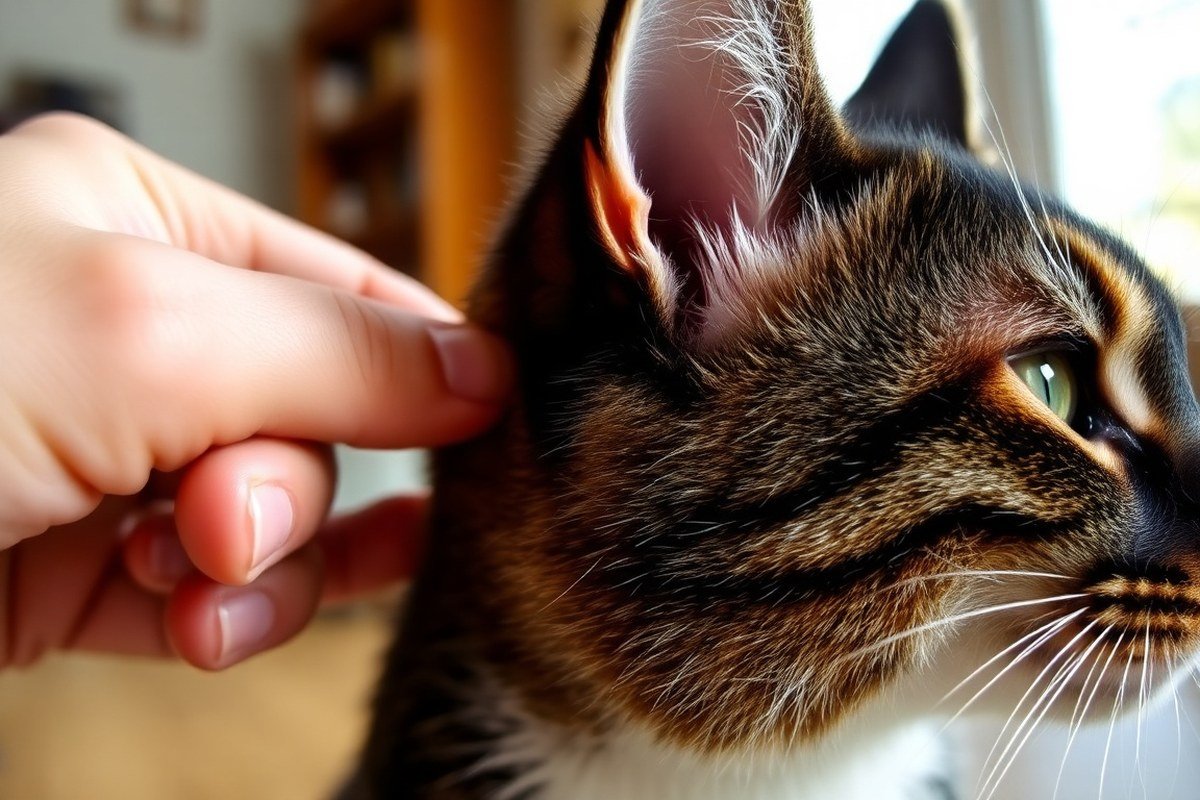
How Do Cats Get Ear Mites: A Complete Guide to Transmission and Risk Factors
How do cats get ear mites? These tiny parasites spread mainly through direct contact with an infested animal, such as grooming or close living conditions. They can also transfer indirectly via shared bedding or environments. Starting treatment early helps prevent discomfort and serious ear problems.
Key Takeaways
- Ear mites spread easily through direct contact between cats or with infested pets like dogs.
- Both indoor and outdoor cats can catch ear mites when exposed to infested animals or contaminated environments.
- Kittens and young cats are more prone to infestation but adult cats frequently get ear mites too.
- Outdoor access raises risk by increasing contact with free-roaming or wild animals carrying ear mites.
- Prompt vet care is essential to avoid complications like ear inflammation or polyps from long-term infestations.
- Daily ear cleaning and medication for 7 to 10 days usually clears mites if consistently applied.
How Ear Mites Transfer Between Cats and Pets

Ear mites are highly contagious parasites that transfer almost exclusively through close contact between animals. Cats primarily get ear mites by direct contact with another infested cat or pet, such as dogs, since the mites easily crawl from one host to another. This close contact can include grooming, playing, or resting close together. Because of this, ear mites often spread quickly within a multi-pet household, sometimes affecting all cats and dogs within days to weeks.
While ear mites do not live on humans, they can temporarily survive on inanimate objects like bedding or grooming tools. However, they typically cannot survive more than a few days away from a host, as they need the warmth and environment inside an animal’s ear. This short lifespan outside the host means indirect transmission is less common but still possible, which is why keeping your pets’ belongings clean is important.
- Separate and clean bedding and toys for infested pets to reduce mite transfer risk
- Avoid allowing infested pets to groom or sleep near others until treated
- Treat all cats and dogs in the household simultaneously to prevent reinfestation
- Sanitize grooming tools and pet accessories regularly during an infestation
- Consult a veterinarian for appropriate ear mite treatments promptly after detection
Treating all pets without delay and maintaining good hygiene helps break the transmission cycle. Ear mites can spread throughout a household in less than 2 weeks if no action is taken. Following these steps limits the chance of your cats and other pets sharing these parasites and keeps your home healthier for everyone.
Why Both Indoor and Outdoor Cats Can Get Ear Mites

Indoor cats can get ear mites just like outdoor cats, even though the risk is generally lower. Ear mites spread through close contact with other infested animals or by sharing bedding, brushes, or other items that carry mites. Cats that go to groomers, shelters, or play with other pets indoors can pick up these parasites from contaminated surfaces or infected companions in the same environment.
Keeping your cat’s ears clean on a weekly basis lowers the risk of mites taking hold. Use a vet-approved cleaner to clear out dirt and wax that mites like to live in. Feeding your cat a balanced diet strengthens its immune system, helping fight parasites naturally. For cats that spend time with other animals often, applying a vet-suggested preventative monthly adds an extra layer of defense.
It’s important to treat all pets in the household if one has ear mites. Untreated animals can reintroduce mites despite ongoing cleaning efforts. The cost of ear cleaning supplies varies but typically ranges from $10 to $25 per bottle, which can last several months. Medications to treat an active infestation vary in price depending on the product but often cost between $20 and $50 per treatment course.
Even with good grooming routines, indirect exposure means indoor cats remain at risk. Regularly washing your cat’s bedding and limiting contact with unfamiliar cats or wildlife reduces this risk. Proper hygiene and preventive care don’t guarantee complete immunity but significantly lower the chances of ear mite infestation in your indoor cat’s environment.
Cat Age, Breed, and Immune Factors Affecting Mite Infestation
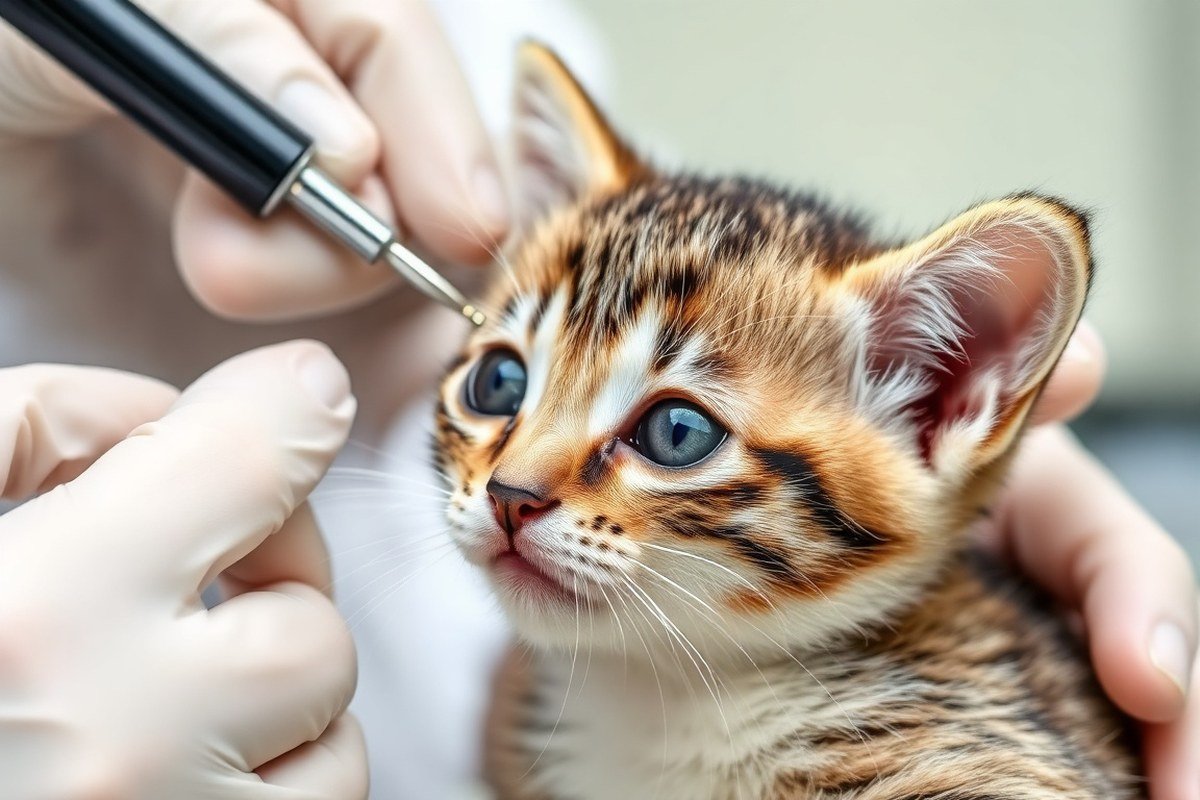
Ear mites can infest cats of any breed and age, but Kittens are particularly vulnerable. Their immune systems are not fully developed, making it easier for mites to establish an infestation. In contrast, adult cats with strong immune function often resist or clear mites more effectively. Cats with weakened or suppressed immune systems, whether due to illness, stress, or age, are at a higher risk. This means elderly cats and those with chronic health conditions may experience more severe or prolonged infestations.
Breed does not dramatically change susceptibility to ear mites, but individual immune status and environmental exposure matter more. For example, while a Persian and a domestic shorthair cat have similar risks if the environment is the same, a cat under stress or with immune suppression can have a harder time fighting off mites regardless of breed.
| Cat Age / Immune Status | Susceptibility to Ear Mites | Typical Infestation Outcome |
|---|---|---|
| Kittens (under 6 months) | High | Rapid infestation, often symptomatic |
| Healthy Adult Cats | Moderate | Possible infestation, usually mild or cleared by immune system |
| Immunosuppressed or Elderly Cats | High | Severe or prolonged infestation, treatment required |
You can use this comparison to decide if your cat needs closer monitoring or earlier treatment. For example, kittens or cats showing signs of poor immunity (like other infections or weight loss) should receive preventive ear mite treatments and prompt veterinary care if symptoms appear. Strong immune support through a balanced diet rich in essential nutrients can also help reduce risks in indoor cats. Regular ear cleaning combined with appropriate anti-parasitic drops, such as products safe for kittens 8 weeks and older, helps manage or prevent infestations effectively.
Environmental Conditions That Increase Ear Mite Risk
Environmental conditions significantly impact ear mite survival and transmission among cats. Ear mites thrive in warm, humid environments where moisture helps sustain their lifecycle. Maintaining a clean living space limits the habitat mites need to survive and reduces transmission risks. Dirt, wax buildup, and debris in and around your cat’s ears create ideal breeding grounds for ear mites. Regularly cleaning your cat’s ears and bedding removes potential contaminants.
Humidity levels above 50% can prolong mite survival, making infestations more common in humid climates or seasons. Ear mites tend to spread more easily in spring and summer when outdoor humidity rises, increasing exposure among outdoor cats and their indoor companions. Cooler, drier winter months limit mite survival outside the host but do not eliminate transmission risks inside home environments.
To reduce environmental risks, follow this checklist: frequently wash your cat’s bedding and vacuum living areas to remove mites and eggs from carpets and furniture, doing this weekly can be highly effective. Clean your cat’s ears gently with veterinarian-recommended solutions every one to two weeks, especially after outdoor exposure. Avoid introducing new infested animals into your home by isolating new pets and having them examined for ear mites before contact.
Stress in indoor cats can weaken immune response, increasing susceptibility to infestations even in clean environments. If your cat shows signs like scratching, head shaking, or dark ear discharge, see a veterinarian promptly. Early treatment reduces the environmental mite population and prevents reinfestation.
These preventive efforts require commitment and a bit of time, typically 15 to 30 minutes weekly, but can reduce the need for costly veterinary treatments. Treatments such as NexGard SPECTRA Spot-on for Cats offer effective options if infestations occur, but minimizing environmental risks gives your cat the best chance to stay mite-free.
Early Exposure and Signs: When and How Cats Contract Ear Mites
Ear mites in cats begin their lifecycle as tiny eggs laid deep inside the ear canal. After exposure, these eggs hatch within three to ten days into larvae, which mature into adults in about three weeks. Within four weeks of the initial contact, symptoms usually appear as the mites irritate the skin and ear tissue. You might notice your cat subtly scratching or shaking its head before obvious signs develop.
Early exposure signs often include mild ear discomfort and slight redness inside the ears, even before discharge or strong odors emerge. Careful observation during this period helps catch infestation early, preventing more severe problems like skin wounds or inflammatory polyps caused by prolonged scratching. Since ear mites are microscopic, you won’t see them with the naked eye, but dark, waxy debris resembling coffee grounds is a typical warning sign as the infestation progresses.
Several myths surround how cats get ear mites. One common misconception is that only outdoor cats are at risk. In reality, indoor cats can get mites through contact with infected pets or contaminated objects. Another myth is that only kittens contract ear mites; while young cats are more frequently affected, cats of any age can become infested. Some also believe ear mites spontaneously appear without contact, but mites must transfer from an infected host to establish an infestation.
Tackling ear mites requires prompt treatment for all cats in the home due to how contagious these parasites are. Early recognition within the first two to four weeks after exposure gives the best chance to stop mite development and prevent lasting ear damage. Watching for mild signs like increased scratching or redness helps identify early infestation before classic symptoms fully develop.
Step-by-Step Action Plan to Prevent and Manage Ear Mites in Your Cat
Take control of your cat’s ear health by following this straightforward plan to reduce the risk of ear mite infestations and catch problems early.
- Immediately: Examine your cat’s ears for debris, redness, or excessive scratching to identify early signs of ear mites.
- Within 24 hours: Isolate any new pets before introducing them to your other cats to prevent mite transfer, checking their ears as well.
- Week 1: Clean your cat’s ears gently using a vet-approved solution to remove any potential mite buildup and soothe irritation.
- Weeks 2 to 3: Consult your veterinarian for diagnosis and treatment options if symptoms persist or worsen despite cleaning.
- Monthly: Apply regular preventative treatments recommended by your vet to reduce the risk of reinfestation, especially for outdoor or multiple-pet households.
- Ongoing: Maintain a clean environment by washing bedding frequently and minimizing contact with stray or infested animals.
- Seasonally: Monitor your cat’s ear health closely during warmer months or in humid conditions when ear mites are more active.
Frequently Asked Questions
Can Cats Get Ear Mites from Humans?
Cats cannot get ear mites from humans, as these parasites are species-specific. Ear mites spread mainly through direct contact with other infested animals, so human-to-cat transmission is not a concern. Focus on preventing contact with infested animals instead.
Do Ear Mites Survive on Cat Bedding or Furniture?
Ear mites can survive off a host for only a short time, usually a few days. This means contaminated bedding or furniture poses a low risk but should be cleaned regularly to reduce potential spread. Washing items in hot water helps eliminate mites.
Can Ear Mites Be Transferred Through Grooming?
Yes, ear mites can spread during mutual grooming between cats. This direct contact allows mites to move from one cat’s ears to another’s, so it’s important to check all cats in the household if one is infested and to treat them simultaneously.
Do Cats with Ear Mites Always Show Symptoms?
Not all cats with ear mites show obvious symptoms initially. Some cats carry a low number of mites without scratching or visible signs. Regular ear checks help catch infestations early before discomfort and infections develop.
Can Untreated Ear Mites Lead to Serious Health Issues in Cats?
Untreated ear mites often cause intense itching and ear infections, leading to secondary bacterial or fungal infections. These infections may require more extensive veterinary care and can cause lasting ear damage if ignored.
Wrapping Up
Ear mites spread easily among cats through direct contact and shared environments, affecting both indoor and outdoor pets regardless of age or breed. You can reduce your cat’s risk by regularly inspecting their ears and maintaining good hygiene for both your pet and their surroundings. Take the next step today by scheduling a vet checkup if you notice any ear discomfort or symptoms, early treatment makes a significant difference.