Can Cats Eat Scrambled Eggs? Safe Feeding Guide and Nutritional Facts
Can cats eat scrambled eggs? Yes, cats can safely eat scrambled eggs as an occasional treat if the eggs are fully cooked and unseasoned. Scrambled eggs provide easily digestible protein that your cat can absorb well. Start with plain, thoroughly cooked eggs to avoid any risks from undercooked or seasoned egg preparations.
Key Takeaways
- Cook scrambled eggs to an internal temperature of 160°F before feeding to cats to ensure safety.
- Serve scrambled eggs plain; avoid salt, spices, or other seasonings that can harm your cat.
- Eggs should make up less than 10% of your cat’s total daily calories to keep their diet balanced.
- Do not feed eggs to kittens under 12 weeks; they require specialized kitten food for proper growth.
- Hard-boiled eggs can also be given by boiling for 10, 12 minutes, cooling, peeling, and chopping.
- Watch for signs of allergies or digestive upset when introducing eggs and stop feeding if problems arise.
Are Scrambled Eggs Safe and Healthy for Cats?
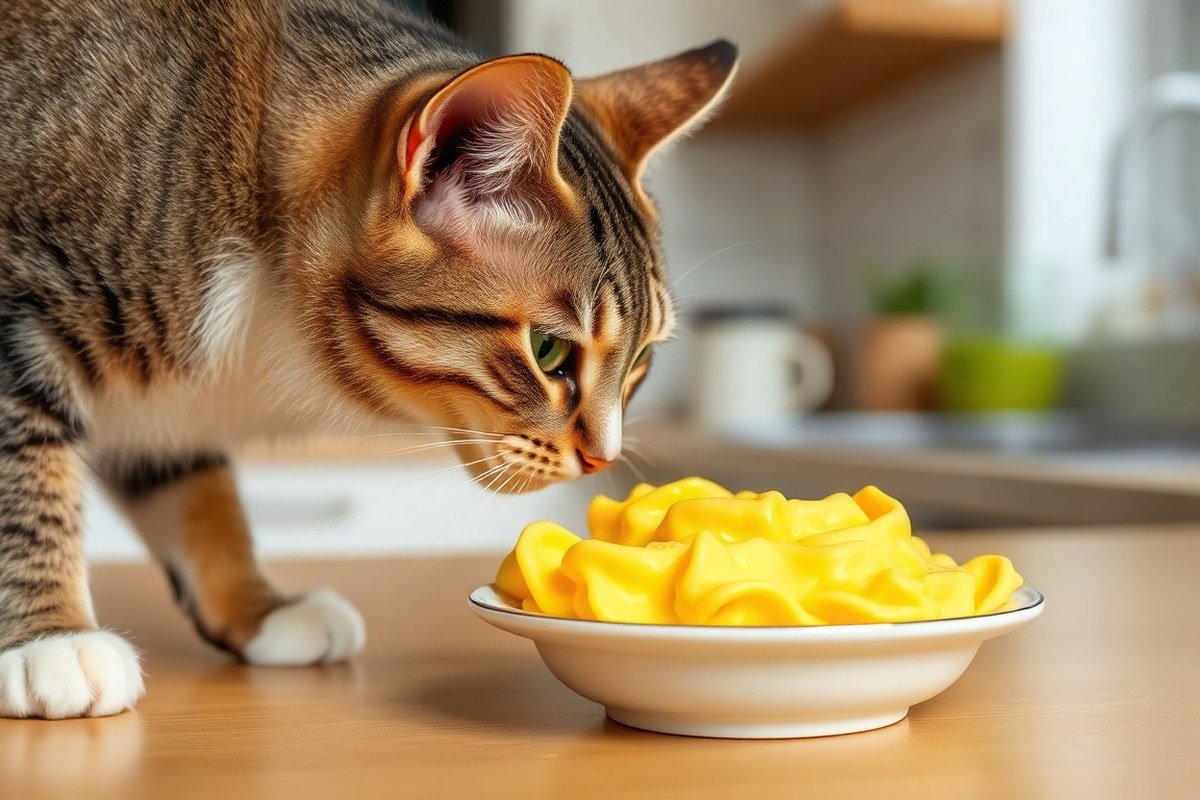
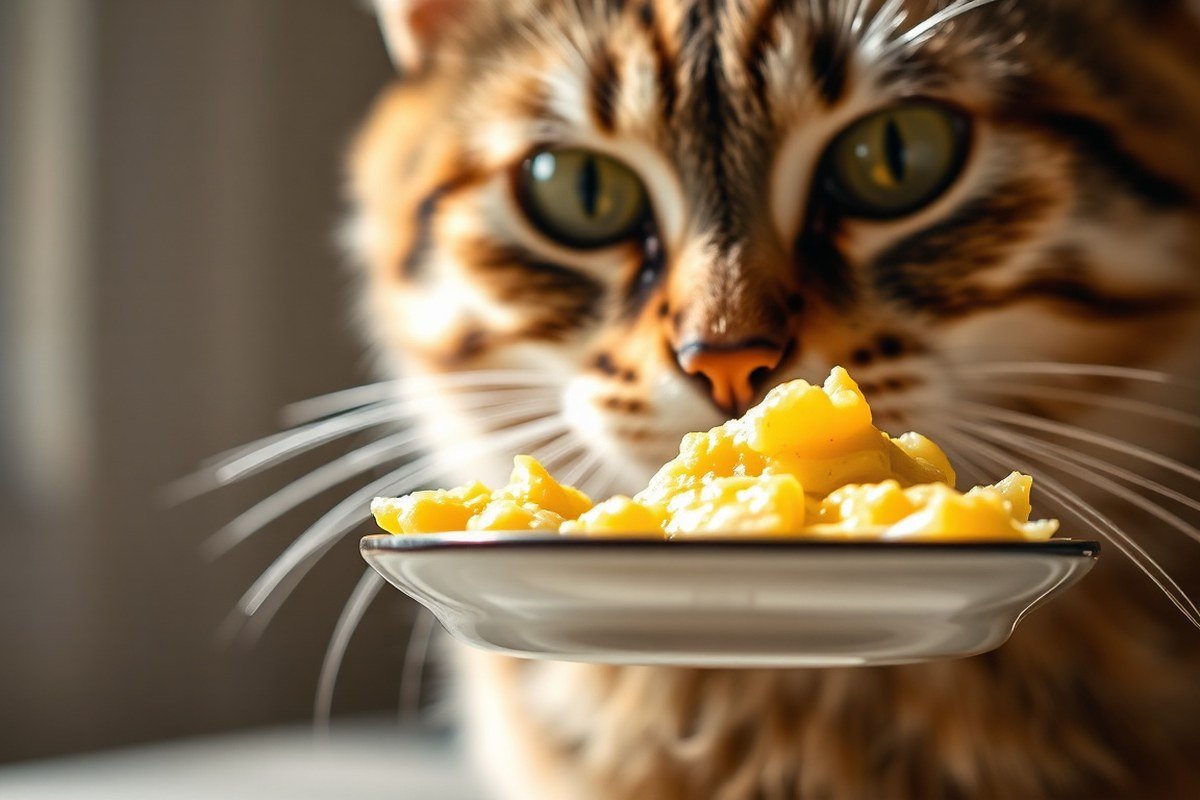
Plain, fully cooked scrambled eggs are safe for cats. Cooking eggs completely kills bacteria and improves digestibility for your cat. Do not add salt, oil, butter, or any spices before giving eggs to your cat. Experts at the University of Missouri Small Animal Clinical Nutrition Service state that plain cooked eggs, such as scrambled or boiled, make safe treats for healthy cats.
Eggs provide a good source of high-quality animal protein, which supports your cat’s muscle health and energy needs. The softened texture of scrambled eggs makes them easy to eat, especially for picky cats or those with dental issues. However, eggs should not replace your cat’s regular balanced diet since they don’t cover all essential nutrients.
Feeding scrambled eggs in moderation is key because too many may lead to nutritional imbalance or digestive upset. Occasional treats of about one or two teaspoons of scrambled egg per serving are sufficient. Regular daily feeding is not recommended unless advised by your veterinarian, especially if your cat has health conditions like pancreatitis or kidney disease. Always check with your vet before introducing eggs to a cat with special health needs.
Feeding your cat plain scrambled eggs that are fully cooked several times each week provides a nutritious, protein-packed supplement to their regular meals. Doing so improve variety without risking safety or nutrition. Avoid raw eggs, added ingredients, or daily feeding to keep your cat’s egg treat both safe and healthy.
How to Prepare Scrambled Eggs Safely for Your Cat
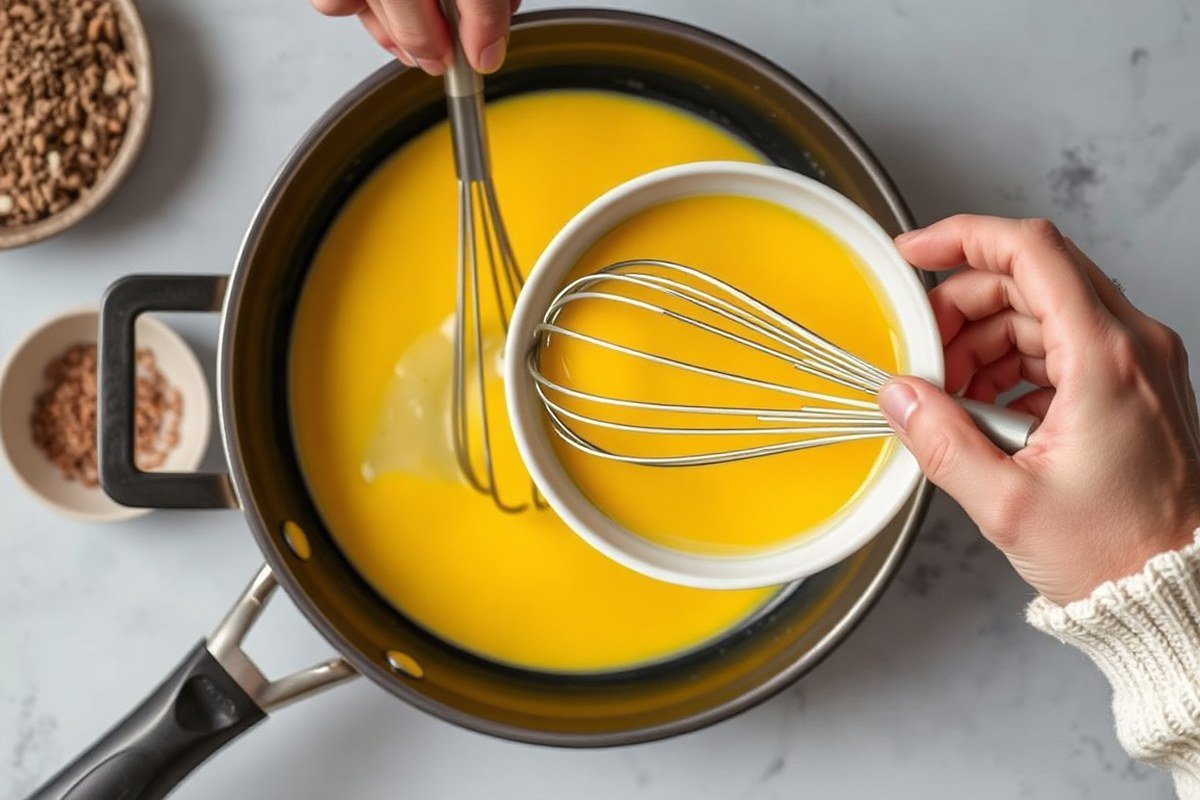
Scrambled eggs should be cooked thoroughly without any additives to keep them safe and healthy for your cat. Use fresh, high-quality eggs and avoid adding butter, oil, milk, cheese, salt, or any seasonings like garlic or onion. These ingredients can be harmful or overly rich for cats. Cooking eggs plain means you control exactly what your cat eats and avoid extra calories or toxins. Aim for a cooking method that reaches an internal temperature of 160°F to kill potential bacteria such as Salmonella.
Start by cracking an egg into a bowl and whisking it lightly. Warm a nonstick pan over medium heat without oil or butter. Pour the egg mixture into the pan and stir gently until fully cooked and no runny parts remain. This usually takes about 2 to 3 minutes. Let the scrambled eggs cool to room temperature before serving your cat a small portion. Too-hot eggs can burn their mouth, and undercooked eggs carry risks.
For cats sensitive to texture, prepare the scrambled eggs into soft curds instead of larger chunks. Serve only small amounts as an occasional treat, not a meal replacement. If you want to prepare eggs in other safe ways, boiling or poaching without added salt or vinegar are good alternatives. Avoid fried eggs cooked in oil or butter since those add unnecessary fat and calories. Always keep your cat’s scrambled eggs simple, plain, and fully cooked to reduce risk and support digestion.
How Much and How Often Can Cats Eat Scrambled Eggs?
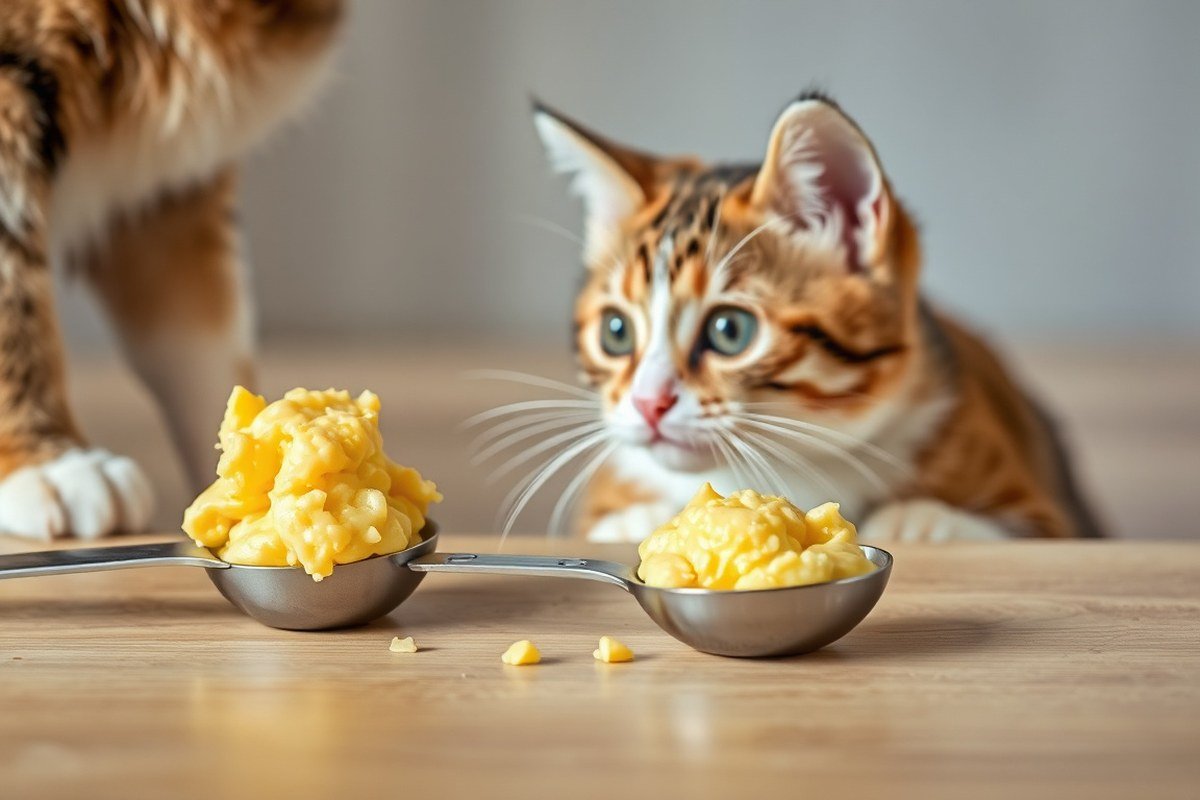
Feed your cat scrambled eggs as a treat in very small amounts, generally not more than ¼ of a single egg at one time. This equals roughly one to two teaspoons of cooked egg, which provides a protein boost without overloading calories. You should limit the frequency to occasional servings, such as once or twice a week, to avoid upsetting your cat’s balanced diet.
Scrambled eggs are Not a replacement for complete cat food. Cats require a diet formulated to meet their needs for nutrients such as taurine and specific vitamins, which scrambled eggs lack. Use eggs as a supplemental protein source or a treat, rather than a main meal. Avoid offering eggs daily or in large portions to prevent nutrient imbalance and excess calorie intake.
When deciding how much egg to give, consider the treat-to-total-calorie ratio. Treats generally should not exceed 10% of your cat’s daily caloric intake, which for an average adult cat ranges from 180 to 250 calories. Since a whole cooked egg contains about 70 calories, a safe snack size is about 15 to 20 calories worth of scrambled egg per serving. For example, if your cat eats 200 calories daily, limit scrambled eggs to about one-fifth of an egg (around 15 calories) per treat.
If your cat needs extra protein, adding a tablespoon of egg whites occasionally can help, but monitor how your cat responds and adjust other food portions to keep total calories in check. Watch for any signs of allergic reactions or digestive upset, especially when introducing eggs for the first time. Avoid adding ingredients like cheese or spices when preparing scrambled eggs to keep this treat safe and healthy.
Differences Between Raw, Cooked, and Other Egg Preparations
Raw eggs pose a Salmonella risk that can harm both your cat and your family. Avoid feeding eggs with undercooked yolks or whites, like sunny-side up, poached, or over easy. Cooking eggs fully through methods like scrambling or boiling lowers this danger and helps your cat digest the proteins better. Scrambled eggs work well since they’re soft and cat-friendly, but keep them plain without any salt or spices.
Hard-boiled eggs offer a simple, low-fat option. They are fully cooked, which ensures safety and ease of digestion. However, feeding your cat whole hard-boiled eggs may pose a minor choking hazard if the egg is not cut into small pieces. Scrambled eggs generally have a similar nutrient profile to boiled eggs but often contain more fat due to the inclusion of egg yolks, which raises their calorie content. This increased fat can lead to weight gain if overfed, so moderation is important.
Egg yolks contain fat and fat-soluble vitamins like vitamin D and are more calorie-dense than egg whites. Feeding cats cooked yolks in small amounts is fine, but feeding mostly egg whites does not provide these extra nutrients. Egg whites should always be cooked to avoid avidin, a protein in raw whites that interferes with biotin absorption, leading to skin and coat issues over time.
| Egg Type | Benefits | Risks | Preparation Notes |
|---|---|---|---|
| Raw Egg | None recommended | Salmonella risk, avidin interference, choking | Not recommended for cats |
| Scrambled Egg | High protein, easy to digest, contains yolks | High fat if overfed, risk if seasoned | Cook thoroughly, no salt or seasoning |
| Hard-Boiled Egg | High protein, fat-controlled, easy to portion | Minor choking hazard if whole, overfeeding calories | Cut into small pieces, serve plain |
For a typical serving, cook one large egg (about 50 grams) fully, whether scrambled or boiled. Cut hard-boiled eggs into sections. Serve plain without butter, milk, or seasoning. This keeps eggs healthy and digestible for your cat while minimizing risks. Feeding eggs more than a few times a week may increase the risk of obesity due to calories from fats, especially from yolks.
Recognizing Allergies, Risks, and When to Avoid Eggs
Cats can be allergic to eggs, although it is not very common. Just like people, some cats may develop a sensitivity or allergic reaction to certain proteins in eggs. You should watch for symptoms such as itching, swelling, vomiting, diarrhea, or changes in behavior. These signs indicate a negative reaction and mean you should stop feeding eggs immediately.
When your cat shows symptoms after eating scrambled eggs, remove the eggs from their diet and consult a veterinarian. Mild symptoms might improve on their own, but persistent vomiting or diarrhea could lead to dehydration, requiring professional care. For safety, avoid feeding raw eggs since they carry risks of Salmonella or E. Coli infections, which can cause serious illness.
Eggshells are generally not safe for cats. While some owners believe shells provide extra calcium, the sharp edges can pose choking hazards or cause internal injury. Unless finely ground and mixed into food under veterinary guidance, avoid giving cats eggshells.
To decide whether to give your cat scrambled eggs, start with a small portion of plain, fully cooked eggs without seasoning, milk, cheese, butter, or oils. Observe your cat for 24 to 48 hours for any adverse signs. No symptoms appearing means you can offer eggs occasionally as a treat. Any symptom that arises requires stopping egg feeding and seeking advice.
Introducing Eggs to Kittens and When to Consult a Vet
Kittens under 12 weeks old should not eat scrambled eggs. Their growing bodies need a complete kitten diet that provides all essential nutrients and calories. Eggs, while high in protein, lack the range of vitamins and minerals necessary for proper development at this early stage. Introducing eggs too soon can displace critical nutrients your kitten needs to thrive.
Once your kitten is older than 12 weeks and thriving on their balanced kitten food, you can consider introducing scrambled eggs as a rare treat. Start with a very small amount, such as a teaspoon of plain scrambled egg that has been fully cooked without any oils, seasoning, or additives. Offer this once or twice to see if your kitten tolerates it without any digestive upset or allergic reaction. Watch for vomiting, diarrhea, itching, or unusual behavior over the next 24 hours.
Treats like scrambled eggs should make up under 10% of your cat’s daily calories. The right amount varies based on your cat’s weight, age, and normal diet. Check with your vet before adding eggs to a kitten’s meals. Your vet can offer advice tailored to your cat’s breed, medical background, and any sensitivities.
If your kitten shows signs of stomach problems or allergic reactions after eating eggs, contact your veterinarian. Consult a professional before feeding eggs to kittens with a history of allergies or digestive troubles. For tailored advice, reach out to Trinity Veterinary Hospital in Stillwater, OK, at (405) 533-0001. Their team can guide you on including scrambled eggs or other snacks safely without risking your cat’s health or nutrition.
Feeding Scrambled Eggs to Your Cat: A Step-by-Step Action Plan
Follow these steps to safely introduce scrambled eggs to your cat’s diet and monitor their response.
- Before You Start: Prepare plain scrambled eggs with no seasoning, butter, or oil. This ensures a safe baseline to check your cat’s tolerance.
- Day 1: Offer a small amount, about a teaspoon of scrambled eggs, as a treat. Watch for any digestive upset or allergic reactions within 24 hours.
- Day 3: If no issues arise, give another small serving. Consistent tolerance over a couple of days means your cat can handle eggs safely.
- Week 1: Gradually increase the portion to about one tablespoon per serving, no more than two or three times a week. Monitor your cat’s weight and appetite to avoid overfeeding.
- After 2 Weeks: Evaluate your cat’s overall health and energy levels. If you notice any changes in behavior or digestion, reduce the egg intake or pause feeding.
- Ongoing: Use scrambled eggs occasionally as a treat rather than a meal replacement. Always prioritize balanced cat food for nutrition.
- When to Consult a Vet: Contact your veterinarian if your cat shows persistent vomiting, diarrhea, skin issues, or allergies after eating eggs.
Frequently Asked Questions
Can Scrambled Eggs Help Improve My Cat’s Coat Condition?
Scrambled eggs provide protein and healthy fats that can support a shiny coat, but they should not replace a balanced diet designed for skin and fur health. Ensure your cat’s diet meets all nutritional needs rather than relying on eggs alone.
Is It Safe to Give Cats Scrambled Eggs with Cheese Mixed In?
Cheese can cause digestive upset in some cats due to lactose intolerance, so it’s best to avoid adding cheese to scrambled eggs for your cat. Plain, unseasoned eggs are the safer option to prevent stomach issues.
Can Scrambled Eggs Cause Obesity in Cats?
Feeding scrambled eggs occasionally as a treat won’t cause obesity, but frequent or large portions add extra calories that may contribute to weight gain. Treat eggs as an infrequent supplement to a controlled diet and monitor your cat’s overall calorie intake.
Do Scrambled Eggs Help Kittens Grow Faster?
Scrambled eggs offer protein important for growth, but a kitten needs a complete food designed for development rather than eggs alone. Use eggs only as occasional treats and focus on kitten-specific nutrition to support healthy growth.
Can Scrambled Eggs Replace Cat Food If My Cat Refuses to Eat?
Eggs don’t provide all essential nutrients cats need and shouldn’t replace balanced cat food. Use scrambled eggs only as a temporary supplement or treat, and consult your vet if your cat is refusing usual food.
The Bottom Line
Scrambled eggs can be a safe and enjoyable treat for your cat when prepared simply and fed in moderation. Start with small amounts and carefully observe your cat’s reaction before making eggs a regular part of their diet. To ensure your cat’s health, consult your vet whenever you notice unusual symptoms or before introducing eggs to kittens.