Can Cats Have Allergies? A Complete Guide with Proven Treatment Tips
Can cats have allergies? Yes, cats can develop allergies from various sources like food, fleas, or environmental factors. Recognizing the symptoms early can help you address their discomfort quickly and effectively. Start by observing any changes in your cat’s skin, digestion, or behavior that might suggest an allergic reaction.
Key Takeaways
- Food allergies in cats represent about 10% of all allergies and often show improvement within the first month of a food trial.
- Allergy testing includes skin tests that show visible reactions within 15 to 20 minutes after exposure to allergens.
- Environmental allergens such as dust mites may increase in homes with extensive carpeting or poor ventilation, requiring frequent cleaning.
- Siamese cats and kittens under 6 months might be more prone to develop food allergies than other breeds.
- Digestive symptoms like vomiting and diarrhea occur in about 10-15% of cats with food allergies.
- Seasonal allergies are common and can mimic human reactions, causing itching and sneezing in cats.
Can Cats Have Allergies and How Do They Show?
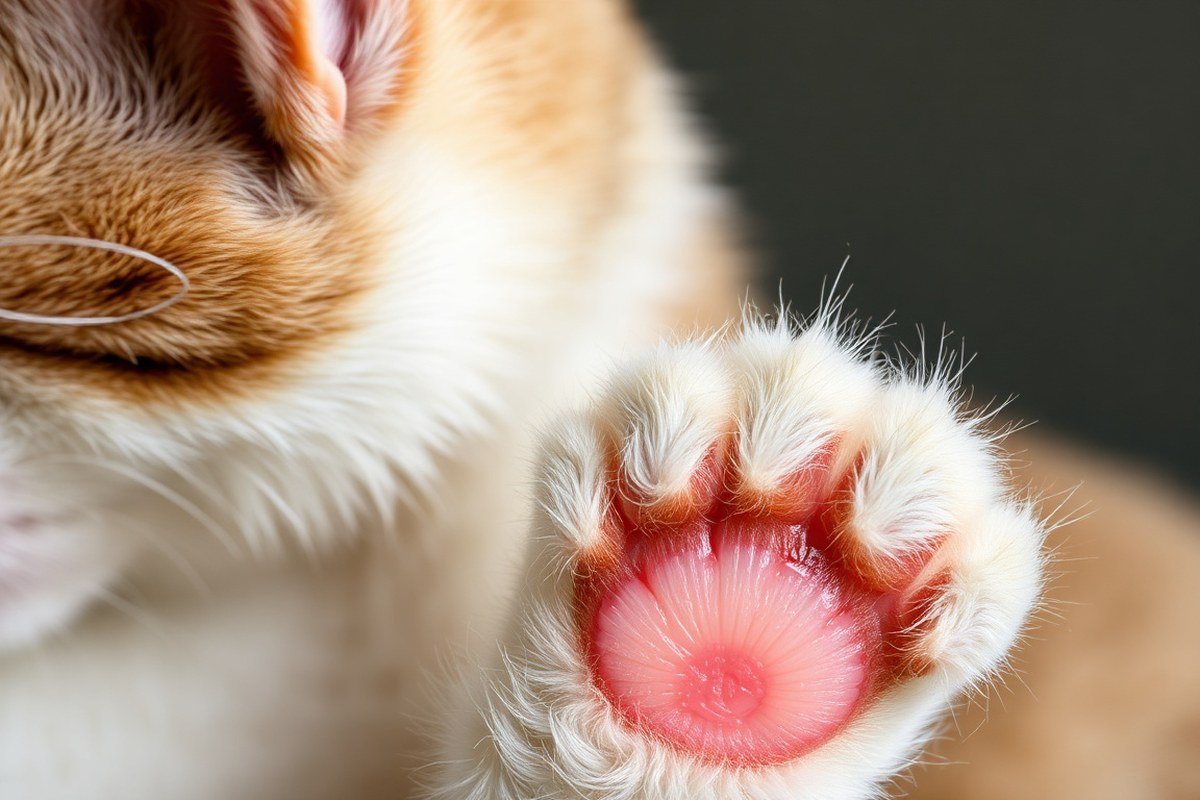
Cats can definitely develop allergies, which often show up in their behavior and physical condition. The most common signs you’ll notice include itchy and irritated skin, especially around the face, neck, and ears. Your cat might scratch, groom excessively, lick, or even bite their fur or skin, leading to redness, hair loss, scabs, or wounds. While skin symptoms are the primary clue, some cats also experience digestive issues like vomiting or diarrhea, particularly if they have food allergies. Roughly 10 to 15% of cats with food allergies show digestive signs.
It can be tricky to tell apart allergy symptoms from other skin problems or digestive illnesses. Unlike a simple rash or infection, allergic reactions usually cause repeated flare-ups that worsen with exposure to certain triggers such as fleas, certain foods, or dust. Respiratory signs like sneezing or coughing can occasionally appear but tend to be less common than skin or digestive changes. Some symptoms are specific to particular allergens; for example, flea allergies often cause intense itching and localized inflammation where fleas bite, while food allergies tend to cause widespread skin irritation and sometimes vomiting.
Allergies can appear anytime during a cat’s life, even in young kittens or older cats who previously showed no signs. Early signs usually include subtle scratching or increased grooming. To help your vet diagnose allergies swiftly, keep a detailed note of when symptoms occur and what changed in your cat’s diet, environment, or flea control. Record specific behaviors such as scratching frequency, hair loss areas, vomiting episodes, and any new products or foods introduced. Monitoring these factors over a few weeks will provide important clues and speed up effective treatment.
Common Types and Causes of Allergies in Cats
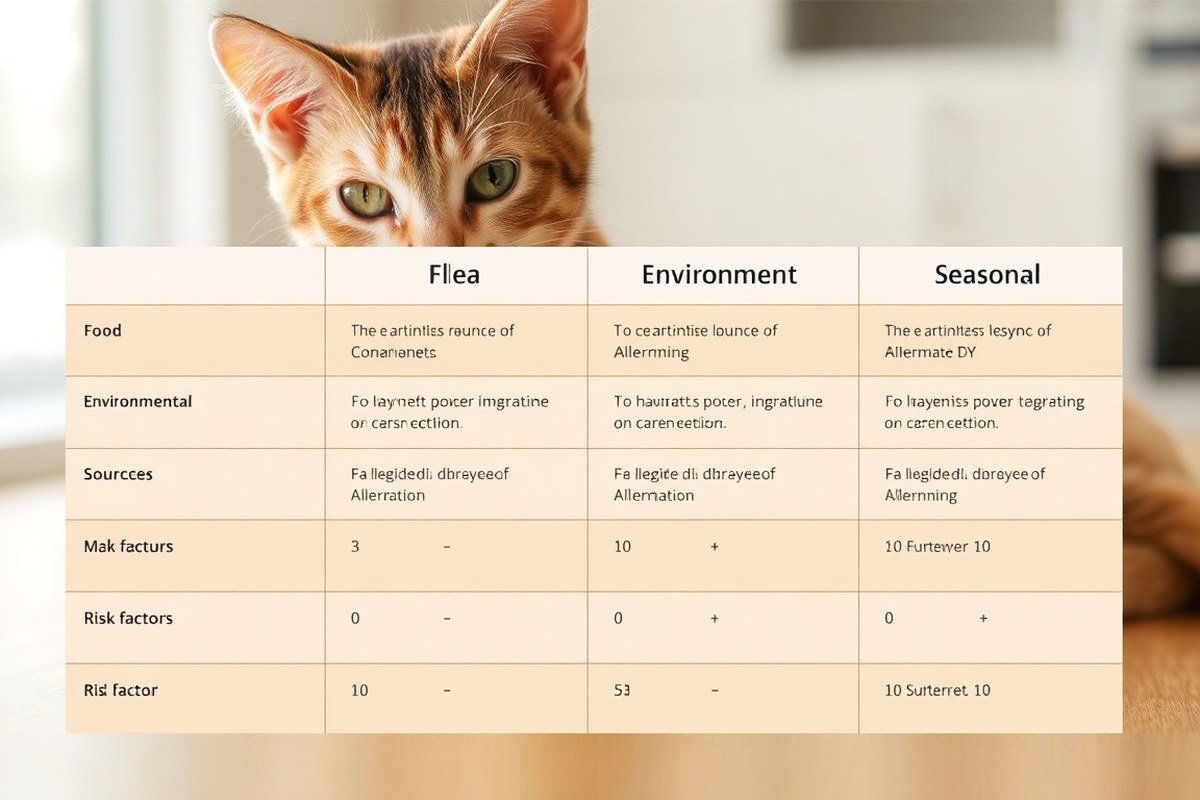
Cats can develop several types of allergies, with the main categories being Flea allergy dermatitis, Environmental allergies, and Food allergies. Flea allergy dermatitis occurs when a cat is hypersensitive to flea saliva; even a few flea bites cause intense itching, redness, and hair loss. This is easily treated with year-round flea prevention medication, especially important for cats living in warmer climates where fleas are active most of the year.
Environmental allergies arise from exposure to irritants like dust, pollen, mold, and household cleaners. These allergies can cause symptoms such as sneezing, itching, and skin inflammation. Identifying the exact allergen involves blood or skin testing, which helps guide effective environmental control measures. Seasonal allergies tend to flare with changing weather, while others may cause symptoms year-round based on the home environment.
Food allergies rank as the third most common type in cats. Unlike humans, cat food allergies often cause Constant, non-seasonal itchiness rather than digestive upset. The most frequent culprits include proteins such as chicken, beef, dairy, eggs, and fish. Grain and gluten allergies exist but appear less often in cats. Diagnosing food allergies usually requires a strict elimination diet lasting 1 to 3 months, feeding a novel or hydrolyzed protein source to observe symptom improvement.
| Allergy Type | Common Causes | Typical Symptoms | Prevalence |
|---|---|---|---|
| Flea Allergy | Flea saliva | Itching, hair loss, redness | Very common with outdoor exposure |
| Environmental Allergy | Dust, pollen, mold, cleaners | Sneezing, itching, skin inflammation | Common, varies by region |
| Food Allergy | Chicken, beef, dairy, eggs, fish | Constant itching, skin irritation | Moderately common |
Breed and age influence allergy risks. Siamese cats and kittens under 6 months old might develop food allergies more frequently. Flea and contact allergies may worsen with age and become chronic problems. Your cat’s living conditions also matter; indoor cats often show fewer flea-related issues but can still suffer from environmental allergies.
To decide which allergy is likely, consider your cat’s symptoms and lifestyle. Persistent itching without seasons often points to food allergies, especially if your cat is young or a susceptible breed. Itching tied to outdoor activity suggests fleas. Seasonal flare-ups or reactions matching pollen seasons typically indicate environmental allergies. Consulting a veterinarian can help confirm the diagnosis and guide specific testing and treatment.
How Are Cat Allergies Diagnosed and How Long Does It Take?
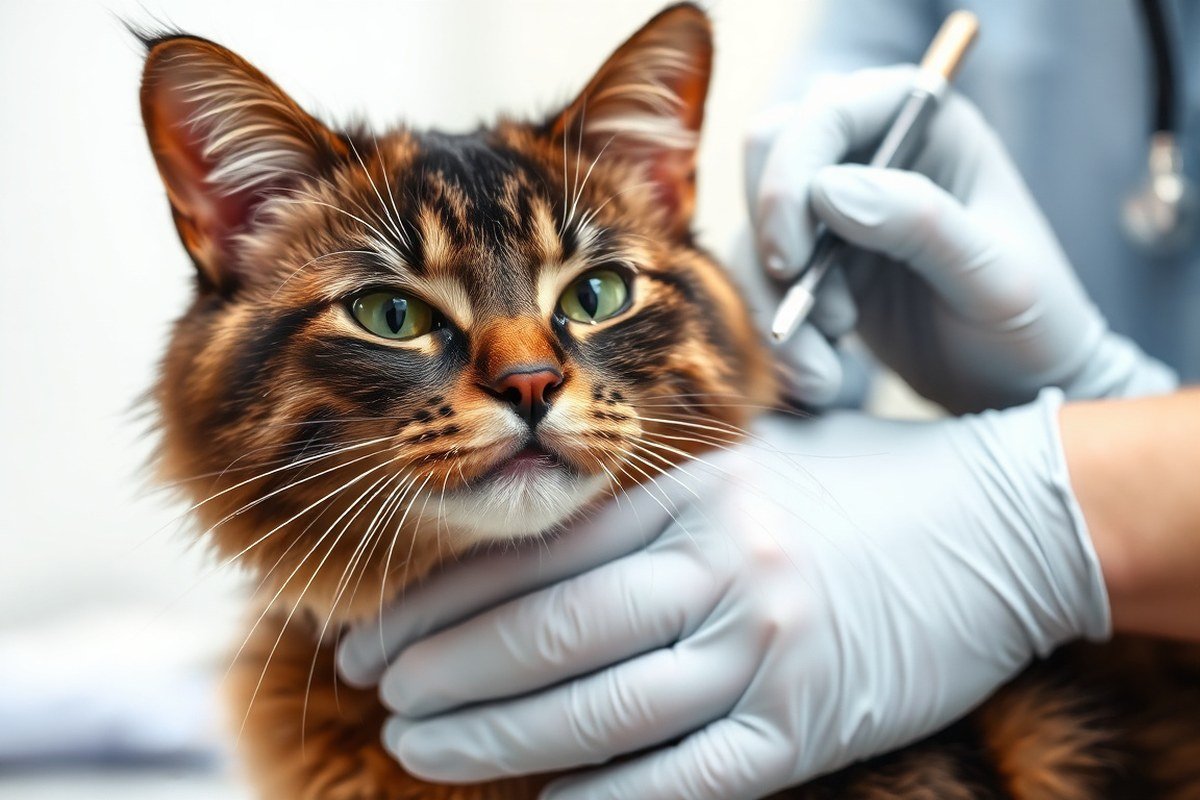
To identify allergies in cats, veterinarians often use a combination of skin tests, blood tests, and elimination diets. Skin tests involve pricking the cat’s skin and introducing small amounts of allergens to observe any reactions, providing quick results within 15 to 30 minutes. Blood tests can measure allergic antibodies but tend to be more accurate for environmental allergies than for food allergies. These tests usually take a few days to a week to process.
Diagnosis of food allergies requires a strict Elimination diet, which is a controlled feeding trial lasting 8 to 12 weeks. During this period, you feed your cat a novel protein or hydrolyzed diet that excludes any ingredients suspected of causing allergies. To conduct an elimination diet properly, start by avoiding all previous foods and treats. Introduce only the prescribed novel or hypoallergenic diet without any additions, including flavored medications or supplements. Monitor your cat daily for improvements in symptoms like itching or digestive upset. If symptoms disappear during the diet, it suggests a food allergy. Once confirmed, continue the diet indefinitely or until your vet advises otherwise.
Preparing your cat for allergy testing involves ensuring they are not on corticosteroids or antihistamines for at least two weeks before testing, as these medications may suppress allergic responses. Also, keep your cat calm to reduce stress-related reactions. For both skin and blood tests, a brief veterinary visit is needed, and blood testing requires a small blood sample. Skin testing may be less comfortable but offers quicker results. Elimination diets are time-consuming but the most reliable method to diagnose food allergies and confirm specific ingredient intolerances.
Improvement from an elimination diet typically appears after 6 to 8 weeks, though complete relief can take up to 12 weeks. Failure to see improvement may indicate non-food allergens or improper diet adherence. In such cases, your veterinarian may recommend further environmental allergen testing or flea control measures to narrow down the cause of the allergy symptoms.
Effective Treatments and Medications for Cat Allergies
Treatments for cat allergies vary depending on the offending allergen, but your veterinarian often recommends a combination of flea prevention, medications, dietary changes, and environmental controls to provide relief. Flea preventatives work by killing fleas or preventing their eggs from hatching, which stops the cycle and reduces the allergic reaction. Your vet will prescribe a suitable topical or oral flea treatment tailored to your cat, as these products are essential for cats with flea allergies. Administer flea medication monthly to maintain effectiveness and check your cat regularly for signs of fleas.
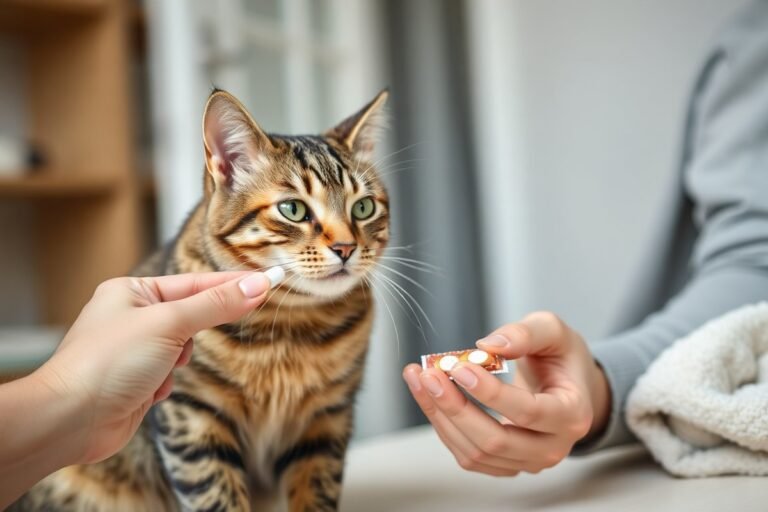
Antihistamines can help reduce itching and inflammation caused by allergic reactions, but not all are safe for cats. Your veterinarian should recommend approved options such as diphenhydramine or chlorpheniramine and provide the exact dosage. Giving medication orally with a small treat or mixed in food can improve acceptance. Monitor your cat for side effects like drowsiness or loss of appetite and report anything unusual promptly.
Diet changes may improve symptoms, especially if your cat has food allergies. Your vet might recommend a hypoallergenic or limited-ingredient diet over 8 to 12 weeks to identify problem ingredients. These foods typically cost between $1 and $3 per day, depending on the brand and your cat’s size. Successful diet therapy reduces symptoms without the need for additional medications.
Environmental controls focus on removing allergens your cat reacts to. Keeping your home clean by vacuuming frequently, using dust-free and unscented cat litter, and washing your cat’s bedding weekly helps reduce airborne irritants. Air purifiers can also lower allergen levels. Limiting outdoor access during high-pollen seasons or keeping your cat indoors helps prevent exposure to seasonal allergens. These changes can take weeks to show noticeable improvements.
Here’s a quick comparison: Flea preventatives are effective for flea allergies but require monthly use and vet guidance. Antihistamines offer quick relief but need careful dosing and monitoring. Dietary changes take longer but provide long-term benefit for food-related allergies. Environmental controls are ongoing but key to reducing symptoms across all allergy types. Collaborate closely with your vet to choose and tailor treatments based on diagnosis and lifestyle.
Managing and Preventing Allergies for a Healthier Cat Life
Managing chronic allergies in cats means focusing on reducing exposure to allergens and maintaining a clean environment. Since you cannot fully prevent allergies, your priority should be to limit your cat’s contact with triggers like dust mites, pollen, or certain foods. Regular cleaning is essential: vacuum carpets and upholstery at least twice a week, use a HEPA air purifier to reduce airborne particles, and wash your cat’s bedding in hot water weekly. Avoid using harsh chemicals or scented products that can irritate your cat’s skin or respiratory system.
Cats prone to allergies that affect their skin or breathing might benefit from frequent grooming to remove allergens from fur, especially if they spend time outdoors. For cats with multiple allergies, it is important to work closely with your veterinarian to adjust treatment plans and monitor symptoms regularly, since managing combined triggers is more complex. Be alert for signs like persistent scratching or wheezing, which signal you should seek professional advice promptly to avoid complications like infections or asthma attacks.
Improving your home environment includes minimizing carpeted areas, especially if over 50% of your floors are carpeted, as carpets harbor dust mites. Opt for washable rugs if needed and consider using central air conditioning to lower humidity below 50%, which discourages mite growth. In humid or dusty spaces like basements and attics, keep your cat out or increase cleaning frequency. Diet changes may be necessary if food allergies are involved; your vet can recommend hypoallergenic diets or elimination trials.
Allergy management takes commitment but pays off with better quality of life for your cat. Stay consistent with cleaning routines and medication schedules prescribed by your vet. If symptoms worsen or don’t improve, don’t hesitate to get professional help for re-evaluation. While a perfect allergen-free environment is rare, reducing exposure to known triggers creates a healthier space for your cat to thrive.
Step-by-Step Action Plan for Managing Your Cat’s Allergies
Follow these steps to help identify and manage your cat’s allergies effectively, improving their comfort and health.
- Day 1: Observe your cat closely for signs like itching, sneezing, or redness. Note the symptoms and when they occur to share with your vet.
- Week 1: Schedule a veterinary appointment to discuss your observations and start allergy testing if recommended. Confirmation will guide treatment options.
- Week 2: Introduce prescribed treatments such as antihistamines or medicated shampoos as directed by your vet. Monitor any improvement or side effects.
- Week 3: Begin environmental changes like removing potential allergens, using air purifiers, or switching cat litter to hypoallergenic types. Track your cat’s response to these adjustments.
- After 1 Month: Evaluate your cat’s progress with your vet. Adjust medications or treatments based on response and any new symptoms.
- Ongoing: Maintain a clean environment, avoid known triggers, and regularly check your cat’s skin and behavior for changes. Keep your vet informed of any concerns.
Frequently Asked Questions
Can Cats Outgrow Allergies?
Cats usually do not outgrow allergies; they need ongoing management. Allergies often persist lifelong and require adjustments to treatment over time.
Are Certain Cat Breeds More Prone to Allergies?
Siamese and purebred cats have higher risks of airborne and food allergies. Breed-related genetics may influence allergy development in cats under 6 months old.
Can Indoor Cats Develop Allergies?
Indoor cats can develop allergies to dust, fleas, and environmental triggers. Even indoor environments have allergens like dust mites and mold spores.
Do Food Allergies Cause Skin Problems in Cats?
Food allergies often cause skin issues like itching and dermatitis in cats. They only cause digestive symptoms in about 10-15% of cases.
Can Cat Allergies Cause Behavioral Changes?
Allergies can lead to irritability or lethargy due to discomfort. Cats may groom excessively or hide because of allergic symptoms.
Wrapping Up
Cats can have allergies, and recognizing the signs early allows you to provide timely care. You should consult your veterinarian as your next step to get a proper diagnosis and tailored treatment plan. Taking proactive measures now helps ensure a healthier, more comfortable life for your feline companion.