Do Cats Snore
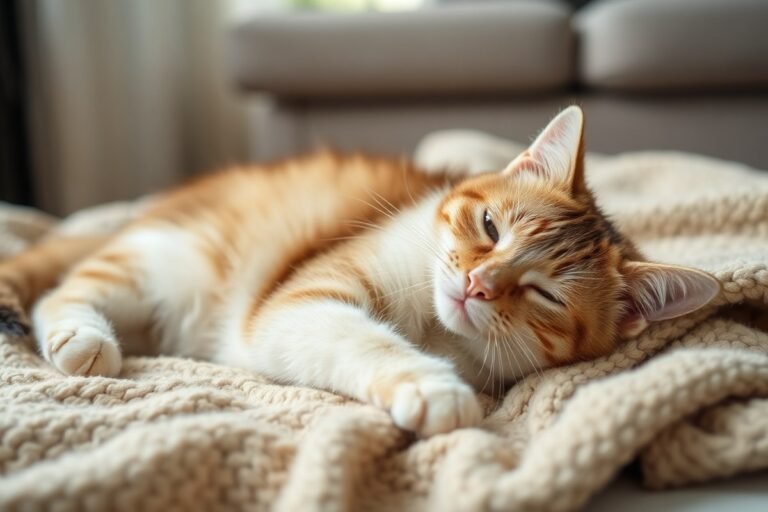
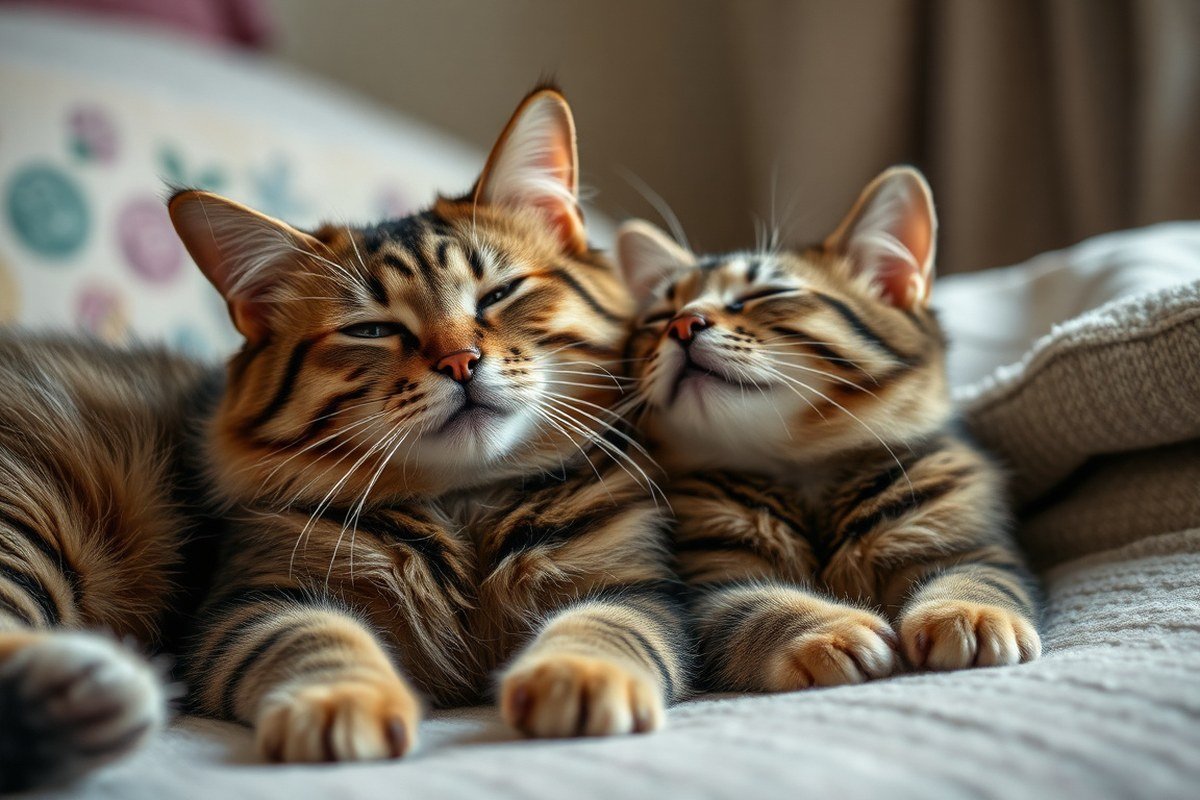
Do cats snore? Yes, many cats do snore during their sleep, usually producing gentle, rhythmic nasal sounds. This happens mostly because of their relaxed airway tissues while sleeping, similar to humans. If your cat’s snoring is soft and occasional, it’s typically normal and nothing to worry about.
Key Takeaways
- Brachycephalic breeds like Persians and Himalayans snore more due to their flat faces and shorter airways.
- Overweight cats often snore because excess fat narrows the upper airway passages.
- Normal cat snoring consists of low, rhythmic nasal sounds and doesn’t need immediate action.
- High-pitched wheezing or gurgling sounds in your cat’s breathing should prompt a visit to the vet.
- Common causes of cat snoring include upper respiratory infections, nasal polyps, allergies, and obesity.
- Cats sleep in multiple sessions averaging around 78 minutes, increasing the chance you might hear snoring.
“Niche”: “Pet Health and Behavior”,
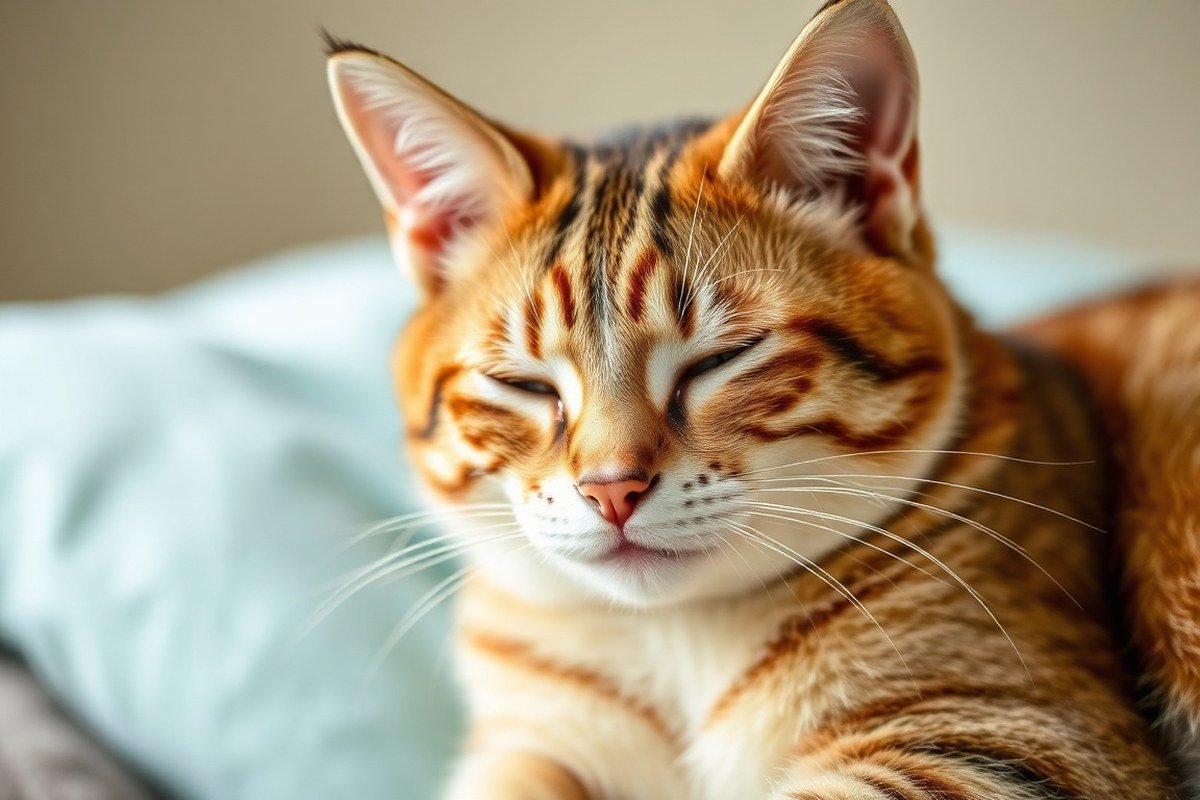
Recognizing normal versus concerning cat snoring helps you support your cat’s health. Many cats snore gently during deep sleep without any health risks. This often occurs when their airway narrows slightly, either because of their sleep position or natural breed traits like short noses. Occasional snoring in these cases is harmless.
However, Cats with obesity or respiratory conditions might snore loudly or frequently. Excess fat in the throat and neck tissues often restricts airflow, causing louder snoring. Allergies, infections, and age-related muscle weakening also increase snoring risk. If your cat shows labored breathing, wheezing, or open-mouth breathing alongside snoring, consult a vet promptly.
To assess your cat’s snoring health, start by observing how often and how loudly they snore. Track if snoring increases with weight gain, reveals noisy gasps, or occurs with breathing pauses. Keep a simple diary for one to two weeks, noting sleep times, snore intensity, and other symptoms. This record helps your vet determine if the snoring is just normal sleep sounds or a sign of an underlying condition.
Creating a comfortable sleep environment also matters. Provide soft, supportive resting spots where your cat can sleep on their side or belly to avoid airway pressure. Maintaining a healthy weight through diet and regular exercise reduces snoring caused by fat buildup. Adjusting your cat’s lifestyle by monitoring sleep and body condition supports easier breathing.
“Audience”: “Cat Owners Curious About Their Cats’ Snoring Habits and Health”,
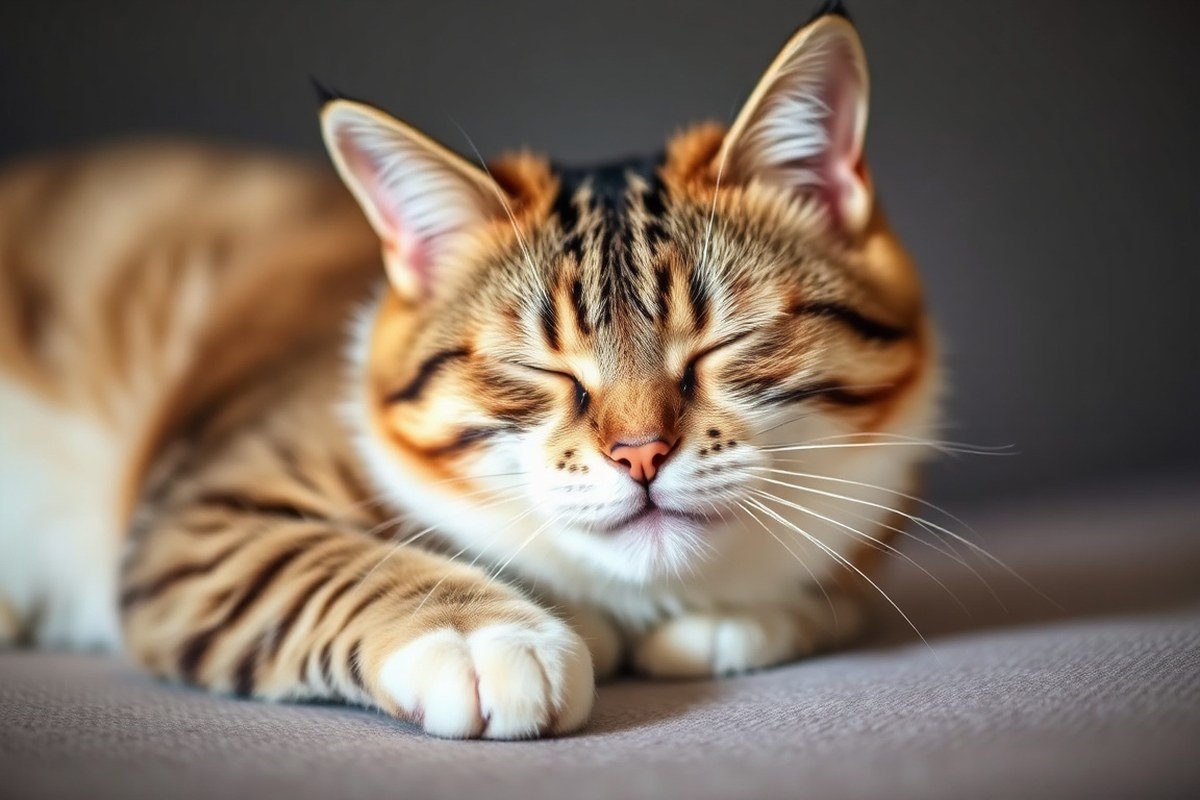
Cat owners often wonder if snoring is normal for their pets and when it signals a health issue. Cats typically sleep 12 to 16 hours daily, often in various flexible positions that may occasionally cause snoring. Generally, gentle snoring during sleep is normal and not a cause for concern. However, if your cat’s snoring suddenly changes in sound or frequency, or is combined with symptoms like sneezing, nasal discharge, coughing, or fatigue, it could indicate an underlying health problem such as an upper respiratory infection, allergies, or obesity.
Keeping an eye on your cat’s snoring habits can help you notice warning signs early. Start by observing when and how often your cat snores during sleep, noting any shifts in volume or associated symptoms. You might keep a simple log over a one- to two-week period, noting sleep times, snoring duration, and any other concerning behaviors. This record can be valuable if you decide to consult a veterinarian.
To help your cat rest comfortably and possibly reduce snoring, consider adjusting the sleep environment. Providing improve or cushioned resting spots can improve breathing and reduce airway obstruction caused by awkward sleeping positions. Make sure your cat maintains a healthy weight; obesity is linked to louder snoring and higher risks of serious conditions like diabetes and pancreatitis, which may worsen respiratory issues.
If you see additional signs such as difficult breathing, nasal blockage, or changes in appetite and energy, seek veterinary advice promptly. Pending examination, treatments can range from antibiotics and antihistamines to dietary changes and surgery, depending on the diagnosis. Managing your cat’s overall health with regular vet check-ups, vaccinations, and dental care can also reduce snoring and potential related health problems.
“Do Cats Really Snore and Why?”,
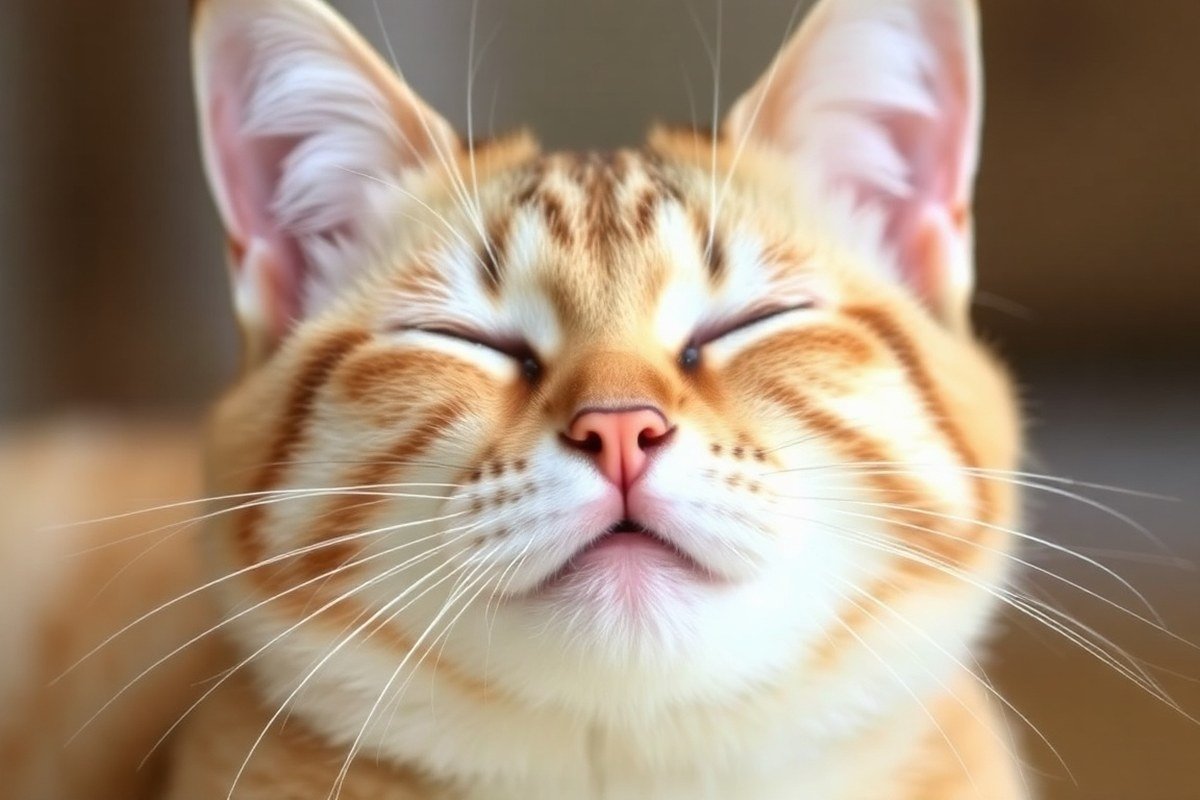
Cats really snore when their upper airway airflow is partly blocked. Their breathing tubes can narrow while sleeping, causing the vibrations that make snoring noises. This is usually normal and related to factors like your cat’s sleeping posture, head shape, or age. Older cats snore more often because relaxed muscles may reduce how open their airways stay.
Some cats snore simply due to their body structure. Brachycephalic breeds, such as Persians and Himalayans, have shorter, broader heads that make airway obstruction more likely. Noticing your cat snore sometimes during naps or after sleeping well rarely means a problem exists. Cats sleep around 13 hours a day, often in 78-minute intervals, giving plenty of opportunities for snoring to occur naturally.
To check if your cat’s snoring is normal, start by observing these points: Is the snoring consistent with their usual sleep pattern, or is it new? Are there other signs such as coughing, sneezing, or changes in activity? Also, note if your cat seems to struggle for breath or shows signs of distress. Snoring accompanied by signs like difficulty breathing or coughing means you should schedule a vet exam to check for infections or lung issues.
For a quick decision rule, use this script: If your cat snores occasionally, has no coughing or behavior changes, and seems comfortable, the snoring is probably normal. Sudden, frequent, or loud snoring along with other symptoms calls for a prompt call to your veterinarian. This approach helps you safely manage your cat’s health without unnecessary worry or cost.
“How Does Cat Snoring Work Compared to Humans?”,
Cat snoring works similarly to human snoring because it involves the vibration of soft tissues in the throat during breathing while asleep. In both species, snoring typically occurs when airflow faces some obstruction, such as relaxed throat muscles or narrow airways. This shared mechanism explains why overweight cats, like overweight humans, might snore more often due to extra fatty tissue around the neck that restricts airflow.
A key difference lies in frequency and severity. While snoring is common and usually harmless for humans, it is less frequent in cats and often seen as a normal part of their sleep unless accompanied by other symptoms. Certain cats, depending on their breed or sleeping position, might snore more, but this does not usually indicate a medical issue. In contrast, humans are more commonly diagnosed with obstructive sleep apnea, a condition where snoring is associated with breathing pauses and may require treatment. Though obstructive sleep apnea is rare in cats, it can also cause snoring in felines.
An approach to compare cat snoring with human snoring involves observing specific signs and triggers. Start by noting your cat’s sleeping posture and body condition. Your cat may snore more while lying on its side, which is a pattern similar to how humans often snore louder when on their backs. Next, evaluate if your cat is obese or has any symptoms of allergies or asthma, both of which can increase snoring by narrowing airways. Tracking these factors over a week helps determine whether the snoring is typical or worth further veterinary consultation.
Understanding these differences helps you manage your cat’s snoring. Loud or frequent snoring, especially when combined with coughing or trouble breathing, could indicate a health issue. In such cases, a licensed vet should assess your cat to rule out respiratory issues or sleep apnea, ensuring your pet’s health and comfort during sleep.
“Which Cat Breeds Snore More and Why?”,
Flat-faced cat breeds tend to snore more than others because their shortened nasal passages and compressed airways make breathing noisier during sleep. Cats like Persians, Himalayans, and Exotic Shorthairs have these brachycephalic features, which often lead to partial airway obstructions. This anatomical difference causes vibrations in soft tissues, producing the characteristic snoring sounds. Overweight cats also have extra fat deposits around their necks and throats that narrow their airways, increasing the chance of snoring regardless of breed.
It’s useful to recognize if your cat falls into these categories to better understand why they snore. You can start by checking your cat’s breed traits, brachycephalic breeds are clearly labeled in breed descriptions or vet records. Next, assess your cat’s weight and body condition score, which vets often rate on a scale from 1 to 9. A score above 6 suggests excess weight that might contribute to snoring. Your cat snoring frequently and being overweight can be managed with a Safe weight loss plan designed by a vet. This may include portion-controlled diets and increased playtime.
Snoring linked to flat faces matters because it sometimes signals breathing difficulties like Stertor, a heavy snoring or gasping sound more common in these breeds. While stertor is not widespread in cats overall, flat-faced cats are at higher risk due to their anatomy. Monitoring your cat’s breathing at rest can help catch any abnormal sounds early. Record the snoring sound and note when it happens, such as every night or only after eating.
To reduce snoring, keep your cat at a healthy weight and provide a comfortable sleeping area that encourages good posture. Avoid placing the cat’s bed near heat sources that could dry airways. Worsening breathing sounds or signs of distress such as coughing or fatigue require prompt consultation with a veterinarian. They may recommend diagnostic tests such as airway exams or imaging to rule out more serious conditions.
“What Are the Common Causes of a Cat Snoring?”,
Snoring in cats happens when the tissues in their upper airways, like those in the nose, mouth’s rear, and throat, vibrate while they sleep. This is often caused by the way a cat positions her head and neck. For example, if your cat shifts so that her head tilts awkwardly, it can partly block airflow, creating a brief loud snore or gasp. This kind of snoring is generally harmless and usually ends as she changes position.
However, snoring can sometimes signal other issues. Upper respiratory infections can inflame a cat’s nasal passages, leading to noisy breathing. Nasal polyps or masses inside the nasal cavity may also restrict airflow, causing snoring. These causes matter because they can affect your cat’s overall health and comfort.
To understand if your cat’s snoring is normal or a sign of trouble, use this simple checklist: Note how often she snores, whether the sound changes over time, if she shows other signs like coughing, sneezing, or nasal discharge, and if her appetite or activity level drops. Also, observe if snoring worsens when she is lying in certain positions. Cat snoring solely from sleep position will usually be occasional and not accompanied by other symptoms, while snoring from infections or growths tends to be persistent and paired with illness signs.
Notice any frequent or worsening snoring accompanied by other symptoms? Schedule an appointment with your veterinarian to ensure your cat’s health is on track. They can examine your cat’s nose and throat, possibly using imaging tests, and recommend treatment such as medication or removal of nasal growths. Acting early keeps your cat breathing easily and prevents complications. A vet visit for these concerns typically costs between $50 and $200, depending on tests and treatments required.
Step-by-Step Action Plan to Manage Your Cat’s Snoring
Taking simple steps can help you understand and possibly reduce your cat’s snoring. Follow this plan to check their health and comfort.
- Day 1: Observe your cat’s sleeping behavior and note how often they snore. This will help you know if the snoring is constant or occasional.
- Week 1: Check for environmental factors like dust, smoke, or strong scents that might irritate your cat’s breathing. Remove or reduce these and see if snoring lessens.
- Week 2: Ensure your cat has a clean, soft sleeping area that supports good airflow around their head and neck. Improvement in snoring could indicate better comfort.
- Week 3: Monitor your cat’s weight and diet. Overweight cats may snore more, so consult your vet for a proper feeding plan and observe any changes in snoring.
- Week 4: Schedule a veterinary checkup if snoring continues or gets worse, especially if your cat shows other symptoms like coughing or breathing difficulties.
- After 1 month: Review your observations and any vet advice to decide on further steps, such as allergy management or medical treatment.
Frequently Asked Questions
Can a Cat Snore If It’s Not Overweight?
Yes, cats can snore even if they are not overweight; factors like breed traits or sleeping position can affect snoring.
Is Snoring in Kittens Normal?
Occasional snoring in kittens can be normal, especially during deep sleep, but persistent loud snoring should be checked by a vet.
Can Allergies Cause a Cat to Snore?
Allergies can cause nasal congestion or inflammation, leading to snoring in cats by restricting airflow during sleep.
Does a Cat’s Sleeping Position Affect Snoring?
Yes, certain sleeping positions can put pressure on a cat’s airway and increase snoring sounds during sleep.
Should I Worry If My Cat Snores Loudly?
Loud snoring along with other symptoms like labored breathing may signal a health issue, so consult a vet.
Wrapping Up
Most cats can snore just like humans, usually from harmless reasons like their sleeping position or a bit of extra weight. Taking steps to create a clean, comfortable space and checking their health can reduce snoring and keep your cat feeling good. Start by watching and noting your cat’s snoring patterns today to know when to act.