

Do Cats Know Their Names? What Science Shows and How to Train Them
Do cats know their names? Yes, cats do recognize their own names, just like dogs, but they may choose whether or not to respond. Their sharp hearing lets them distinguish names even among similar sounds. Start by consistently calling your cat’s name with positive reinforcement to help them learn faster.
Key Takeaways
- Regular brief training sessions of about 5 minutes each day support cats in recognizing their names within 1 to 2 weeks.
- Cats have exceptional ears that swivel nearly 180 degrees to catch sounds, aiding name recognition.
- Studies show cats can distinguish their own names from other similar-sounding words spoken by strangers.
- Living with multiple pets or people may help cats learn not only their names but also others’ names.
- Cats might ignore their names due to personality or distractions, not because they don’t recognize them.
- Changing a cat’s name should be done gradually and with patience to avoid confusion or stress.
Do Cats Really Recognize Their Own Names?

Scientific studies confirm that Cats do recognize their own names. Research conducted with 78 cats in Japan showed the animals could distinguish their names from other similar-sounding words. In one experiment, cats heard four words resembling their names until they stopped responding, then their actual names were called. The cats consistently showed stronger reactions, like meowing or moving their ears and tails, to their own names compared to those similar words. This indicates that despite sometimes seeming uninterested, cats can tell their names apart from other sounds.
Another study found cats can recognize their names even when spoken by strangers, not just their owners. Interestingly, while cats responded less to other household pets’ names or random words, they did not confuse their name for another cat’s name in the same home. However, recognizing the sound of their name does not always lead to active response. Cats might understand their name but choose not to react, which explains their calm or indifferent appearance when called.
Examples of cats showing name recognition include turning their heads, flicking their ears, or vocalizing when their name is spoken. These subtle reactions reveal their attention even if they don’t come running. Owners who use positive reinforcement, such as treats or play, can encourage more visible responses. Overall, these studies show cats distinguish their names from other words and truly know when they are being called, even if they act cool about it.
How Cats Learn and Distinguish Their Names
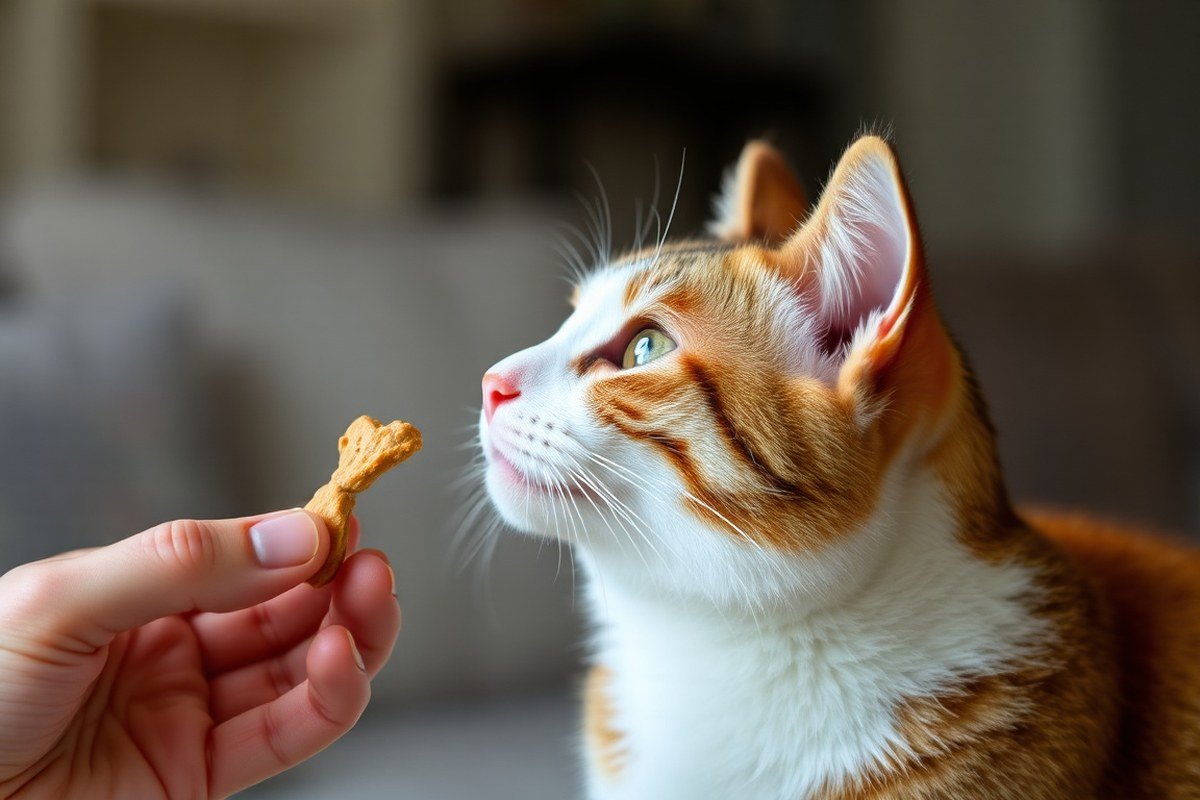
Cats learn to recognize their names through a process of repeated sound association combined with positive outcomes. They do not just pick up on the tone but can distinguish the specific sounds of their names from other words. This happens when you consistently say their name in the same way and follow it with something rewarding, like a treat or affectionate petting. Using a warm, affectionate voice helps, as cats are sensitive to tone and link it to positive emotions.
To teach your cat their name, start by calling it clearly and once or twice, then immediately offer a treat or engage in a favorite play session. Keep training sessions short, about five minutes daily, and use a calm, cheerful tone. Names with two syllables and ending in a higher-pitched sound tend to be easier for cats to recognize and respond to. Consistency matters; always pronounce the name the same way to avoid confusing your cat.
Positive reinforcement drives learning because cats respond better when they expect a reward. If your cat doesn’t consistently experience something good after hearing their name, they may ignore it. Clicker training can accelerate this learning by creating a clear connection between the sound of their name and a reward. In households with multiple pets or family members, cats can even learn to identify names of other animals and people, showing their impressive ability to process different sounds.
Although it takes patience, most cats learn to reliably respond to their names within one to two weeks of consistent practice. Results improve when training feels like a fun and loving interaction rather than a command. You’ll notice your cat turning their head, coming over, or showing attention when you call their name gently and positively.
How Long It Takes for Cats to Learn Their Names and What Affects It
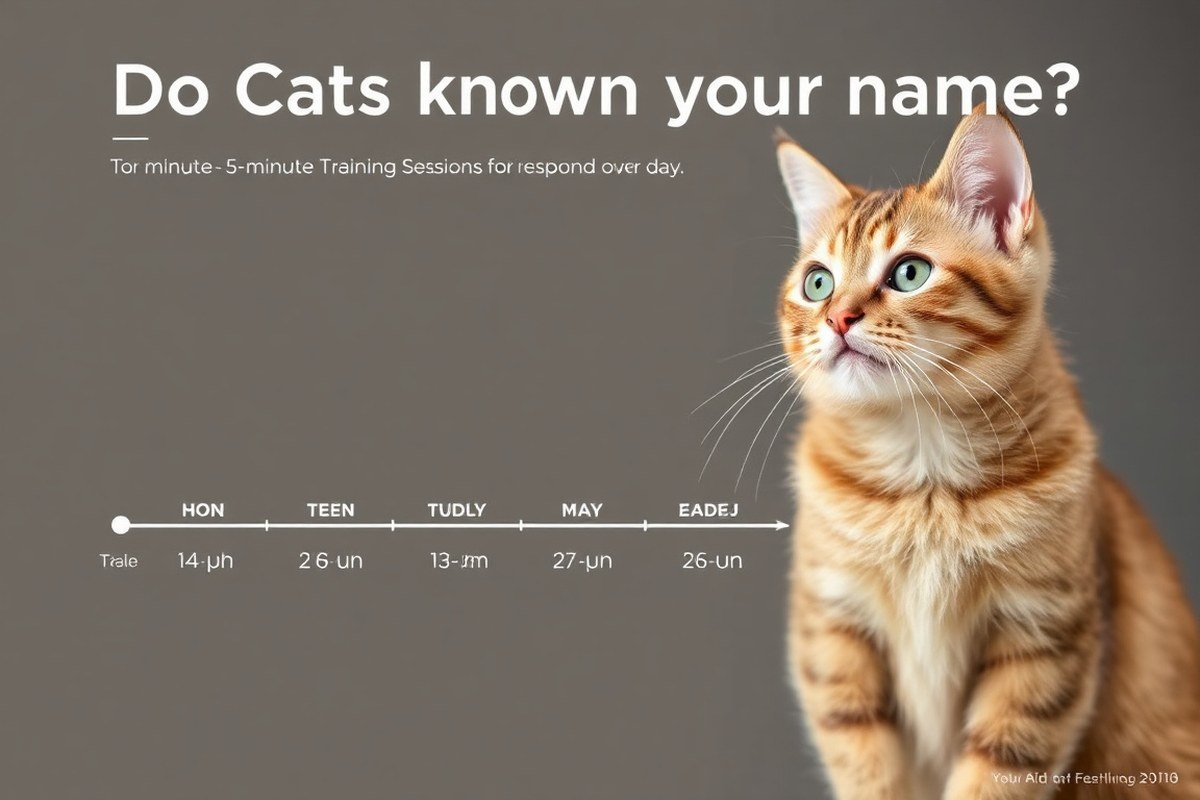
Most cats learn their names within two to four weeks of consistent training. This training involves calling their name regularly and immediately rewarding them with treats, petting, or play to strengthen the association. A typical timeline starts with calling the cat’s name multiple times a day, offering a reward each time they look or respond, then gradually increasing the time between rewards as they become more reliable.
Several factors influence how quickly a cat learns to recognize its name. Age plays a role, but cats can learn at any stage, including adult cats newly adopted from shelters. The environment also matters a lot. Cats in Multi-cat households might take longer to respond consistently since they hear multiple names and may become confused or distracted. Cats that receive a lot of varied attention, like those in busy homes or cat cafés, may show slower or less consistent responses due to less consistent interaction.
The training method affects success too. Using positive reinforcement by immediately giving a treat or affection when the cat responds yields the highest success. Consistently using the same simple, one-to-two-syllable name helps cats learn faster. Avoid punishment-based methods like scolding or spraying water, which not only slow learning but can cause fear. Repeating the name calmly and rewarding attention keeps training positive.
For example, call your cat’s name in a calm voice and right after they look at you, offer a small treat like a nibble of dry food or a favorite snack. Repeat this session for about five minutes, two or three times daily. After about two weeks, many cats will start responding consistently. If you live with multiple cats, use individual training sessions for each to avoid confusion and reinforce name recognition. In such cases, expect progress to be slower, maybe four weeks or more.
Why Do Some Cats Ignore Their Names?
Cats often ignore their names not because they don’t recognize them, but because they decide whether responding suits their mood or interest. This selective hearing is a natural behavior inherited from their ancestors, who evaluated if a sound meant potential danger, food, or nothing worth their attention. Your cat may hear you but choose to ignore if they feel relaxed, distracted, or uninterested. A cat’s reaction depends heavily on the emotional bond it shares with you. Cats with strong bonds are more likely to respond promptly, viewing their owner’s voice as meaningful and worth attention.
Environmental distractions also play a major role. If your home is noisy or the cat is focused on a toy, prey outside, or another pet, they may simply prioritize those stimuli over your call. To improve your cat’s response, start by calling their name in calm, quiet settings and pair it with a treat or affection immediately after they look at you. This positive reinforcement helps them connect the sound of their name with something rewarding.
Sometimes, a cat from a shelter or multi-pet household might have a history of inconsistent name use, causing confusion. In those cases, repeat their current name consistently for weeks. Use a gentle, inviting tone instead of shouting or sudden calling, which can make cats wary or stressed. Expect that it might take from a few days to several weeks for your cat to respond reliably, depending on their personality and past experiences.
When cats choose not to respond, it’s rarely about defiance but often a matter of motivation and context. Make your name-calling moments short and sweet, aligned with mealtime or playtime, to build positive associations. By understanding your cat’s mood and environment, you can encourage more frequent responses without forcing interaction.
Changing a Cat’s Name: When and How to Do It Safely
Yes, you can rename a cat, but it’s best to decide carefully before making the change. Change your cat’s name only if the current one causes stress, such as names associated with negative experiences like “vet” or “carrier.” Consider the cat’s age and how well they already respond to their name. Renaming a very young kitten or a cat with no strong name association causes less confusion than switching a name a mature cat knows well.
To Retrain your cat to a new name, start by choosing a simple, distinct name like “Max” or “Luna” to help your cat distinguish it from background noise. Find quiet times when your cat is naturally alert, such as dawn or dusk. Sit close to your cat and say the new name clearly for about 5 minutes each day, pairing it immediately with a small treat or gentle praise. For example, say “Luna” then offer a treat. Repeat this for 1 to 2 weeks. Consistency and positive association are key.
During training sessions, avoid pairing the new name with anything your cat might find stressful. Observe your cat’s reaction carefully; a “knowing look” or approaching you shows they recognize the name. If progress stalls, do not increase volume or pressure, repeat calmly at a different time. Keep treats small and tasty but healthy to maintain your cat’s interest without overfeeding.
Expect some confusion in the first few days, especially if you switch names suddenly. A prolonged, gentle approach helps your cat Link the new name with rewards and affection. Avoid mixing old and new names during training to prevent mixed signals. After your cat responds reliably for about a week, introduce the name in different contexts, like play or meal times, to strengthen recognition across environments.
Training Tips for Getting Your Cat to Respond to Their Name
Teaching your cat to respond to their name revolves around Positive reinforcement and consistency. Each time you say your cat’s name, immediately follow it with a reward like a small treat, a favorite toy, or gentle petting within 1 to 2 seconds. This quick connection helps your cat associate their name with positive experiences, increasing the chances they’ll respond.
Start training sessions when your cat is alert but calm, avoiding times when they are deeply asleep or overstimulated. Call their name in a clear, friendly tone without shouting or repeating it rapidly, which can cause confusion or annoyance. Use only one version of their name during the training period to build clear recognition, avoiding multiple nicknames that dilute learning.
Managing training in multi-cat households requires attention to each cat individually. Call one cat at a time, reward only that cat immediately, and avoid calling multiple cats together. This prevents competition and helps each cat focus on their own name. In single-cat homes, training is simpler because all attention is on one feline.
- Say your cat’s name clearly, then reward within 1-2 seconds.
- Use a consistent name; avoid nicknames during training.
- Train when your cat is calm and alert, not sleepy or agitated.
- In multi-cat homes, call and reward one cat at a time.
- Avoid calling repeatedly in frustration; give space between attempts.
- Use treats or toys your cat really likes to motivate response.
- Keep training sessions short, about 5 minutes, several times a day.
Common mistakes include calling the cat’s name without following up with rewards, calling them repeatedly without giving them a chance to respond, or using multiple nicknames that confuse the cat. Fix these by staying patient, being consistent, and using positive reinforcement only when your cat shows a clear reaction to their name. Over time, your cat will understand that their name signals good things and may choose to respond to it in their own way.
Step-by-Step Action Plan to Get Your Cat to Recognize Their Name
Start building a clear and positive connection between your cat and their name with this straightforward approach.
- Before You Start: Choose a distinct, simple name that sounds different from common household words to avoid confusion.
- Day 1: Say your cat’s name softly while offering a favorite treat immediately after. Watch for signs of recognition, like ear or eye movement.
- Days 2, 5: Repeat this at least 3, 4 times daily during calm moments. Your cat should start showing signs of acknowledging their name by looking at you or pausing.
- Week 2: Begin using your cat’s name followed by a play session or petting as a reward. Notice if your cat approaches or responds more quickly.
- Week 3: Test their response without treats occasionally, using praise or gentle pets as reinforcement. Response consistency shows good learning progress.
- After 4 Weeks: Use the name in different settings and tones to confirm your cat recognizes it beyond the training environment.
- Ongoing: Avoid using the name harshly or only in negative situations; keep associations positive to maintain responsiveness.
Frequently Asked Questions
Can Cats Recognize Their Names When Called by Strangers?
Yes, studies show cats recognize their names even when strangers call them, indicating name recognition goes beyond familiar voices. Positive reinforcement may improve their response to unfamiliar callers.
Do Multiple Pets in a Home Affect a Cat’s Ability to Learn Names?
In homes with multiple animals, cats often pick up not just their own names but also the names of other pets and people, which helps improve their social interactions.
How Do Cats’ Ears Help Them Respond to Their Names?
Cats’ ears swivel almost 180 degrees independently, allowing them to detect and localize sounds like their names more accurately amidst background noise.
Does the Length or Complexity of a Cat’s Name Impact Recognition?
Cats find it simpler to recognize short, clear names such as Max or Luna since these stand out more sharply against everyday sounds than longer or complicated names.
Can Cats Learn New Names After They Are Adults?
Yes, adult cats can learn new names with consistent training, but it often takes patience and positive reinforcement over a couple of weeks.
Wrapping Up
Cats can recognize their names when you consistently connect the sound with positive experiences. Start by using their name daily in gentle, rewarding moments, and you’ll likely see them respond more often. Try calling your cat’s name calmly during feeding or playtime and observe their reaction to build that recognition over time.