Why Do Cats Drool? Key Causes, Health Tips & When to Act
Why do cats drool? Cats may drool normally when they’re relaxed or happy, but excessive or sudden drooling often signals health issues. Watch for drooling lasting more than 24 hours or accompanied by other symptoms like reluctance to eat, which means it’s time to act.
Start by checking your cat’s mouth for sores or bad breath because dental problems are a common cause of drooling. If your cat seems unwell, seek veterinary care promptly.
Key Takeaways
- Relaxed petting can cause brief, happy drooling that’s normal for some cats.
- Dental disease affects up to 85% of cats over three years and often leads to drooling.
- Sustained drooling over 24 hours or sudden onset should prompt immediate veterinary attention.
- Reluctance to eat or close the mouth alongside drooling may indicate oral infection or injury.
- Stress and anxiety can trigger drooling, so monitor behavior changes when your cat seems fearful.
- Toxins or poisons cause urgent drooling emergencies requiring rapid professional help.
What Causes Cats to Drool Normally and When Happy
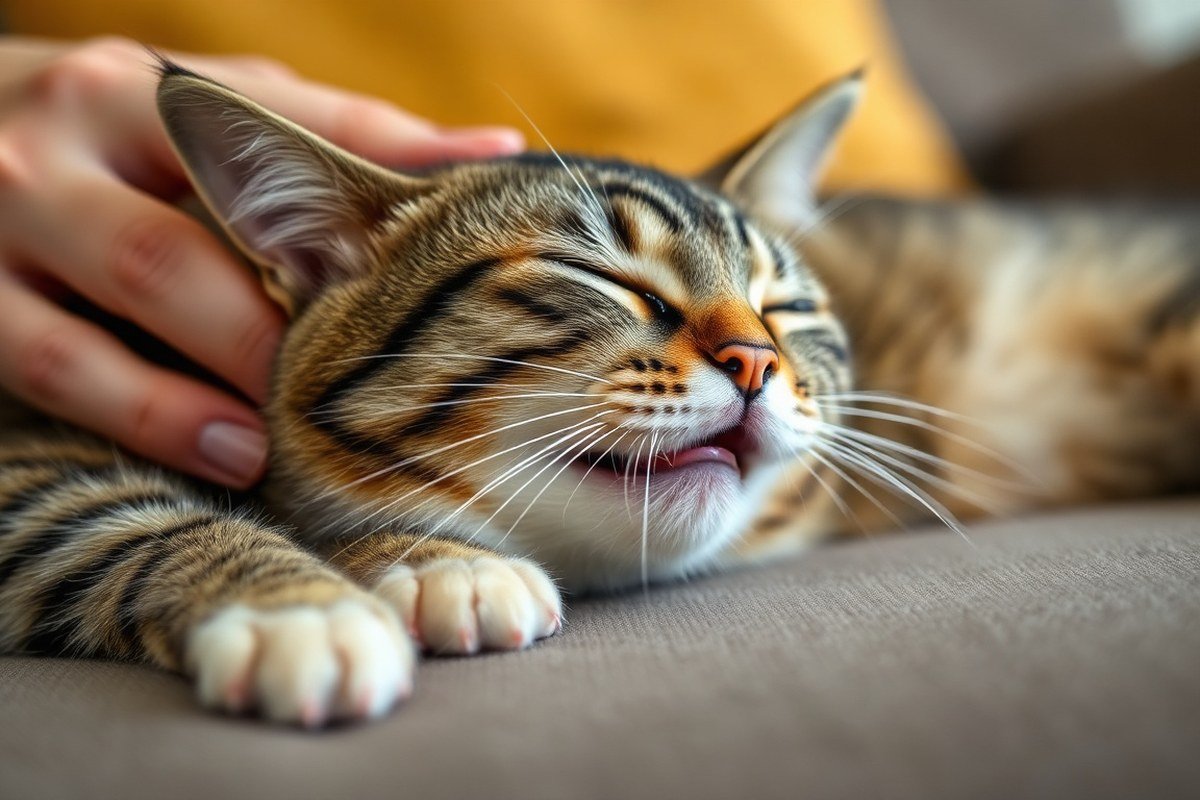
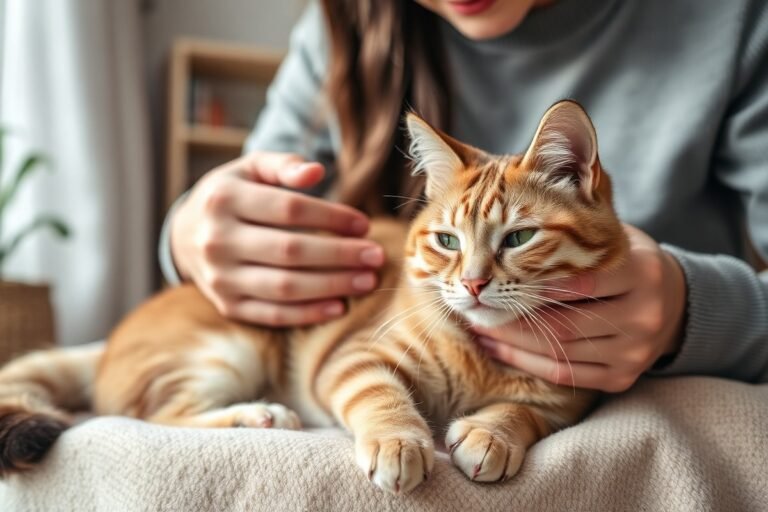
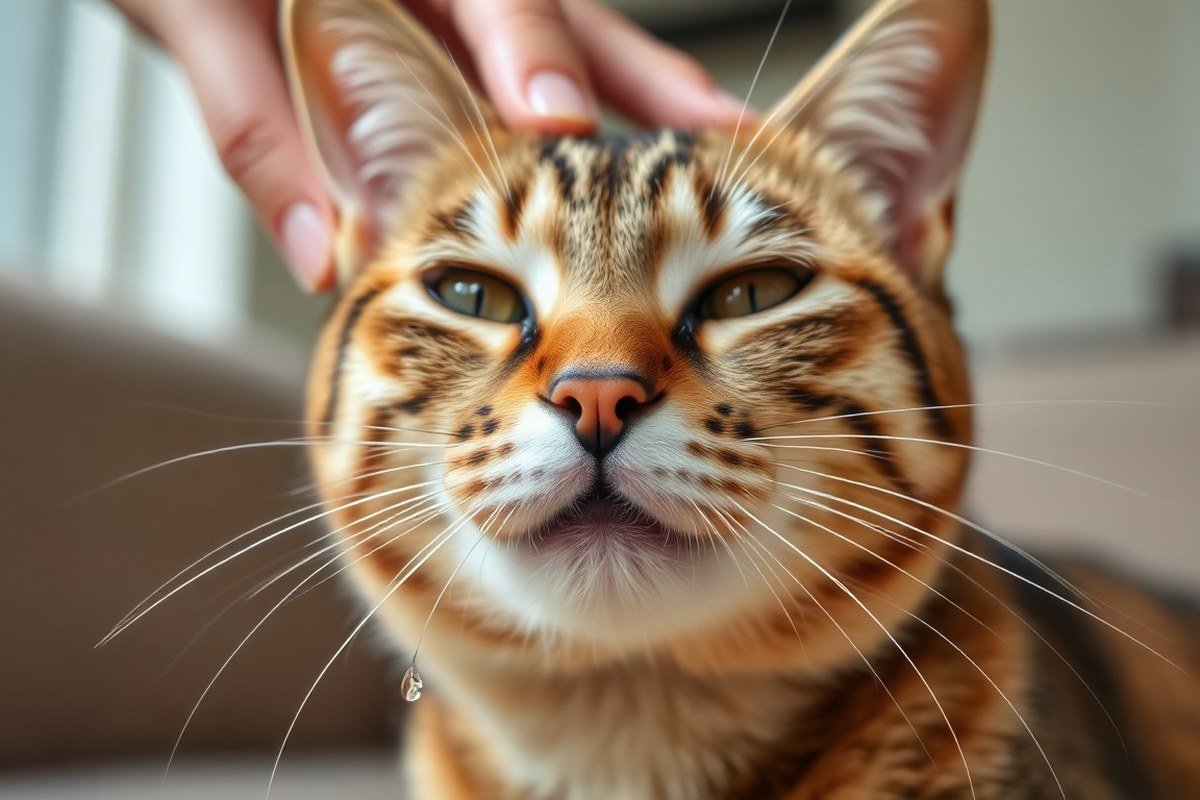
Drooling in cats during moments of happiness and contentment is a recognized but relatively uncommon behavior. Some cats produce a small amount of saliva when they’re purring, kneading, or being gently petted, which many owners notice as “happy drooling.” This is thought to connect to kitten nursing behavior, where kittens drool and knead their mother’s belly while nursing. Adult cats may carry this over as a sign they feel safe and relaxed.
Not all cats drool this way. Those who do might start very young and continue into adulthood when relaxed or being massaged. The amount of drool tends to be light and brief, mainly during or shortly after petting sessions, unlike constant drooling that signals health problems. This mild drooling may happen because relaxed cats have fewer oral muscles tensed, allowing saliva to spill slightly.
During petting, you might notice drooling combined with purring and kneading pads, indicating pleasure. At other times, such as sleeping or calmly resting without interaction, most cats do not drool. Your cat drooling when purring or being petted is typically a sign of comfort, not a problem.
Managing this happy drooling involves keeping your cat’s head slightly improve during petting and promptly wiping away excess saliva to prevent damp fur or skin irritation. Providing a soft, absorbent blanket in your cat’s favorite resting spot can also help keep them comfortable. Since drooling linked to contentment doesn’t involve bad breath or other signs, vets usually consider it normal during wellness checks.
Your cat’s tendency to drool happily varies based on its breed, personality, and early life experiences. Cats that only drool under these calm conditions generally don’t need medical evaluation for that sign alone. Watching for changes, such as more frequent, thicker drool, or drooling paired with pawing at the mouth, helps you know when to seek veterinary advice instead.
Common Medical Reasons Cats Drool Excessively
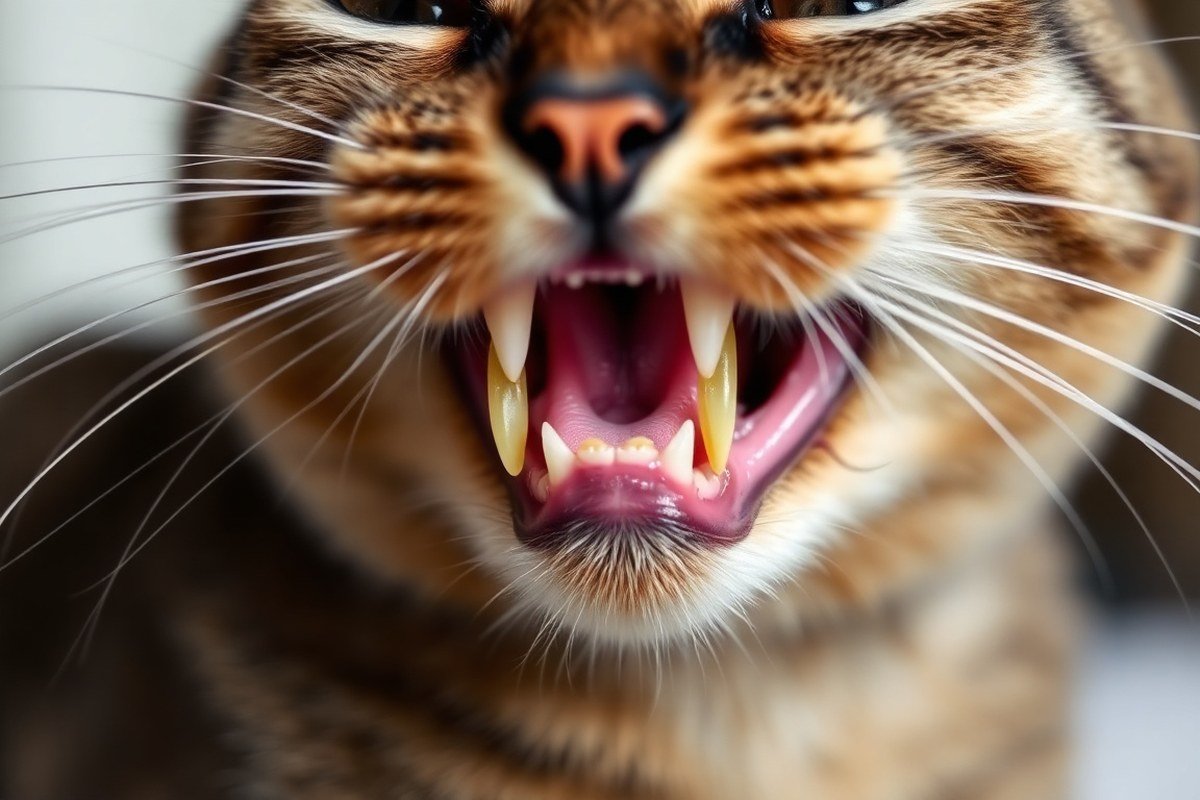
Dental disease is a leading cause of excessive drooling in cats. Common conditions include gingivitis, tooth decay, and feline resorptive lesions (also called feline odontoclastic resorptive lesions or FORL). These cause significant pain, making cats salivate more. You can recognize dental problems by looking for red or swollen gums, bad breath, difficulty eating, pawing at the mouth, or visible tooth damage. Drooling accompanied by these signs often points to an oral pain issue.
Oral ulcers, tumors, and injuries may also cause drooling. Mouth ulcers can form from infections or viral illnesses and cause discomfort that triggers excess saliva. Oral tumors, though less common, may interfere with swallowing and cause drool to pool. Foreign objects like plant material or small bones stuck between teeth or gums can be painful and induce drooling. To identify an oral injury or lodged object, check for sudden changes such as bleeding, visible swelling, pawing at the mouth, or drool mainly on one side. Persistent or worsening signs after a brief assessment require veterinary evaluation.
Nausea and gastrointestinal upset are other medical reasons for drooling. Cats often produce more saliva right before vomiting or during motion sickness. This response may come with licking lips repeatedly, restlessness, or a decreased appetite. Look for drooling along with nausea symptoms, such as retching or loss of interest in food, to distinguish this cause from oral issues.
Using symptoms to sort causes helps you decide when to act: dental disease often shows gum redness and bad breath, oral injuries show localized pain signs, and nausea comes with appetite changes and retching. Exams can cost $50 to $150 or more depending on location and tests. Early detection prevents worsening pain and complications while improving your cat’s comfort. Persistent or severe drooling always warrants veterinary advice to rule out serious disease or injury.
How Stress, Anxiety, and Fear Trigger Drooling in Cats
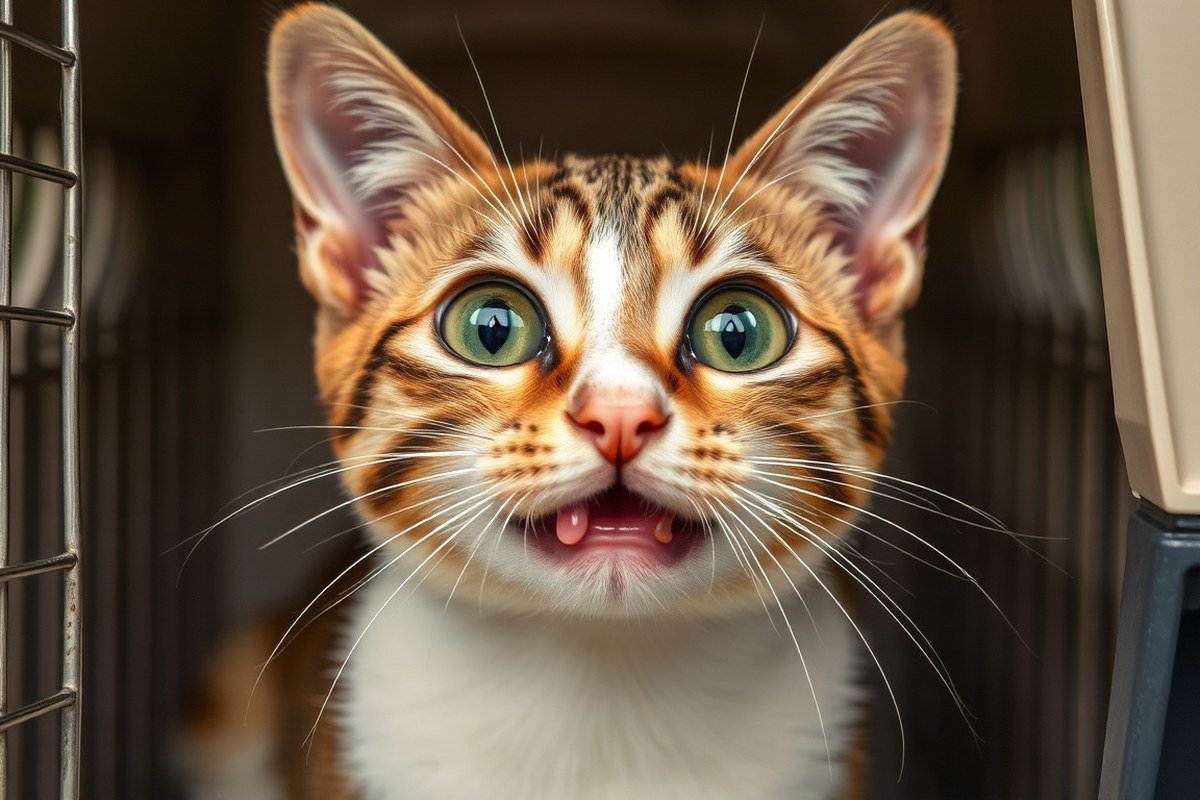
Stress, anxiety, and fear can trigger drooling in cats by activating their fight-or-flight response. During stressful situations like vet visits or car rides, cats may produce excess saliva due to nervousness or motion sickness. These common triggers create an unsettled state that leads to noticeable drooling, even if the cat appears physically healthy otherwise.
Distinguishing stress-related drooling from drooling caused by medical issues is key. Stress drooling usually appears during or shortly after Specific fearful events like thunderstorms, introduction of new pets, or moving day. The drooling tends to be temporary and may accompany other signs of anxiety such as pacing, hiding, or vocalizing. In contrast, medical drooling often continues consistently and may be paired with other symptoms like bad breath, pawing at the mouth, or lethargy.
| Drooling Trigger | Stress-Related Drooling | Medical-Related Drooling |
|---|---|---|
| Timing | Occurs during/following stressful events like car rides or vet visits | Persistent over days or weeks |
| Other Signs | Anxiety behaviors, hiding, vocalizing, restless movement | Mouth pain, bad breath, swelling, lethargy |
| Duration | Temporary, resolves when stressor is removed | Continuous or worsening without treatment |
To reduce drooling caused by anxiety or fear, prepare your cat for known stressors. For car rides, limit the duration, keep the carrier covered with a breathable cloth, and use calming pheromone sprays inside the carrier to create a soothing atmosphere. At the vet, ask if early or quiet appointment times are possible to reduce exposure to stressful stimuli. Providing a familiar blanket or toy can also help your cat feel more secure.
During storms or other loud events, offer a safe, quiet room with dim lighting and soft music to mask outside noise. Consistent routines and gradual exposure to mild stressors can help some cats build resilience over time. Consult your veterinarian if your cat’s anxiety seems severe; they may suggest behavior therapy or safe calming supplements.
Toxins, Poisons, and Other Urgent Causes of Drooling
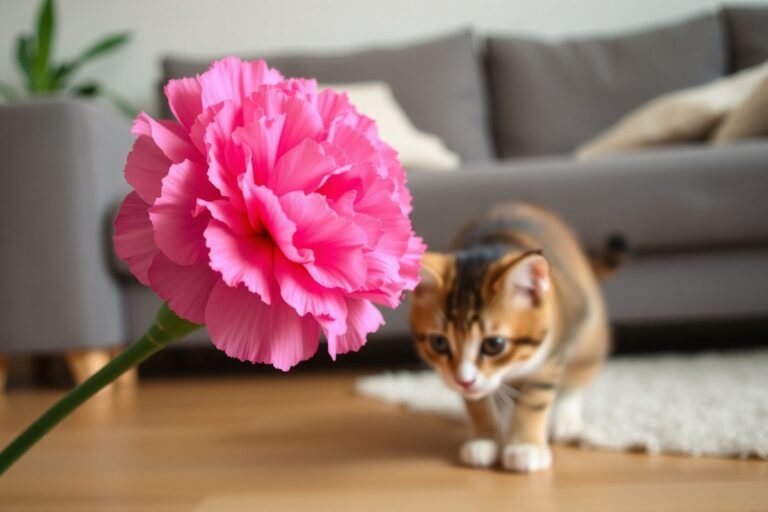
Sudden and heavy drooling in cats can signal exposure to dangerous toxins such as certain plants, household chemicals, or medications. Common toxic plants include lilies, which contain insoluble calcium oxalate crystals that cause painful mouth irritation. Many common cleaning agents, antifreeze, and human medicines are also hazardous. Your cat needs immediate care if it starts drooling heavily after contact with these substances. Strong drooling combined with difficulty breathing, collapse, seizures, lethargy, or refusal to eat signals a medical emergency requiring veterinary care without delay.
To recognize if poisoning occurred, watch for signs beyond drooling, such as pawing at the mouth, vomiting, weakness, abnormal behavior, or respiratory distress. Notice these signs or suspect your cat swallowed something harmful, even with mild symptoms, and call your vet or the Pet Poison Helpline at 855-764-7661. Provide details about the suspected toxin, amount, and time of exposure. Keep any packaging to assist the vet.
During an emergency, do not induce vomiting or give home remedies unless directed by a professional. Transport your cat quickly but safely to an emergency vet, especially if breathing problems or seizures are present. Emergency care may include activated charcoal to bind toxins, intravenous fluids, or specific antidotes. Treatment costs vary widely but acting fast improves your cat’s chances of recovery and reduces complications. Immediate veterinary care can prevent severe damage or death from poisoning.
What to Do When Your Cat Starts Drooling Excessively
When your cat starts drooling excessively, a calm and careful approach can help you decide the best course of action. Begin by safely checking your cat’s mouth for any obvious signs like redness, swelling, wounds, bad breath, or foreign objects. This can provide important clues about the cause of the drooling. If the drooling is mild and your cat seems otherwise healthy, simple home care may ease the situation. Still, contact your veterinarian if drooling is new, constant, or accompanied by symptoms such as bad breath, mouth pain, loss of appetite, or changes in behavior. Follow these steps to inspect your cat’s mouth safely and provide basic care:
- Prepare your cat: Find a quiet spot and gently hold your cat in your lap or on a stable surface. Speak softly to keep them calm and relaxed.
- Use good lighting: A bright room or a flashlight can help you see inside the mouth clearly.
- Lift the lips gently: Using your thumb and index finger, carefully lift the lips to check the gums, tongue, and teeth. Look for redness, swelling, sores, or unusual objects.
- Watch your cat’s reaction: If your cat shows signs of pain or distress, stop immediately to avoid injury to you or your cat.
- Clean the area if possible: Use a damp, soft cloth to gently wipe away drool or debris around the mouth.
- Offer water: Encourage your cat to drink water to help cleanse the mouth and ease dryness.
- Monitor your cat: Keep an eye on drooling patterns and any changes in eating, drinking, or behavior over the next 24 to 48 hours.
Home care is usually enough if your cat drools mildly, stays active, eats well, and does not show other symptoms. Mild drooling might improve with hydration, comfort, and avoiding stressful situations. Avoid giving human medications, and do not attempt to induce vomiting or force treatments without veterinary advice. Call your vet promptly if drooling increases, persists beyond two days, or if you notice signs like foul mouth odor, reluctance to eat, vomiting, or lethargy. Early veterinary care can prevent complications and identify issues that require professional treatment.
When to Contact Your Veterinarian About Cat Drooling
Contact your veterinarian immediately if your cat’s drooling is sudden, heavy, or paired with other concerning signs. This includes difficulty eating, refusing food, or showing lethargy. Rapid intervention can prevent serious complications when drooling signals an underlying health issue like oral pain or poisoning.
For ongoing drooling without urgent signs, call your vet within 24 hours. Monitor your cat’s behavior closely to track changes such as appetite loss, increased tiredness, or respiratory symptoms. These developments can raise the urgency of care needed.
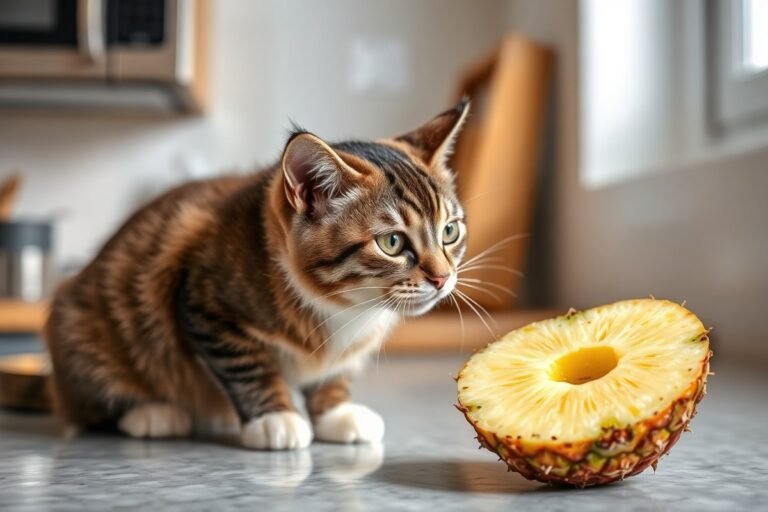
Gather detailed information before the vet visit to speed diagnosis. Include when the drooling started, any exposure to toxins or strange foods, changes in eating or drinking habits, and other symptoms like eye pain or bad breath. Provide your cat’s full medical history to help identify potential causes efficiently.
- Sudden excessive drooling with mouth drooping or foul odour, call vet immediately
- Drooling plus loss of appetite, lethargy, or difficulty eating, seek same-day care
- Presence of respiratory distress or painful eyes alongside drooling, emergency vet attention
- Ongoing mild drooling without other symptoms, schedule a vet visit within 24 hours
- Exposure to a known toxin or biting animal, urgent professional evaluation
- Cats with known dental disease showing worsening drooling, prompt checkup
Decision timelines depend on your cat’s overall condition. Immediate vet visits often cost from $100 to $300 for emergency exams, which can be higher depending on needed diagnostics like blood work. Early treatment improves outcomes, while delays might worsen health issues, increasing costs and recovery time.
Step-by-Step Action Plan to Manage Your Cat’s Drooling
Follow these steps to address your cat’s drooling quickly and effectively, ensuring their comfort and health.
- Immediately: Remove any toxic plants, chemicals, or questionable foods from your cat’s environment to prevent poisoning. Watch for any signs of improved drooling or alertness within a few hours.
- Within 24 hours: Check your cat’s mouth for visible issues like dental problems or foreign objects. If you spot swelling, bad breath, or wounds, schedule a veterinary visit. Notice if drooling decreases or your cat eats and drinks normally.
- During the first 3 days: Keep your cat calm and provide a quiet space to reduce stress-induced drooling. Monitor changes in drooling frequency and observe their behavior for signs of anxiety.
- Within the first week: Note any triggers like new food, toys, or situations that seem to worsen drooling. Try removing or adjusting these to see if symptoms improve.
- By one week: If drooling continues without clear cause or worsens, contact your veterinarian for a professional evaluation, especially if accompanied by other symptoms such as vomiting, lethargy, or loss of appetite.
- After veterinary advice: Follow recommended treatments closely, whether medication, dental care, or stress management. Track your cat’s progress to report back during follow-ups.
Frequently Asked Questions
Why Do Some Cats Drool When They Sleep?
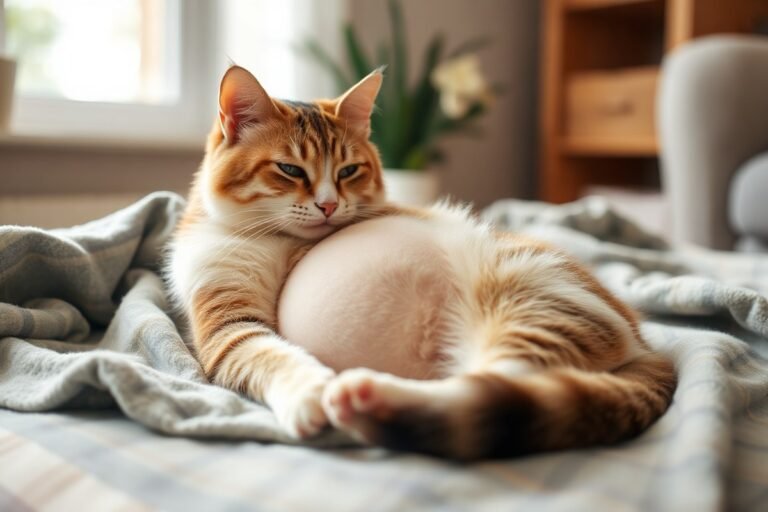
Some cats drool during sleep because they feel very relaxed and comfortable, which can cause saliva to pool and escape. It’s usually harmless if it happens occasionally without other symptoms.
Can Cat Drooling Be a Sign of Nausea?
Yes, drooling can indicate nausea in cats, often caused by digestive upset or toxins. If drooling comes with vomiting or appetite changes, veterinary care is needed.
Does Catnip Always Cause Drooling?
Not all cats drool from catnip, but many do because it stimulates their pleasure receptors. Drooling with catnip is a normal response linked to happiness.
Can Aging Cause Increased Drooling in Cats?
Aging cats might drool more often due to dental problems or medical conditions common in older cats. Regular vet checkups help catch these issues early.
Is Drooling Normal During Cat Grooming?
A little drooling while grooming can happen because saliva production increases. Excessive drooling during grooming might mean irritation or dental problems.
Before You Go
Cat drooling often signals an underlying issue that you can address by observing and responding quickly. Your next step is to examine your cat’s environment and health status carefully, focusing on any changes that coincide with drooling episodes. Taking early action helps protect your cat’s wellbeing and keeps them comfortable and happy.