Do Cats Get Colds? A Complete Guide to Symptoms, Causes & Care
Do cats get colds like humans? Yes, cats can catch colds, which are mostly caused by viral infections similar to human colds. These infections usually clear up on their own within a week to 10 days. To help your cat recover, keep them warm and comfortable, providing a cozy resting spot away from drafts.
Key Takeaways
- Most cat colds are caused by feline herpesvirus and calicivirus, responsible for about 90% of cases.
- Typical cat cold symptoms appear within 2 to 6 days after viral exposure.
- Most mild colds resolve on their own within 7 to 10 days without needing medication.
- Using a humidifier or bringing your cat into a steamy bathroom for 10-15 minutes can ease congestion.
- A cat’s normal temperature ranges roughly from 100°F to 102°F, requiring warm environments around 77°F for comfort.
- Many cats remain lifelong carriers of herpesvirus, shedding the virus again when stressed.
Do Cats Get Colds Like Humans?
Cats can catch respiratory illnesses that resemble human colds, although these are caused by different viruses. “Cat cold” often describes an upper respiratory infection characterized by sneezing, coughing, watery eyes, and discharge from the nose. Since these signs mirror those of a cold in people, the comparison is commonly made.
Most cat colds result from viral infections specific to cats, mainly feline herpesvirus and feline calicivirus, which account for about 90% of cases. These viruses are host-specific and cannot be transmitted to people. That means your cat won’t catch your cold, nor do you catch a cat cold from them. The way cats catch these colds usually involves contact with other infected cats, such as in shelters or boarding facilities.
Unlike human colds, which typically involve many different cold viruses, cat colds come from a narrow range of feline-specific viruses. These viruses can remain dormant in a cat’s system and reactivate due to stress or other illnesses. Although the symptoms are similar between cats and humans, the viruses are different, so treatment approaches must also differ. While humans self-treat many colds at home, cats may require veterinary care if symptoms worsen, especially since cat colds can sometimes lead to complications.
Recognizing Common Symptoms of Cat Colds
A cat cold typically shows up through a combination of respiratory and eye-related symptoms. Sneezing often signals the start, sometimes accompanied by clear nasal discharge, lethargy, or mild congestion. Most cats with mild colds remain alert, continue eating, and bounce back within 7 to 10 days, especially with gentle care at home.
Distinguishing between mild and severe colds means watching how your cat’s symptoms change over time. A fever over 102.5 degrees Fahrenheit, yellow or green discharge from the eyes or nose, refusal to eat for more than 24 hours (especially in kittens or seniors), or signs of eye pain are warnings that the illness is worsening. These call for prompt veterinary attention.
- Sneezing and clear nasal discharge; still eating and alert, watch at home
- Mild congestion that’s improving, watch at home
- Yellow or green discharge from nose or eyes, call the vet
- Symptoms worsening instead of improving, call the vet
- Squinting, cloudy, or painful eyes, see a vet the same day
- An adult cat that hasn’t eaten for 24 hours needs prompt attention, and kittens or older cats that stop eating should be taken to a veterinarian right away.
- Open-mouth breathing, rapid panting, or struggling to breathe requires emergency veterinary care immediately.
Watching your cat closely allows you to act early and avoid complications like bronchopneumonia. Many cats recover fully with some supportive care like keeping them warm, hydrated, and stress-free. Severe colds may take weeks to resolve, so patience and vigilance are key to spotting any troubling developments as soon as they appear.
What Causes Cat Colds and How They Spread
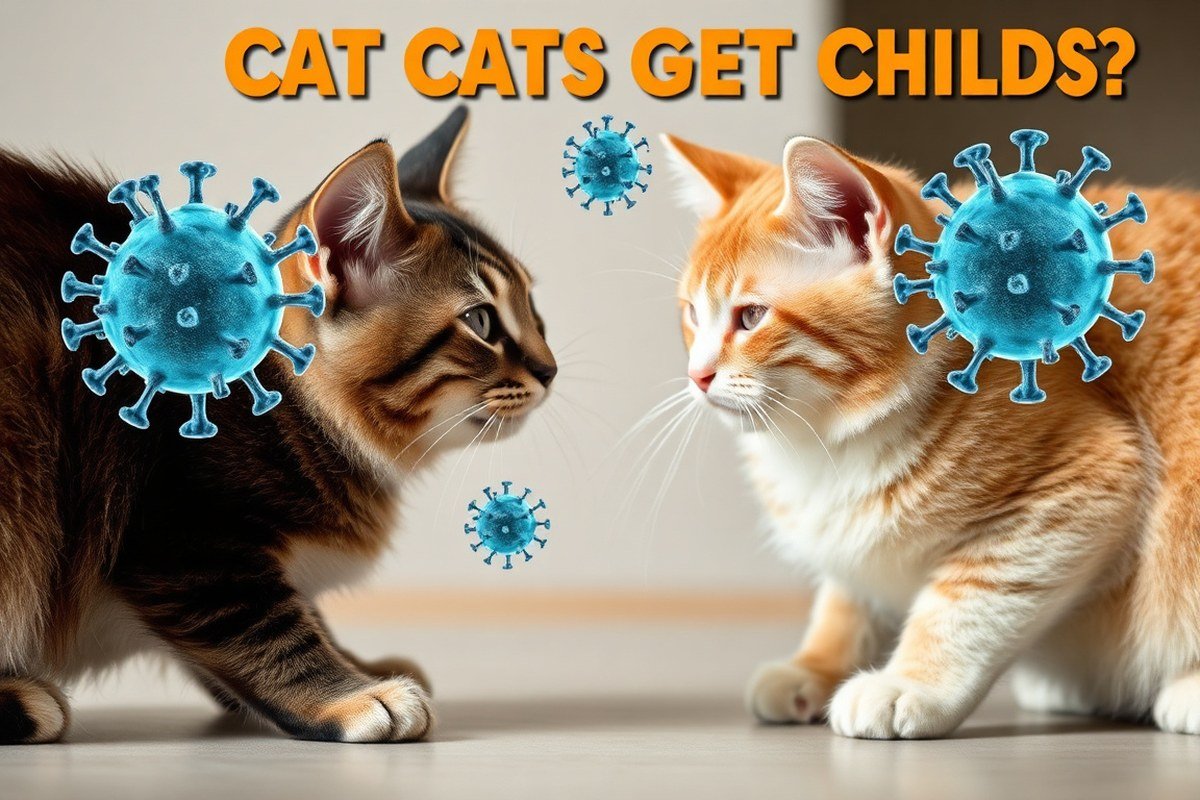
Cat colds are primarily caused by viral infections, with the most common culprits being the Feline Herpesvirus (FHV-1) and Feline Calicivirus (FCV). These viruses specifically affect cats and are different from the viruses that cause colds in humans. Humans cannot catch or transmit cat colds, and the reverse is also true. However, cats catch these infections easily from contact with other infected cats.
Transmission happens mainly through close contact. Cats often spread viruses by grooming one another, licking each other’s faces, or sharing food and water bowls. Viral particles can also survive on hands, clothes, or surfaces, making indirect transmission possible. Indoor cats may catch a cold from a new cat introduced to the household, during stays at boarding facilities, or from germs carried inside by people.
| Virus | How It Spreads | Notes |
|---|---|---|
| Feline Herpesvirus (FHV-1) | Direct contact, grooming, shared bowls | Can remain latent and reactivate during stress |
| Feline Calicivirus (FCV) | Direct contact, contaminated surfaces | Common in multi-cat environments |
Stress and environmental factors increase a cat’s risk of developing a cold. For example, the Feline Herpesvirus can stay dormant and flare up when a cat is stressed by changes like moving, new pets, or even boarding. Outdoor cats face additional exposure to viruses from other outdoor cats. Close living quarters also raise infection risk, making it important to separate sick cats from healthy ones to slow the spread.
Maintaining a clean living space and limiting contact with unfamiliar cats helps lower your cat’s risk of catching a cold. Running a humidifier or sitting with your cat in a warm, steamy bathroom for about 10 to 15 minutes may relieve cold symptoms. The best prevention involves steering clear of sick cats and reducing stress to prevent inactive viruses from flaring up.
How Long Do Cat Colds Last and What to Expect
After your cat is exposed to a cold virus, symptoms typically show up within 2 to 10 days. This period, known as the incubation phase, varies depending on the specific virus and your cat’s immune strength. You might notice sneezing, nasal discharge, and mild fever starting around this time. Most Cat colds last from 7 to 10 days, with symptoms gradually improving as the immune system fights off the infection.
It is common for healthy adult cats to recover fully within this timeframe. Kittens, older cats, or those with weak immunity may experience more severe symptoms and longer recovery periods. Watch closely if symptoms persist beyond 14 days or appear to worsen. Continued sneezing, eye discharge, or loss of appetite could signal a secondary bacterial infection or another health issue requiring veterinary care.
Some viruses causing cat colds, like feline herpesvirus, can become dormant after the initial illness. During periods of stress or immune suppression, the virus may reactivate, leading to recurring cold symptoms. This dormant stage means your cat could experience occasional flare-ups rather than a continuous illness. Keep track of your cat’s symptoms and stress levels to manage these flare-ups effectively.
To decide when to seek veterinary attention, monitor symptom duration and severity. If your cat’s cold symptoms do not show improvement within 10 days or get worse after initially improving, it’s time to consult your vet. Prompt assessment can prevent complications and address any underlying infections that may extend recovery.
Effective Home Care and Treatment for Cat Colds
Caring for a cat with a cold at home focuses on comfort and supporting their immune system. Since no home remedy kills the viruses causing cat colds, your efforts go into ensuring your cat stays hydrated, eats well, and breathes easier. Avoid giving your cat any over-the-counter human cold medicines; many are toxic to cats and offer no benefit. Instead, gently clear your cat’s eyes and nose if there is discharge to help them breathe and eat more comfortably.
Encouraging your cat to eat can be challenging due to congestion and loss of appetite. Offering warmed wet food or adding warm water to dry kibble makes eating easier and more appealing. Wet food also helps with hydration. Maintaining a humid environment aids your cat’s breathing; run a humidifier or create steam by running a hot shower in the bathroom and letting your cat sit nearby (but not in the water). Keep your cat warm and reduce stress by setting up a cozy, quiet resting spot at an ideal temperature of 70 to 75°F.
- Wash your hands before and after caring for your sick cat to prevent virus spread
- Use a soft cloth to gently wipe eye and nose discharge daily
- Warm canned food to around 100°F to improve smell and taste for your cat
- Add small amounts of warm water to food or offer broth (without onion or garlic)
- Keep your home humidified at about 40-50% relative humidity
- Provide fresh water frequently and encourage drinking to prevent dehydration
- Create a warm, quiet resting area away from drafts and loud noises
Watch for worsening symptoms like refusal to eat for more than 24 hours, severe breathing difficulty, or high fever, which require veterinary care. Avoid forcing food or fluids if your cat resists, and never use human medications without vet guidance. With proper home care, many cats improve within one to two weeks, but staying attentive to their comfort and hydration makes a significant difference in recovery quality.
When to Seek Veterinary Help for Your Cat’s Cold
Take your cat to the vet if cold symptoms worsen or don’t improve after about four days. A clear sign is if your cat stops eating for 24 hours or more. Cats rely on regular food intake for energy, so not eating could lead to serious health issues. Difficulty breathing, loud wheezing, gasping, or increased nasal discharge are urgent signs that require immediate veterinary attention. Kittens, seniors, and cats with weakened immune systems face higher risks of complications, so watch them closely and don’t hesitate to seek help.
Veterinarians often start with a physical exam to check your cat’s temperature, breathing, and overall condition. They may run a complete blood count test to rule out other blood-related illnesses. Swabs from the eyes or nose could be taken to identify specific viruses, bacteria, or secondary infections. This thorough approach helps determine the best treatment plan.
If your cat shows signs of a secondary bacterial infection, your vet might prescribe antibiotics, commonly given as oral tablets or topical ointments. Treating secondary infections promptly aids faster recovery and reduces the risk of pneumonia. Your vet may also recommend supportive care such as fluid therapy or medications to relieve severe congestion or fever.
Home remedies like vitamin C or homemade antibiotics lack veterinary support and can sometimes cause harm. Always consult your vet before adding supplements or new treatments, especially if your cat has other health conditions or is on medication. Regularly monitoring your cat’s symptoms and feeding habits will help you decide when to seek professional care. Paying close attention to these key signs ensures you provide timely treatment that can prevent worsening illness and complications.
Step-by-Step Action Plan for Managing Your Cat’s Cold
Follow these steps to help your cat recover comfortably and safely from a cold. Each phase includes clear signs to watch for so you know your actions are effective.
- Day 1: Isolate your cat from other pets to prevent the spread of the infection. Monitor for initial symptoms like sneezing or eye discharge.
- Days 2-3: Keep your cat well hydrated and offer easy-to-eat food. Notice if they are drinking water regularly and eating small amounts.
- Days 3-5: Use a humidifier or take your cat into a steamy bathroom to ease nasal congestion. Check if your cat appears to breathe easier and shows less coughing.
- Days 5-7: Gently wipe away nasal and eye discharge with a warm, damp cloth to keep your cat comfortable. Watch for decreased discharge and more alert behavior.
- After 1 week: Evaluate your cat’s progress. A noticeable improvement in energy and appetite means the cold is resolving. If symptoms persist or worsen, prepare to contact your vet.
- Immediately, if severe symptoms appear: Seek veterinary care if your cat has difficulty breathing, high fever, or stops eating for more than 24 hours.
Frequently Asked Questions
Can Cats Catch Colds from Humans?
No, cats cannot catch colds from humans because the viruses that cause cat colds are specific to cats and do not infect people. Keeping your cat away from sick animals helps reduce their risk of illness.
Can Indoor Cats Get Colds?
Yes, indoor cats can get colds if they come into contact with other cats carrying the virus, such as during visits or if new cats are introduced. Maintaining good hygiene and minimizing exposure to other cats can help prevent outbreaks.
Are Cat Colds Contagious to Other Pets Like Dogs?
Cat colds are not contagious to dogs because the viruses causing these infections are cat-specific and do not infect other species. However, it’s best to keep sick cats separated from other pets to avoid stress and disease spread among cats.
Can Stress Cause a Cat to Develop a Cold?
Stress can weaken a cat’s immune system, making it more susceptible to catching a cold virus or worsening symptoms. Providing a calm environment and reducing changes can help prevent colds or speed recovery.
Do Vaccinations Prevent Cat Colds Completely?
Vaccinations can reduce the severity and frequency of cat colds but do not guarantee full prevention because many viruses can cause upper respiratory infections. Regular vet visits and vaccinations help manage risks effectively.
Before You Go
Cats do get colds caused by viruses similar to humans but require different care tailored to their needs. Watching for symptoms and providing simple home treatments go a long way in easing their discomfort. Start with your cat’s comfort by ensuring hydration and a calm environment, then be ready to consult your vet if the situation doesn’t improve as expected.