Why Do Cats Slaver? Clear Answers and When to Seek Help
Why do cats slaver? Cats often drool as a sign of contentment or anticipation, especially when purring or near food. However, excessive drooling can signal dental issues, oral pain, or other medical problems that need attention. Observing your cat’s behavior and mouth can help you decide when to seek veterinary care.
Key Takeaways
- Normal drooling usually happens during petting or when your cat anticipates eating and requires no action.
- Persistent drooling paired with bad breath often indicates dental disease and needs a veterinary checkup.
- Sudden drooling with lethargy or vomiting suggests toxins or illness; contact your vet immediately.
- Cats chewing electrical cords risk oral burns that cause painful drooling and need urgent care.
- Foreign objects like strings or toy parts lodged in the mouth can cause excessive drooling and discomfort.
- Regularly check your cat’s teeth and gums safely at home for signs of decay or swelling to catch problems early.
Why Do Cats Slaver? Understanding the Common Causes
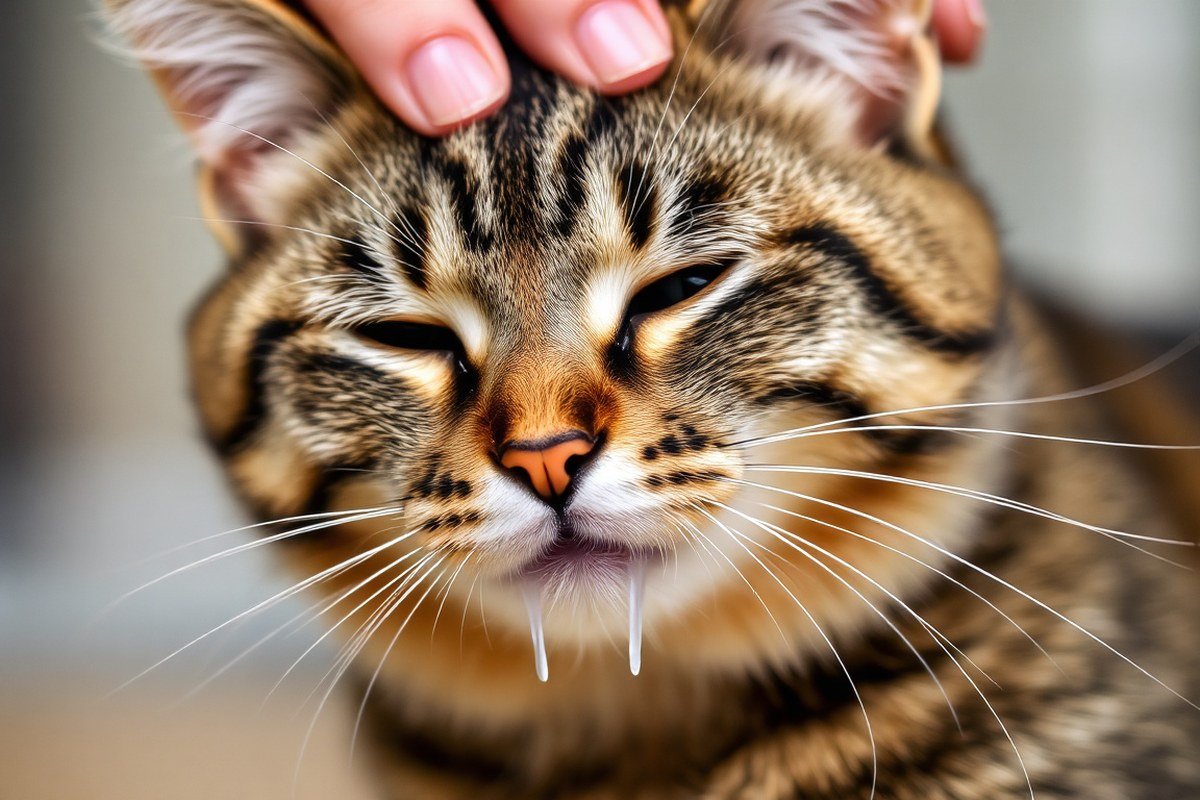
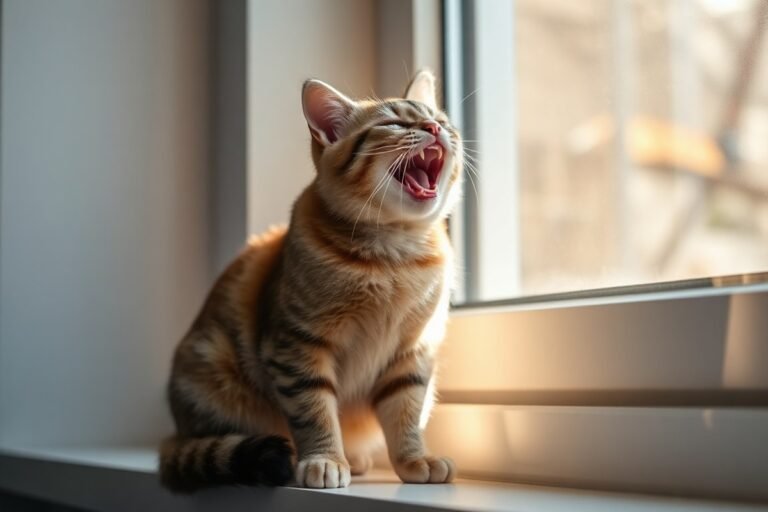
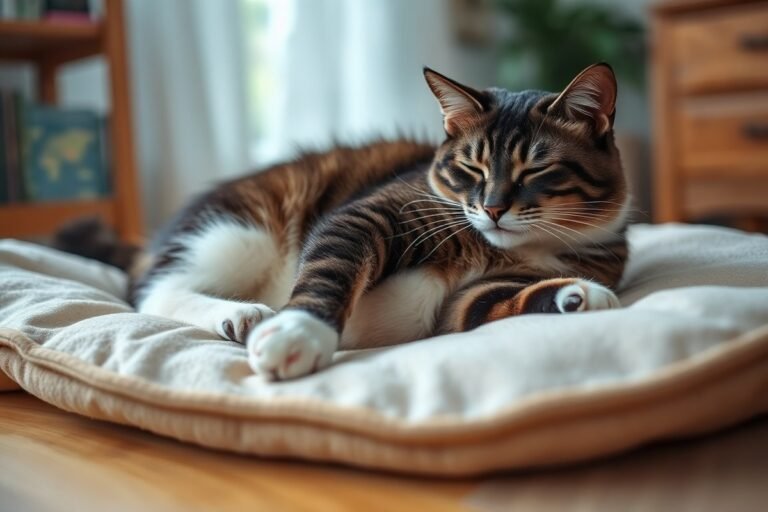
Cats slaver for several normal reasons that usually involve relaxation and positive emotions. Drooling while purring or being petted is a common sign your cat feels safe and content. Some cats even drool when kneading, often called “making biscuits.” This is a physical response linked to happiness, similar to their nursing behavior as kittens. For many cats, drooling begins early in life and continues as a comforting reaction throughout adulthood.
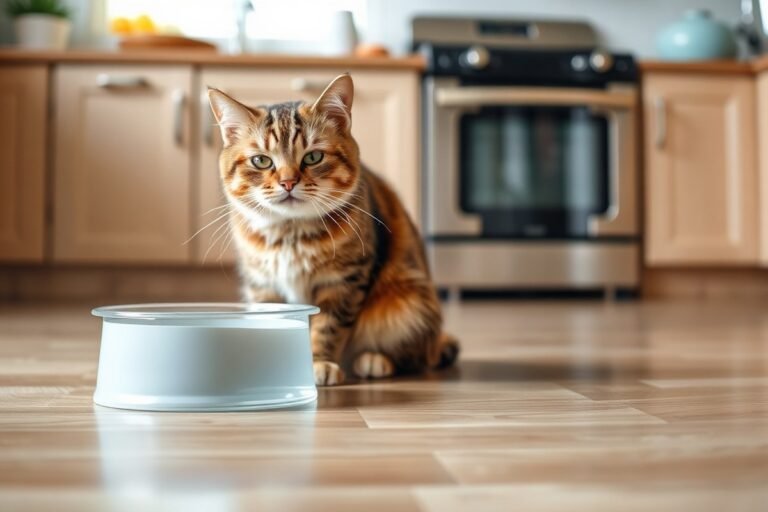
The sight or smell of food often triggers anticipatory drooling. This is a natural reflex preparing their mouth for eating and requires no action on your part. You might notice your cat’s mouth producing some saliva just before mealtime, which is normal and not a cause for concern. Because drooling in cats is less common than in some other pets, it’s a noticeable but generally harmless behavior in happy cats.
Understanding these typical triggers helps you distinguish normal drooling from signs of problems. When drooling occurs alongside purring or relaxed kneading, it’s a positive cue about your cat’s emotional state. However, if drooling appears suddenly or is excessive, especially with other symptoms like lethargy or bad breath, it might indicate illness or discomfort. Normal drooling is usually brief and mild, so a sudden increase or new drooling patterns should prompt a vet visit.
The frequency and amount of drooling will vary by individual cat. Some drool heavily and seem unbothered, while others rarely drool at all. Watching your cat’s behaviour and noting when and how much they drool gives you the best context for deciding if it’s a natural expression of contentment or a sign to check for medical causes at your next veterinary appointment.
Medical and Dental Problems That Cause Excessive Drooling
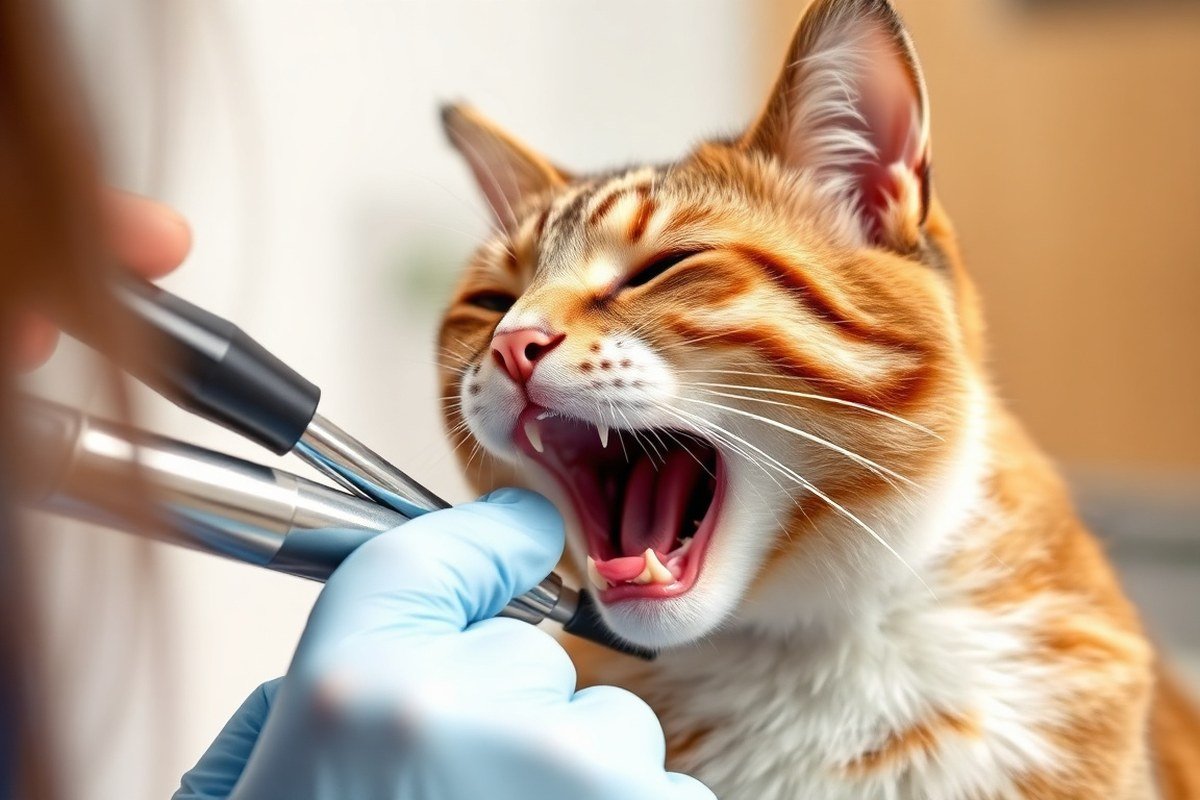
Excessive drooling in cats often points to serious medical or dental issues that require prompt attention. Dental problems are among the most frequent causes. Conditions such as gum disease, tooth decay, and oral infections irritate the mouth lining and cause pain. This pain triggers the cat to salivate more, leading to noticeable drooling. Signs to watch for include bad breath, difficulty eating, pawing at the mouth, and swollen or bleeding gums. A veterinary dental exam typically costs between $200 and $600, depending on whether cleaning, X-rays, or extractions are needed.
Foreign bodies stuck in your cat’s mouth can also cause excessive drooling. Common objects include small bones, cat biscuits, or plant material lodged between teeth or in the throat. When your cat drools and paws at its mouth repeatedly, gently check the oral cavity or throat if possible, but avoid forcing your fingers inside to prevent bites. Foreign object removal often requires sedation and costs vary widely, making a prompt vet visit essential.
Exposure to toxins or poisons may cause a cat to slaver excessively. Some flea and tick treatments designed for dogs, pesticides, or household chemicals can irritate the mouth or cause systemic effects that increase saliva production. Suspecting poisoning means you should avoid home treatments and seek professional help immediately. Contact your veterinarian immediately as timely intervention strongly affects outcomes.
Nausea and broader systemic illnesses contribute to drooling as well. Cats with kidney disease, gastrointestinal issues, internal parasites, or infections often feel nauseous and may salivate heavily. You might notice additional signs like vomiting, lethargy, or reduced appetite. Since nausea-induced drooling points to underlying illness, veterinary diagnosis and tailored treatment are important.
To decide if veterinary care is needed, consider this rule: If your cat’s drooling is sudden, persistent beyond 24 hours, or accompanied by signs of pain, distress, or illness, seek veterinary attention promptly. Early diagnosis and treatment of dental disease, foreign bodies, toxins, or systemic conditions improve your cat’s comfort and health. Regular mouth checks at home and annual veterinary exams help catch problems before drooling becomes severe.
How to Differentiate Normal Contentment Drool from Problematic Drooling
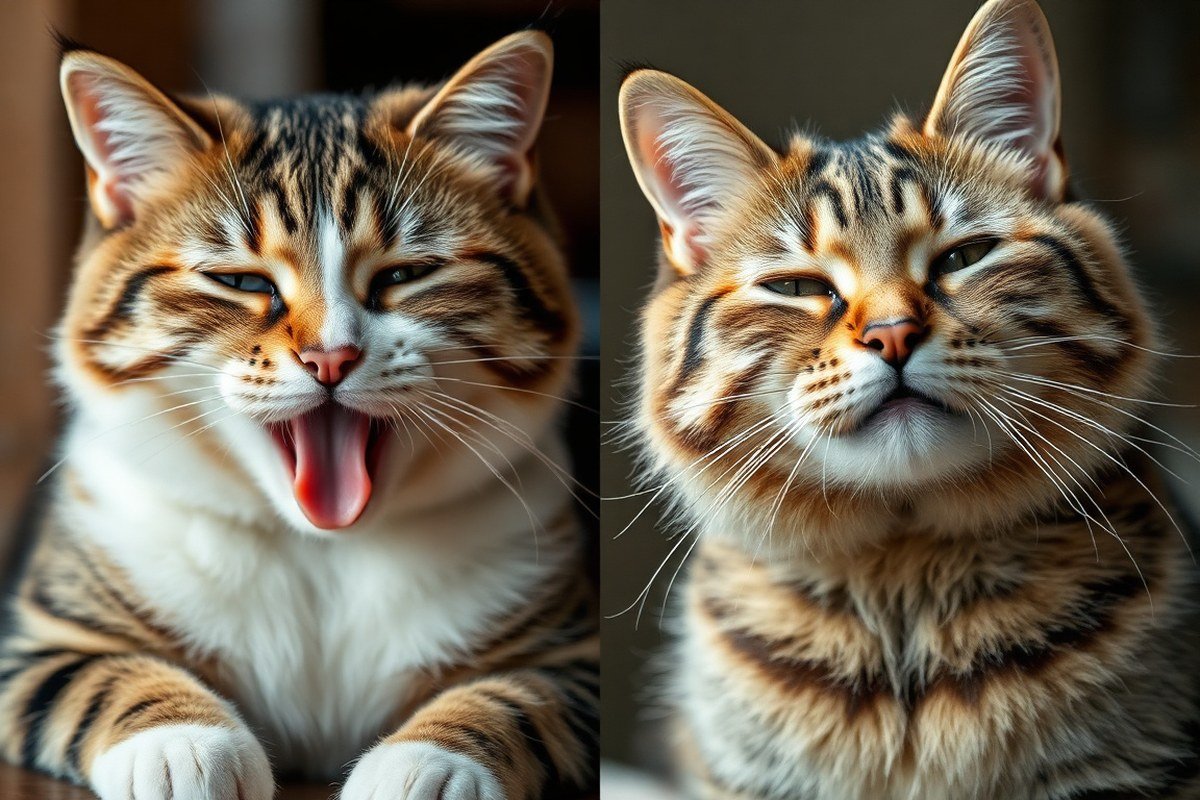
Not all drooling means there’s a problem; it can be normal and linked to your cat feeling relaxed or happy. When your cat purrs and kneads, drooling often occurs as a natural physiological response stemming from kittenhood behaviors. This contentment drool is usually small in amount and temporary. However, drooling tied to pain, stress, or illness tends to be excessive, frequent, or new, and you may notice other signs like hiding, not eating, or unusual behaviour. Here is a table to help you tell normal drooling from problematic drooling:
| Drooling Type | Associated Behaviour | Drool Amount | Additional Signs |
|---|---|---|---|
| Happy/Content Drool | Often with purring and kneading | Small, occasional | No other health changes |
| Pain or Illness Drooling | Hiding, aggression, reduced eating | Excessive, frequent, new onset | Vomiting, lethargy, bad mouth odor |
| Anxiety or Stress Drooling | During car rides, vet visits, or fear | Variable but can be frequent | Restlessness, vocalising, avoidance |
Look for drooling paired with signs of pain or stress to spot problematic cases. For example, if your cat suddenly starts drooling more than usual and appears withdrawn or refuses food, this may signal an underlying medical issue. Pay attention during stressful events like travel where anxiety drooling can happen, but also watch if it persists afterward. Healthy drooling from contentment generally stops when your cat is no longer relaxed.
In any concerning scenario, gently examine your cat’s mouth if they allow it. Check for redness, swelling, or broken teeth, especially since more than 80% of adult cats face dental problems that can cause drooling. If your cat drools excessively and shows other warning signs, a veterinarian visit is the safest choice.
When and How to Safely Check Your Cat’s Mouth for Issues
Checking your cat’s mouth at home can help spot dental disease or foreign objects causing drooling. Approach this calmly and gently since cats often resist having their mouths handled. Choose a quiet time when your cat feels relaxed, such as after a nap, and wash your hands beforehand to prevent introducing bacteria. Never force your cat’s mouth open, which can cause stress or accidental bites. Follow these steps to safely examine your cat’s mouth:
- Prepare your cat by holding them in your lap or on a secure surface with good lighting. Speak softly and pet them to keep them calm.
- Lift the lips gently to check the gums and teeth on one side. Avoid prying the mouth open.
- Look for red or swollen gums, bad breath, loose or broken teeth, and any unusual bumps or sores. These signs may indicate dental disease or injury.
- Spot any foreign objects such as small strings, toy parts, or grass stuck between teeth or along the gum line. Don’t attempt to remove deeply lodged objects yourself.
- Check for excessive saliva or ulcers that can result from chemical burns if your cat has licked plants or cleaning products.
- Stop if your cat resists strongly, showing signs like growling, hissing, or struggling, and try again later or ask a vet for help.
- Note any difficulty your cat shows in swallowing or increased drooling that may signal serious mouth problems requiring veterinary evaluation.
Many owners mistake normal contentment drooling for health issues, so watch your cat’s overall behavior. Cats with flat faces, like Persians, may drool more due to their anatomy. If you observe persistent drooling accompanied by bad breath, bleeding, or swelling, schedule a veterinary visit promptly. Professional cleanings and treatments, including antibiotics if needed, can address underlying dental problems and prevent pain or infection.
Emergency Signs and When to Contact a Veterinarian Immediately
Sudden excessive drooling in cats is often a sign of an emergency, especially when paired with other concerning symptoms. Contact a veterinarian immediately if your cat drools heavily and shows difficulty breathing, lethargy, or clear signs of toxin exposure. These could indicate respiratory distress, poisoning, or other serious medical issues requiring prompt care at an emergency clinic. Fast veterinary intervention can be lifesaving. Assess your cat quickly by checking for warning signs that call for urgent attention. Use this checklist to decide if you should seek veterinary care immediately:
- Drooling combined with difficulty breathing or noisy breathing
- Sudden lethargy or unresponsiveness alongside drooling
- Signs of poisoning, such as known exposure to toxic plants, chemicals, or human medications
- Excessive drooling lasting more than 24 hours or appearing abruptly
- Loss of appetite or repeated vomiting with drooling
- Behavioral changes like hiding, aggression, or confusion
- High body temperature or signs of heatstroke (panting, weakness, collapse)
If your cat shows any of these, call an emergency vet immediately or the Pet Poison Helpline® at 855-764-7661 if poisoning is suspected. Even if your cat seems otherwise fine but drooling is new or excessive, it’s wise to schedule a veterinary appointment for a thorough exam. Vets may perform oral exams, blood tests, or imaging to pinpoint the cause and guide treatment.
Costs for emergency veterinary care vary widely, but quick action usually improves outcomes and can reduce long-term expenses. Delaying care if your cat has any of these critical symptoms may lead to worsening illness or serious complications.
Step-by-Step Action Plan for Managing Your Cat’s Drooling
Follow these clear steps to identify the cause of your cat’s drooling and take the right action to keep them comfortable and healthy.
- Day 1: Observe your cat’s drooling pattern and note when it happens, such as during petting or at random times.
- Day 2: Gently check your cat’s mouth for any obvious issues like redness, swelling, bad breath, or broken teeth. Stop if your cat becomes stressed.
- Within the first week: Keep a diary of drooling episodes, noting if your cat shows other symptoms like vomiting, refusal to eat, or lethargy.
- Week 2: Schedule a veterinary appointment if excessive drooling continues, especially with other symptoms or oral discomfort.
- After your vet visit: Follow all treatment instructions carefully, whether it’s medication, dental cleaning, or follow-up checks.
- Ongoing: Maintain regular dental care at home and schedule routine vet checkups to prevent dental or health problems that cause drooling.
Frequently Asked Questions
Why Do Some Cats Drool Only While Being Petted?
Cats often drool when petted because they feel safe and relaxed. This behavior may trace back to kitten nursing reflexes related to contentment.
Can Certain Cat Breeds Drool More Than Others?
Yes, brachycephalic breeds like Persians tend to drool more due to their flat facial structure affecting saliva control. Keep an eye on any excessive or new drooling.
Could Chewing on Electrical Cords Cause My Cat to Slaver?
Yes, chewing on cords can cause oral burns and inflammation, leading to drooling. Check for burns and contact a vet immediately if cord chewing occurs.
Why Does My Cat Hide When Drooling Excessively?
Cats often hide if they are in pain or feeling very unwell. Excessive drooling paired with hiding suggests a possible health issue needing vet evaluation.
Is It Normal for Cats to Drool While Kneading or Making Biscuits?
Drooling during kneading and purring is normal and shows happiness and comfort. It often means your cat is feeling very relaxed and affectionate.
Wrapping Up
Excessive drooling in cats usually signals an underlying issue that needs attention beyond contentment or mild irritation. Taking early action to observe, check, and consult your veterinarian can prevent serious health problems. Start today by carefully watching your cat’s behavior and mouth, so you know when professional advice is needed to keep your cat healthy and comfortable.