Can Cats Have Olive Oil? Safe Use, Benefits & Dosage Guidelines
Can cats have olive oil? Yes, cats can safely consume small amounts of plain olive oil, which is not toxic to them. It can help stimulate their intestines and promote healthy digestion when used moderately. Begin by offering a tiny dose, such as a quarter teaspoon per week, to see how your cat responds.
Key Takeaways
- Limit olive oil to no more than 1 teaspoon per week for an average 10-pound cat to avoid excess calories.
- Olive oil is 100% fat and stimulates gut motility, encouraging regular bowel movements.
- Start with 1/4 teaspoon per week for cats under 5 pounds and adjust slowly if needed.
- Do not rely on olive oil as a default treatment for hairballs or constipation.
- Mix olive oil into your cat’s food to make dosing easier and more palatable.
- Avoid exceeding 1 teaspoon per week for cats over 15 pounds without veterinary advice.
Is Olive Oil Safe for Cats to Eat?
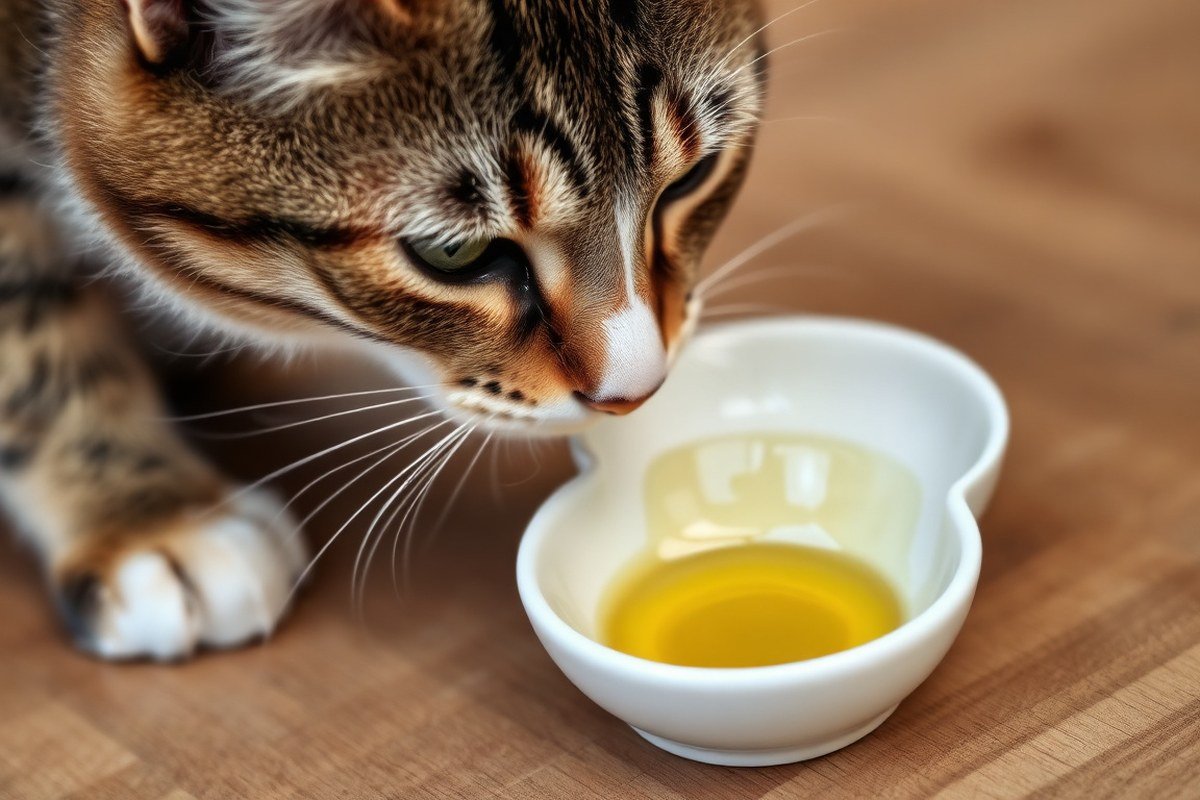
Yes, cats can safely eat olive oil in small amounts because it is non-toxic to them. Olive oil is generally considered safe and does not carry a toxic risk like some essential oils do. A cat that accidentally consumes a small quantity of olive oil, such as a teaspoon or less, is unlikely to experience serious harm. Mild digestive upset, like loose stools or diarrhea, is the most common side effect if a cat eats too much at once.
Olive oil is not toxic to cats, which means it won’t cause poisoning or severe reactions. This safety is due to its natural origin and composition, mainly healthy fats. However, it’s important to avoid giving large amounts regularly because olive oil is high in fat and calories. Overfeeding can lead to weight gain or pancreatitis risk, especially in overweight or sensitive cats.
To keep your cat safe, limit olive oil to no more than half a teaspoon per day. This amount is enough for occasional uses, such as stimulating appetite or aiding mild constipation. If your cat accidentally licks some olive oil from a kitchen surface or dish, just observe for any unusual vomiting or diarrhea and contact your vet if symptoms worsen. Always avoid using olive oil varieties with added herbs, garlic, or other ingredients that could be harmful.
Health Benefits of Olive Oil for Cats
Olive oil can benefit your cat’s health by promoting smoother digestion and improving coat condition when given in moderation. The fatty acids in olive oil help moisturize dry skin and add shine to your cat’s fur, making it softer and healthier-looking. Applying olive oil orally provides essential fats that support skin elasticity and overall coat health, especially useful for cats with rough or dull fur.
Olive oil provides digestive benefits by acting as a gentle laxative through lubrication of the intestines. This may assist cats experiencing constipation or difficulty passing hairballs. A small amount mixed into your cat’s meal can promote smoother bowel movements and minimize discomfort from rare stools or hairball accumulation, especially during heavy shedding seasons.
To see these benefits, offer No more than a teaspoon of olive oil per day mixed into your cat’s meal, adjusting as needed based on your cat’s size and response. Olive oil is high in calories, about 119 per tablespoon, so use it sparingly to avoid excessive weight gain. Cats with existing conditions such as diabetes or liver problems should have their diet changes, including olives oil additions, approved by a veterinarian first. Observing your cat’s skin texture, coat shine, and stool consistency over a couple of weeks will help you judge if the olive oil is helping or causing any digestive upset, allowing you to modify the amount accordingly.
Recommended Amounts and Dosing Guidelines for Cats
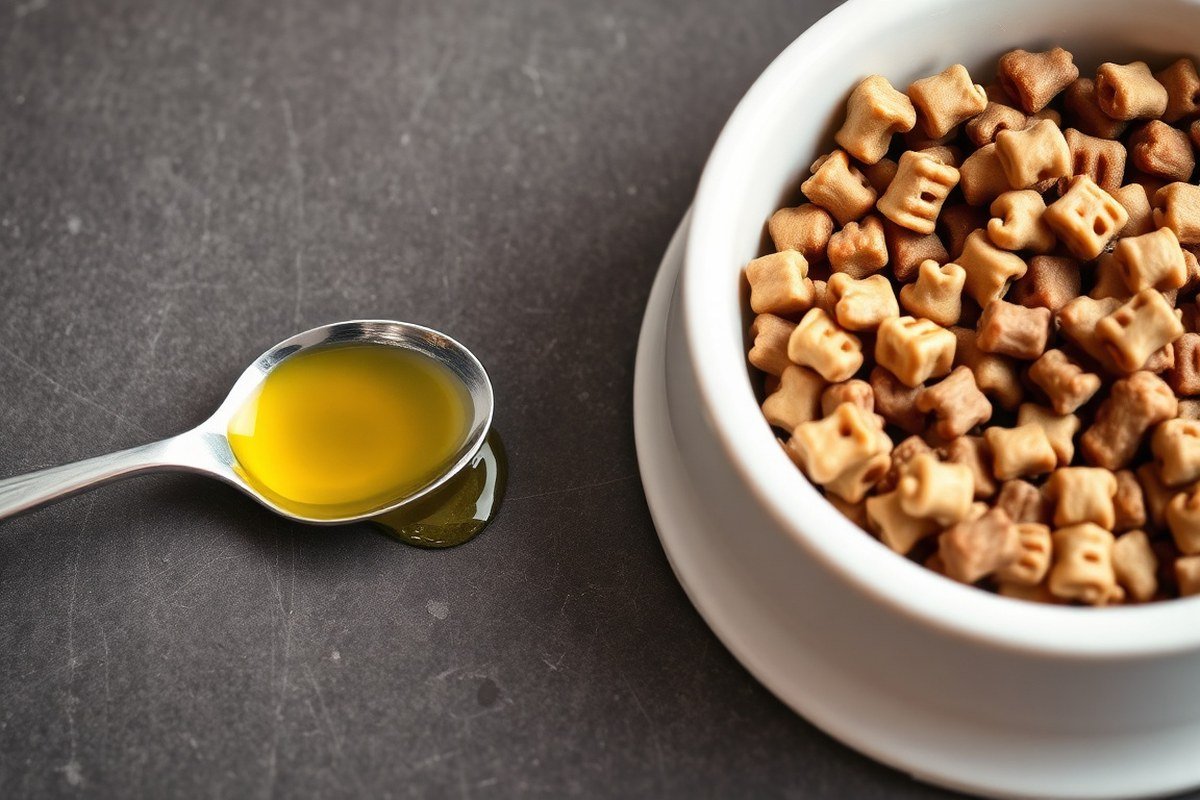
Olive oil should be given to cats in very small amounts due to its high calorie content and potential health risks. For an average adult cat weighing around 10 pounds, the general dosing guideline is no more than 1 teaspoon of extra virgin olive oil per week. Smaller cats or kittens deserve even less, typically closer to 1/4 to 1/2 teaspoon weekly, to avoid excess calorie intake and digestive upset.
Large cats can tolerate slightly more olive oil, but keeping the total under 2 teaspoons per week is wise. Feeding more than these amounts increases the chances of weight gain and risks like pancreatitis, especially if your cat has underlying health issues such as diabetes or heart disease.
Apply this decision rule when dosing olive oil for your cat: Adjust the weekly olive oil quantity based on your cat’s weight and health status while observing their response. Only offer olive oil if your cat is healthy, not overweight, and does not have metabolic conditions.
- For kittens under 5 pounds: 1/4 teaspoon per week max
- For small adult cats (5-8 pounds): 1/2 teaspoon per week
- For average adult cats (~10 pounds): 1 teaspoon per week
- For larger cats (above 12 pounds): up to 2 teaspoons per week
- Divide the total weekly amount into 2-3 servings mixed with food
- Monitor your cat’s weight and stool consistency after starting olive oil
- Avoid use if your cat is overweight or has diagnosed chronic health problems
Mix the olive oil thoroughly into your cat’s wet food for easy intake, avoiding force-feeding. Gradually introduce the oil by starting with less than the recommended amounts and watch for any signs of digestive upset within 24 to 48 hours. Any persistent vomiting, diarrhea, or lethargy calls for stopping olive oil and consulting a veterinarian. Moderation is key to safe dosing and good results.
Possible Risks and Digestive Side Effects
Olive oil can cause digestive upset in cats if given in large amounts. The most frequent issues are vomiting and diarrhea, especially when a cat consumes more than about a teaspoon to a tablespoon at once. Cats with sensitive stomachs or previous digestive problems may react more strongly. Since olive oil is high in fat, too much can also lead to weight gain over time, increasing the risk of metabolic disorders like pancreatitis.
To avoid problems, you should watch your cat carefully after introducing olive oil to their diet. Signs of trouble include loose stools, frequent vomiting, lethargy, or a refusal to eat. These symptoms might not always point directly to olive oil, but noting when they start relative to feeding can help your veterinarian decide on the best course of action.
- Monitor for diarrhea or vomiting within 24 hours of feeding olive oil.
- Check for decreased appetite or unusual tiredness that could indicate distress.
- Watch for sudden weight gain if olive oil is given regularly and in excess.
- Feed olive oil mixed with food to reduce stomach upset.
- Limit olive oil to no more than a teaspoon per feeding as an occasional treat.
Olive oil should never be used as a treatment for hydration issues, skin diseases, or urinary problems without veterinary guidance. Persistent digestive symptoms require a vet’s evaluation to rule out other health conditions. Carefully balancing olive oil intake helps your cat enjoy the benefits while reducing the risk of adverse reactions.
How to Use Olive Oil in Your Cat’s Diet Safely
Talk to your vet before adding olive oil to your cat’s meals, particularly if your cat has health issues or specific dietary requirements. Begin with a small quantity of Real olive oil, like 1/4 teaspoon, blended into their regular food. Observe your cat closely for 3 to 5 days for any digestive or behavioural shifts.
Limit olive oil to no more than a teaspoon several times each week to prevent too many extra calories and digestive issues. Since cats eat a diet rich in protein and low in carbohydrates, too much olive oil might cause stomach upset or weight problems, so portion control is important. Giving olive oil with food instead of on an empty stomach helps lower the chance of nausea.
- Mix olive oil thoroughly into wet or dry food to encourage even consumption
- Start with a small serving size and increase only if your cat tolerates it well
- Feed olive oil no more than three times per week to prevent overfeeding
- Carefully read your cat food ingredients to prevent accidental excess fat intake
- Observe for diarrhea, vomiting, or loss of appetite and discontinue if these occur
- Be cautious giving olive oil to kittens due to immature digestive systems
- Store olive oil in a cool, dark place to maintain its quality and safety
Keep track of your cat’s reaction after each serving, noting any positive effects like improved coat shine or easier digestion. Persistent digestive problems or no improvement after two weeks means you should stop using olive oil and check with your veterinarian. Proper care in serving olive oil ensures your cat gains potential benefits without risks.
Comparing Olive Oil to Other Oils for Cats
Choosing the right oil for your cat depends on what benefits you’re seeking and the potential risks involved. Both olive oil and other oils like fish oil and flaxseed oil can supply healthy fats, but they differ in nutrient types and effects on your cat’s skin, coat, and joint health. Olive oil mainly provides monounsaturated fats, including oleic acid and vitamin E, which support skin and coat condition. Fish oil is rich in omega-3 fatty acids, well-known for improving coat shine and joint flexibility. Flaxseed oil also offers omega-3s but in a plant-based form that your cat might not absorb as efficiently.
| Oil Type | Key Nutrients | Primary Benefits for Cats | Safety Considerations |
|---|---|---|---|
| Olive Oil | Monounsaturated fats (oleic acid), Vitamin E, phytonutrients | Supports healthy skin and coat; may reduce inflammation and contribute to joint health | Generally safe in small amounts; excess can cause digestive upset |
| Fish Oil | Omega-3 fatty acids (EPA, DHA) | Improve coat shine; supports joint function and anti-inflammatory effects | High doses can cause bleeding risks; source quality varies; consult vet before use |
| Flaxseed Oil | Plant-based Omega-3 (ALA) | Supports skin and coat health; less potent anti-inflammatory effects compared to fish oil | Less bioavailable for cats; risk of rancidity if not stored properly |
Olive oil offers a good balance of fats that benefit your cat’s skin and coat with relatively low risk when used sparingly. Fish oil excels at joint health and has stronger anti-inflammatory properties, but requires careful dosing and vet advice. Flaxseed oil can complement a diet but is not as effective on its own due to cats’ limited ability to convert plant omega-3s. Use oils as occasional supplements rather than daily staples, monitoring your cat’s response and adjusting amounts accordingly.
When to Consult a Veterinarian About Olive Oil Use
Consult your veterinarian anytime your cat has underlying health issues before adding olive oil to their diet. Cats with liver, pancreas, or gastrointestinal problems might react poorly to the oil, which can worsen their condition. Your vet can advise if olive oil is safe based on your cat’s specific health profile and medications, ensuring no harmful interactions.
Contact a vet immediately if your cat consumes too much olive oil or shows negative symptoms. Too much olive oil can cause diarrhea, vomiting, or abdominal discomfort. These signs require prompt veterinary attention to prevent dehydration or other complications. Use the following checklist to decide when to call your vet after giving olive oil:
- Any vomiting or persistent diarrhea lasting over 24 hours
- Refusal to eat or lethargy developing after olive oil intake
- Known pre-existing health conditions such as pancreatitis or inflammatory bowel disease
- Unexplained weight loss or frequent, severe hairballs
- Signs of an allergic reaction, like swelling, itching, or difficulty breathing
- Accidental ingestion of large amounts exceeding about 1 tablespoon or repeated dosing more than three times a week
If you notice these symptoms, stop olive oil immediately and document the amount given and timing. Then call your vet and provide this information so they can assess your cat’s condition quickly. An urgent vet visit might include hydration therapy, diagnostic tests, or treatment adjustments to prevent worsening health. Regularly updating your vet on how your cat responds to olive oil helps keep it a safe supplement rather than a risk.
Step-by-Step Action Plan for Adding Olive Oil to Your Cat’s Diet
Start slowly and watch your cat’s response carefully to ensure olive oil benefits their health without causing problems.
- Before you start: Talk with your veterinarian to confirm olive oil is safe for your cat’s specific health needs.
- Day 1: Introduce 1/4 teaspoon of high-quality extra virgin olive oil mixed into your cat’s food; watch for normal appetite and no vomiting.
- Week 1: Gradually increase to 1/2 teaspoon per day if your cat tolerates the oil without diarrhea or upset stomach.
- Week 2: Observe your cat’s coat and digestion for signs of improvement or any new symptoms.
- After 3 weeks: Maintain the dose if your cat shows positive effects like shinier fur or easier digestion; do not exceed recommended amounts.
- After 4 weeks: Reassess with your vet to decide if you should continue, adjust dosage, or stop adding olive oil.
- Ongoing: Always offer olive oil as a supplement alongside a balanced diet, not as a replacement for regular nutrition.
Frequently Asked Questions
Can Cats Have Olive Oil Daily?
Cats can have olive oil daily but only in very small amounts like a few drops to half a teaspoon to avoid digestive upset. It’s best to keep it occasional rather than a regular part of their diet.
Is Olive Oil Good for a Cat’s Dry Skin?
Olive oil may help with dry skin due to its moisturizing properties and antioxidants, but it should be used cautiously and not applied directly without vet guidance. Feeding small amounts mixed in food might be safer.
Can Olive Oil Cause Weight Gain in Cats?
Yes, olive oil is high in calories, so feeding too much can lead to weight gain in cats. Keep the servings small and infrequent to prevent unwanted weight issues.
Is Extra Virgin Olive Oil Better Than Regular Olive Oil for Cats?
Extra virgin olive oil is the best option as it contains more antioxidants, which may provide some benefits to your cat. Avoid refined oils that lack these nutrients.
Can Olive Oil Act as a Laxative for Cats?
Olive oil can help relieve mild constipation by lubricating the digestive tract when given in small amounts, but it shouldn’t replace veterinary treatment for chronic issues.
Wrapping Up
Olive oil can be a safe and beneficial addition to your cat’s diet when used correctly and in the right amounts. Monitor your cat’s reaction closely and prioritize their well-being by consulting your veterinarian regularly. Starting small and adjusting based on their response is the best way to see if olive oil suits your cat’s needs.