
How Many Teeth Do Cats Have? Complete Teeth Guide for Cat Owners
Adult cats have 30 permanent teeth, which typically appear between 6 and 7 months old. Kittens grow 26 baby teeth starting at about 3 weeks, and these are swapped for adult teeth during the 4 to 7 month age range.
Key Takeaways
- Kittens get 26 deciduous teeth between 2 and 6 weeks of age, starting with the incisors.
- Permanent adult teeth start erupting around 11 weeks and finish by 6 to 7 months with 30 teeth total.
- Molars appear only in adult cats; kittens never develop baby molars.
- Kittens lose their baby teeth around 3 to 4 months as adult teeth replace them silently.
- Allow kittens to chew on safe toys to help ease teething discomfort during tooth replacement.
- Regular dental checks starting at 6 months detect early dental issues before tooth loss occurs.
How Many Teeth Do Adult Cats Have and What Types Are They?

Adult cats have a total of 30 permanent teeth. These are distributed between the upper and lower jaws, with 16 teeth in the upper jaw and 14 in the lower. This arrangement often makes the upper mouth look more crowded when your cat yawns or opens its mouth wide.
Cats’ teeth fall into four main types, each designed for specific functions. The incisors number six on both the upper and lower jaws, totaling twelve. These small front teeth are used mainly for biting and cutting food, as well as for grooming. Positioned next to the incisors are two canine teeth on each jaw, one on each side, making four in total. These pointed teeth are essential for gripping and tearing prey.
Behind the canines, cats have premolars, six on the upper jaw and four on the lower. These teeth help with grinding and chewing food, particularly meat. The upper premolars and lower molars work together as a “carnassial pair,” acting like scissors to shear through flesh. Finally, cats have two molars on each jaw, which focus on crushing and grinding food, supporting the premolars in processing tougher bites.
All adult cats typically have this same arrangement and number of teeth by the time they are around six to seven months old. Maintaining these 30 teeth is key for your cat’s ability to eat properly, clean its coat, and stay healthy. Any tooth loss or dental issues can affect these functions drastically, so knowing how many and what type of teeth your cat has helps in monitoring their dental health closely.
How Many Teeth Do Kittens Have and When Do They Get Them?
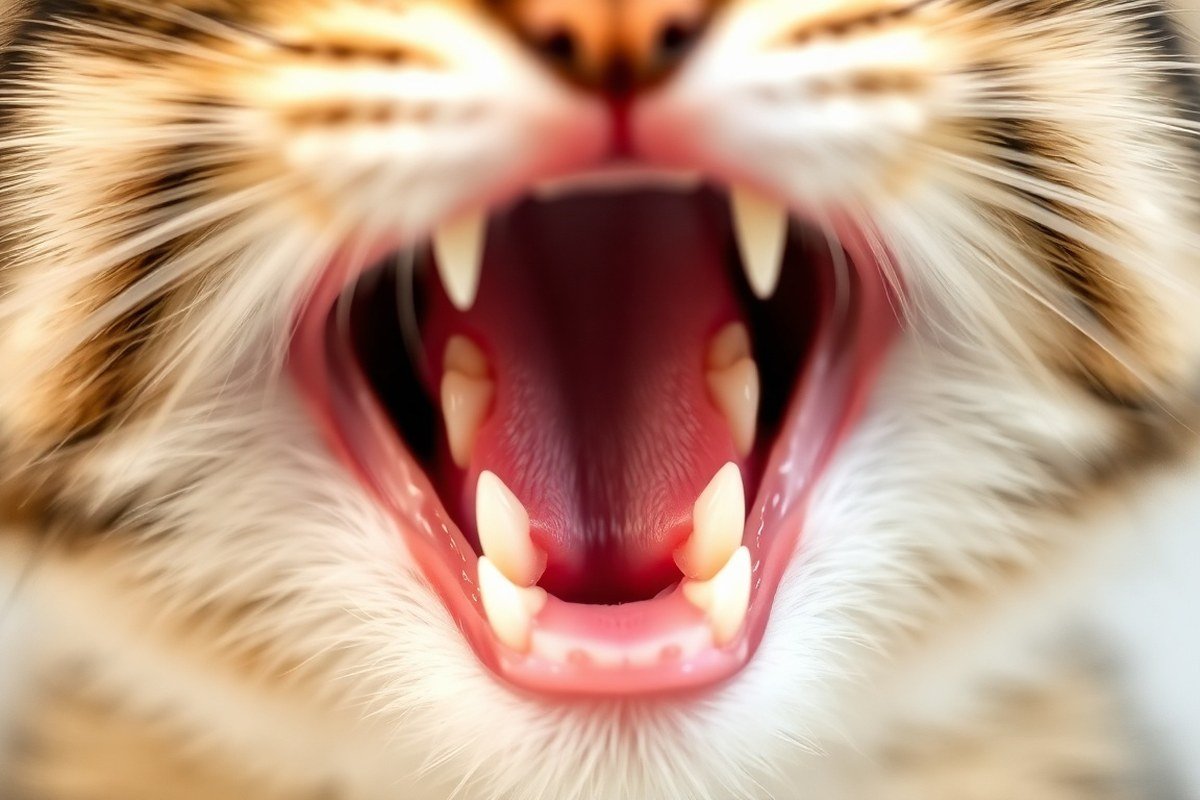
Kittens have 26 Baby teeth, also known as deciduous or milk teeth. These teeth begin to erupt at about 2 to 3 weeks of age, starting with the small incisors at the front of the mouth. Between 2 and 6 weeks, the rest of the baby teeth emerge, completing the set of 26 sharp, tiny teeth. This early dental development is essential for nursing and exploring their environment safely.
Most kittens start to lose their baby teeth around 3 to 4 months old. The process begins when the permanent teeth begin pushing through underneath the deciduous teeth, making them loose. You’ll usually notice the incisors first, followed by the canines and premolars. This tooth loss phase can last until about 6 to 7 months of age, when kittens typically have all of their adult teeth in place.
Sometimes, you might not see baby teeth lying around because kittens often swallow them during this transition. This is normal and generally not a concern. It’s important to monitor your kitten’s mouth during this time for any signs of discomfort, swollen gums, or retained baby teeth that don’t fall out, as these could require veterinary attention to prevent dental issues later.
What Is the Kitten Teething Process and Timeline?
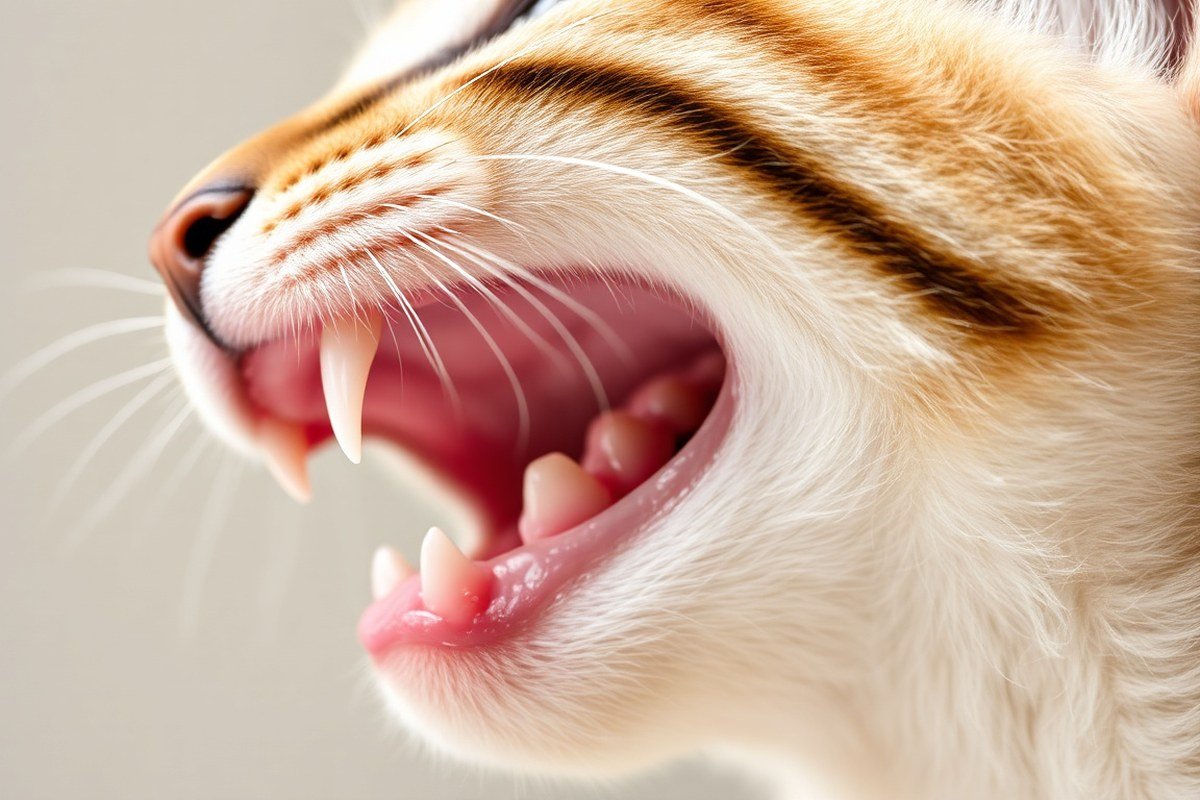
Kittens start their teething journey with a set of 26 baby teeth that usually come in between 2 and 6 weeks of age. The first teeth to erupt are the small incisors located at the front of the mouth, followed closely by the canines and premolars. By about 8 weeks old, most kittens have a complete set of milk teeth, yet they do not have molars at this stage.
The Permanent adult teeth start to come in around 4 months of age. During this time, the baby teeth begin to loosen and drop out, allowing the adult teeth underneath to rise in. This change takes place gradually over a few months, generally between 3½ and 6 months old. The adult incisors are the first to replace baby teeth, followed by the canines and premolars. Adult molars show up last, as kittens never develop baby molars.
The transition from baby teeth to adult teeth is mostly complete by 6 to 7 months old. At this age, a cat should have all 30 adult teeth, including 12 incisors, 4 canines, 10 premolars, and 4 molars. It’s key to monitor your kitten’s mouth during this phase because any retained baby teeth or pain might interfere with chewing and jaw movement. Checking gently and regularly lets you identify teeth that remain stuck or any discomfort your kitten shows when eating.
The switch from baby to adult teeth happens relatively quickly but requires patience. Teething discomfort can cause your kitten to chew on softer or unusual objects and may lead to temporary fussiness. Keeping your kitten’s mouth healthy by providing appropriate chew toys and regular vet checks supports a smooth transition and contributes to good lifelong dental health.
What Causes Dental Problems and Tooth Loss in Cats?
Dental problems in cats typically stem from Tooth resorption and periodontal disease, the two leading causes of tooth loss among adult felines. Tooth resorption is a condition where the cat’s body gradually breaks down and absorbs the tooth structure from within. This process weakens the tooth until it breaks or must be removed. It affects roughly 30% to 70% of cats to some degree and can cause significant pain without obvious symptoms at first.
Periodontal disease begins as gingivitis, an inflammation of the gums caused by bacteria buildup. Without treatment, it progresses to periodontitis, damaging the tissues and bone supporting the teeth. By age three, many cats already show signs of periodontal disease, even if they look healthy. The infection can lead to loose or lost teeth over time.
Although some tooth loss can happen as cats age, a healthy adult cat should never lose teeth spontaneously. Losing or having wobbly teeth usually signals dental disease and requires a vet’s evaluation. Cats may also have congenitally missing teeth or lose teeth due to dental trauma, but these are less common.
Signs that your cat might have dental problems include redness or swelling of the gums, bad breath, visible discoloration or darkening of teeth to reddish-brown, purple, or gray, decreased appetite, or difficulty eating. Tooth pain or sensitivity may also cause your cat to avoid chewing on one side of the mouth. If you notice any of these signs, prompt veterinary dental care can prevent further damage and ease discomfort.
Can Cats Eat Without Teeth and How to Maintain Dental Health at Home
Cats can eat without teeth, and many manage dry food, but canned or softened food is often easier and usually recommended for toothless cats. The rough surface of their tongue helps break down kibble, but wet food may reduce discomfort and support better digestion. For cats missing teeth, offering softened dry food or wet food preserves nutrition and makes eating more comfortable.
Brushing your cat’s teeth regularly is key to maintaining dental health. Aim to brush once a day or at least several times a week using a cat-specific toothbrush and toothpaste. Daily brushing helps remove plaque before it hardens into tartar. If brushing is difficult, dental chews can reduce plaque buildup, support fresher breath, and complement your cat’s routine.
Diet plays a major role in dental health. Cats fed dry food diets tend to have better oral health than those on wet food alone, likely because kibble provides mechanical cleaning. Including dental treats or chews alongside dry food for at least four weeks has shown reduced plaque and gingivitis in studies. Feeding a complete, balanced diet tailored for dental care, possibly incorporating specific dental health formulas, supports overall oral hygiene.
Regular veterinary visits are critical. Schedule dental checkups if you notice bad breath, difficulty eating, excessive drooling, or visible tartar and gum redness. A vet can perform professional cleanings and assess whether underlying problems require treatment. For cats with missing teeth or ongoing issues, the vet can advise on diet and home care adjustments. Maintaining dental health prevents pain, infection, and complications affecting your cat’s wellbeing.
How Do Cat Teeth Compare with Dogs and Humans?
Adult cats have 30 permanent teeth, including incisors, canines, premolars, and molars, while adult dogs have 42, and adult humans have 32. Cats have 12 incisors and 4 canines, with 10 premolars and 4 molars making up their total. Dogs keep extra molars compared to cats and humans because their omnivorous diet requires more grinding.
The structure of cat teeth differs significantly from dogs and humans, reflecting their diet and eating habits. Cats are obligate carnivores, designed to catch, kill, and slice meat. Their sharp canines and premolars are specialized for cutting and tearing rather than grinding. In contrast, dogs’ teeth are shaped for an omnivorous diet; their additional molars help crush plant-based foods, giving them 42 teeth in total. Humans have 32 teeth, including 12 molars used extensively to grind food, especially plant matter.
Cats have fewer molars than humans because they don’t chew or grind plant material. Their molars are mainly for shearing meat, not for extensive chewing, which means cats rely more on their sharp front teeth for feeding. Humans, requiring thorough grinding of both plant and animal foods, develop extra molars, including wisdom teeth, which cats never develop. This difference impacts how each species processes food and their dental health needs.
Knowing these differences matters for your cat’s dental care. Unlike humans who need molars cleaned and checked for grinding wear, cat dental health focuses on keeping sharp teeth free of plaque and preventing infections that can arise due to their carnivorous diet. The structure of their teeth also means dental problems can show quickly if a cat suddenly has fewer than 30 teeth, signaling missing or lost teeth worth veterinary attention.
Step-by-Step Action Plan for Your Cat’s Dental Health
Follow these steps to keep your cat’s teeth strong and recognize when to seek veterinary care.
- Before teething starts: Prepare soft toys and teething-safe treats to help soothe your kitten’s gums during teething. You’ll notice less chewing on furniture when you provide these.
- During kitten teething (3-6 weeks): Gently rub your kitten’s gums daily with a damp cloth to get them used to dental care. Your kitten should remain calm and cooperative by week 2 of this routine.
- At 6 months old: Schedule a vet checkup to ensure all adult teeth have grown properly and no dental issues are present. Healthy teeth should look clean and strong, and your cat shouldn’t show signs of pain eating.
- Once a month: Inspect your cat’s mouth for signs of redness, bad breath, or broken teeth. Early detection helps prevent serious problems.
- Weekly: Brush your cat’s teeth with a pet-safe toothpaste to reduce plaque buildup. Your cat should tolerate brushing without distress after a few tries.
- When your cat loses interest in food or shows drooling: Contact your vet promptly to check for dental pain or infection. Quick treatment prevents tooth loss and discomfort.
- Annually: Have a professional dental cleaning done by your veterinarian, especially for older cats or cats prone to dental disease. This keeps your cat’s mouth healthy and pain-free.
Frequently Asked Questions
How Many Teeth Do Wild Cats Have Compared to Domestic Cats?
Wild cats generally have the same 30 adult teeth as domestic cats because their dental structure is similar for hunting and eating meat. Differences in diet might affect tooth wear but not the total number of teeth.
Do Female and Male Cats Have a Different Number of Teeth?
No, both female and male cats have the same number of teeth, which is 30 in adulthood. Sex does not influence the number or type of teeth cats have.
Can a Cat Have More or Fewer Than 30 Teeth?
It’s rare, but some cats may have extra or missing teeth due to genetics or dental disease. Such abnormalities are usually diagnosed by a vet during dental exams.
How Often Should a Cat’s Teeth Be Checked by a Vet?
Cats’ teeth should be checked at least once a year during routine vet visits. Regular exams help catch dental disease early and prevent tooth loss.
What Signs Show a Cat Might Be Losing Teeth?
Symptoms like drooling, bad breath, difficulty eating, or pawing at the mouth may indicate tooth loss or dental problems. Early vet care is important for treatment.
Key Points to Remember
Cats have 30 adult teeth designed for shearing meat, making their dental health important to their overall well-being. Paying attention to teething stages and dental signs helps prevent problems before they get serious. Schedule a veterinary dental exam if you spot anything unusual or as part of your cat’s regular health care. Taking these steps supports your cat’s comfort and quality of life for years to come.