How to Get Rid of Fleas on Cats: A Complete Guide for Fast, Safe Elimination
To eliminate fleas on cats effectively, you need to address both the fleas on your cat and those hiding inside your living space. A smart plan includes using flea treatments that work fast, managing the environment, and applying care every month. Begin with a veterinary-recommended topical or oral flea product to kill adult fleas promptly and stop new eggs from hatching.
Key Takeaways
- Adult fleas visible on your cat are only about 5% of the total flea population in your home.
- Use a vet-prescribed monthly topical treatment for cats between 5.6 and 11 pounds to kill fleas and prevent reinfestation.
- Treatment must continue monthly for at least 3 months to break the flea life cycle and stop new fleas from maturing.
- Fleas spend 80% of their life cycle in the environment, so treating your home is essential to control infestation.
- Flea dirt looks like tiny black specks, and flea eggs appear as small white ovals about the size of salt grains.
- Oral flea pills like Capstar can kill adult fleas within 30 minutes, helping during heavy infestations.
Step-By-Step Method to Get Rid of Fleas on Your Cat
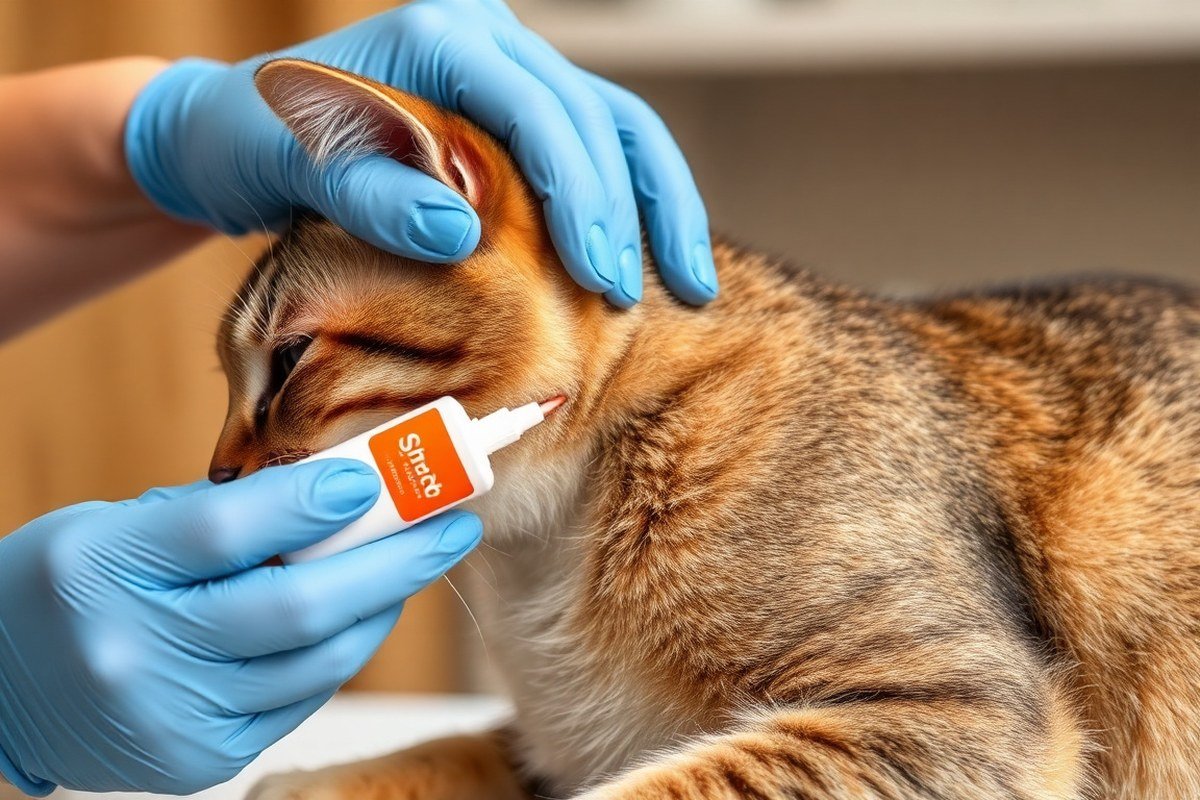
To get rid of fleas on your cat quickly and safely, start by physically removing adult fleas with a flea comb, then apply a veterinarian-recommended treatment. Comb your cat regularly to catch and remove fleas and flea dirt before they can multiply. Bathing your cat with a flea shampoo can help flush out fleas but should be done gently to avoid stress, especially if your cat is not used to baths. Follow the treatment instructions carefully to ensure fleas die within hours and prevent reinfestation.
- Comb your cat thoroughly: Use a fine-toothed flea comb to brush your cat’s fur, especially around the neck, behind the ears, and near the tail base. Comb over a white paper towel or bowl with soapy water to trap fleas and flea dirt. Repeat combing daily for at least a week to remove adult fleas.
- Bath your cat carefully: Select a flea shampoo made for cats or an unscented Dawn dish soap. Use warm water around 98 to 100°F (37 to 38°C) to wet your cat, spread the shampoo gently, create a light lather, and rinse completely. Keep water away from the eyes and ears. Dry your cat with a towel or a blow dryer set to low heat if your cat is comfortable with it.
- Use a flea treatment advised by your vet: Pick a spot-on or oral flea control medication intended for cats. Apply spot-on solutions directly onto the skin at your cat’s neck base by separating the fur. Administer oral treatments according to the directions on the package or your vet’s advice. These treatments typically begin eliminating fleas within 4 to 24 hours.
- Treat all pets in your home: Fleas can jump between animals. Apply flea prevention or treatment to dogs or other cats at the same time to stop spreading.
- Clean your cat’s environment: Vacuum carpets, bedding, and furniture daily. Wash bedding in hot water above 130°F (54°C). This step prevents eggs and larvae from developing and reinfesting your cat.
- Repeat treatment as recommended: Follow product instructions for how often to reapply. Most treatments require monthly applications for ongoing control.
Using a flea comb carefully helps avoid skin irritation, comb gently in a steady direction and clean the comb often. Bathing should only be done if your cat tolerates it, as too much stress or improper rinsing can cause harm. Vet-recommended treatments offer the safest and fastest way to kill fleas without risking toxicity. Starting treatment the same day you spot fleas gets results faster and reduces discomfort for your cat.
How to Confirm Your Cat Has Fleas and Identify Flea Dirt
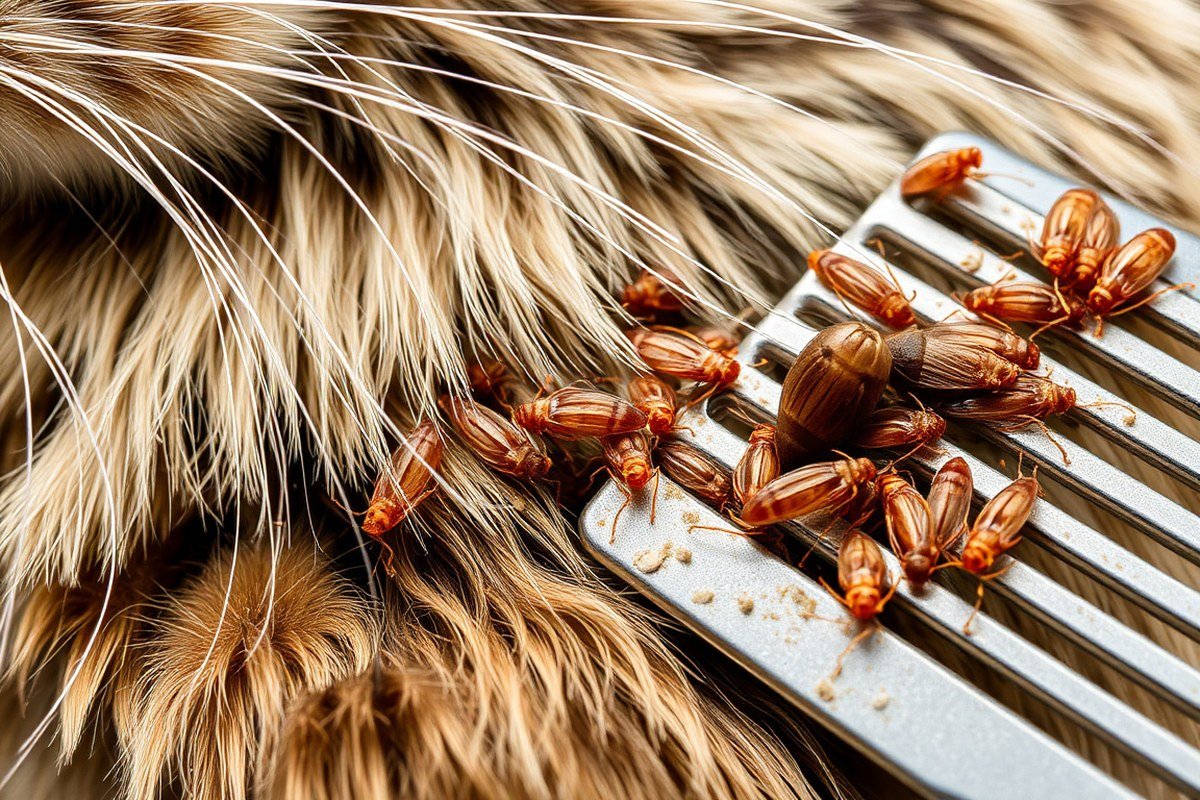
To confirm if your cat has fleas, start by visually inspecting the fur for small, moving reddish-brown or black specks. Fleas themselves are tiny, about 1 to 3 millimeters long, often described as fast-moving dark specks on the skin. Flea dirt, which is flea feces, looks like tiny black pepper flakes or small coffee grounds embedded in the fur. You might also notice tiny white oval eggs the size of salt grains, roughly 0.5 millimeters long.
A fine-tooth Flea comb is an effective tool to detect fleas and flea dirt, especially on cats with thicker fur. Use the comb by gently brushing through your cat’s fur, focusing on areas like the base of the tail, neck, and belly. After every few strokes, wipe the comb off on a clean, white paper towel or dunk it in a bowl of soapy water to remove and kill any fleas or flea dirt trapped in the teeth. Soapy water prevents fleas from escaping and provides a clear method to examine what you’ve caught.
To perform a Wet paper test for flea dirt, collect the debris from the comb on a damp white paper towel. Flea dirt will dissolve and leave reddish-brown smears because it consists of digested blood, while ordinary dirt won’t. This simple test helps you distinguish flea dirt from dirt or other particles on your cat.
Look for signs like intense scratching, hair loss, or skin irritation along with flea dirt to strengthen the case for fleas. If your search yields no fleas but your cat still shows irritation, consult a veterinarian, as some skin issues mimic flea symptoms. A flea comb typically costs between $5 to $15, and it’s a low-cost, non-invasive way to check for fleas regularly during an infestation or as a preventive measure.
Understanding the Flea Life Cycle and Why Treatment Takes Time
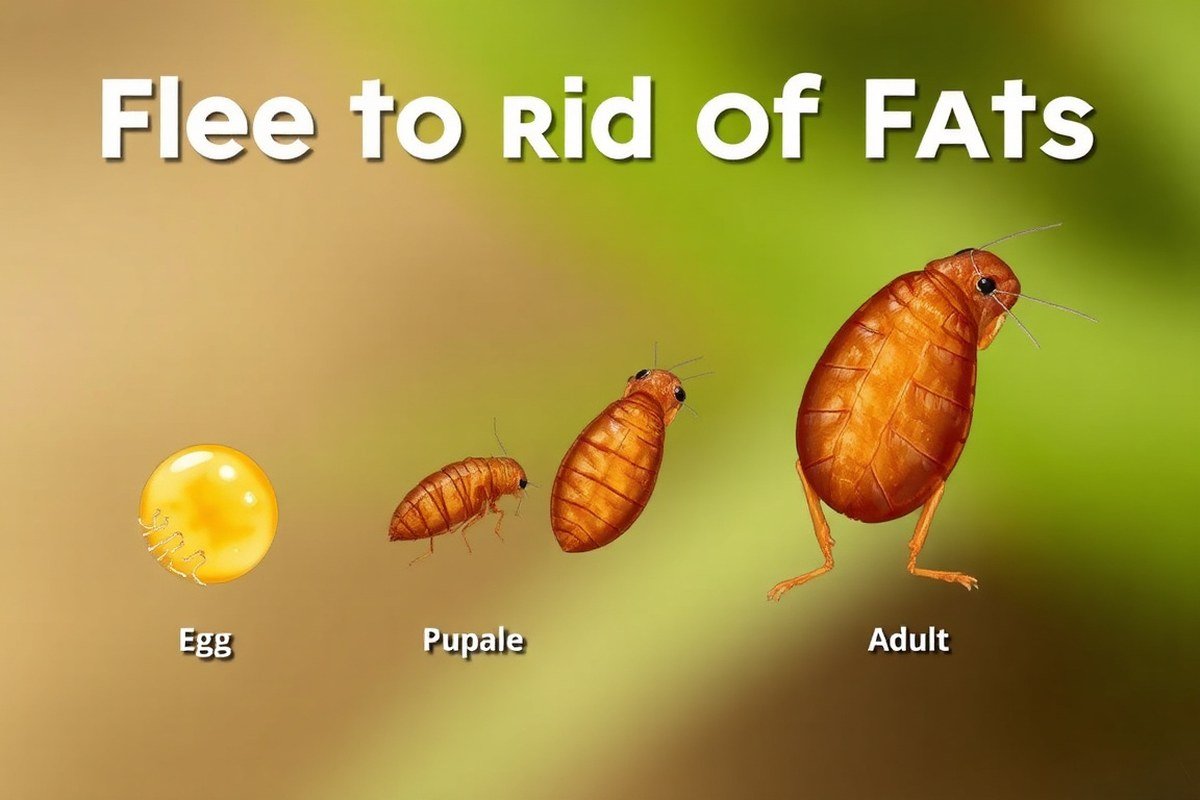
The flea’s life cycle includes four stages: eggs, larvae, pupae, and adults. Only the adult fleas live on your cat, but the other stages hide in your home, especially in carpets, furniture, and pet bedding. Flea eggs drop off your cat and hatch into larvae within 2 to 12 days. Larvae then spin cocoons, becoming pupae, which can remain dormant and resistant to treatments for weeks or even months. Adult fleas emerge from pupae when they detect a nearby host, such as your cat.
Most flea treatments focus on killing adult fleas on your cat quickly, often within 24 to 48 hours. However, pupae and eggs in the environment are harder to eliminate and can hatch over several weeks, causing new fleas to appear even after treatment. This is why fleas seem to return after the initial application. Treating your cat alone doesn’t break the cycle because the immature stages continue developing and hatching.
Expect consistent flea treatment to take about 1 to 3 months before all life stages are fully eradicated. Monthly application of vet-recommended flea preventives is critical during this time to kill new fleas as they hatch. For example, if you apply a topical treatment every 30 days and clean your home regularly, you can interrupt the life cycle. By about the third month, the pupae should have either hatched and been killed or expired, preventing reinfestation.
Patience is key during this period. Seeing some fleas after several weeks does not mean treatment is failing; it usually means surviving pupae are hatching in waves. Complete flea control means targeting adult fleas on your cat and addressing the earlier life stages in the environment over time. This approach prevents the flea population from rebuilding, protecting both your cat’s health and your home.
Best Flea Treatment Options for Cats Compared
The best flea treatment for cats depends on your cat’s age, sensitivity, and how quickly fleas need to be controlled. Oral pills that kill fleas fast, such as nitenpyram, start working in about 30 minutes and clear most fleas within a few hours. However, they only last about 24 hours and require follow-up monthly treatments. Topical spot-on treatments take longer to kill fleas, usually 12, 24 hours, but many include ingredients that kill eggs and larvae, preventing reinfestation for around a month. Collars offer longer-lasting protection but take 1, 2 days to become effective and vary in kitten safety.
| Treatment Type | Speed of Kill | Duration | Kills Eggs/Larvae? | Kitten-Safe Age* |
|---|---|---|---|---|
| Fast-kill oral adulticide (e.g., nitenpyram) | ~30 minutes | About 24 hours | No | Often from a few weeks old; check label |
| Monthly oral preventive | Within hours | About 1 month | Some formulas | Usually 8 weeks and up |
| Topical spot-on | Within 12-24 hours | About 1 month | Many do (contain IGR) | Usually 8 weeks and up |
| Quality flea collar | Within 1-2 days | Several months | Some do | Varies by brand; check label |
The choice between oral and spot-on treatments depends on your cat’s tolerance and your ability to apply the medication. Orals may be easier to give if your cat dislikes topical applications or grooming is difficult. Spot-ons offer longer control with added protection against eggs and larvae but require careful application to avoid contamination or washing off. Always check the label for kitten safety and do not use dog flea products on cats since they can be toxic. For kittens under 8 weeks or those too small for most treatments, consult your vet before use.
How to Treat Your Cat’s Environment to Stop Reinfestation
Treating your cat’s environment is essential to stop flea reinfestation. Flea eggs, larvae, and pupae make up about 95 percent of the flea population and hide in carpets, bedding, furniture, and other soft areas your cat uses. These stages can survive and hatch over weeks, so thorough cleaning and repeated treatments are required to break their life cycle and protect your pet.
Start by vacuuming carpets, rugs, and upholstery daily for at least two weeks. Vacuuming physically removes eggs and larvae and also shakes pupae to prompt hatching, making them vulnerable to treatment. Wash all cat bedding, blankets, and any washable toys in hot water above 130°F to kill eggs and larvae. Dry them on high heat if possible.
- Vacuum floors, carpets, furniture, and under cushions daily
- Wash cat bedding and washable fabric items weekly in hot water (≥130°F)
- Use vet-approved indoor flea sprays with growth regulators or insecticides safe for pets
- Treat all pets in the home simultaneously to prevent cross-infestation
- Focus sprays under and behind furniture where fleas hide
- Repeat environmental treatment every 7, 10 days for at least 4 weeks
Choose products specifically labeled for indoor use around cats and look for ingredients like methoprene or pyriproxyfen, which stop flea development. Natural options like dried rosemary powder sprinkled in rest areas may deter fleas but are less effective alone. Keep your cleaning routine strict for several weeks to catch all new hatching fleas before they reach adults. If flea numbers remain high after 4 weeks, consult your vet for professional-grade options or advice.
When and How to Safely Bathe Your Cat During Flea Treatment
Bathing your cat can be an effective part of flea control, but it should be done carefully to avoid stress and harm. Cats don’t need frequent baths, but during a flea infestation, a medicated flea bath every 7 to 10 days helps kill active fleas on contact. Use Lukewarm water and choose flea shampoos explicitly labeled Safe for cats, such as Adams Flea & Tick Shampoo or Vet’s Best Natural Flea Shampoo. Avoid shampoos with permethrin or high-dose pyrethrin, which are toxic to cats.
Because flea shampoos kill fleas instantly without preventing reinfestation, bathing complements but does not replace other flea treatments. If your cat resists bath time, keep sessions short and calm, and never bathe more than once a week to protect your cat’s skin and coat. Follow these steps to bathe your cat safely and effectively:
- Prepare lukewarm water in a sink or tub small enough to control your cat safely and comfortably.
- Brush your cat before bathing to remove loose fur and flea dirt, which improves shampoo effectiveness.
- Wet your cat gently but thoroughly, avoiding the eyes and inside ears.
- Apply a small amount of Cat-safe flea shampoo, working it into a lather over the entire body, especially the neck and base of the tail where fleas like to hide.
- Let the shampoo sit for the time specified on the product label, usually a few minutes.
- Rinse your cat well with lukewarm water to remove all shampoo residue, which can irritate the skin if left behind.
- Dry your cat using a soft towel in a warm, draft-free room. Avoid blow dryers as they can stress your cat.
- Reward your cat with praise or treats to reduce bath-related stress in the future.
Regular flea baths every 7 to 10 days can improve flea control during infestations, but they work best combined with other treatments like spot-on medications or flea collars containing flumethrin and imidacloprid. Always watch your cat for signs of skin irritation or distress during and after baths, and consult your vet if your cat has sensitive skin or health issues.
Natural and Home Remedies for Flea Control: What Works and What Doesn’t
Natural flea treatments can offer some relief, but their effectiveness and safety vary greatly. Lemon juice, containing citric acid, is one of the more effective natural options for fleas. You can make a mild lemon spray by steeping sliced lemons in boiling water for 12 hours, then straining and lightly misting your cat’s fur. Avoid spraying near the eyes and use it only with your vet’s approval, as citric acid can cause skin irritation in sensitive cats. Similarly, Cedar chips and certain herbs like lavender might repel fleas but won’t eliminate an infestation on their own.
Home remedies like rosemary spray or apple cider vinegar are popular but usually offer limited benefits. Rosemary can mildly repel fleas but has no killing power. Apple cider vinegar might alter skin pH slightly, but it’s not a reliable flea treatment. Using these without vet guidance can waste critical time and allow fleas to multiply. Dish soap can strip fleas from your cat’s coat, but frequent baths are stressful and might dry out your cat’s skin, so use it sparingly and only if your cat tolerates baths.
DIY flea solutions carry risks, especially with essential oils or chemicals not tested for cats. Oils like oregano or concentrated lavender can cause skin burns or toxic reactions. Avoid any homemade treatments with unknown ingredients or harsh substances. Always consult a veterinarian before applying home remedies to ensure they won’t harm your cat. Many natural methods work best as complementary treatments alongside vet-approved flea control products. For heavier infestations, professional pest control and veterinary care are safer and more effective than relying solely on home remedies.
Common Flea Treatment Mistakes and How to Fix Them
Many flea treatments fail because only one pet in the household gets treated. Fleas easily jump between animals, so treating your cat but not the dog means fleas will keep returning. Apply flea medication to every pet at the same time using products specifically designed for cats or dogs. Avoid dog flea treatments containing permethrin, which can cause seizures or death in cats.
Underapplying flea products is another common issue. Use the exact dose based on your cat’s weight and follow the instructions carefully. Spot-on treatments need to reach the skin, so part the fur and apply directly to the skin between the shoulder blades. Keep your cat from licking the treated spot for several hours to prevent ingestion.
- Treat all pets simultaneously with appropriate products.
- Apply the proper dose based on your cat’s weight.
- Apply spot-on solutions directly to the skin, not just the fur.
- Prevent your cat from licking the treatment site for at least 6 hours.
- Avoid bathing your cat 48 hours before and after treatment to keep medication effective.
- Vacuum frequently to remove flea eggs and larvae from your home.
- Watch for repeated scratching or skin inflammation as signs treatment needs adjustment.
Persistent flea problems often mean environmental controls are missing. Flea eggs hatch in carpets and bedding, so vacuum daily and wash pet bedding weekly in hot water above 140°F. If fleas return despite treatment, check your cat for flea allergy dermatitis, a skin reaction needing ongoing flea control. Talk to your vet if you notice swelling, redness, or hair loss around flea bites. Successful flea control takes patience and consistent application on all pets plus home cleaning.
When to Call the Vet About Fleas on Your Cat
Seek veterinary care if flea problems persist beyond three to four weeks despite regular treatment, especially for kittens, elderly, or unwell cats. Fleas can cause significant itching and skin irritation, but severe infestations risk anemia since fleas feed on blood. Anemia is a serious condition, particularly dangerous for vulnerable cats, and needs prompt professional evaluation.
Watch for signs like constant scratching, hair loss, inflamed or infected skin, weakness, pale gums, or visible fleas despite efforts to remove them. Fleas can also transmit tapeworms and bacterial infections like Bartonella, known as cat scratch disease, which require veterinary diagnosis and care. Some cats develop flea allergy dermatitis (FAD), marked by intense itching and skin damage that over-the-counter remedies may not control.
A prescription flea treatment is often necessary for heavy infestations or outdoor cats exposed regularly to fleas. Products containing isoxazolines or combination formulas (for example, Revolution Plus) require a vet’s prescription and provide fast, effective control. You’ll need to provide your cat’s weight, age, medical history, and details of previous flea treatments during your visit. Vet-prescribed options usually cost between $40 and $100 depending on the product and dosage.
Prepare a list of your cat’s symptoms, any treatments tried, and information on your home environment before the appointment. This helps the veterinarian diagnose secondary issues like infections or allergic reactions and decide on the safest, most effective course of action. Severe infestations can require follow-up visits or environmental treatments to fully control the problem, so starting vet care early improves outcomes and reduces stress on your cat.
Step-by-Step Action Plan for Flea Removal
Follow these specific steps to clear fleas from your cat and your home effectively.
- Day 1: Apply a vet-recommended flea treatment to your cat following the product instructions carefully. Check your cat after 24 hours to see if flea activity reduces.
- Day 2 to 3: Bathe your cat using a flea shampoo if your cat tolerates baths, ensuring that fleas are washed off. Confirm fewer fleas on the skin and a reduction in flea dirt.
- Day 3: Vacuum your entire living area thoroughly, focusing on carpet, furniture, and pet bedding. Dispose of vacuum bag contents immediately to prevent reinfestation.
- Week 1: Treat your home environment with an approved flea spray or fogger designed for indoor use. Monitor for flea activity daily, noting a decrease in flea sightings after treatment.
- Week 2: Reapply the flea treatment on your cat if the product requires a second dose at this time. Continue to check for fleas and flea dirt on your cat weekly.
- Week 3 to 4: Wash your cat’s bedding and any blankets or cushions they frequently use in hot water weekly. Confirm that flea reinfestation is not occurring by regularly checking your cat and environment.
- After 1 Month: Observe your cat’s coat for any sign of fleas or irritation. If fleas persist despite treatment, consult your veterinarian for possible alternative treatments or a health check.
Frequently Asked Questions
How Quickly Do Flea Treatments Start Working on Cats?
Most veterinarian-recommended flea treatments begin killing fleas within hours, but it can take up to a day to see a significant reduction. Fast-acting options like Capstar start working in 30 minutes but usually require follow-up treatments for full control.
Can Fleas Cause Health Problems for My Cat Besides Itching?
Yes, fleas can lead to anemia, allergic reactions, and tapeworm infections in cats. Persistent flea infestations should be treated promptly to avoid serious health complications.
Is It Necessary to Treat All Pets in the Home for Fleas?
Yes, treating only one pet is often ineffective as fleas easily move between animals. Treating all pets helps stop the flea life cycle and prevents reinfestation.
Can I Use Dog Flea Treatments on My Cat Safely?
No, some dog flea treatments contain ingredients toxic to cats and can cause serious harm. Always use products labeled specifically for cats.
How Often Should I Apply Flea Prevention to My Cat?
Most monthly flea preventatives should be applied every 30 days year-round, especially if your cat has a history of fleas. Consistency is key to preventing infestations.
Before You Go
Removing fleas requires consistent treatment on both your cat and in your home. Acting swiftly and following safe, proven methods reduces the chance of reinfestation and protects your cat’s health. Start by choosing the right flea treatment and applying it precisely as directed to see the best results.