How to Give a Cat a Pill: 5 Vet-Approved Methods That Really Work
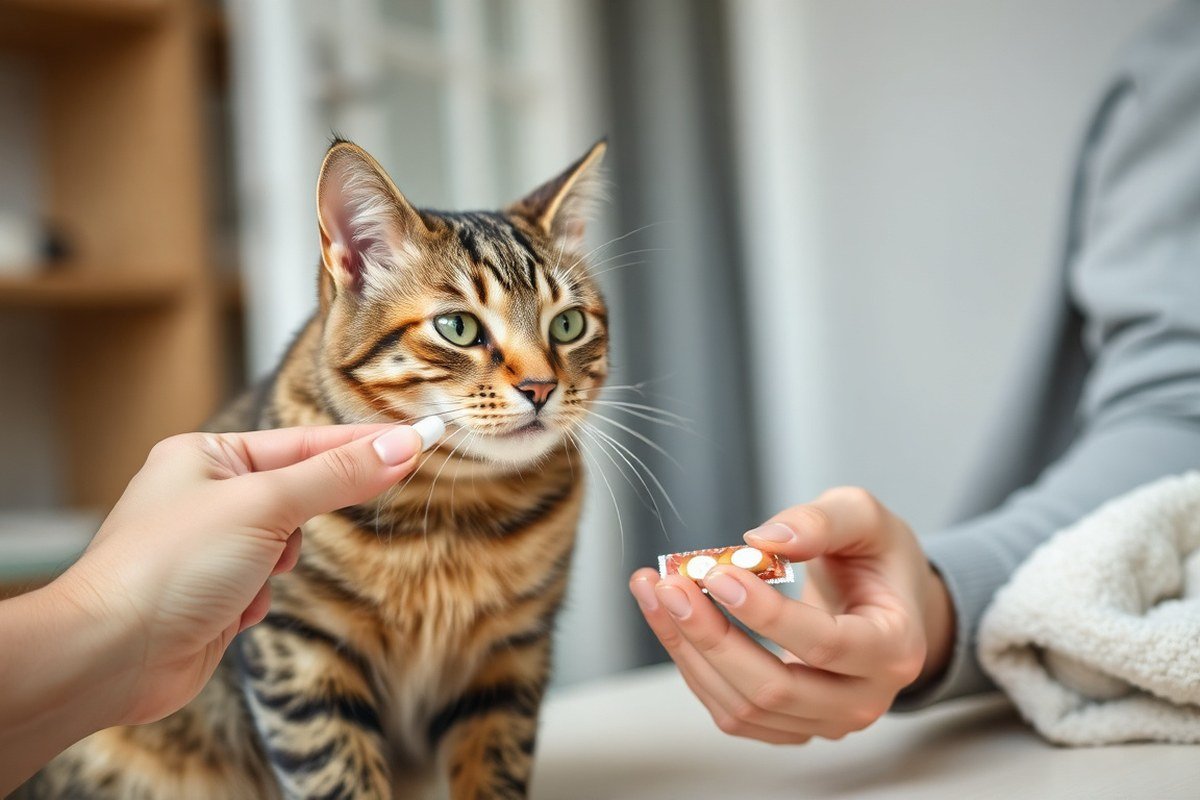
Knowing how to give a cat a pill can make medicine time much easier and less stressful for both you and your feline friend. The quickest way is to hide the pill in wet food or a specially designed treat, which helps the cat swallow it without fuss. Prepare everything beforehand to keep the process calm and efficient.
Key Takeaways
- Hide the pill in a small portion of wet food to mask the taste and encourage your cat to eat it.
- Use pill pockets with tasty flavors to disguise the medication and improve your cat’s willingness to take it.
- Wrap your cat in a towel to prevent scratches if it resists during pill administration.
- Keep a 1 mL syringe of water ready to help wash down the pill if needed.
- Try a pill shooter, an $8 tool, for cats that bite or spit out pills frequently.
- Remove food for 12 hours before medicating to increase your cat’s appetite if it’s safe to do so.
How to Give a Cat a Pill by Hand Safely
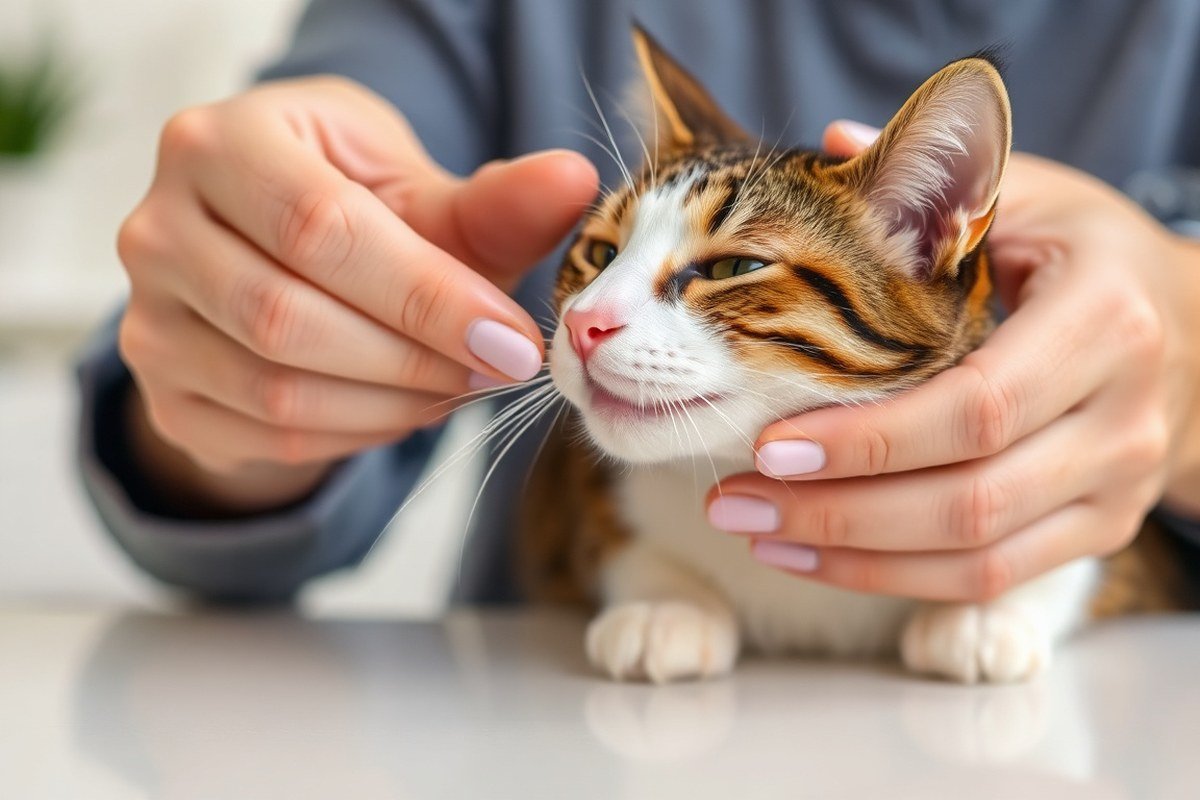
Giving your cat a pill by hand requires calmness, careful handling, and a straightforward technique. Your goal is to open your cat’s mouth just enough to place the pill near the back of the tongue, so it triggers swallowing without causing stress or injury. You should prepare by having the pill ready, speaking softly to reassure your cat, and positioning them securely to minimize struggling or scratching.
- Position your cat on a stable surface or in your lap. Ask a helper to hold your cat gently but firmly, supporting the body while keeping the head steady when possible.
- Speak to your cat softly with soothing words such as, “This will be quick, good job,” to keep them calm.
- Use one hand to tilt your cat’s head upward by placing your thumb and index finger on either side of their upper jaw. This motion will often cause the cat to open their mouth slightly, avoiding the need to pry forcefully.
- With your other hand, place the pill as far back on the tongue as possible, near the base, using your fingers or a pill popper. This helps trigger swallowing and reduces risk of spitting the pill out.
- Close your cat’s mouth gently but firmly, holding it closed while tilting the head slightly downward. Keep the mouth closed for a few seconds to encourage swallowing.
- Watch for swallowing motions like licking or swallowing sounds. Open the mouth just a bit to check the pill’s presence, then close again to ensure swallowing when uncertain.
- Offer praise and a treat immediately after. This positive reinforcement helps your cat associate pill time with reward and comfort.
- Monitor your cat for a minute afterward to ensure they don’t spit out the pill or choke.
Following these steps reduces risk of bites or scratches. Holding the cat firmly but gently minimizes sudden movements. Avoid forcing the mouth open wide to prevent injury. Taking time to calm the cat and speaking reassuringly lowers stress, making the process smoother for both of you.
Using Food, Treats, and Pill Pockets to Hide Medication
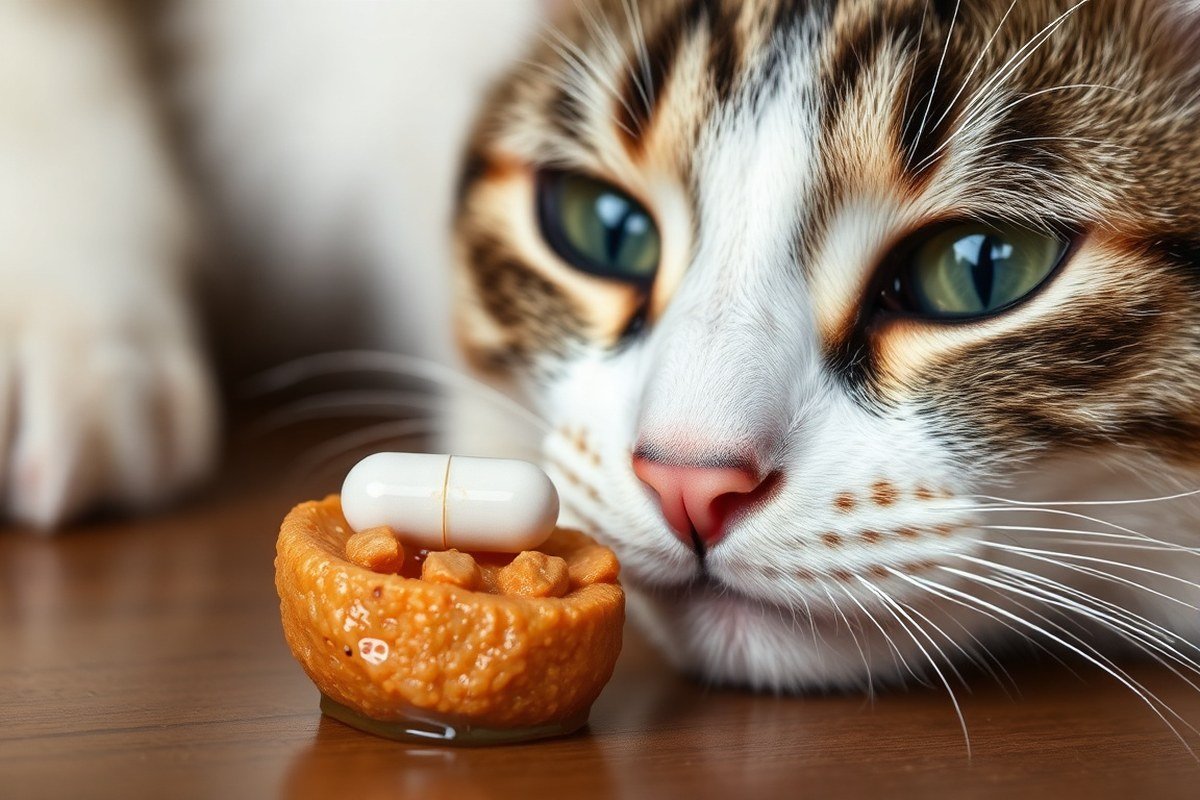
Using food to disguise a pill works best with wet cat food, ideally something with a gravy or pate texture. You can mold a small amount of the wet food around the pill, creating a “meatball” so the medication is fully hidden. Alternatively, dip the pill in gravy from canned food to mask its taste. Dry food isn’t recommended for hiding pills, as cats tend to pick the pill out or ignore flavored kibble. Cost is low, as you’re just using regular wet food, but this method only works if your cat is motivated by food.
Pill pockets and treats are commercial solutions designed specifically for hiding medication. These treats have a soft center where you can insert the pill, masking both smell and texture. Many cats readily accept pill pockets as a tasty treat. For cats that like treats but are skilled at spitting out pills, pill pockets can improve success. They cost about $10 to $15 for a pack of 20, which is more expensive than food but saves hassle. Using a pill pocket is as simple as pushing the pill into the center and offering it to your cat like a treat.
How to choose between food and pill pockets depends on your cat’s personality and appetite. For cats with a strong food drive, hiding pills in wet food or gravy works well. Cats who are treat-motivated might prefer pill pockets or small bits of pate, cheese (if tolerated), or other soft treats. When your cat is a picky eater or wary of new foods, pill pockets are often better at fully hiding the pill.
Preventing pill rejection involves offering just enough food or a treat to cover the pill without overwhelming the cat’s palate. Avoid overfeeding before medication time; Mild food withholding for 2 to 3 hours before giving the pill can increase appetite and make the food or treat more enticing. However, avoid long fasting periods to prevent stress or hypoglycemia, especially in smaller or older cats.
| Method | Best For | Cost | Ease of Use | Effectiveness |
|---|---|---|---|---|
| Wet Food or Gravy | Food-motivated cats | Low (cost of usual food) | Simple molding or dipping | Good if cat eats well |
| Pill Pockets | Treat-motivated or picky cats | Moderate ($10, 15/20 pieces) | Insert pill, offer as treat | High for hiding taste & texture |
A sample script for pill delivery with a pill pocket or wet food: “Here’s a tasty treat for you!” Present the pill pocket or the molded wet food ball promptly. When your cat chews and swallows easily, give a little water or an extra treat to help the pill go down all the way. Watch closely to catch any spitting out. Repeating the offering quickly can prevent the cat from rejecting the pill.
Tools and Techniques to Help Give Pills Easily
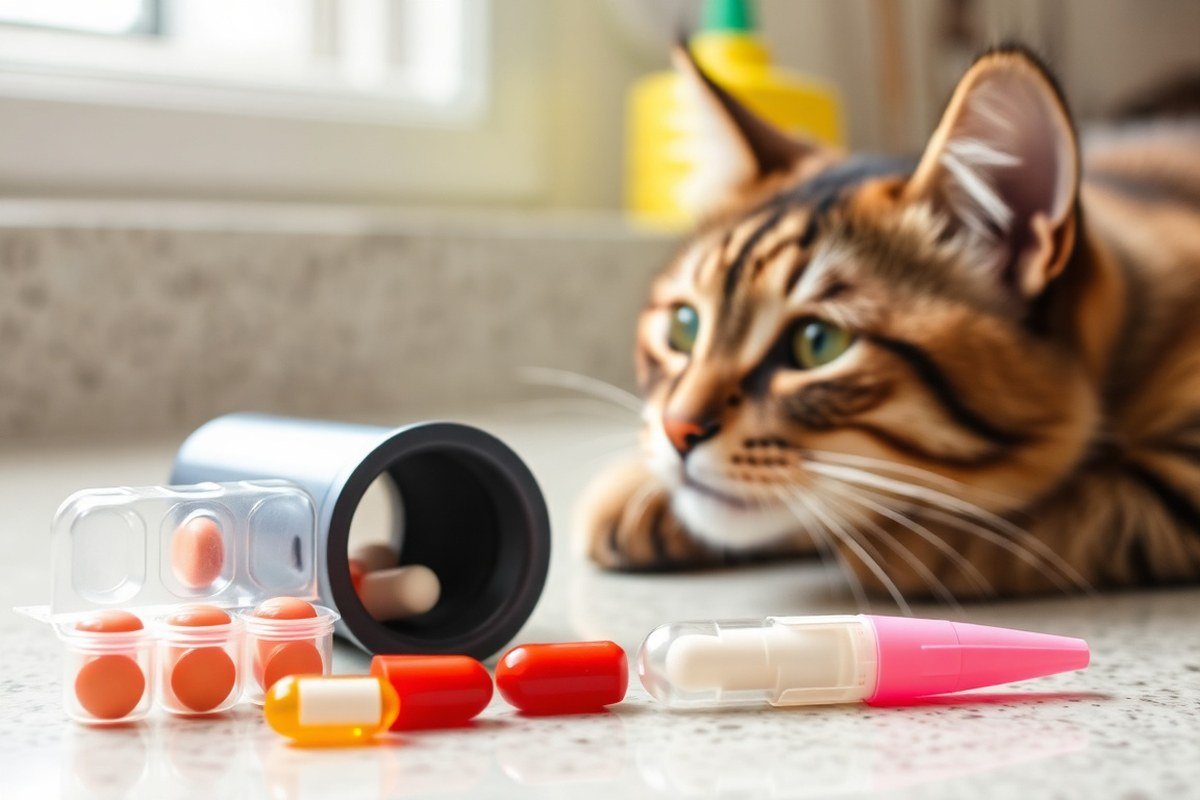
Several Tools can help you give your cat a pill more easily and reduce the chance of injury. A pet piller, sometimes called a pill shooter, is a small plastic tube with a plunger inside. You load the pill in one end, then press the plunger to deliver the pill toward the back of your cat’s throat. This limits finger bites and helps the pill go down smoothly. These devices typically cost between $5 and $15 and can be purchased online or in pet stores. They work well for cats that fight taking pills or when you want a quicker, less stressful way to medicate your cat.
Besides pet pillers, pill pockets are soft treats that hide the pill inside, encouraging your cat to swallow without noticing medication. These are convenient for cats that accept treats easily but cost around $10 to $20 for a small pack and must be fresh for best results.
The Towel wrap, or ‘burrito’ method, is helpful when your cat scratches or tries to escape. To wrap your cat, lay a large towel flat, place your cat in the center, then fold one side over their front legs and body, tucking and wrapping the other side snugly. Secure the towel so only your cat’s head is exposed. This technique limits movement and protects your hands without causing discomfort. Use this method if your cat is stressed or aggressive, and combine it with a pet piller for a safer pill-giving experience. Here’s a checklist for a safe towel wrap: choose a thick but soft towel roughly 30 inches square, gently place your cat in the center, wrap one side snugly but not tightly around their body, fold the other side over that, and hold them securely but calmly.
Using these tools reduces stress and injury risk by preventing struggling and finger bites. Proper preparation with these devices lets you give medication calmly and quickly. You can find pet pillers and pill pockets at veterinary offices, pet supply stores, and major online retailers.
How to Handle a Cat That Refuses Pills or Spits Them Out
Dealing with a cat that refuses or spits out pills requires patience and a clear plan. Start by keeping your cat calm, speak in a soothing voice and gently pet them to reduce stress. Speak softly, “It’s okay, we’re just helping you feel better,” to ease anxiety. When your cat growls or attempts to bite, pause and let them relax before trying again. Sometimes wrapping your cat in a towel can prevent scratching without hurting them or you.
When calming methods don’t succeed, consider other forms of medication. Many vets can prescribe liquid or transdermal gels that are easier to administer. Liquid meds often come with a syringe for precise dosing and can be gently squirted into your cat’s mouth. Transdermal forms are applied to the inside of the ear, where the medicine absorbs through the skin. These options can cost more, especially if compounded by a veterinary pharmacy, but they significantly reduce stress and risk of injury.
Use a stepwise approach: try pill pockets first, which flavor the pill and hide the taste, causing less resistance. When other methods fail, a pill gun can help you control and quickly give the pill, stopping your cat from spitting it out. Should your cat still resist or become aggressive, consult your vet instead of forcing medication. Persistent refusal or unsafe handling risks injury to both you and your cat.
Know when to stop trying on your own. When your cat regularly refuses pills and no alternative forms work, consult your vet about other medication or treatment options. The vet can also provide referrals to reputable compounding pharmacies for customized medication forms. Avoid forcing pills if it causes harm, and seek professional help to ensure your cat’s safety and health. Taking these steps ensures you follow your vet’s instructions responsibly without risking stress or injury.
Common Mistakes and How to Avoid Them When Giving Pills
One common mistake when giving a pill to a cat is rushing the process, which can lead to stress or injury for both you and your pet. Another frequent error is not ensuring your cat is hungry before attempting to hide the pill in food, causing them to reject the meal. Safety risks include forcing a cat’s mouth open too hard or using bare hands without protection, increasing the chance of scratches or bites.
To avoid pill hiding failures, offer the pill with a small, tasty portion of wet food after withholding meals for a few hours. Crushing the pill into powder and mixing it thoroughly into the food can improve the chances your cat won’t detect the medication. Repeat this approach in small amounts to build trust without overwhelming your cat.
- Don’t rush: Stay calm and allow your cat time to accept the pill or treat.
- Prepare your cat: Remove food 2-4 hours before pill time to increase appetite.
- Use small treats immediately after: Reward your cat right after the pill to create a positive association.
- Wear gloves or use a pill dispenser: Protect yourself from scratches and bites.
- Double-check dosage: Always verify the exact pill and amount before administration.
- Be consistent: Give medication at the same time daily to build routine.
- Practice patience: If your cat spits out the pill, don’t punish, try again calmly.
Positive reinforcement plays a key role in helping cats accept pills over time. Reward with a favorite treat or gentle petting immediately after the pill is given. This signals to your cat that pill time ends with something pleasant, potentially making future pill administrations easier. Avoid forcing or restraining your cat aggressively, since fear can cause refusal or defensive behavior. Instead, keep sessions brief and gentle while ensuring safety with proper tools or positioning.
Step-by-Step Action Plan to Give Your Cat a Pill
Follow these steps to safely and effectively give your cat a pill while minimizing stress for you both.
- Before You Start: Gather all supplies like pills, pill pockets, treats, and a towel. This preparation ensures everything is on hand to move quickly and confidently.
- Day 1: Introduce your cat to pill pockets or tasty treats without medication. Success means your cat accepts the treat willingly, making future pill hiding easier.
- Day 2: Practice holding your cat gently and securely, using a towel if needed. Your cat should remain calm during handling, showing readiness for pill administration.
- Day 3: Try offering a pill wrapped in a pill pocket or mixed with a small amount of wet food. Your goal is for the cat to swallow the pill discreetly without detecting it.
- Day 4: If the pill is refused, try giving it by hand as described, gently placing it at the back of the tongue and encouraging swallowing. Success here is the pill swallowed without spitting or chewing.
- Day 5: Reward your cat immediately after giving the pill with praise or a favorite treat. This reinforces positive associations and makes future dosing easier.
- Ongoing: Monitor your cat for any signs of distress or refusal and adjust techniques accordingly. Keeping sessions short and calm helps maintain trust and cooperation.
Frequently Asked Questions
Can You Give a Cat a Pill Without Restraining Them?
Yes, using pill pockets or hiding the pill in wet food can avoid restraining your cat. This method makes pill time less stressful for both of you and often works better for reluctant cats.
How Do You Ensure a Cat Swallows a Pill Completely?
Follow the pill with a small amount of water or a treat to encourage swallowing. You can also gently feel their throat to confirm the pill was swallowed without causing discomfort.
What Should I Do If My Cat Bites During Pill Time?
Avoid forcing the pill and try distracting your cat with a treat or a favorite toy. Using a pill giver tool can help keep fingers safe and reduce stress for both of you.
Can Giving Pills Too Often Harm My Cat’s Mouth?
Frequent, forceful pill giving may irritate your cat’s mouth and throat. To reduce risk, use gentle techniques and consult your vet for alternative medicine forms if needed.
How Can I Tell If My Cat Didn’t Swallow the Pill?
Watch for the pill in their mouth or spit it out afterward. Some cats will show signs like pawing at their mouth or coughing, which means you may need to try again carefully.
Key Points to Remember
Giving your cat a pill requires patience, gentle handling, and sometimes creativity with treats or tools. Start by preparing your supplies and practicing handling before attempting to give the pill. Take it one step at a time, and reward your cat for good cooperation. Your next step is to choose your preferred method, hand dosing, pill pockets, or treats, and begin consistently practicing to build your cat’s comfort and compliance.