How Long Is a Cat in Heat? Complete Timeline and Care Tips
How long is a cat in heat? Most female cats stay in the estrus phase, the actual heat, for about 3 to 14 days, with an average around seven days. When she isn’t bred, the heat cycle repeats every two to three weeks during breeding season. Observing this pattern helps you manage her comfort and decide on care options.
Key Takeaways
- The estrus phase, when a cat is in heat, typically lasts 3 to 14 days, averaging about a week.
- When a cat isn’t bred, she usually cycles back into heat every 2 to 3 weeks during breeding season.
- A typical heat cycle starts when the cat reaches 5 to 9 months old, but some enter heat earlier.
- Heat cycles can continue from January through fall unless the cat becomes pregnant or is spayed.
- Continuous heat lasting over 21 days may indicate a health issue like follicular cysts, requiring a vet visit.
- Repeated heat cycles cause noticeable behavioral changes that often return every few weeks if the cat isn’t bred.
How Long Does Each Stage of a Cat’s Heat Cycle Last?
The cat’s heat cycle includes four distinct stages, each lasting a specific time with different signs and reproductive status. The first stage, Proestrus, lasts about 1 to 2 days. During this stage, estrogen rises, follicles develop in the ovaries, and the female cat shows increased affection and restlessness but doesn’t yet accept males. You might notice mild attention-seeking behavior but no mating readiness.
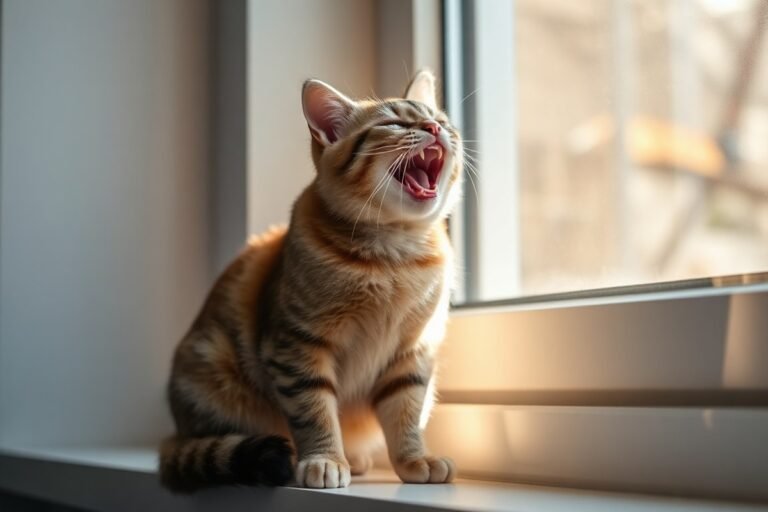
The second stage is Estrus, often called the heat phase. This typically lasts around 7 days on average but can range from 3 to 14 days. At this time, estrogen peaks and the queen becomes receptive to males. She may loudly call, roll on the floor, assume the lordosis posture (lowering the front and raising the rear), tread with her hind legs, and spray urine. She’s fertile and can get pregnant at any point during estrus.
If the cat does not mate during estrus, she enters Interestrus. This stage usually lasts another 7 days, with a range from 2 to 19 days. Behaviorally, she calms down, showing normal activity with no heat signs. During interestrus, the body takes a short break to reset, and the cat cannot become pregnant. After interestrus, the cycle may repeat unless breeding has occurred.
The final stage is Anestrus, the non-breeding season, which varies by climate and daylight exposure. During anestrus, hormone levels remain low, and the cat does not cycle. Understanding this timeline matters for anyone managing a female cat’s reproductive health or considering spaying timing.
How Often Do Cats Cycle into Heat If Not Bred?
During the breeding season, cats usually experience heat cycles every two to three weeks, spanning from spring to early fall in the Northern Hemisphere. Each cycle typically lasts between 6 and 10 days. When a female cat is not bred, she often returns to heat after about a one-week break. This cycle may repeat continuously, making it seem like the cat is almost always in heat during this time.
Indoor cats may experience a slightly different frequency due to less exposure to natural sunlight changes. Strong artificial lighting or consistent indoor temperatures can cause some cats to cycle year-round, including winter months, unlike outdoor cats, whose cycles tend to slow during shorter daylight months.
Because the resting phase between cycles is brief, it’s normal for cats to come into heat every 14 to 21 days. Owners often notice this pattern as their cat exhibiting typical heat behaviors back-to-back without a long break. Noticing your cat going into heat more often than every two weeks or staying in heat for more than three weeks straight suggests a visit to the veterinarian to check for potential health problems.
| Situation | Heat Cycle Frequency | Notes |
|---|---|---|
| Outdoor cat (Northern Hemisphere breeding season) | Every 2, 3 weeks (spring to early fall) | Cycles slow or stop during winter |
| Indoor cat with artificial lighting | Every 2, 3 weeks or year-round | Possible heat cycles in winter |
| Warm climate cat (outdoor or indoor) | Year-round cycling possible | Breeding season less defined |
To manage repeated heat cycles, consider spaying as the most effective long-term solution, which stops heat cycles entirely. For cats not spayed, providing a calm environment and engaging distractions can help ease behavior changes during heat. Monitoring lighting conditions and mimicking natural light cycles indoors might reduce the frequency of cycles but requires consistent effort.
What Factors Influence How Long a Cat’s Heat Lasts?
The length of a cat’s heat cycle depends on several factors, including age, breed, environment, and health. Most female cats enter their first heat between 5 and 9 months old, with an average heat duration of about 7 days. However, some cats experience shorter or longer heat phases, ranging from 4 to 10 days. Younger cats or those with less body weight may have slightly shorter cycles, while heavier or more sensitive breeds like Siamese cats tend to stay in heat longer due to hormonal sensitivity.
Your cat’s environment also influences heat length. Multiple intact male cats nearby can make your female cat’s heat cycle more noticeable or last longer, caused by the males’ presence. Stress and health problems can prolong heat too. For example, an underlying infection or poor nutrition might disrupt normal hormone levels, causing irregular or extended heat phases.
To evaluate whether your cat’s heat cycle is normal, track the start and end dates of her heat signs over several cycles. Note breed and health changes, as well as environmental factors. Use a simple log or calendar to record heat symptoms like vocalizing, restlessness, or increased affection. Heat cycles longer than 10 days on a regular basis, or signs of illness in your cat, mean you should see a veterinarian. Health issues or abnormal hormone levels might be affecting the cycle’s length and could require treatment.
Since spaying before the first heat is recommended to prevent repeated cycles and associated issues, consider scheduling surgery between 4 and 6 months of age. The procedure typically costs $50 to $200 depending on your location and clinic. Spaying stops heat cycles altogether, eliminating the factors that cause variation in heat length and protecting your cat’s long-term health.
How to Recognize Normal Versus Prolonged Heat Cycles
A typical female cat’s heat cycle lasts from 14 to 21 days. Your cat needs a veterinary check if she stays in heat longer than 21 days without a break. Continuous heat can indicate follicular cysts or more serious issues like ovarian tumors. These cysts develop when follicles in the ovaries do not release eggs properly, causing prolonged estrogen release. This extended hormone stimulation affects heat length and requires a vet’s assessment to diagnose and treat effectively.
Watch for signs that go beyond usual heat behaviours, such as persistent crying, restlessness, or loss of appetite. Bleeding or abnormal discharge is not normal during heat and deserves immediate veterinary attention. Also, changes in litter box habits, such as straining or blood in urine, suggest urinary tract problems that can coincide with or mimic reproductive disorders.
To know if your cat needs a vet, use this checklist: heat lasting over 21 days; any bleeding/discharge; noticeable distress or poor eating; signs of urinary issues; and abnormal behaviour beyond vocalising and rubbing. Your cat’s normal calm and appetite should return when the heat cycle ends. Schedule a veterinary exam when these signs continue over time. Expect diagnostic costs to vary but usually range from $50 to $150 for basic exams and ultrasonography.
Providing mental and physical stimulation during normal heat cycles helps manage her behaviour but does not replace medical care when needed. Spaying is the most effective way to prevent prolonged or repeated heat cycles, reducing health risks and unwanted litters. Spotting normal or prolonged heat involves tracking duration, behaviour, and symptoms, then acting quickly if something seems unusual.
Can You Spay a Cat While She’s in Heat?
Spaying a cat while she’s in heat is medically possible but generally not recommended. The Heat cycle causes increased blood flow to the reproductive organs, making surgery more prone to bleeding and technically more challenging. This can extend operative time and potentially increase costs compared to spaying a cat outside her heat cycle.
Most veterinarians prefer to wait until the heat cycle ends before scheduling the surgery. Waiting typically means delaying the spay for about 7 to 10 days after signs of heat disappear. This timing reduces surgical risks and usually leads to a smoother recovery. In emergency cases, such as medical problems linked to the reproductive system, vets may perform a spay during heat when the benefits outweigh the risks.
It is safe to spay during heat as long as the surgeon is experienced and prepared for potential complications. However, Waiting until the heat cycle is over lowers surgical difficulty and risk. Since there is no safe or effective way to stop a heat cycle artificially at home, patience until the cycle finishes is usually the best approach.
When planning spaying, consult your veterinarian to assess your cat’s health and timing. For a cat with a predictable heat schedule, mark the end of her cycle and schedule surgery shortly afterward. This practice helps avoid extra bleeding and recovery issues while providing the permanent solution that spaying offers. Cats spayed before their first heat cycle benefit from lower cancer risks and avoid pyometra, so timely scheduling is essential.
How to Calm and Care for a Cat in Heat
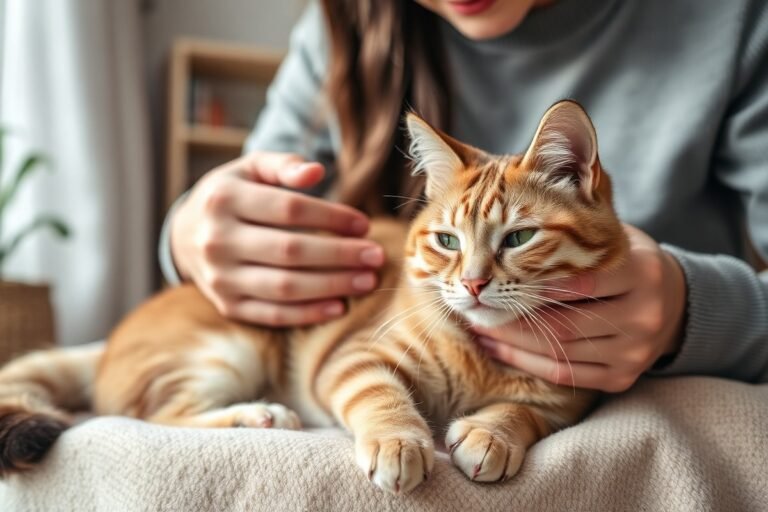
Managing a cat during her heat cycle requires patience and thoughtful care to reduce her stress and the impact on your household. Excessive vocalization and restlessness are common, but Reducing these behaviors often comes down to providing comfort rather than expecting quick fixes. Creating a warm, quiet space where your cat can relax helps ease her discomfort. A soft blanket or a heated pad set on low can provide soothing warmth. Establishing a calm routine with gentle petting when she seeks attention offers reassurance and can lessen her agitation.
Engaging your cat in interactive play with toys like feather wands or laser pointers channel her energy positively and may reduce restlessness. Keep play sessions frequent but short, about 10 to 15 minutes each, to avoid overstimulation. Remember, while increased affection is typical, giving her space when she prefers is equally important. Avoid trying pheromone products specifically during heat unless your cat responds well to them outside of this period, as these products are designed for stress relief in general and not proven effective for heat-related behaviors.
Comfort measures form a checklist you can follow: provide a Quiet resting area, use gentle touch to soothe her when she approaches, schedule regular playtimes to burn pent-up energy, and maintain a consistent household routine to reduce anxiety. This approach usually makes living with a cat in heat more manageable for both of you. The cost involves mostly time and a few supplies like blankets or toys, typically under $30. Avoid medications or unapproved remedies since none reliably end heat. Spaying your cat after the heat cycle brings long-term relief by eliminating heat cycles and improving her wellbeing.
Step-by-Step Action Plan to Manage Your Cat’s Heat Cycle
Follow these steps to support your female cat during her heat and keep her comfortable.
- At the start of heat: Provide a quiet space with soft bedding to reduce stress. Notice calmer resting behavior as a sign it’s helping.
- Day 1 to 3: Increase interactive playtime to distract from restless behaviors. Your cat should engage more and vocalizations may lessen.
- Mid-heat (Days 4 to 7): Use pheromone diffusers designed for cats to create a calming environment. Observe reduced pacing and rubbing against objects.
- Daily: Continue to offer fresh water and nutritious food to maintain her energy throughout the cycle. Appetite stability indicates good care.
- After heat ends: Schedule a vet visit to discuss spaying options, particularly if heat cycles are frequent or prolonged. The vet will confirm readiness for surgery.
- Before next cycle: Monitor for early signs such as increased affection or restlessness to prepare your plan in advance. Early detection helps manage stress efficiently.
Frequently Asked Questions
How Long Does a Cat Typically Stay in Heat?
A cat is usually in heat for about 3 to 14 days, with an average of roughly 7 days per cycle. This period, called estrus, is when she is most receptive to mating.
Can a Very Young Cat Go into Heat?
Yes, female kittens can go into heat as early as four months old. They can become pregnant long before they look fully grown, so early spaying is often recommended.
Why Does My Cat Go into Heat Every Two Weeks?
Cats usually cycle every 2 to 3 weeks during breeding season if they don’t mate or ovulate. Without pregnancy, the cycle repeats with a brief rest period of about a week.
Can a Cat Stay in Heat for More Than Two Weeks?
Prolonged heat can happen but is not typical; normal heat lasts up to two weeks. If your cat stays in heat much longer, consult a vet as it may indicate a health issue.
How Does the Heat Cycle Affect My Cat’s Behavior?
During heat, a cat becomes restless, vocal, and affectionate as she seeks a mate. Understanding this helps you provide care and manage her environment.
Before You Go
Your cat’s heat cycle usually lasts about a week but varies with several factors. Keeping her calm and comfortable during this time reduces stress for both of you. Consider spaying to prevent future cycles if heat becomes frequent or prolonged. Contact your veterinarian to discuss the best approach for your cat’s health and well-being.