Are Calla Lilies Poisonous to Cats? A Complete Guide to Safety and Treatment
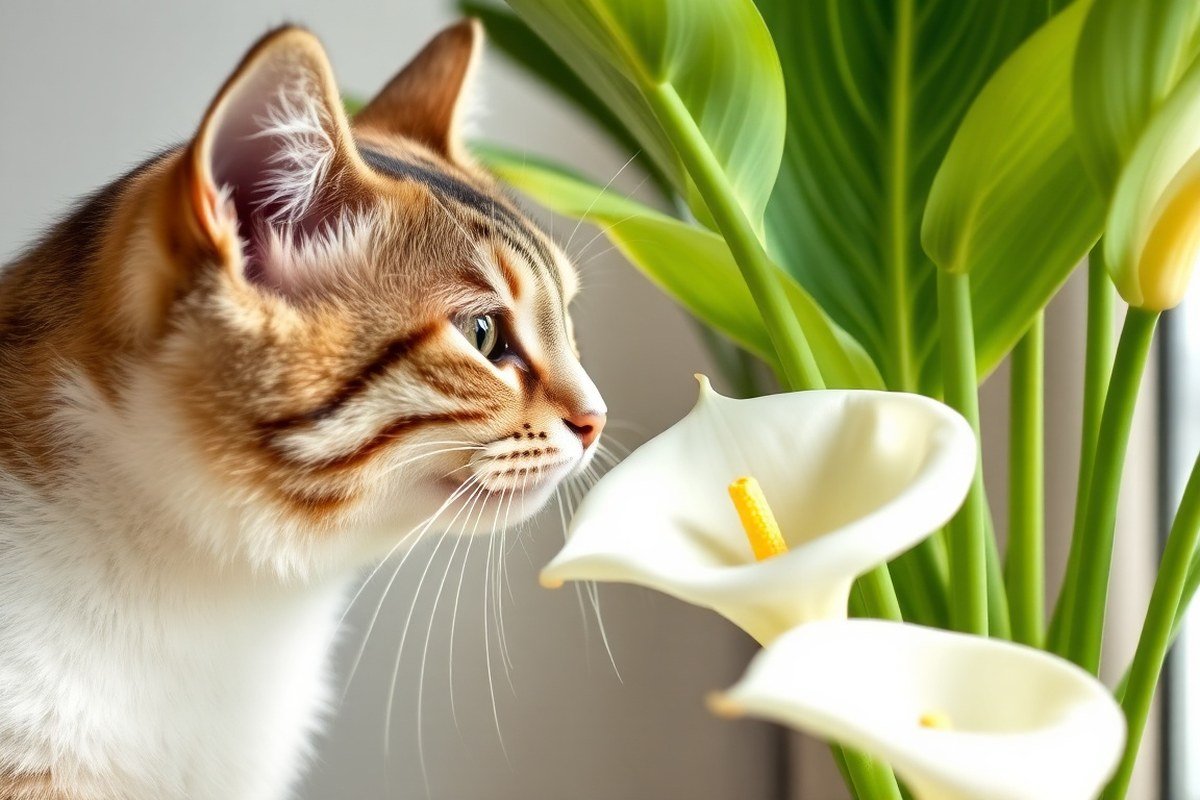
Are calla lilies poisonous to cats? Yes, calla lilies contain insoluble calcium oxalates that make them toxic to cats. Even small amounts can cause serious health issues, including fatal kidney failure if untreated. Immediate action is critical to prevent severe symptoms and long-term damage.
Key Takeaways
- Calla lilies contain insoluble calcium oxalates that irritate a cat’s mouth and digestive system.
- Signs of poisoning can appear as quickly as 0 to 12 hours after ingestion.
- Increased urination and dehydration signal kidney damage 12 to 24 hours after eating calla lilies.
- Treatment must begin within 18 hours of ingestion to avoid irreversible kidney failure.
- Most cats recover fully within 7 to 14 days if treated promptly.
- Keep cats away from calla lilies and similar plants like philodendron and peace lilies.
Are Calla Lilies Poisonous to Cats and How Toxic Are They?
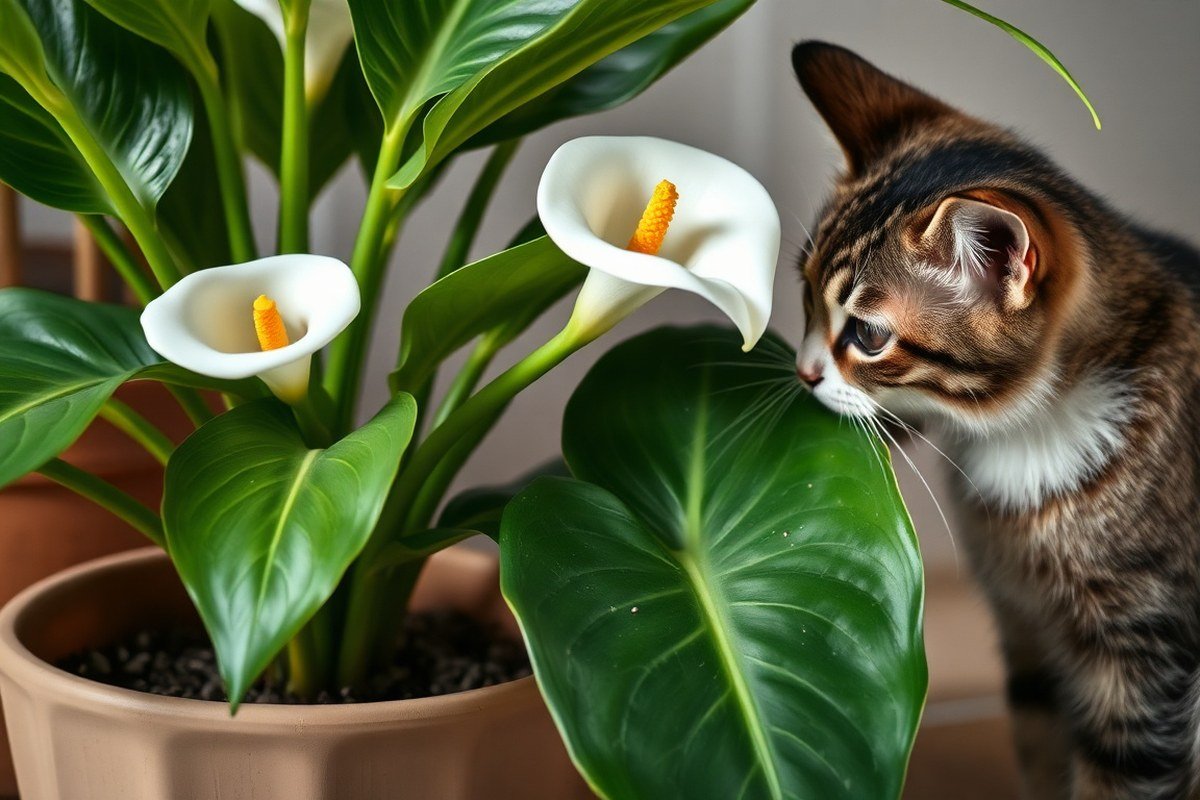
Yes, calla lilies are poisonous to cats because they contain insoluble Calcium oxalates. These needle-shaped crystals cause irritation and inflammation in a cat’s mouth, throat, and digestive tract if ingested. While this toxicity can lead to discomfort and symptoms like drooling or vomiting, calla lilies are generally less dangerous than true lilies such as Easter lilies, tiger lilies, and daylilies.
| Aspect | Calla Lilies | True Lilies (Easter, Tiger, Daylilies) |
|---|---|---|
| Toxic Compound | Insoluble calcium oxalates | Unknown toxins causing kidney failure |
| Primary Effects | Oral irritation, drooling, vomiting | Severe kidney damage, often fatal |
| Potential Severity | Moderate; rarely fatal | High; can be fatal without prompt treatment |
| Treatment Urgency | Important but less critical | Immediate veterinary care required |
The difference matters because true lilies can cause irreversible kidney failure within 24 to 72 hours after ingestion, while calla lilies usually cause less severe reactions. Calla lily poisoning symptoms tend to be limited to oral discomfort instead of systemic organ damage. This usually means you have more time to act but still shouldn’t delay veterinary attention. Any cat that chews or swallows part of a calla lily should be evaluated to prevent complications.
Some varieties of calla lilies might vary slightly in toxin levels, but all contain calcium oxalates harmful to cats. Calla lilies are toxic to cats indoors and outdoors, so keeping these plants out of your home or garden is the best way to avoid any risk. Cats with conditions such as kidney disease or dehydration may suffer more severe effects even from the milder toxicity of calla lilies. Knowing this difference in toxicity can help you prioritize your response and better protect your cat’s health.
What Are the Symptoms and Timeline After a Cat Eats Calla Lilies?

Symptoms of calla lily poisoning in cats typically appear within a few hours after your cat ingests any part of the plant, including the leaves, stems, or flowers. Early signs include mouth pain and irritation, which often causes drooling. You might also notice vomiting, diarrhea, and lethargy as your cat reacts to the plant’s insoluble calcium oxalates that irritate tissues wherever the plant material touches.
These symptoms matter because they signal your cat is in pain and distress from the toxins. Called oxalate crystals, these cause sharp discomfort in the mouth and can scrape the gastrointestinal tract, making vomiting and diarrhea common. In some cases, difficulty breathing might occur due to swelling in the throat or mouth.
The timeline for serious effects like kidney damage is usually between 12 and 24 hours after ingestion. Signs of kidney damage include increased urination followed by dehydration, indicating the kidneys are struggling to filter toxins. This is why reaching veterinary care promptly is important. Treatment delayed beyond 18 hours often leads to irreversible kidney failure, which can be fatal.
Most calla lily poisonings cause pain and gastrointestinal upset but avoid letting your cat suffer through these symptoms. Rapid veterinary intervention can reduce discomfort, prevent worsening kidney issues, and improve recovery chances. Watching your cat closely for these symptoms immediately after suspected ingestion helps you act swiftly and keep your cat safe.
What Immediate Steps Should You Take If Your Cat Eats Calla Lilies?
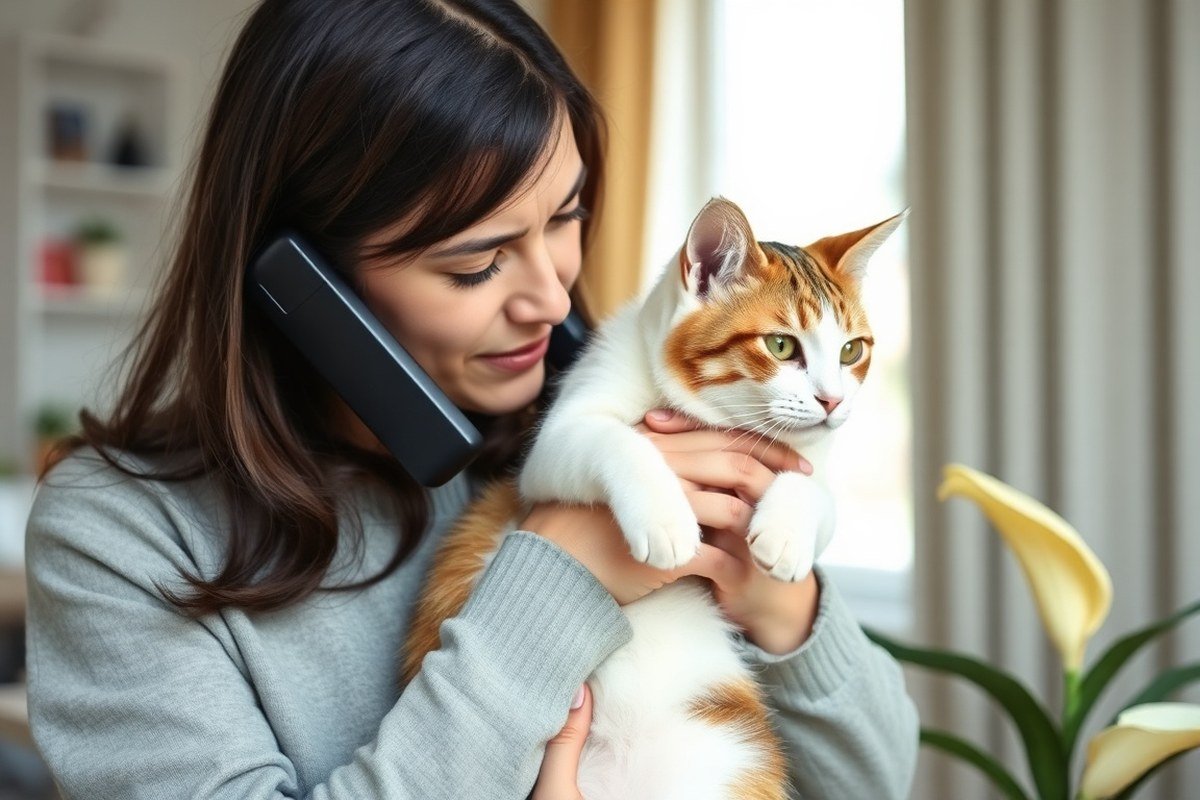
Act immediately if you notice your cat has eaten any part of a calla lily. The plant’s insoluble calcium oxalate crystals can irritate your cat’s mouth and throat within seconds, causing pain, swelling, drooling, and vomiting. Prompt action can reduce discomfort and prevent complications.
Start by removing any remaining plant material from your cat’s mouth gently if possible, but avoid forcing them to spit it out. Contact your veterinarian or a pet poison control hotline like the Pet Poison Helpline at (855) 213-6680 immediately. Early veterinary assessment is important, especially if your cat shows symptoms such as pawing at the mouth, drooling, or vomiting. These signs indicate irritation that could worsen without professional care.
- Check your cat’s mouth for swelling or leftover plant pieces
- Call your vet or a poison control center without delay
- Note the time and amount of calla lily ingested if known
- Do not induce vomiting unless instructed to do so by a professional
- Keep the cat calm and restrict access to food or water until you get guidance
- Follow the vet’s instructions exactly for emergency care or monitoring
Any vomiting or excessive drooling should be treated as an emergency. The vet might advise you to bring your cat in right away for evaluation and treatment, which could include anti-inflammatory medication and supportive care. Acting swiftly is especially important for kittens or cats with preexisting health issues, as their risk of severe reaction is higher. Waiting or trying home remedies may allow the crystals to cause more damage or lead to complications like dehydration from vomiting.
How Is Calla Lily Poisoning Treated and What Is the Recovery Time?
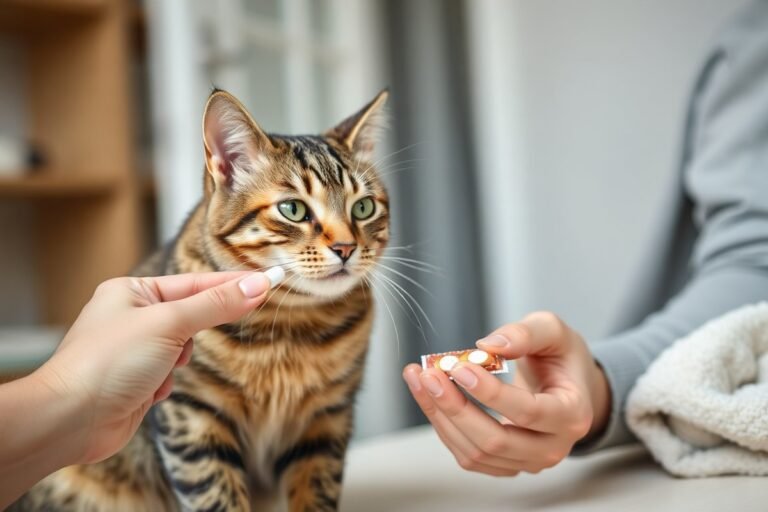
Treatment for Calla lily poisoning in cats focuses on relieving symptoms and preventing any complications. Because calla lilies do not cause kidney failure like true lilies, the treatment generally aims to address oral irritation and gastrointestinal upset from insoluble calcium oxalates in the plant. Your veterinarian may start by rinsing the cat’s mouth thoroughly to remove plant residues and reduce pain and swelling. They often provide fluids intravenously to prevent dehydration and support kidney function, along with medications to control nausea, vomiting, and pain.
The recovery time commonly ranges from 7 to 14 days when treatment begins early after ingestion. Prompt veterinary care is critical to improve outcomes and prevent more serious issues such as respiratory distress, which is rare but possible. Observation during the first 24 to 72 hours is especially important to catch any worsening symptoms.
Unlike true lilies, calla lilies do not lead to kidney failure in cats, so there is no risk of irreversible kidney damage requiring dialysis or other specialized interventions. Cats typically recover fully with appropriate veterinary care. Your vet may recommend follow-up visits within the first week to monitor healing and ensure all symptoms have resolved.
Costs for treating calla lily toxicity vary by location and clinic but expect expenses for examination, fluids, medications, and possible hospitalization. Delays in treatment can extend recovery time and increase risks, so immediate veterinary care is the best approach for effective and timely recovery.
How to Prevent Cat Poisoning from Calla Lilies and Similar Plants
Keeps calla lilies out of your cat’s reach by placing them in high, secure spots or rooms your cat cannot enter. Removing these plants from your home and garden entirely is the safest option. Cats are curious and can access low or easily climbed areas, so simply moving a pot may not be enough. Consider using hanging baskets with secure hooks or enclosed terrariums if you want to keep calla lilies indoors but away from pets.
Choosing Non-toxic, pet-safe plant alternatives reduces risk significantly. Examples include spider plants, Boston ferns, and areca palms, which are decorative but not harmful to cats. These plants allow you to enjoy greenery without worrying about poisoning.
Besides calla lilies, other common Household plants that pose similar risks include peace lilies, dieffenbachia, and philodendrons. These plants contain compounds that can irritate a cat’s mouth, cause vomiting, and even more severe symptoms. Avoiding them altogether or placing them securely away from cats is advised.
- Remove calla lilies or relocate them to rooms where your cat never goes
- Use tall shelves or hanging planters out of your cat’s jumping range
- Pick pet-safe plants like spider plants, Boston ferns, or areca palms instead
- Check any new plants against lists like the Pet Poison Helpline’s safer flower choices
- Regularly inspect your home and garden for toxic plants your cat might access
- Keep outdoor calla lilies fenced off or out of roaming areas if your cat goes outside
Proactively cat-proofing your home involves combining plant replacement with environmental controls. Secure placement prevents incidents, especially important during seasons when your cat tends to explore more. Budget-wise, pet-safe plants can cost $15 to $50 depending on size, comparable to calla lily prices and worth it for peace of mind. Persistent supervision and restrictions will avoid emergency vet visits and distress.
Step-by-Step Action Plan to Keep Your Cat Safe from Calla Lily Poisoning
Follow these steps right away if you suspect your cat has eaten calla lilies or if you want to prevent exposure.
- Immediately after ingestion: Remove your cat from the area and try to determine how much plant material was eaten. This directs urgency for vet care.
- Within the first hour: Call your veterinarian or an emergency pet poison hotline to describe symptoms and get advice on whether to induce vomiting or go to the clinic.
- First 24 hours: Monitor your cat closely for signs like drooling, pawing at the mouth, or vomiting. Record symptom progression to share with your vet.
- Ongoing care: Follow all veterinarian instructions for treatment such as medications or supportive fluids. Keep your cat in a calm, comfortable space.
- Preventive setup: Remove all calla lilies and similar plants from your home and garden where your cat can reach them. Opt for pet-safe plants instead.
- Daily vigilance: Check any new plants thoroughly before bringing them into your home to avoid hidden toxicity risks.
- Regular vet check-ins: Schedule routine wellness exams to catch any health issues early and discuss safe plant options with your vet.
Frequently Asked Questions
Are Calla Lilies Toxic to All Types of Cats?
Yes, calla lilies are toxic to all cats regardless of their breed or age because of insoluble calcium oxalates. This means every cat owner should treat these plants as a potential risk.
Can Call Calla Lily Pollen Harm My Cat?
Calla lily pollen is less risky than ingestion, but it can still irritate a cat’s mouth. Avoid allowing cats near the flowers to reduce any chance of irritation.
Do Calla Lilies Cause Long-Term Health Problems in Cats?
Calla lilies typically do not cause long-term issues if treated quickly. Prompt veterinary care usually leads to full recovery without lasting harm.
Should I Remove Calla Lilies from My Home If I Have a Cat?
It’s safest to remove calla lilies or place them where your cat can’t reach them. Prevention is easier than treating poisoning symptoms later.
Are Calla Lilies Poisonous to Cats Only When Eaten or Also When Touched?
Calla lilies are mainly dangerous when eaten, though touching can cause mild irritation. Discourage nibbling to keep your cat safe from toxicity.
The Bottom Line
Calla lilies are indeed poisonous to cats, posing a real health danger if ingested. Acting quickly by removing your cat from the source and contacting your vet can prevent serious complications. Make inspecting and removing toxic plants a regular habit to protect your pet. Start today by surveying your home for calla lilies and replacing them with safer alternatives.