
Why Is My Cat Being Sick? A Complete Guide with Practical Help
Why is my cat being sick? Cats vomit for many reasons, from minor stomach upset to serious health issues. Monitoring the frequency and type of vomiting helps you decide when to seek veterinary care. If your cat vomits once but seems fine, watch for 24 hours before acting.
Key Takeaways
- Contact your vet immediately if a kitten or senior cat is vomiting, as they’re more vulnerable.
- Vomiting more than twice in 24 hours requires prompt veterinary evaluation.
- Offer small, bland meals for 24 to 48 hours if your cat vomits white foam but acts well.
- Refusal to eat for over 24 hours needs a vet visit to avoid serious liver diseases.
- Check your cat’s temperature rectally to confirm if it’s within the normal 100.4°F to 102.5°F range.
- Diarrhea lasting more than 24 hours combined with vomiting is a sign to seek vet care.
Common Reasons Why Cats Vomit and Get Sick
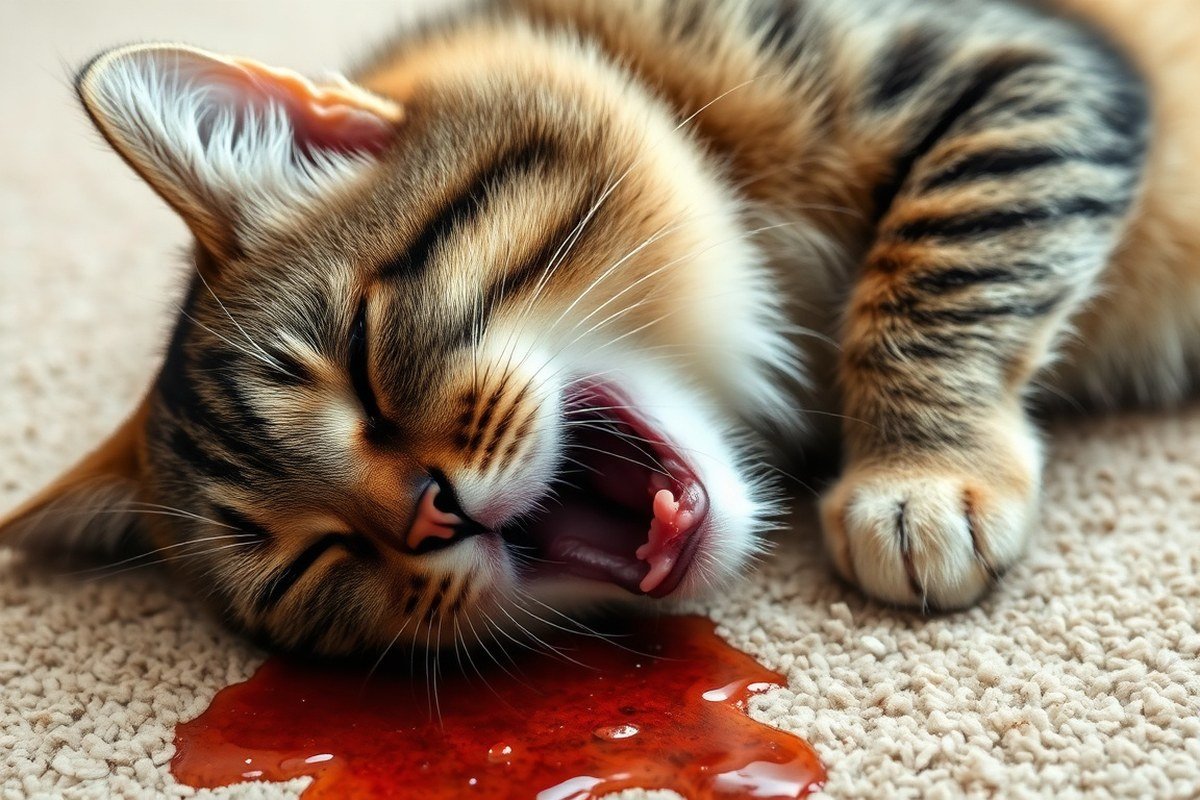
Cats often vomit due to hairballs, eating too quickly, or dietary indiscretion. When a cat grooms itself, hair can collect in the stomach and form hairballs that trigger vomiting to expel the mass. Eating too fast can cause your cat to swallow air or irritate the stomach, leading to occasional vomiting shortly after meals. Dietary indiscretion, meaning your cat eats something unusual or inappropriate for its digestive system, also causes upset and vomiting.
Illness plays a key role when vomiting is persistent, frequent, or occurs with other symptoms. Infections, inflammation, allergies, and chronic conditions such as pancreatitis or kidney disease commonly cause sickness in cats. For example, food intolerances affect 30-50% of cats but often improve with prescription diets. If your cat vomits and shows lethargy, loss of appetite, diarrhea, or behavior changes, contacting your veterinarian promptly is necessary to diagnose and treat underlying health issues.
Environmental factors and poisoning also contribute to cat vomiting. Household substances toxic to cats include lilies, onions, garlic, antifreeze, certain essential oils, and many human medications. Poisoning usually leads to sudden and severe vomiting, often accompanied by weakness, drooling, or seizures. Keeping these items well out of your cat’s reach helps prevent accidental ingestion. Quick action and veterinary care are essential if poisoning is suspected.
Behavior impacts health, too. Stress, anxiety, or changes in your household, such as a new pet or moving to a new home, can make cats vomit or show signs of sickness. Cats may hide pain or illness, so you might notice subtle changes in grooming, vocalization, or activity first. Observing your cat closely and providing a calm environment supports recovery and helps spot illness early. Persistent vomiting demands veterinary evaluation, especially if combined with other symptoms like blood in vomit or changes in drinking and urination habits.
How to Interpret Different Types of Cat Vomit

Identifying the type of vomit your cat produces offers key insights into what might be causing their sickness. For example, clear or white foam typically contains stomach acid and saliva. This is common when your cat vomits on an empty stomach or is trying to expel hairballs, indicating a low to moderate urgency level. Yellow or bile-colored vomit suggests the presence of bile from the small intestine. This can happen with an empty stomach or conditions like bilious vomiting syndrome and may point to liver problems, requiring moderate attention.
Vomit containing undigested food usually means your cat recently ate but may have eaten too fast or has a food intolerance. This is generally less urgent but still worth monitoring. Brown or foul-smelling vomit signals digested food mixed with fecal matter, which can indicate serious issues like intestinal blockages or constipation. These cases need urgent veterinary care.
Distinguishing vomiting from regurgitation involves noticing timing and effort. Vomiting often includes retching and expelling stomach contents and stomach acid. Regurgitation, on the other hand, happens quickly and without the same force, usually bringing up undigested food from the esophagus.
Tracking how often your cat vomits is important. Vomiting once or twice with no other symptoms often means you can monitor at home. However, repeated vomiting beyond two or three times in 24 hours, especially if your cat cannot keep down food or water, requires a same-day vet visit. Blood in vomit or signs like lethargy, abdominal pain, or collapse demand emergency veterinary care.
The appearance and timing of vomit provide important clues. You should note the color, consistency, contents, and frequency. This information helps both you and your veterinarian decide how urgently your cat needs medical attention and what treatments may be required.
Signs That Show When Your Cat Needs Emergency Vet Care
Call your vet immediately if your cat is vomiting more than two or three times within 24 hours or if the vomit contains blood. Persistent vomiting beyond one day increases the risk of dehydration and underlying serious diseases, such as pancreatitis or kidney problems. Also seek urgent care if your cat shows any of these critical symptoms: labored or open-mouth breathing, rapid or shallow breathing, or breaths that require effort from the belly. Rapid or difficult breathing indicates a potentially life-threatening condition that needs immediate veterinary assessment.
If your cat’s gums appear pale or bluish, this may signal poor oxygenation or shock, conditions requiring emergency intervention. You should not wait more than 24 hours to seek help if your cat refuses food and water, especially if they have pre-existing health issues. Cats that do not eat within a day can develop hepatic lipidosis, a serious liver disease, so the Golden rule is to contact your vet if your cat stops eating for 24 hours.
Other urgent signs include lethargy, persistent diarrhea, a painful abdomen, or inability to urinate. Even a single vomiting episode accompanied by any of these symptoms demands a vet visit. In the event you suspect your cat ingested a toxic substance or foreign object, call your vet immediately. When you are unsure whether your cat is vomiting or regurgitating, record a video to show the veterinarian upon arrival.
A practical checklist guides your response: note the number of vomits in 24 hours, check for blood, monitor appetite and water intake, observe breathing patterns, and examine gums for unusual color. Immediate care prevents complications and can save your cat’s life. Emergencies typically require prompt veterinary attention, which may cost anywhere from $100 to over $500 depending on diagnostics and treatments needed, but delaying care risks worsening your cat’s condition significantly.
How to Support Your Cat at Home During Minor Sickness
Supporting your cat at home during mild sickness starts with careful attention to their feeding, hydration, and environment. Offer small, bland meals every few hours instead of one or two large portions. This can help reduce vomiting by not overwhelming their digestive system. Feeding smaller, more frequent meals throughout the day takes less than 5 minutes per feeding and costs the same as regular feeding but improves comfort and digestion.
Hydration is key to recovery. Make sure your cat has access to fresh water at all times. Using a cat water fountain encourages more drinking since moving water is more appealing to cats. You can also feed wet food in small portions to increase their fluid intake gently, which helps prevent dehydration and supports body functions. Wet food portions should be about a tablespoon every 2-4 hours, depending on your cat’s size.
Adjust the environment by providing a quiet, comfortable space free of stress and hazards. Make sure bedding is soft and easily accessible for rest. Keep grooming regular to reduce hairballs, which can worsen vomiting. Monitor your cat by observing their appetite, energy, and vomiting frequency. If your cat vomits more than twice in 24 hours or stops eating completely for over a day, contact your vet promptly.
Introduce new foods gradually over 7 to 10 days by mixing increasing amounts of new food with their current diet daily. Sudden diet changes might provoke food intolerance or allergies. For example, start with 25% new food and 75% original on day one, then 50/50 by day five, continuing until completely transitioned. This slow switch helps prevent additional stomach upset.
Temporarily withholding food for 12 to 24 hours but always providing water can calm the stomach in healthy adult cats experiencing mild vomiting. Avoid fasting kittens, elderly, or seriously ill cats, as they are more vulnerable. After fasting, resume feeding with small portions of bland food like boiled chicken or rice. Watch for improvements such as fewer vomit episodes and renewed appetite, but seek veterinary care if symptoms worsen or last beyond 48 hours.
How Age and Pre-Existing Conditions Affect Cat Sickness
Age significantly influences your cat’s susceptibility to illness and vomiting. Cats are often considered senior at 11 years old, and as they age, they become more prone to chronic health issues. Conditions like chronic kidney disease, hyperthyroidism, diabetes, and dental disease become more common. These diseases frequently cause vomiting either directly or because they affect the digestive system.
Vomiting tends to increase in older cats due to their bodies’ decreased ability to process toxins and waste. Conditions like chronic kidney disease reduce kidney performance, causing nausea and vomiting. Hyperthyroidism can speed up metabolism excessively, which often disrupts digestion. Keep a close eye on your older cat and report persistent vomiting or weight loss to your vet. According to the Feline Veterinary Medical Association, cats between 10 and 15 years should have vet visits twice a year, while cats over 15 need visits as frequently as every four months.
Existing medical conditions tend to worsen the severity and frequency of vomiting episodes. Diseases like cancer and diabetes stress your cat’s system, making vomiting more frequent and severe. Some of these illnesses can also cause dehydration quickly, especially when vomiting occurs alongside diarrhea. This risk is higher in senior cats and those with pre-existing conditions. It’s important to control your cat’s environment and diet carefully to reduce triggers. Avoid sudden diet changes and monitor how your cat reacts to new foods.
Chronic conditions may affect grooming habits due to stiffness or pain, particularly arthritis, complicating your cat’s overall health. Noticing reduced grooming alongside increased vomiting in your cat calls for a prompt visit to the veterinarian. These signs suggest that the underlying condition is impacting their quality of life. Managing age-related conditions and monitoring your cat’s health closely can reduce vomiting episodes and improve their comfort and wellbeing.
Common Mistakes Cat Owners Make When Dealing with Vomiting
One common mistake cat owners make is feeding their cat too soon after vomiting. Giving food or water immediately can aggravate the stomach, worsening nausea or causing more vomiting. It’s best to withhold food for at least four to six hours after the last vomit, then offer small amounts of water and, if tolerated, bland food in small portions. This helps the stomach settle and prevents dehydration without overloading their system.
Ignoring or missing early signs of illness is another frequent error. Changes like a reduced appetite, decreased energy, hiding, or less grooming could indicate that your cat is unwell. Monitoring these subtle shifts is important because they often come before repeated vomiting. Notice these signs, and keep a close eye on your cat while recording how often vomiting happens. Vomiting more than twice in 24 hours or any worsening symptoms warrant a prompt vet visit.
Not tracking symptoms properly makes it harder to decide when to call the vet. Observe your cat’s behaviour over 24 to 48 hours. Vomiting that continues or worsens, along with lethargy, not eating for more than 24 hours, or dehydration signs, means you should contact your veterinarian. Dehydration can be checked by gently pinching the skin; if it doesn’t snap back immediately, your cat needs urgent care to avoid complications like kidney failure.
Some owners mistakenly assume coughing or sneezing without distress doesn’t require medical attention. Respiratory symptoms alongside vomiting can signal serious infections. Don’t delay vet care if these appear. Avoid guessing causes or trying over-the-counter remedies without professional advice, as these may mask dangerous symptoms or delay proper treatment.
Understanding Behavior Changes That Indicate Illness in Cats
Changes in your cat’s behavior often signal illness before other symptoms become obvious. Cats instinctively hide signs of pain or sickness, so they may seem normal while actually feeling unwell. You should watch for any differences from your cat’s typical habits, such as reduced appetite, less grooming, or more hiding. Monitor how much your cat eats and drinks daily since a drop in appetite or fluid intake can indicate health problems. Using a small notebook or phone app to track these can help identify concerning trends early. The cost is minimal, just your time, but acting early can prevent more serious illness and expensive vet visits.
Noticing a dull, matted coat instead of the usual glossy fur can mean your cat is too sick or in pain to groom properly. Sometimes cats overgroom to ease discomfort from allergies or skin issues, while grooming less may point to pain or general malaise. Pay attention to how active and playful your cat is; less jumping, climbing, or scratching than usual may mean something is wrong. Behavioral changes such as increased aggression, avoiding touch, or altered litter box use also deserve attention. These signs matter because they often reveal health issues that need veterinary care.
Your cat might vomit but still act normal since mild vomiting can happen without other immediate effects. For adult cats who vomit once but are otherwise well, withholding food for 2 to 4 hours allows the stomach to settle. Then try offering a small amount of bland food. Keep observing their behavior to see if new symptoms appear. If vomiting becomes frequent, is severe, or comes with appetite loss or hiding, contact a vet promptly. Recognizing these subtle behavior changes and tracking them closely will help you understand when your cat needs professional care.
Immediate Steps to Help Your Sick Cat
Use this action plan to quickly support your cat and decide if veterinary care is needed.
- Within the first hour: Remove food for 2-4 hours but keep fresh water available to prevent dehydration; observe if vomiting stops.
- Next 6 hours: Offer small amounts of water or ice cubes frequently to encourage hydration without triggering vomiting; check for improvement.
- After 12 hours: Introduce a bland diet, such as boiled chicken or special veterinary food, in small portions; monitor if your cat keeps food down.
- By 24 hours: Note any new symptoms like lethargy, diarrhea, or repeated vomiting; if these appear, contact your vet immediately.
- Within 48 hours: If vomiting has stopped and appetite returns, gradually resume normal feeding; if still sick, seek veterinary advice.
- Ongoing: Keep a detailed log of vomiting episodes, food intake, and behavior changes to share with your vet.
Frequently Asked Questions
What Does It Mean If My Cat Vomits Once but Otherwise Seems Fine?
A single vomit with no other symptoms usually isn’t serious; monitor your cat at home. Keep an eye for repeated vomiting or additional signs like lethargy, which would need veterinary advice.
How Can I Tell When My Cat’s Vomiting Needs Emergency Care?
Vomiting with blood, repeated episodes, or signs like lethargy and abdominal pain require immediate vet care. Early recognition can prevent worsening conditions, especially in kittens or senior cats.
Why Might My Cat Vomit but Still Act Normally Afterward?
Vomiting alone doesn’t always mean severe illness; it can result from hairballs or eating too quickly. Continue to watch for other symptoms, and contact your vet if vomiting happens more than twice in 24 hours.
What Are Key Differences Between Normal Cat Vomit and Concerning Vomit?
Normal vomit may contain hair or food, while vomit with blood or a coffee-ground appearance signals serious issues. Understanding vomit types helps you decide when to seek veterinary help.
How Can I Best Prepare for a Vet Visit If My Cat Is Repeatedly Vomiting?
Note how often your cat vomits, the timing related to meals, and the vomit’s appearance. This detailed info assists the vet in diagnosing and treating your cat effectively.
The Bottom Line
Understanding why your cat is vomiting helps you act quickly and protect their health. Keeping an eye on symptoms and supporting your cat at home can prevent minor issues from becoming serious. Contact your veterinarian right away if vomiting persists, worsens, or if you see signs like weakness or blood. Taking prompt, informed steps gives your cat the best chance to recover comfortably.